


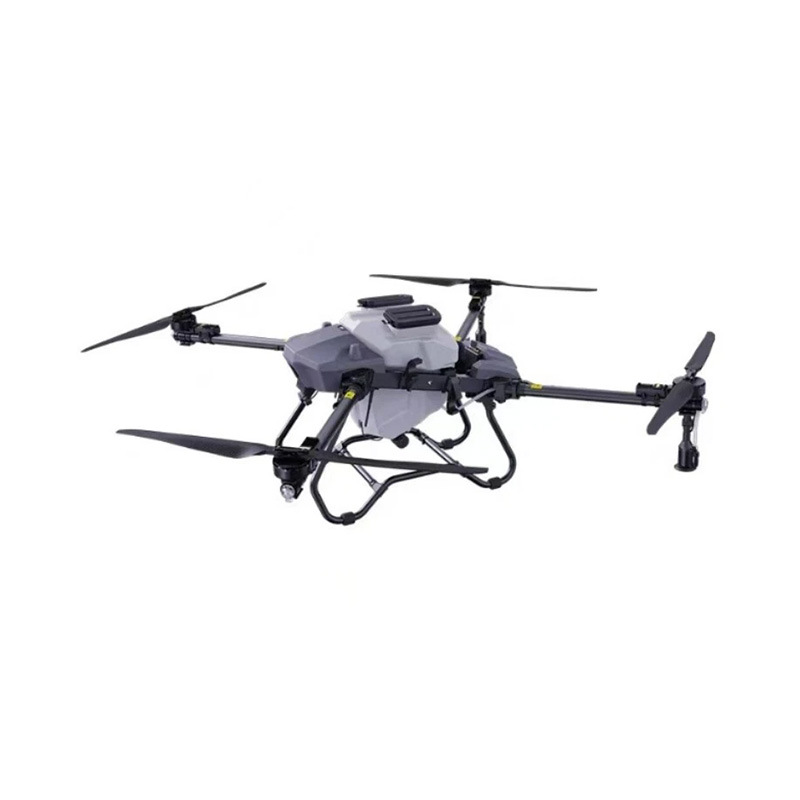
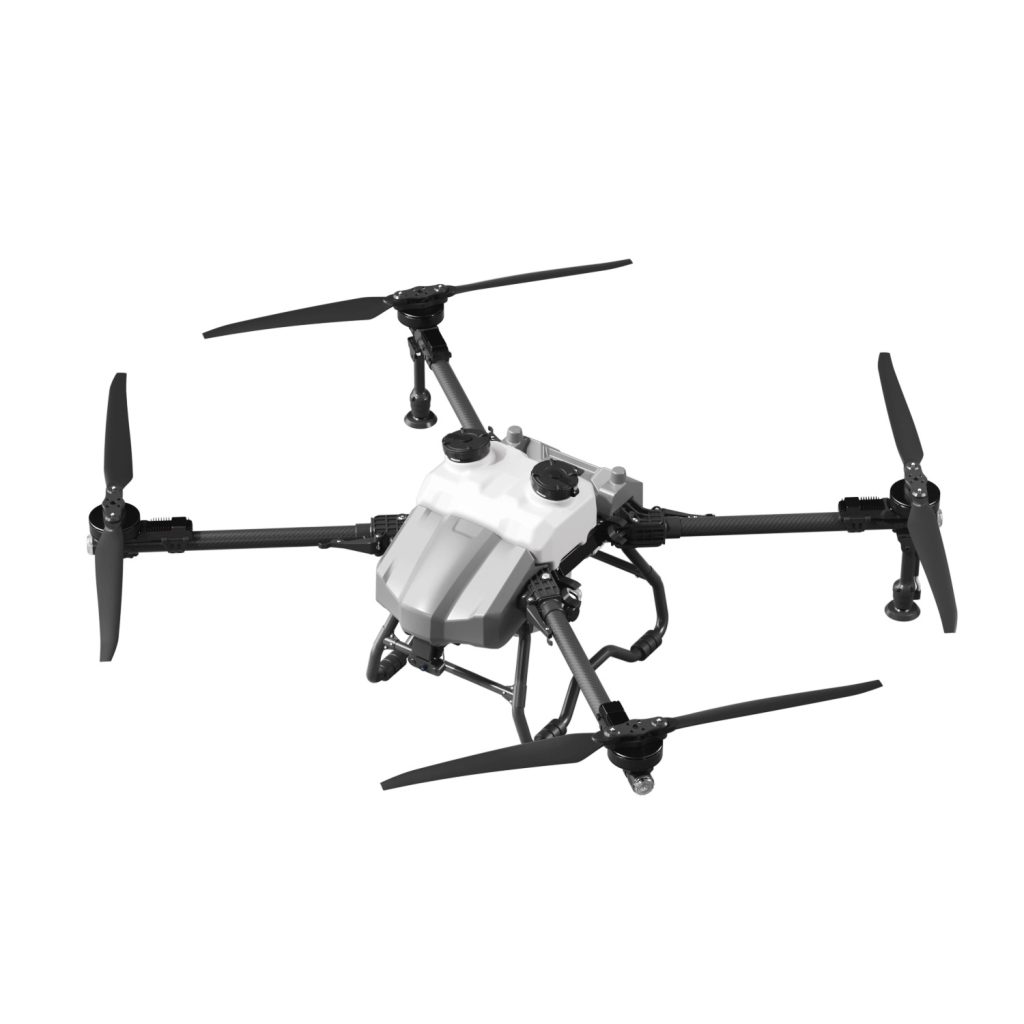
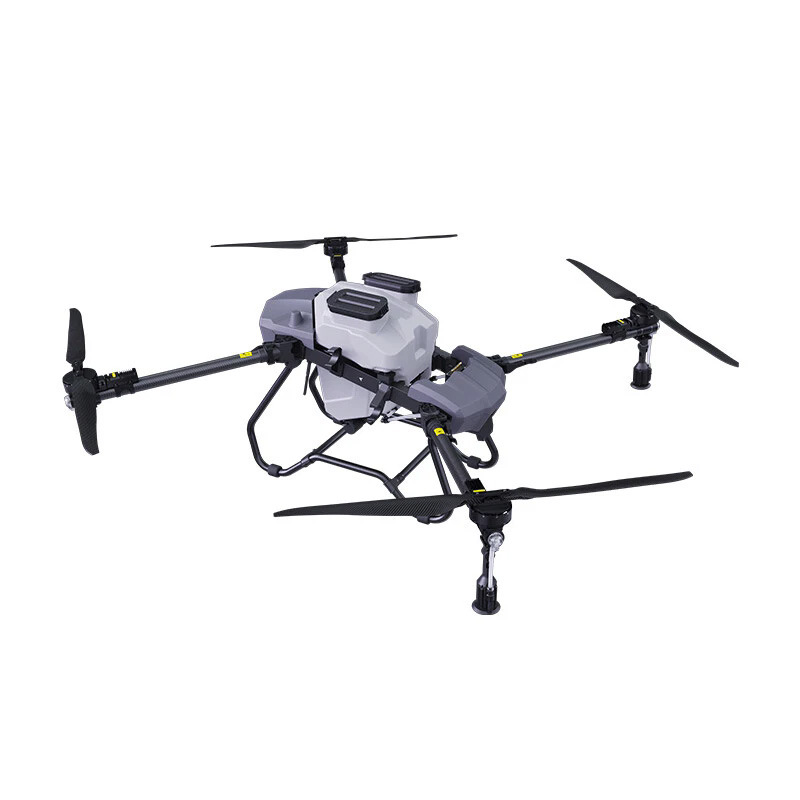
The Skyward Shift: How Agricultural Drones are Reshaping China’s Farming Economy
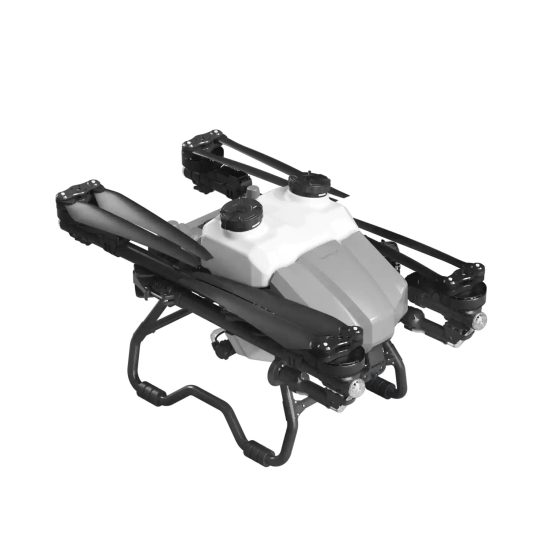
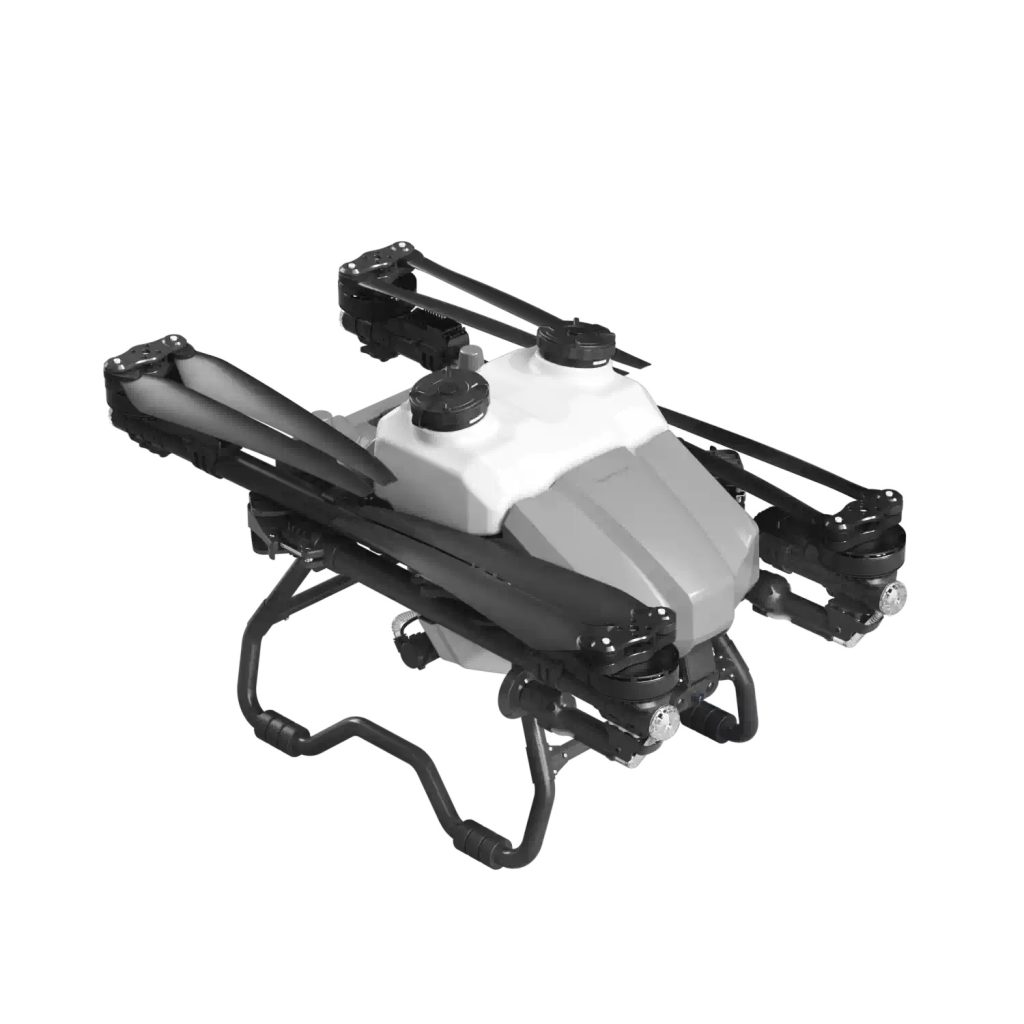
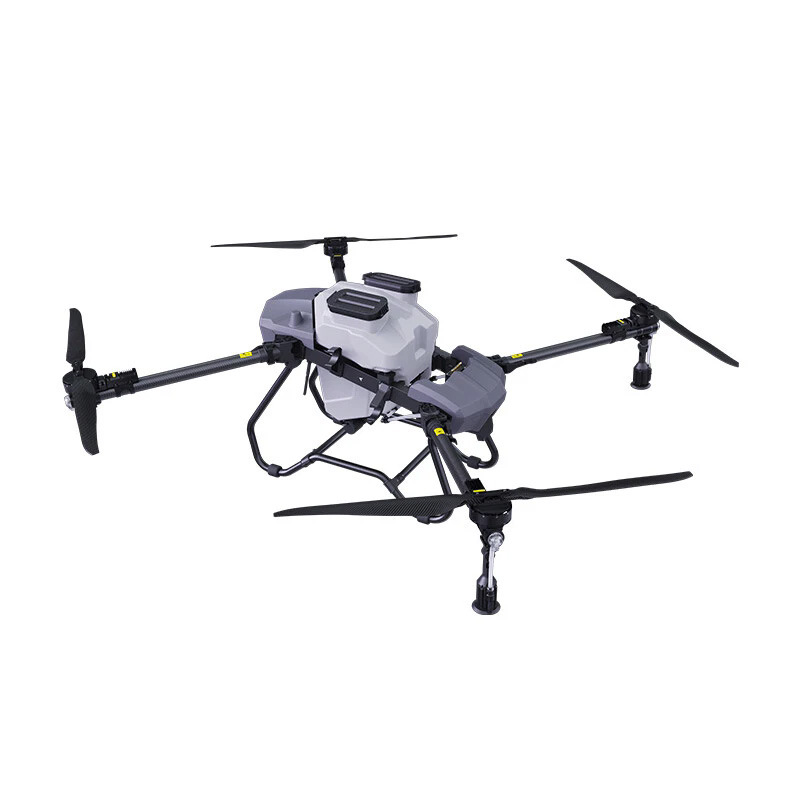
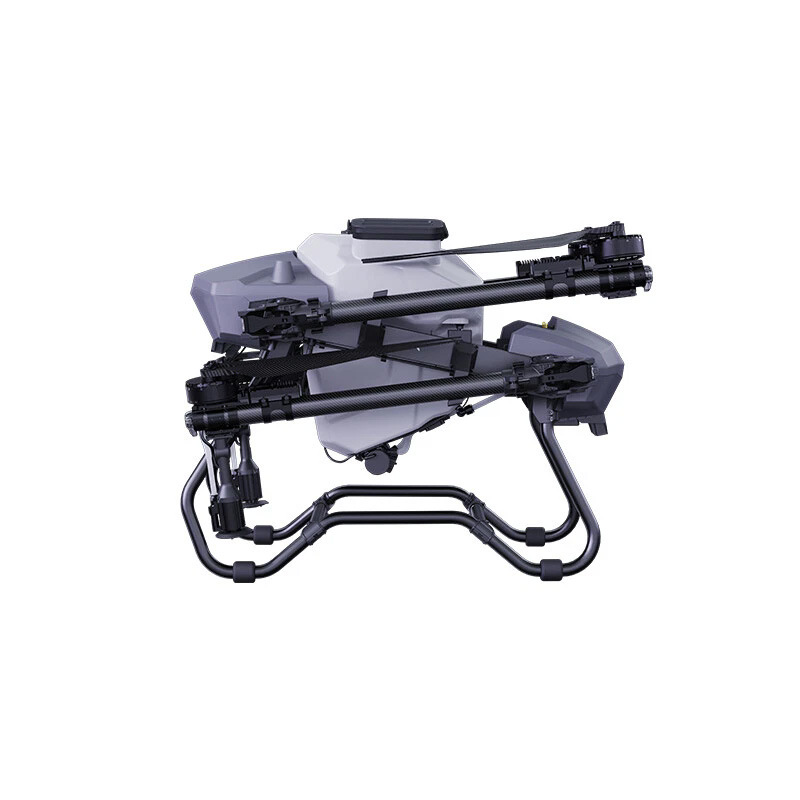
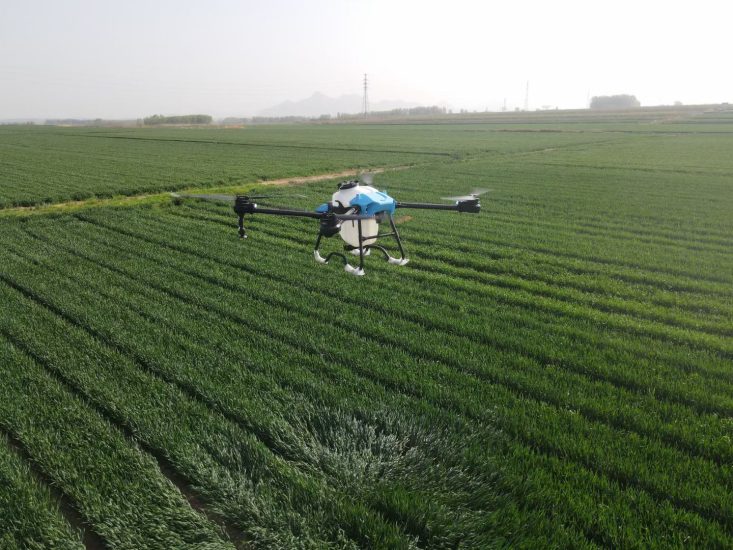
For centuries, Chinese agriculture was defined by manual labor—farmers bent over rice paddies under the scorching sun, backpacks full of chemicals weighing heavily on their shoulders. Today, a quiet revolution is unfolding above those same fields. The shift toward agricultural spraying drones is not merely a change in equipment; it is a fundamental restructuring of rural economics and efficiency.
From Labor Shortage to Precision Solution
One of the most pressing challenges in modern China is the aging farming population and the migration of young workers to cities. Finding laborers for seasonal pesticide application has become increasingly difficult and expensive. This is where unmanned aerial systems step in. A single drone can cover between 6 to 10 hectares per hour, a task that would take an entire team of 10 people a full day to complete. By replacing manual labor with autonomous flight, farmers are effectively solving the labor crisis while drastically reducing operational costs.
The Economics of Precision
Beyond speed, the financial advantage lies in precision. Traditional knapsack spraying often leads to excessive use of chemicals—wasted product that runs off into the soil and increases costs. Modern agricultural drones utilize advanced atomization nozzles and flow control systems. This ensures that every droplet counts, reducing pesticide usage by up to 30% while actually improving crop penetration. For a mid-sized farm, this saving on inputs alone can pay for the drone within a single growing season.
Breaking the Barriers of Terrain
China’s geography is diverse, featuring everything from flat Northeast plains to the terraced mountains of the South. Ground machinery often struggles with steep slopes or waterlogged fields. Drones ignore these barriers entirely. They offer a universal solution for all terrains, ensuring that even the most remote or awkwardly shaped plots receive timely and uniform treatment. This accessibility is leveling the playing field for farmers in less fertile regions.
Data-Driven Agriculture
The future of farming is data. Leading unmanned systems are no longer just sprayers; they are flying sensors. By integrating multispectral cameras, these drones can monitor crop health, identify pest hotspots, and generate variable spraying maps. Farmers are transitioning from “spraying everything” to “spraying precisely where needed,” marking the transition from traditional farming to smart agriculture.
Conclusion
The adoption of agricultural spraying drones in China represents one of the fastest technology integrations in global history. It is an investment that pays dividends through lower labor costs, reduced chemical expenses, and higher yields. As the technology becomes more affordable and accessible, the question for farmers is no longer whether to adopt drones, but how quickly they can integrate them into their operations to stay competitive in a rapidly evolving market.
THE END


No comments yet