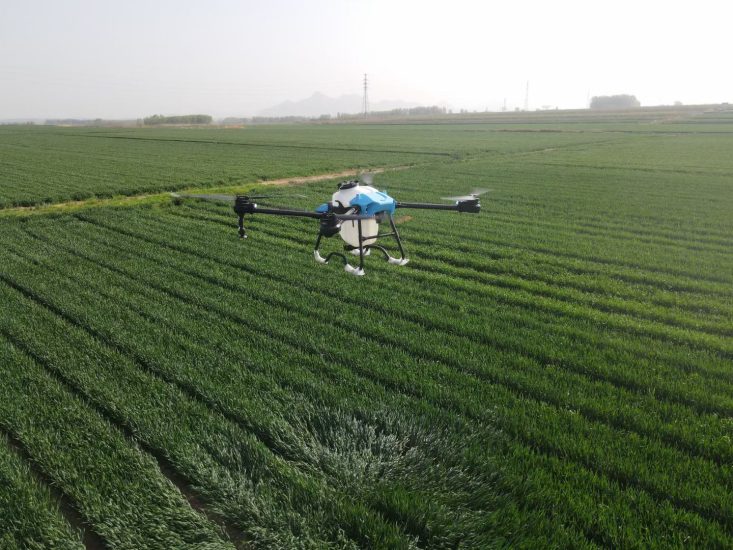


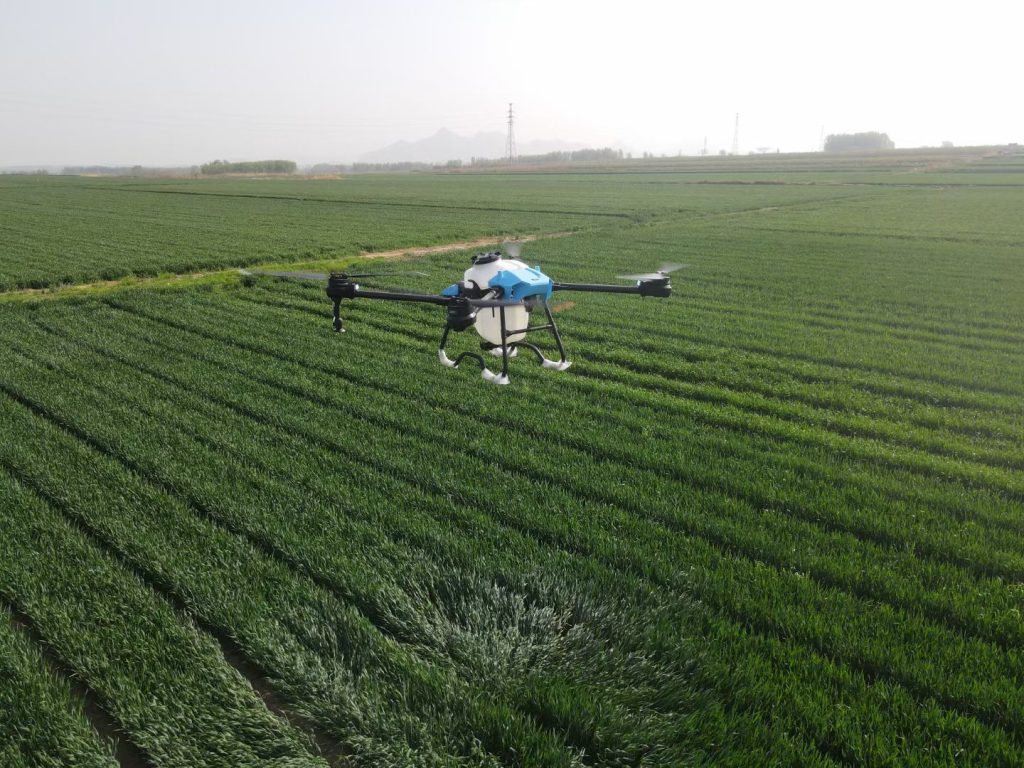
What Should You Ask an Agricultural Drone Factory Before Ordering?
Buying agricultural drones for commercial farming, distribution, or resale requires more than finding a product and asking for a price.
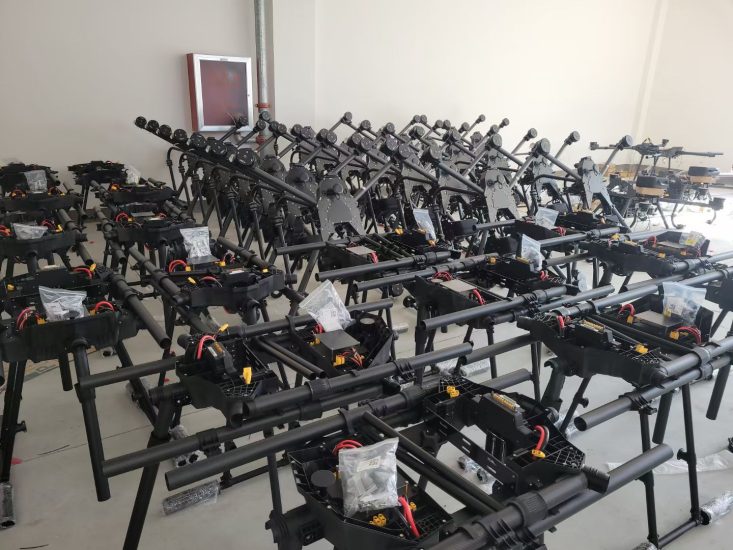
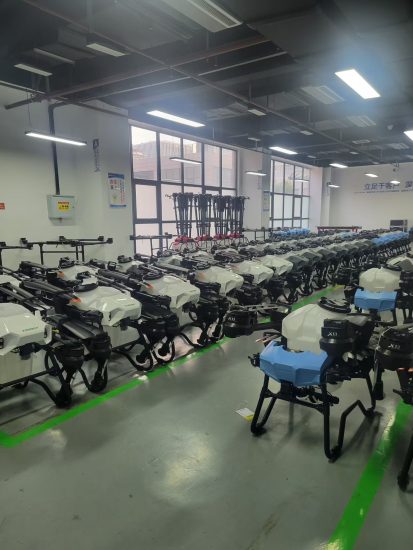
Before placing an order with an agricultural drone factory, international buyers should understand the product specifications, manufacturing process, battery system, spraying performance, spare parts, warranty, customization options, production schedule, and shipping requirements.
Asking the right questions before payment can reduce misunderstandings and help buyers select equipment that matches their actual application.
1. What Type of Agricultural Drone Do You Recommend?
Start by explaining your intended application rather than asking only for the cheapest model.
Tell the manufacturer:
- What crops you work with
- Approximate farming area
- Spraying or spreading requirements
- Terrain conditions
- Expected operating hours
- Number of drones required
- Destination country
The manufacturer can then recommend a configuration based on your operating conditions.
A drone designed for a small farm may not be the right solution for a commercial agricultural service company.
2. What Is the Drone’s Actual Payload?
Payload is an important specification for agricultural drones.
Ask the manufacturer to clearly distinguish between:
- Tank capacity
- Maximum payload
- Recommended operating payload
For example, a drone advertised with a particular tank capacity may have different practical operating conditions depending on the liquid or material being carried.
Understanding the actual payload helps buyers compare different models more accurately.
3. What Is the Spraying Width?
Spraying width affects operational efficiency.
Ask:
- What is the effective spray width?
- Is the width adjustable?
- What nozzle configuration is used?
- How does flight altitude affect the spraying pattern?
- Is the spraying width different for different applications?
A manufacturer should be able to provide technical information rather than only describing the drone as a “large-area spraying machine.”
4. What Is the Maximum Flow Rate?
Flow rate is another important specification.
Ask the manufacturer for:
- Maximum flow rate
- Adjustable flow rate
- Pump type
- Number of pumps
- Nozzle type
- Application-rate adjustment
Different crops and agricultural applications may require different application rates.
The buyer should understand how the drone’s spraying system can be adjusted before ordering.
5. How Long Can the Drone Fly?
Flight time depends on several factors.
Ask for information about:
- Battery capacity
- Empty flight time
- Typical operating flight time
- Payload-related flight time
- Weather conditions
- Battery age
- Flight mode
A manufacturer’s maximum flight-time figure may not represent the operating time under a full agricultural payload.
For commercial operations, practical operating time is usually more useful than a maximum laboratory figure.
6. How Many Batteries Are Required?
Ask the factory how many batteries are recommended for each drone.
For continuous agricultural operations, you may need multiple batteries for one aircraft.
Ask about:
- Battery capacity
- Charging time
- Recommended number of batteries
- Battery cycle life
- Replacement battery cost
- Battery storage
- Charging requirements
If you are buying multiple drones, calculate the total battery and charger requirements before confirming the order.
7. What Charger Is Included?
Do not assume that a charger is automatically included.
Confirm:
- Charger model
- Input voltage
- Charging power
- Charging time
- Number of chargers
- Compatibility with the supplied batteries
- Spare charger availability
International buyers should also confirm compatibility with their local electrical system.
8. What Navigation System Does the Drone Use?
Ask about the drone’s positioning and navigation technology.
Depending on the model, the system may include features such as:
- Satellite positioning
- Automatic route planning
- Return-to-home
- Precision flight control
- Terrain following
- Obstacle detection
Ask the manufacturer to explain which functions are standard and which are optional.
9. Does the Drone Have Obstacle Avoidance?
Obstacle avoidance can be useful when operating around:
- Trees
- Buildings
- Poles
- Other structures
- Uneven terrain
Ask:
- What sensors are used?
- What is the detection range?
- Which directions are covered?
- Does the system work automatically?
- Can the feature be disabled?
- Under what environmental conditions may performance change?
Understanding the actual functionality is more useful than simply seeing “obstacle avoidance” listed in a product description.
10. Can the Drone Spray and Spread?
Some agricultural drones are designed mainly for spraying, while others can support spreading applications.
If you need both functions, ask whether the drone supports:
- Liquid spraying
- Granular spreading
- Fertilizer spreading
- Seed spreading
- Different spreading containers
Also ask whether changing from one application to another requires additional equipment.
11. What Spare Parts Should I Order?
Ask the factory to provide a recommended spare-parts list.
Common items may include:
- Propellers
- Motors
- Pumps
- Spray nozzles
- Pipes
- Batteries
- Chargers
- Landing components
- Electronic modules
If you are operating the drones in another country, ordering essential spare parts together with the initial shipment can reduce future downtime.
12. What Is the Warranty?
Get the warranty terms in writing.
Ask:
- How long is the warranty?
- Which components are covered?
- Are batteries covered?
- Are motors covered?
- Are electronic components covered?
- What situations are excluded?
- How are warranty claims handled?
Also ask who pays transportation costs for warranty replacement parts.
13. What Technical Support Is Available?
Agricultural drones are technical equipment, so after-sales support can be important.
Ask whether the factory provides:
- User manuals
- Installation instructions
- Training videos
- Remote technical support
- Troubleshooting assistance
- Software support
- Maintenance instructions
For distributors, ask whether technical training can be provided for local technicians or operators.
14. Can You Provide OEM or ODM Services?
If you are planning to build your own brand, ask about customization before ordering.
Possible requirements include:
- Company logo
- Custom colors
- Private-label packaging
- Customized manuals
- Product labels
- Accessories
- Product configuration
Also ask about:
- MOQ
- Customization cost
- Sample approval
- Production lead time
- Packaging design
- Intellectual-property arrangements
Not every factory offers the same level of customization.
15. What Is the MOQ?
MOQ means minimum order quantity.
Ask whether the MOQ applies to:
- Standard drones
- Customized drones
- Spare parts
- Batteries
- Packaging
- Private-label products
A standard product may have different purchasing conditions from an OEM product.
16. What Is the Production Lead Time?
Ask for the expected time from order confirmation to shipment.
The lead time may be different for:
- Standard products
- Large orders
- OEM products
- Custom packaging
- Special configurations
If you are purchasing before a farming season, confirm the production schedule early.
17. How Is the Drone Tested Before Shipment?
Quality testing should be discussed before the order is placed.
Ask:
- Is every drone tested?
- Is a flight test performed?
- Is the spraying system tested?
- Are batteries tested?
- Are motors tested?
- Is the remote controller tested?
- Is a final inspection performed before packing?
For large orders, buyers may also consider arranging a pre-shipment inspection.
18. What Documents Can You Provide?
International buyers may need technical and commercial documentation.
Ask whether the supplier can provide:
- Commercial invoice
- Packing list
- Product specifications
- User manual
- Battery information
- Warranty documentation
- Product photographs
- Export documents
The exact documentation required can depend on the destination country and transportation method.
19. How Will the Agricultural Drones Be Packaged?
Packaging is particularly important for international transportation.
Ask for:
- Package dimensions
- Gross weight
- Net weight
- Number of packages
- Packaging material
- Battery packaging
- Export packaging
For larger shipments, ask whether wooden cases or other reinforced packaging are available.
20. How Will the Drones Be Shipped?
Discuss transportation before finalizing the order.
Possible options may include:
- Air freight
- Sea freight
- Other international transportation solutions
The suitable method depends on shipment size, destination, urgency, battery requirements, and transportation regulations.
Ask the supplier to provide the package dimensions and weights so that freight costs can be calculated accurately.
21. Can You Provide a Complete Quotation?
A professional quotation should clearly identify what is included.
Ask the supplier to specify:
- Drone unit price
- Battery price
- Charger price
- Spare parts
- Accessories
- Packaging
- Customization
- Shipping
- Other applicable charges
If comparing several suppliers, ask them to quote the same configuration.
This makes the comparison much more meaningful.
22. Can I Test a Sample?
If you are planning a large purchase, ask whether a sample or demonstration unit is available.
Testing can help evaluate:
- Flight stability
- Spraying performance
- Battery endurance
- Controller operation
- Software
- Build quality
- Maintenance requirements
A sample can also help you determine whether the product is appropriate for your local market.
23. What Happens If There Is a Problem After Delivery?
Before ordering, ask the manufacturer to explain the after-sales process.
For example:
- Buyer reports the problem.
- Factory reviews photographs, videos, or technical information.
- Factory identifies the likely cause.
- Troubleshooting instructions are provided.
- Replacement parts are arranged if necessary.
- Further technical support is provided.
Having a clear process can make international after-sales communication easier.
24. Can You Support Long-Term Orders?
If you are a distributor or agricultural equipment company, do not evaluate the supplier only for your first order.
Ask whether the factory can support:
- Repeat orders
- Larger quantities
- Consistent product configurations
- Spare parts
- New models
- OEM products
- Seasonal demand
A supplier that can support your future requirements may be more useful than one that only provides a low price for a single shipment.
25. What Information Should You Send the Factory?
The quality of the quotation often depends on the information provided by the buyer.
A useful inquiry can include:
Product: Agricultural spraying drone
Application: Commercial crop spraying
Required capacity: 30L / 50L / other
Quantity: 10 units
Destination: Country and city
Customization: OEM / standard product
Spare parts: Required
Shipping: Air or sea
Additional requirements: Training / manuals / packaging
This gives the manufacturer enough information to prepare a more relevant response.
Agricultural Drone Factory Buyer Checklist
Before placing an order, review the following:
| Question | Confirmed? |
|---|---|
| Product model | Yes / No |
| Tank capacity | Yes / No |
| Maximum payload | Yes / No |
| Spray width | Yes / No |
| Flow rate | Yes / No |
| Flight time | Yes / No |
| Battery specification | Yes / No |
| Charger specification | Yes / No |
| Navigation system | Yes / No |
| Obstacle avoidance | Yes / No |
| Spare parts | Yes / No |
| Warranty | Yes / No |
| Technical support | Yes / No |
| OEM/ODM | Yes / No |
| MOQ | Yes / No |
| Production lead time | Yes / No |
| Quality inspection | Yes / No |
| Packaging | Yes / No |
| Shipping method | Yes / No |
| Documentation | Yes / No |
Frequently Asked Questions
What is the most important question to ask an agricultural drone factory?
There is no single question that covers every purchasing situation. Buyers should first confirm that the drone’s specifications match their intended agricultural application and then evaluate quality, support, spare parts, warranty, and production capability.
Should I ask for a sample before a bulk order?
If practical, testing a sample can help you evaluate the equipment before making a larger commitment.
How many batteries should I order?
The appropriate quantity depends on flight time, charging time, daily operating hours, number of drones, and the intended workflow. Ask the manufacturer to recommend a battery configuration based on your expected operation.
Can an agricultural drone be customized with my brand?
Some manufacturers provide OEM or ODM services. Confirm the available customization, MOQ, additional costs, sample approval process, and production lead time.
What spare parts should I buy with the first order?
Ask the manufacturer for a recommended spare-parts list based on the specific drone model and expected operating conditions.
How do I compare quotations from different factories?
Make sure the quotations use comparable specifications. Compare the drone, batteries, chargers, accessories, spare parts, warranty, customization, packaging, shipping, and other costs.
Conclusion
Before ordering agricultural drones from China, international buyers should ask detailed questions about the product, manufacturing process, battery system, spraying performance, quality control, spare parts, warranty, technical support, customization, production schedule, and shipping.
A clear purchasing specification also helps the manufacturer understand your requirements and prepare a more accurate quotation.
If you are sourcing agricultural drones from China for farming, distribution, agricultural services, or an OEM project, prepare your required capacity, quantity, destination, and application before contacting the factory.
You can visit MSOEN to explore agricultural drone solutions and discuss your purchasing requirements with the supplier.


No comments yet