



Introduction: The Limitations of Traditional Agri-Tech
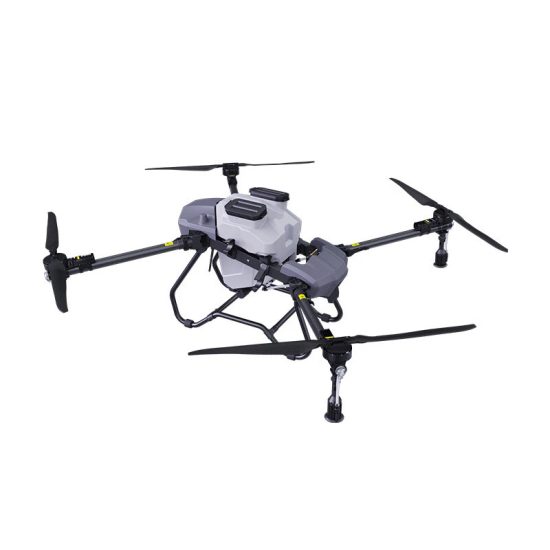
For decades, agricultural aviation was dominated by manned aircraft and ground-based sprayers. While effective in certain contexts, these methods suffer from significant drawbacks: soil compaction from heavy machinery, limited access to irregularly shaped fields, and the inherent dangers of chemical exposure to pilots and workers. The advent of Unmanned Aerial Vehicles (UAVs) promised a solution, yet early consumer-grade drones often lacked the precision and reliability required for commercial farming. The introduction of the 16L Intelligent Agricultural Drone, equipped with RTK Centimeter-Level Positioning and Multi-Directional Obstacle Avoidance, represents the maturation of this technology. This article explores how this specific class of drone is setting a new standard for efficiency, safety, and environmental stewardship in the cultivation of staple crops like rice, wheat, and cotton.
Chapter 1: The 16L Capacity – Balancing Payload and Agility
The choice of a 16-liter payload is not arbitrary; it represents a carefully engineered compromise between endurance and maneuverability.
1.1 The Physics of the 16L Platform
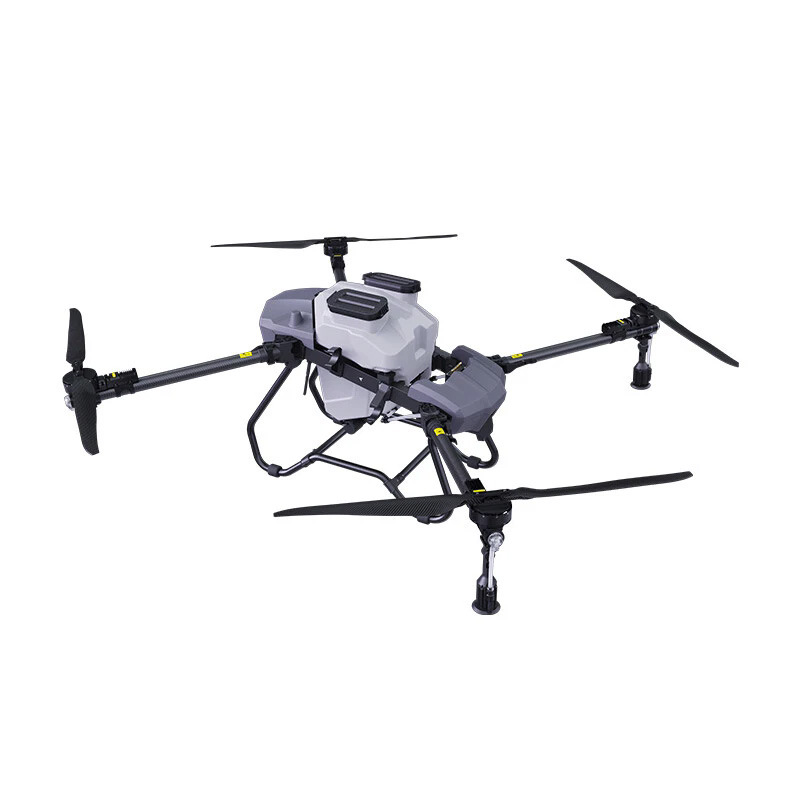
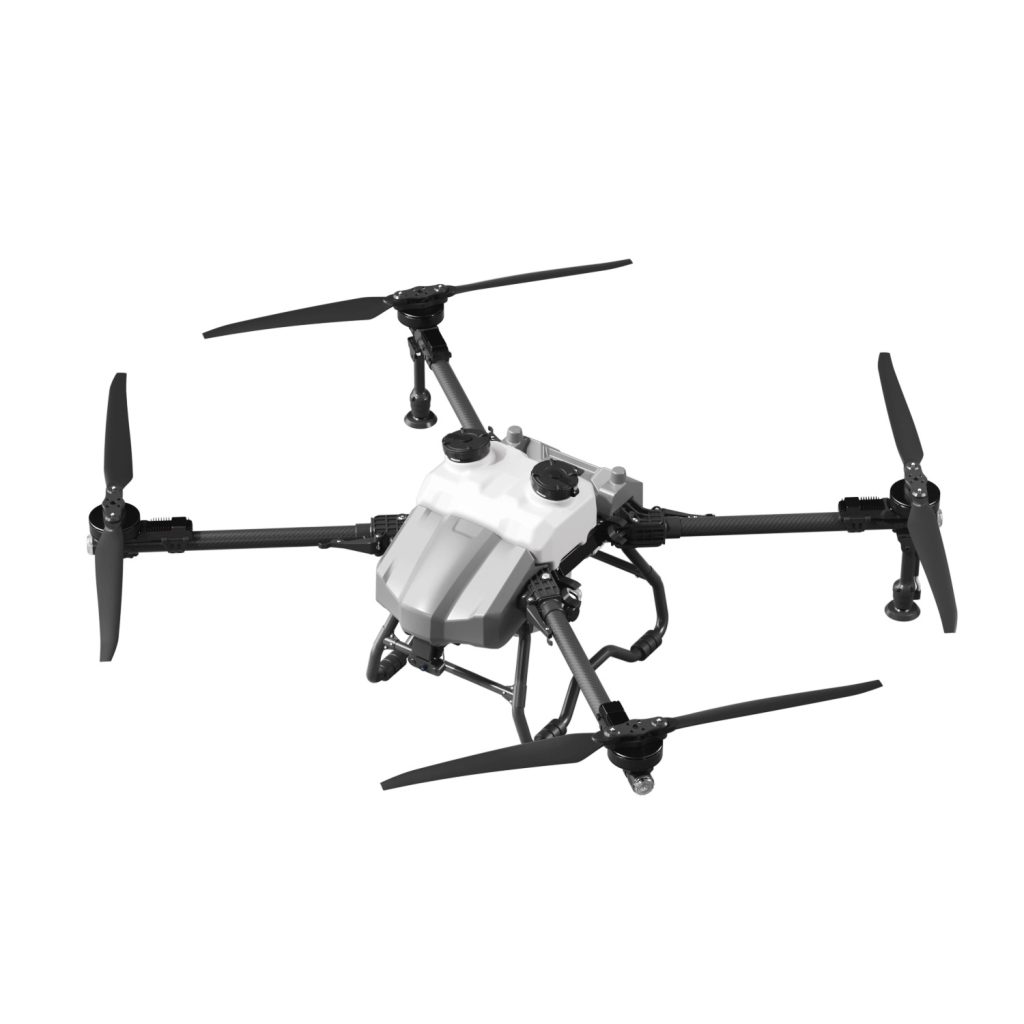
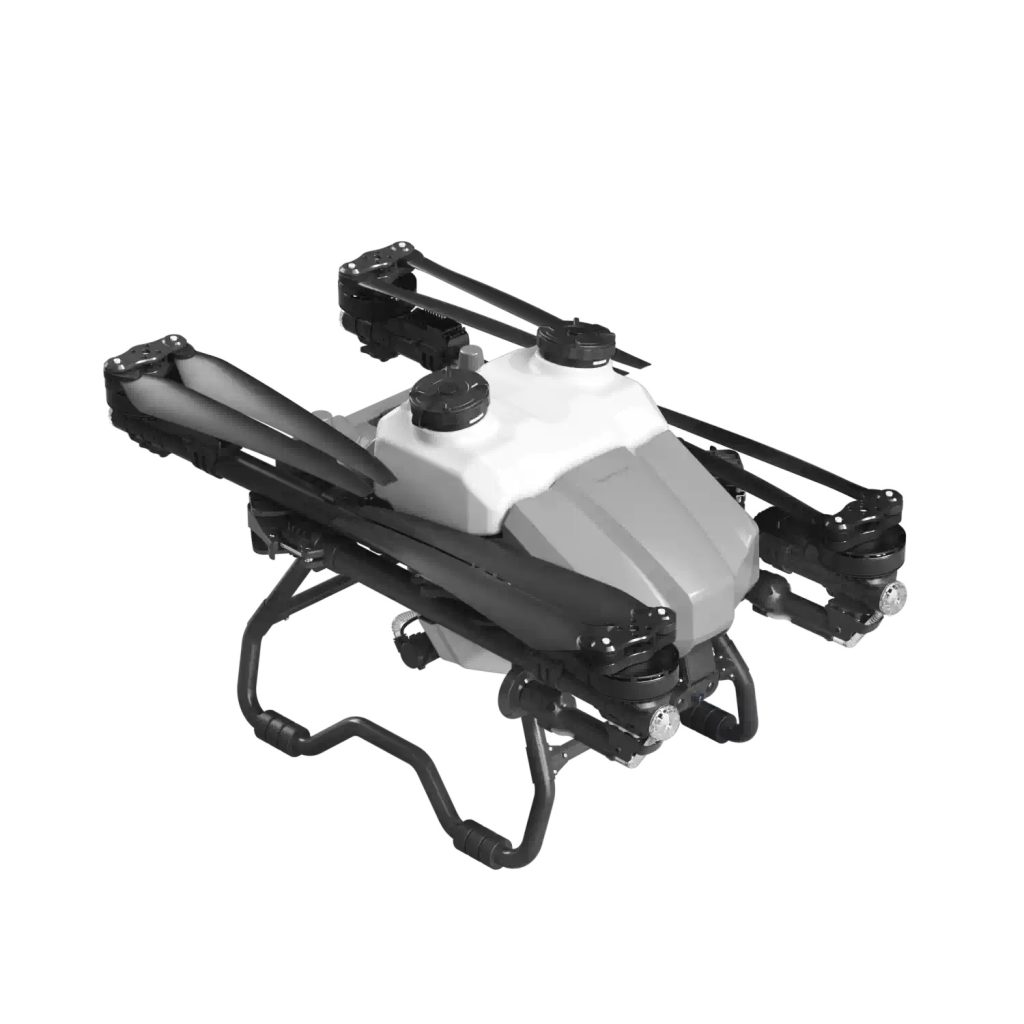
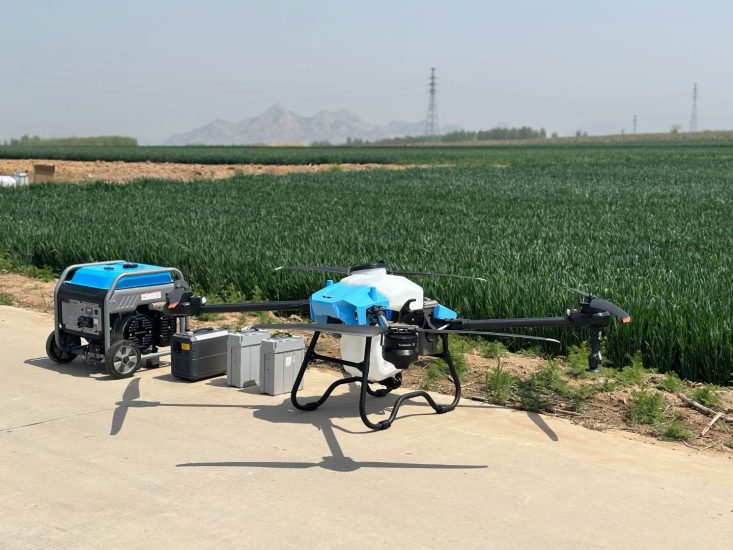
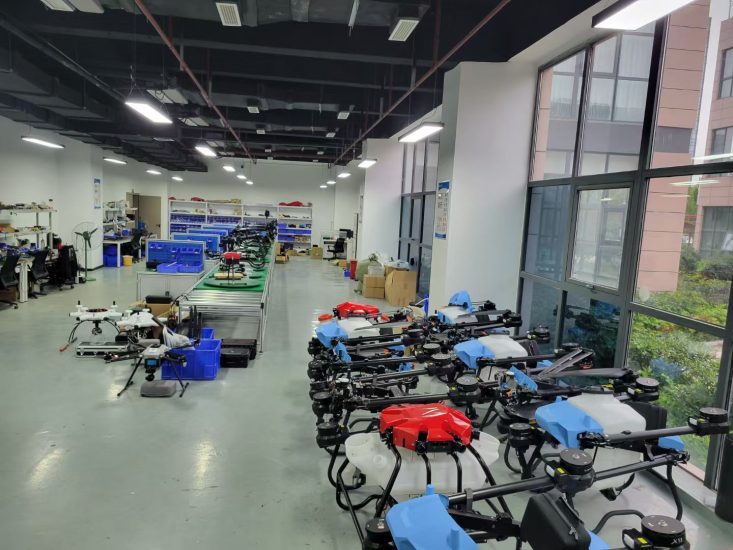
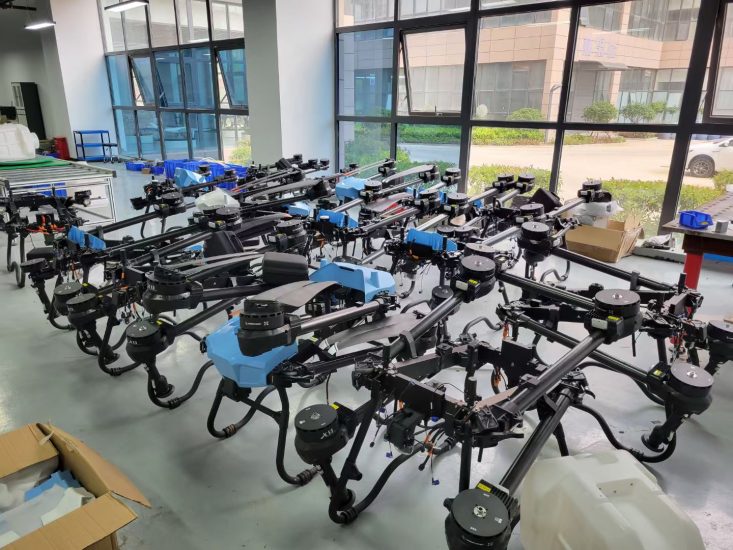
Smaller drones (e.g., 10L) require too many refills, disrupting workflow and reducing daily coverage. Larger drones (e.g., 30L+) often require specialized transport vehicles and are cumbersome to operate in fragmented fields. The 16L model strikes an optimal balance. It carries enough chemical payload to cover a substantial area—typically 20 to 25 acres per hour—while remaining light enough to be handled by a two-person team. Its frame is typically constructed from aviation-grade carbon fiber, ensuring structural integrity while keeping the weight low enough to maintain agility during flight.
1.2 Operational Efficiency in the Field
A 16L tank allows for continuous operation cycles. In a typical workflow, while one battery is in use, two others are charging. This rotating cycle ensures that the drone spends more time in the air and less time on the ground. For crops like wheat and rice, which require frequent foliar applications, this efficiency translates directly into cost savings and timely interventions against pests.
Chapter 2: RTK Centimeter-Level Positioning – Eliminating the Guesswork
Standard GPS technology, with its 1-3 meter accuracy, is insufficient for precision agriculture. Drifting even a few meters can result in overlapping sprays (wasting chemicals) or missed strips (leaving pests unharmed). Real-Time Kinematic (RTK) positioning changes the game entirely.
2.1 The Science of RTK
RTK utilizes a base station and a rover (the drone) to correct GPS signal errors in real-time. By receiving correction data from a fixed base station (either a local physical station or a network RTK service), the drone achieves positional accuracy within 2 centimeters. This level of precision ensures that every pass is perfectly aligned, creating a grid of coverage so precise that it resembles a mowing pattern.
2.2 Benefits for Staple Crops
-
Rice: In paddy fields, where water levels can obscure boundaries, RTK ensures the drone stays on course without wasting spray on waterways.
-
Wheat: For tall wheat stalks, maintaining a consistent height and path prevents damage to the crop canopy and ensures uniform droplet penetration.
-
Cotton: Cotton fields often have narrow rows. RTK prevents the drone from drifting into the rows, avoiding physical contact with the plants which can cause boll shedding.
Chapter 3: Multi-Directional Obstacle Avoidance – Safety and Continuity
Agricultural environments are cluttered with hazards: power lines, trees, irrigation equipment, and silos. A single collision can ground a drone for days, costing the operator thousands in lost revenue.
3.1 Sensor Fusion Technology
Modern 16L drones employ a suite of sensors, including millimeter-wave radar and binocular vision systems. These sensors provide 360-degree awareness. Unlike older models that could only detect obstacles directly in front, these systems monitor the surroundings continuously.
3.2 Adaptive Flight Paths
When an obstacle is detected, the drone does not simply stop. Advanced algorithms allow it to calculate a new micro-path around the obstruction and then seamlessly return to the original mission path. This is particularly vital in smallholder farms where fields are adjacent to residential areas or tree lines. For cotton and fruit tree intercropping systems, this technology prevents catastrophic collisions with branches while maintaining spray continuity.
Chapter 4: Application Deep Dive – Rice Cultivation
Rice farming presents unique challenges due to its aquatic environment and dense canopy.
4.1 Overcoming Terrain Challenges
Paddy fields are often muddy and inaccessible to ground vehicles. The 16L drone operates entirely from the perimeter of the field. Using its terrain-following radar, it maintains a consistent altitude above the water surface, adjusting automatically as the ground rises or falls.
4.2 Disease and Pest Management
Rice blast and brown planthoppers are persistent threats. The high-downwash airflow generated by the drone’s rotors pushes the fine mist deep into the rice canopy, reaching the pests that hide near the waterline—something that surface spraying often fails to achieve. The precision of RTK ensures that levees and bunds are not sprayed unnecessarily, preserving the ecosystem of the paddy.
Chapter 5: Application Deep Dive – Wheat Cultivation
Wheat fields are often vast and uniform, but they present challenges related to scale and timing.
5.1 Managing Scale
In large wheat operations, efficiency is measured in hundreds of acres per day. The 16L drone’s ability to fly pre-programmed, autonomous routes means a single operator can manage the entire fleet. The RTK system ensures that even at high speeds, there is no “skipping” of rows, which is a common problem with less accurate systems.
5.2 Late-Season Fungicide Application
Applying fungicides like tebuconazole late in the season is critical for yield protection. However, tall wheat stalks are susceptible to lodging (falling over) if disturbed by heavy machinery. The drone applies the chemicals gently from above, leaving the stalks undisturbed. The obstacle avoidance system is crucial here to navigate around grain bins, silos, and power lines that often border large wheat fields.
Chapter 6: Application Deep Dive – Cotton Cultivation
Cotton is a high-value crop with specific physiological needs and vulnerabilities.
6.1 Defoliation and Harvest Aid
One of the most critical uses of drones in cotton is the application of defoliants before harvest. This must be done uniformly to ensure the cotton bolls open evenly. The 16L drone’s precise flow control system ensures consistent droplet size and distribution, preventing over-application which can stain the lint.
6.2 Navigating Complex Canopies
Cotton plants are bushy with broad leaves. The drone’s high-speed rotors create a vortex that penetrates the thick canopy, ensuring the chemicals reach the middle and lower parts of the plant. The obstacle avoidance system is vital in cotton fields, which often contain tall, rigid stalks and irrigation pivots that pose a significant collision risk.
Chapter 7: Environmental and Economic Impact
The shift to precision drones is driven not just by convenience, but by hard economic and ecological data.
7.1 Reducing Chemical Runoff
By eliminating overspray and drift, RTK-guided drones significantly reduce the amount of pesticide and herbicide entering the watershed. This is a major selling point for farms seeking sustainability certifications.
7.2 Economic Analysis for Growers
While the initial investment in a 16L drone is significant, the return on investment (ROI) is rapid. Consider the costs saved on tractor fuel, maintenance, and labor. More importantly, the ability to apply pesticides exactly when needed (due to the drone’s readiness and speed) prevents yield loss. In cotton, a single saved application during a pest outbreak can pay for the drone in one season.
Chapter 8: Maintenance and Longevity
A drone is a sophisticated piece of machinery that requires diligent care.
8.1 Daily Maintenance Routines
Operators must develop a routine of cleaning the nozzles, checking propeller integrity, and inspecting the radar sensors. The 16L platform is designed for easy maintenance, with modular components that can be swapped out in the field.
8.2 Battery Management
Lithium-polymer batteries are the lifeblood of the drone. Proper storage at optimal charge levels and avoiding deep discharges are critical for longevity. Intelligent chargers provided with the system manage cell balance automatically, but operator discipline remains key.
Chapter 9: The Future of Autonomous Crop Protection
The 16L drone with RTK and obstacle avoidance is not the final destination; it is a stepping stone.
9.1 Integration with Farm Management Software
These drones are increasingly integrated into larger farm management platforms. Data from the drone’s flights—such as area covered, chemicals used, and flight logs—can be uploaded to cloud platforms. This creates a digital record of the farm’s activities, useful for regulatory compliance and yield mapping.
9.2 Swarm Technology
The next frontier is swarm intelligence, where multiple 16L drones are managed by a single operator. Using RTK as a shared reference, a swarm can cover thousands of acres with unprecedented speed, responding to weather windows and pest outbreaks with military precision.
Conclusion: The Indispensable Tool for Modern Farmers
The 16L Intelligent Agricultural Drone equipped with RTK Centimeter-Level Positioning and Obstacle Avoidance is no longer a luxury gadget; it is an essential tool for competitive farming. It addresses the core challenges of rice, wheat, and cotton cultivation: efficiency, precision, and safety. By adopting this technology, growers move from reactive pest management to proactive, data-driven crop protection. The result is higher yields, lower input costs, reduced environmental impact, and ultimately, a more profitable and sustainable agricultural operation. The sky is no longer the limit; it is the new frontier of precision agriculture.
THE END


No comments yet