

How to Import Agricultural Drones From China to Your Country
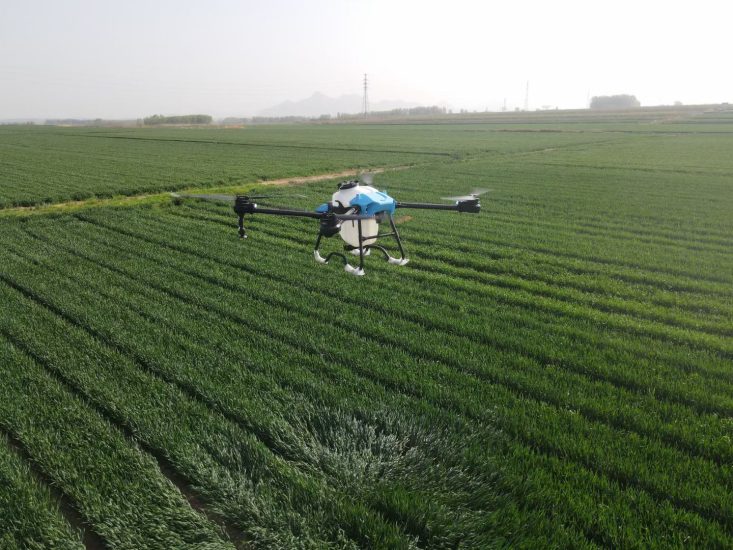
Importing agricultural drones from China can be an attractive option for farmers, agricultural service companies, distributors, equipment dealers, and businesses developing their own agricultural technology brands.
However, buying the drone is only one part of the process. International buyers also need to consider product specifications, batteries, export documentation, packaging, transportation, customs procedures, local regulations, spare parts, and after-sales support.
This guide explains the main steps involved in importing agricultural drones from China.
1. Define the Agricultural Drone You Need
Before contacting a Chinese supplier, determine the type of drone required for your business.
Important specifications may include:
- Tank capacity
- Maximum payload
- Spray width
- Flow rate
- Number of nozzles
- Flight time
- Battery capacity
- Charging system
- Navigation system
- Obstacle avoidance
- Spreading capability
- Remote-control system
The right configuration depends on the crops, farm size, terrain, operating conditions, and intended application.
A buyer should avoid selecting a model based only on tank capacity or advertised price.
2. Find a Suitable Chinese Manufacturer
Once your requirements are clear, identify manufacturers that can supply the required agricultural drone.
When evaluating a supplier, check:
- Product range
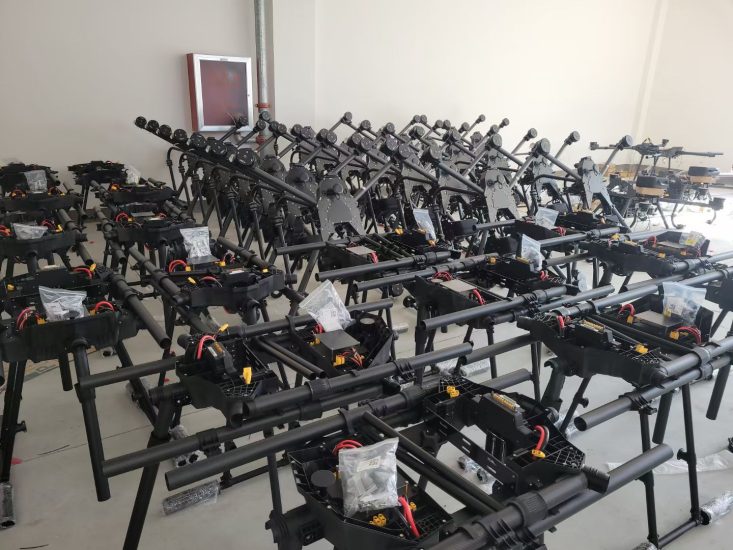
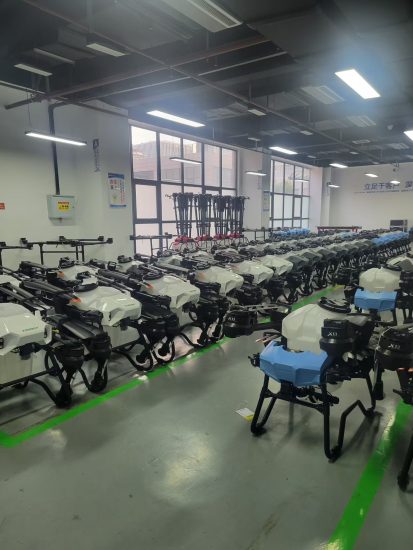
- Manufacturing capability
- Technical specifications
- Quality-control procedures
- OEM/ODM capability
- Spare-parts availability
- Warranty
- Technical support
- Production lead time
- Export experience
For a larger order, buyers may also consider requesting a sample or arranging an inspection before shipment.
3. Check Your Country’s Import Requirements
Before making a large purchase, check the rules that apply in your destination country.
Depending on the market, agricultural drones may be subject to requirements related to:
- Drone registration
- Radio equipment
- Aviation regulations
- Agricultural spraying
- Operator licensing
- Import procedures
- Product certification
- Chemical application
These requirements can vary significantly between countries.
The Chinese supplier can provide technical information about the equipment, but the importer should verify the applicable local requirements with the relevant authorities.
4. Confirm Whether the Drone Can Be Imported
Do not assume that every agricultural drone configuration can be shipped to every country in the same way.
Agricultural drones may contain:
- Lithium batteries
- Electronic equipment
- Radio communication components
- Motors
- Pumps
- Flight-control systems
The transportation and import requirements can depend on the exact configuration.
Ask the supplier for the complete product and battery specifications before arranging transportation.
5. Understand the Battery Requirements
Batteries deserve particular attention when importing agricultural drones.
Ask the manufacturer for:
- Battery model
- Battery capacity
- Battery weight
- Quantity
- Charging specifications
- Battery documentation
- Packaging information
The transportation method for drones with batteries can have additional requirements.
Before booking transportation, provide the freight provider with accurate battery information.
6. Choose the Transportation Method
The appropriate transportation method depends on the shipment size, destination, urgency, battery configuration, and applicable transportation requirements.
Common options include:
Air Freight
Air transportation can be useful when:
- The shipment is relatively small
- Delivery speed is important
- The destination has suitable air-freight services
However, battery-related transportation requirements must be confirmed in advance.
Sea Freight
Sea transportation can be suitable for:
- Larger shipments
- Multiple agricultural drones
- Bulk orders
- Buyers who can accept longer transit times
The supplier or freight forwarder can help determine an appropriate shipping method.
7. Ask for Packing Information
Before calculating freight costs, request complete packing information.
You may need:
- Number of packages
- Carton or case dimensions
- Gross weight
- Net weight
- Battery package information
- Packaging material
For larger shipments, reinforced export packaging may be appropriate.
Accurate packing information helps the freight provider calculate transportation costs.
8. Confirm the Commercial Invoice
The commercial invoice is an important document in an international shipment.
It normally contains information such as:
- Seller
- Buyer
- Product description
- Quantity
- Unit price
- Total value
- Currency
- Trade terms
- Other relevant shipment information
The exact requirements depend on the destination and customs process.
Make sure the information is consistent with the actual shipment.
9. Check the Packing List
The packing list provides information about how the shipment is packed.
It may include:
- Package quantity
- Product quantity
- Package dimensions
- Gross weight
- Net weight
- Package identification
A detailed packing list can help with customs clearance and receiving the shipment.
10. Understand Incoterms
Before ordering, confirm the agreed trade term.
Depending on the transaction, the quotation may use terms such as:
- EXW
- FOB
- CIF
- DAP
- DDP
Each term affects the responsibilities of the buyer and seller.
For example, the buyer’s responsibilities can be significantly different under EXW compared with a delivered arrangement.
Always confirm exactly what is included in the quotation.
11. Calculate the Total Import Cost
The drone’s purchase price is not the final cost.
Your total cost may include:
Product price + batteries + chargers + spare parts + packaging + inland transportation + international freight + insurance + customs-related charges + import duties/taxes + local delivery
The exact amount depends on the destination country and transaction terms.
When comparing suppliers, calculate the complete landed cost rather than comparing the drone unit price alone.
12. Understand Customs Clearance
When the shipment reaches the destination country, customs clearance may be required.
Depending on the market, customs may require information such as:
- Commercial invoice
- Packing list
- Transport documents
- Product description
- Product value
- Country of origin
- Battery information
- Other supporting documents
The buyer or appointed customs broker should confirm the exact requirements.
13. Work With a Customs Broker When Necessary
For first-time importers, working with an experienced customs broker can simplify the process.
A customs broker may assist with:
- Import declarations
- Customs documentation
- Duty and tax calculations
- Communication with customs
- Release procedures
The buyer should still understand the basic terms and costs of the transaction.
14. Check Product Classification
Agricultural drones need to be correctly classified for customs purposes.
The applicable tariff classification can depend on the product’s technical characteristics and the regulations of the destination country.
Do not simply copy a classification from another shipment.
Ask your customs broker or relevant customs authority to confirm the appropriate classification for your specific product.
15. Check Local Drone Regulations
Importing the equipment and operating the equipment are two different matters.
Even after the shipment has cleared customs, the drone may need to meet local aviation or radio requirements before operation.
Depending on the country, this can involve:
- Drone registration
- Operator registration
- Flight restrictions
- Radio-frequency requirements
- Agricultural spraying rules
- Operational permits
Importers should investigate these requirements before purchasing equipment.
16. Check Agricultural Spraying Regulations
Agricultural spraying drones may also be subject to rules concerning the application of agricultural chemicals.
Requirements may involve:
- Approved chemicals
- Operator qualifications
- Application procedures
- Environmental rules
- Buffer zones
- Record keeping
The exact requirements vary by country and agricultural application.
The drone manufacturer can explain how the equipment works, but local agricultural regulations must be checked separately.
17. Order Spare Parts With the First Shipment
International buyers may benefit from ordering important spare parts together with the first shipment.
Potential spare parts include:
- Propellers
- Motors
- Pumps
- Spray nozzles
- Pipes
- Batteries
- Chargers
- Electronic components
Having commonly needed parts available locally can reduce downtime.
This is especially important for distributors and agricultural service companies.
18. Arrange Product Training
A new agricultural drone should not simply be unpacked and operated without proper preparation.
Ask the supplier whether training materials are available.
Useful resources may include:
- User manuals
- Setup instructions
- Flight procedures
- Spraying instructions
- Battery maintenance information
- Troubleshooting guides
- Training videos
For commercial operations, operators should also understand the local rules governing drone use.
19. Consider a Pre-Shipment Inspection
For a significant order, a pre-shipment inspection may be useful.
An inspection can check items such as:
- Quantity
- Product model
- Physical condition
- Accessories
- Packaging
- Labels
- Spare parts
- Selected technical specifications
The inspection scope should be agreed before the order is placed.
20. Plan for After-Sales Service
Before importing agricultural drones, determine how technical problems will be handled after delivery.
Ask the manufacturer:
- How are warranty claims submitted?
- Can technical support be provided remotely?
- Are replacement parts available?
- How quickly can parts be shipped?
- Are repair instructions available?
- Can local technicians receive training?
After-sales planning is particularly important when the supplier and buyer are in different countries.
21. Prepare Your Import Information Before Requesting a Quote
A Chinese agricultural drone manufacturer can prepare a more useful quotation if you provide complete information.
For example:
Product: Agricultural spraying drone
Required capacity: 30L
Quantity: 10 units
Application: Commercial crop spraying
Destination: [Country and city]
Customization: Standard / OEM
Spare parts: Required
Shipping: Air / Sea
Other requirements: Training and documentation
This information allows the supplier to understand the project more clearly.
22. Common Mistakes When Importing Agricultural Drones
Mistake 1: Choosing Only by Price
A low product price does not necessarily mean a low total import cost.
Mistake 2: Ignoring Batteries
Battery transportation can affect shipping arrangements and costs.
Mistake 3: Not Checking Local Regulations
A drone that can be imported may still require registration or authorization before operation.
Mistake 4: Ordering Without Spare Parts
Waiting for replacement parts to arrive internationally can cause unnecessary downtime.
Mistake 5: Not Confirming Packaging Dimensions
Incorrect package information can lead to inaccurate freight quotations.
Mistake 6: Not Clarifying Warranty Terms
Always understand what is covered before placing the order.
Mistake 7: Ordering a Large Quantity Without Testing
If you are a new buyer, consider testing a sample or smaller shipment before committing to a larger order.
23. How MSOEN Can Help International Buyers
MSOEN provides agricultural drone solutions for international buyers looking for equipment from China.
Depending on the project, buyers can discuss:
- Agricultural spraying drones
- Different payload capacities
- Product configurations
- OEM/ODM requirements
- Spare parts
- Packaging
- International orders
- Technical information
You can visit MSOEN to explore available agricultural drone solutions.
When contacting the supplier, provide your destination country, required quantity, application, preferred capacity, and any customization requirements.
Frequently Asked Questions
Can I import agricultural drones directly from China?
Yes, international buyers can purchase agricultural drones from Chinese suppliers. However, the importer should verify local import, aviation, radio, agricultural, and transportation requirements before ordering.
Can agricultural drones with batteries be shipped internationally?
Transportation depends on the battery type, capacity, packaging, destination, and applicable transportation regulations. Confirm the battery information with the supplier and freight provider before shipment.
What documents do I need to import agricultural drones?
Requirements vary by destination. Common commercial documents may include an invoice, packing list, transport documents, and product-related information. Your customs broker can confirm the exact requirements.
Should I use air freight or sea freight?
The appropriate option depends on shipment size, urgency, destination, battery requirements, and cost. Air freight may be useful for smaller or urgent shipments, while sea freight can be suitable for larger orders.
Do I need to register an agricultural drone?
Requirements depend on the country and intended operation. Check the relevant aviation and agricultural authorities before using the drone commercially.
Should I buy spare parts with the drone?
For commercial operations, keeping commonly required spare parts available can reduce downtime and simplify maintenance.
How can I reduce the risk of an international agricultural drone purchase?
Define the specifications clearly, verify the supplier, request technical documentation, understand warranty terms, confirm transportation requirements, check local regulations, and consider testing a sample before a large order.
Conclusion
Importing agricultural drones from China requires planning beyond the initial product purchase.
International buyers should evaluate the manufacturer, product specifications, battery system, transportation method, packaging, documentation, customs procedures, local regulations, spare parts, and after-sales support before placing an order.
A well-prepared import plan can make the purchasing process more predictable and help buyers avoid unnecessary delays or unexpected costs.
If you are planning to import agricultural drones from China, prepare your destination, quantity, application, required capacity, and customization requirements before contacting a manufacturer.
MSOEN can be contacted for agricultural drone product information, configurations, OEM/ODM requirements, and international purchasing discussions.


No comments yet