



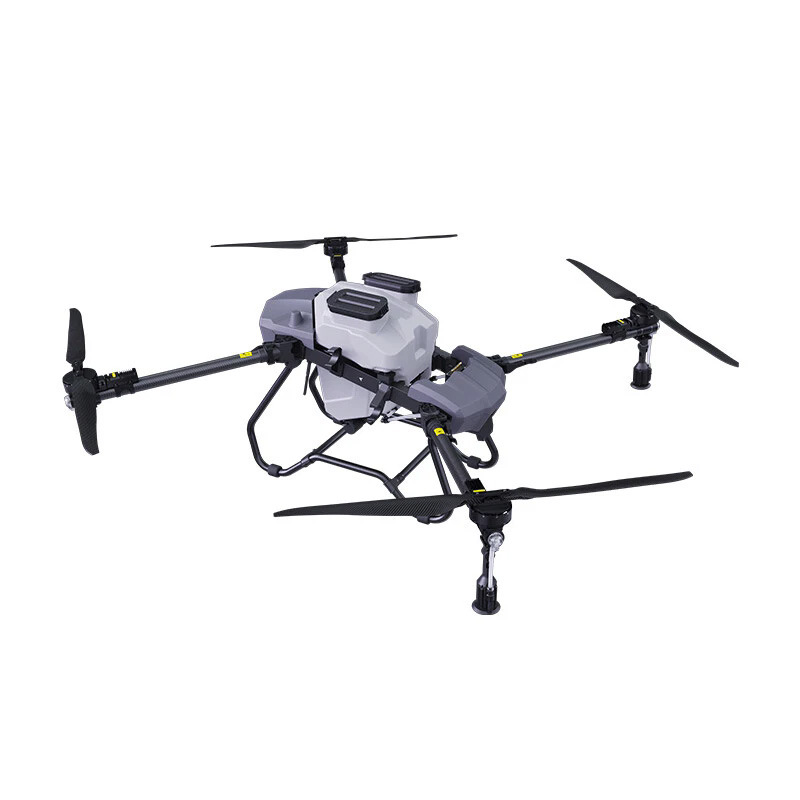
Introduction: The Intersection of Policy and Technology
In the global effort to modernize agriculture, governments and agricultural cooperatives face a dual challenge: introducing high-tech solutions while ensuring equitable access for small and medium-sized farmers. The standalone procurement of agricultural drones often presents a prohibitive financial barrier. However, the integration of National Agricultural Subsidy Catalogs, Complimentary Pilot Training, and Localized After-Sales Support creates a powerful trifecta that accelerates adoption. This article analyzes the strategic framework through which these three pillars work in synergy to transform agricultural cooperatives into hubs of technological innovation and operational excellence.
Chapter 1: The Strategic Advantage of Subsidy Catalog Inclusion
Being listed in an official agricultural machinery subsidy catalog is more than a financial incentive; it is a government endorsement of technological maturity and reliability.
1.1 De-risking the Investment for Cooperatives
For a cooperative managing hundreds or thousands of member farmers, capital expenditure decisions are subject to intense scrutiny. A subsidy program that covers 30-50% of the drone’s cost fundamentally alters the return-on-investment (ROI) calculation. It shortens the payback period from years to months, making the transition from manual spraying to aerial application a fiscally responsible decision.
1.2 Streamlining the Procurement Process
Subsidy inclusion often comes with pre-vetted compliance. Governments conduct rigorous testing on safety, environmental impact, and operational efficiency before listing a product. By choosing a subsidized model, cooperatives bypass the costly and time-consuming process of independent technical vetting. It provides an assurance of quality that satisfies both the cooperative board and the individual members.
Chapter 2: The Anatomy of Effective Pilot Training
Providing the hardware is only half the solution; ensuring the operators possess the necessary skills is paramount. Complimentary training programs are the bridge between owning a drone and operating it profitably.
2.1 Curriculum Structure: Theory to Practice
A robust training program is modular. It begins with theoretical instruction on aerodynamics, battery safety, and local aviation regulations. This progresses to simulator practice, where trainees learn to handle emergency scenarios without risking physical hardware. Finally, it culminates in supervised field operations, where participants execute real spraying missions, learning to adapt flight plans to varying crop types and weather conditions.
2.2 Building Local Expertise
The goal of training is self-sufficiency. A successful program certifies not just one or two pilots, but establishes a cadre of local experts within the cooperative. These individuals become the in-house resources for troubleshooting, maintenance, and training new members, creating a sustainable knowledge base that persists long after the initial purchase.
Chapter 3: Localized After-Sales Support – The Backbone of Reliability
Agricultural seasons are unforgiving. A drone grounded during a pest outbreak due to a lack of spare parts or technical support results in catastrophic crop loss. Localized support mitigates this risk.
3.1 Proximity and Response Time
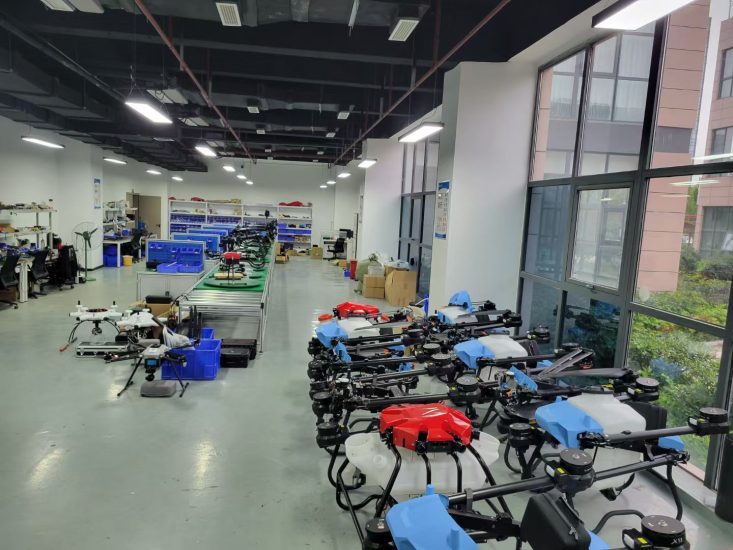
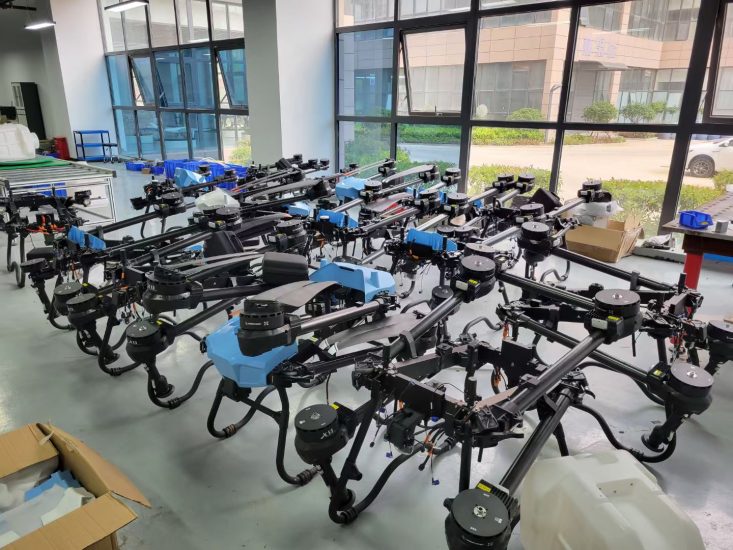
Localized support means having a service center within a reasonable distance of the cooperative. This ensures that critical repairs can be completed within hours or days, not weeks. It also facilitates rapid access to consumables like propellers, nozzles, and batteries, minimizing downtime during peak season.
3.2 On-Site Technical Assistance
Beyond fixing broken parts, localized support includes agronomic consulting. Technicians assist cooperatives in calibrating spray volumes for specific crops, diagnosing flight anomalies through log analysis, and optimizing flight paths for maximum efficiency. This consultative approach ensures the technology delivers its full agronomic potential.
Chapter 4: Implementation Framework for Cooperatives
Integrating subsidized drones into a cooperative structure requires a systematic approach.
4.1 Formation of a Drone Service Team
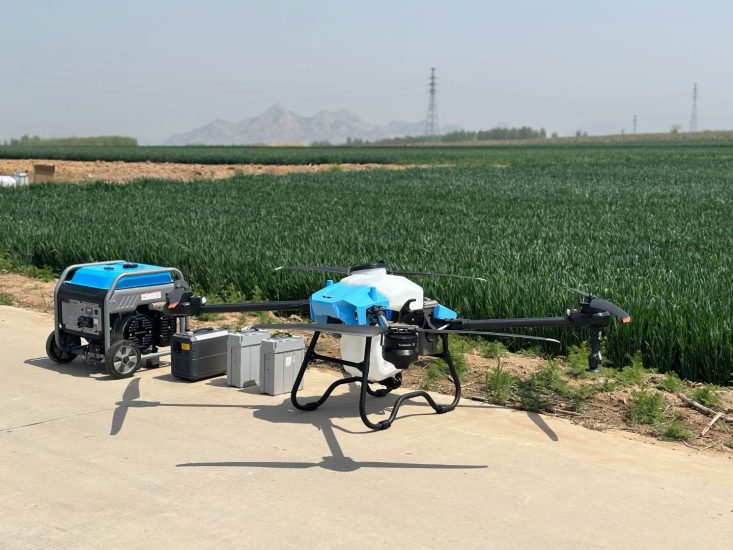
Rather than selling drones to individual farmers, many cooperatives opt to form a centralized drone service team. This team owns and operates the drones, providing spraying services to members for a nominal fee. This model ensures high utilization rates for the equipment and professional-grade application for all members, regardless of their individual technical aptitude.
4.2 Data Management and Reporting
Modern drones collect vast amounts of data, including area covered, chemicals applied, and flight logs. Cooperatives can leverage this data for transparent billing, regulatory compliance reporting, and yield analysis. This data-driven approach enhances the cooperative’s credibility with both its members and government oversight bodies.
Chapter 5: Case Study – The Wheat Belt Cooperative
Consider a hypothetical cooperative in a major wheat-producing region managing 50,000 acres.
5.1 Pre-Implementation Challenges
The cooperative struggled with labor shortages during the critical fungicide application window. Manual spraying was slow, and contract aerial services were expensive and often unavailable during peak demand.
5.2 The Subsidized Solution
The cooperative acquired a fleet of 10 subsidized drones. The government subsidy covered 40% of the cost. The manufacturer provided complimentary training for 15 members, creating a pool of certified pilots.
5.3 Results and Impact
The drone fleet completed the fungicide application in 10 days, compared to the 30 days required previously. The precision application reduced pesticide use by 15%, lowering costs and environmental impact. The cooperative’s service team generated revenue by offering spraying services to neighboring farms, further offsetting the initial investment.
Chapter 6: Economic and Social Impact
The benefits of this integrated approach extend beyond the balance sheet.
6.1 Youth Engagement and Rural Employment
Operating drones is a technologically engaging profession that attracts younger generations back to agriculture. It transforms the perception of farming from manual labor to skilled technical work, helping to reverse rural depopulation trends.
6.2 Enhanced Food Security
By enabling timely and precise crop protection, these programs directly contribute to higher yields and improved food security. Healthier crops lead to better quality produce and increased income for farming families.
Chapter 7: Navigating Regulatory Compliance
Subsidized programs come with regulatory responsibilities.
7.1 Record Keeping and Audits
Governments require proof that subsidized equipment is being used for its intended purpose. Cooperatives must maintain meticulous records of flight operations, chemical usage, and maintenance schedules to comply with audit requirements and retain eligibility for future funding.
7.2 Safety Standards and Insurance
Proper training ensures compliance with aviation safety standards. Many subsidy programs also facilitate access to specialized agricultural drone insurance, protecting the cooperative’s asset against accidents, theft, or damage.
Chapter 8: The Future of Cooperative-Led Tech Adoption
The success of drone programs paves the way for broader technological integration.
8.1 Expansion to Other Technologies
Once a cooperative masters drone technology, it is better positioned to adopt other smart farming tools, such as soil sensors, automated irrigation systems, and yield monitors. The drone becomes the entry point to a fully digitized agricultural operation.
8.2 Policy Advocacy
Successful cooperatives become powerful advocates for continued government support. Their data on yield improvements and cost savings provides policymakers with concrete evidence to justify expanding subsidy programs and investing in rural infrastructure.
Conclusion: A Model for Sustainable Agricultural Transformation
The combination of Subsidy Catalog Inclusion, Complimentary Training, and Localized Support is the most effective model for driving agricultural modernization at scale. It removes the financial barriers, builds essential human capacity, and ensures operational reliability. For agricultural cooperatives, this approach is not merely about acquiring new equipment; it is about securing a prosperous, technologically advanced, and sustainable future for their members. By embracing this trifecta, cooperatives transition from traditional farming organizations into dynamic centers of agri-tech innovation, ensuring they remain competitive in the global food system.
THE END


No comments yet