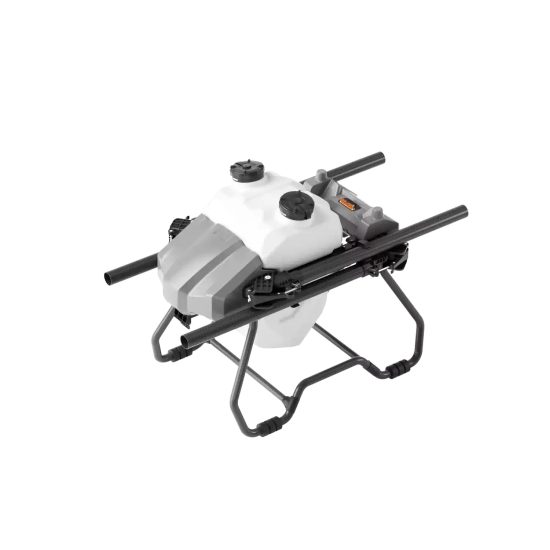



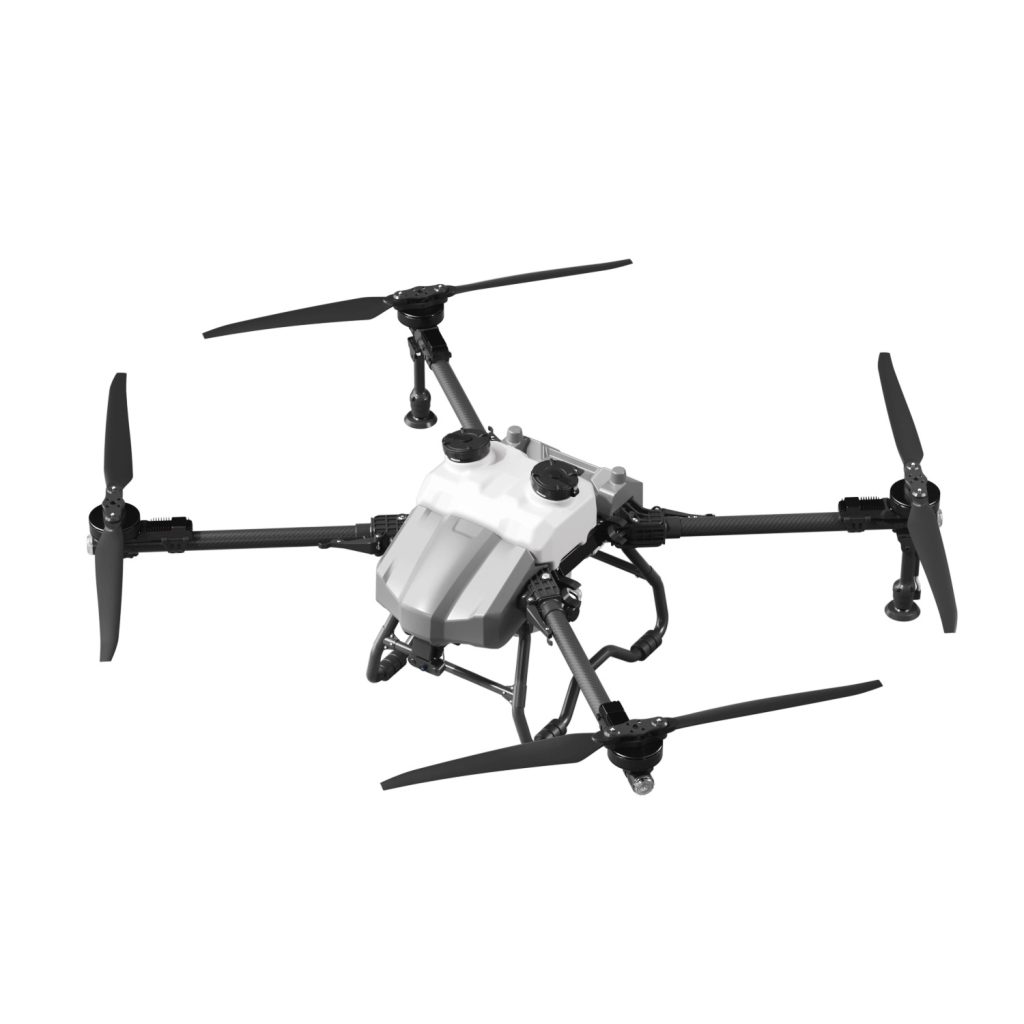
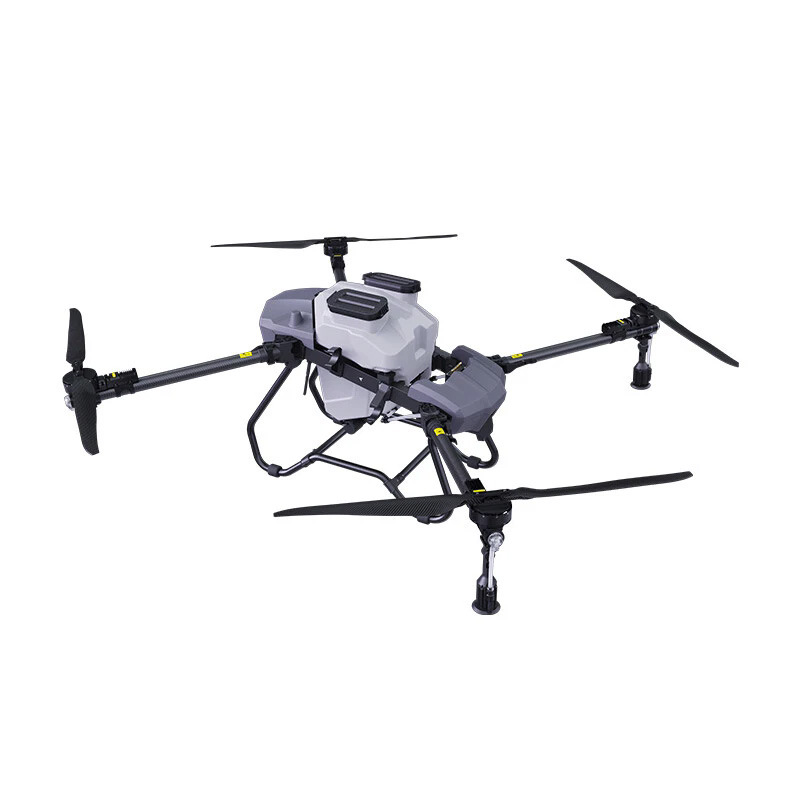

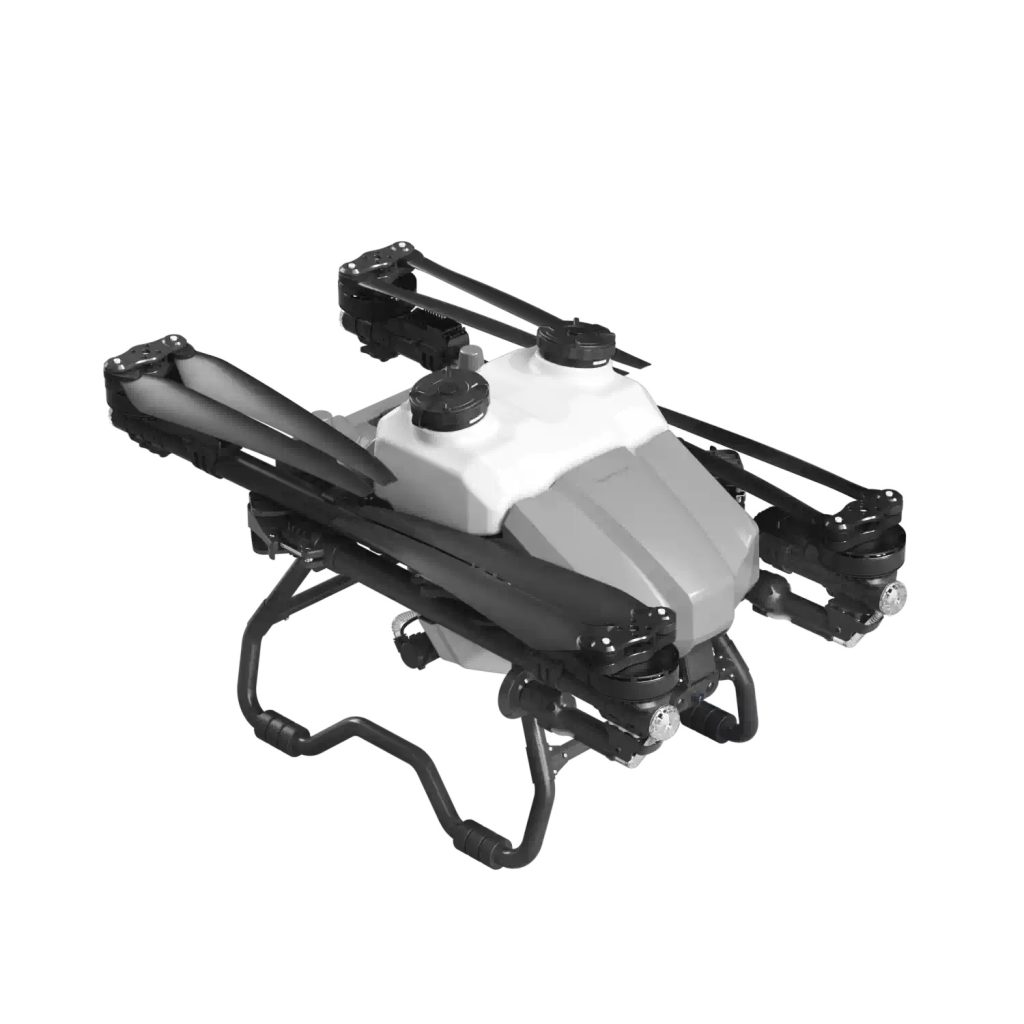
In the evolving calculus of modern agriculture, the transition from single-purpose tools to multi-functional platforms represents the most significant leap in operational efficiency since the advent of the combine harvester. For the contemporary farm manager, contractor, or agribusiness entrepreneur, the question is no longer whether to adopt drone technology, but how to maximize the utility of every piece of capital equipment. This article provides a deep technical and economic analysis of the heavy-payload agricultural drone, specifically focusing on its transformative capabilities in spreading fertilizer and seed. We will explore how a single, robust machine evolves from a seasonal spraying tool into a year-round revenue-generating asset, fundamentally altering the mathematics of return on investment (ROI).
The Engineering of Versatility: Beyond Simple Liquid Spraying
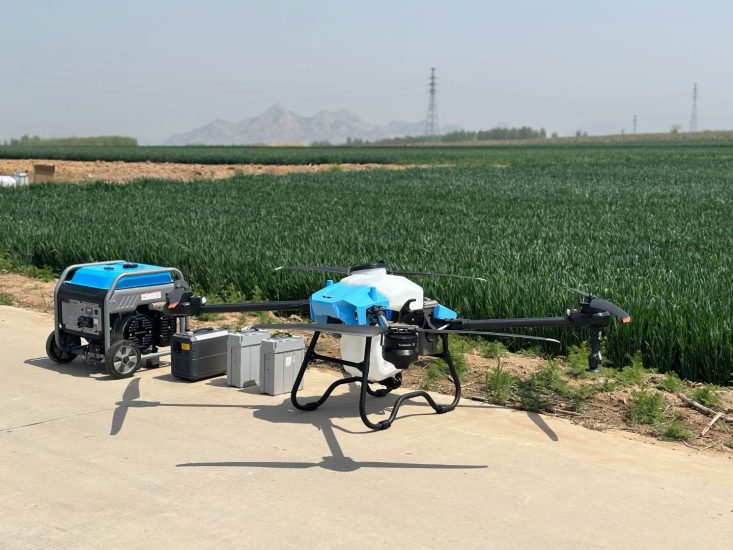
A heavy-payload drone designed for solids (granular fertilizer, seeds) requires a fundamentally different engineering approach than a standard liquid sprayer. The mechanical stresses, material flow dynamics, and flight characteristics are unique.
Structural Integrity and Payload Capacity
The term “heavy-payload” refers to a structural design philosophy. These airframes are constructed from high-modulus carbon fiber and aviation-grade aluminum alloys, not merely for weight savings, but for torsional rigidity. When carrying 40, 50, or even 60 liters of granular material, the center of gravity shifts dynamically during flight. The drone’s flight controller must compensate for this changing mass in real-time. This requires high-frequency IMU (Inertial Measurement Unit) updates and advanced PID (Proportional-Integral-Derivative) tuning to maintain stability during acceleration and deceleration. The landing gear is reinforced and often elevated to accommodate large hoppers and to provide clearance for rough terrain during takeoff and landing.
The Mechanics of Granular Dispersal
The core of the multi-functional drone is its spreading system. Unlike liquid nozzles, a granular spreader relies on a high-torque, brushless spinning disc or auger system.
-
The Spinner Disc: Precision-machined with variable pitch vanes to control the spread radius. The rotational speed of the disc is synchronized with the drone’s ground speed to ensure a consistent application rate per hectare.
-
Flow Control: The gate mechanism that regulates the flow of material from the hopper to the disc is critical. It must be calibrated to handle a wide range of particle sizes, from fine grass seeds to coarse urea prills, without clogging or pulsing. This is achieved through servo-driven actuators that offer micron-level precision in gate aperture.
Material Science: Combating Corrosion
Granular fertilizers, particularly urea and ammonium nitrate, are hygroscopic and highly corrosive. The hopper and spreading mechanisms are constructed from specialized polymers or stainless steel alloys that resist chemical degradation. Internal coatings are applied to electronic compartments to prevent ammonia gas, which can off-gas from fertilizers, from corroding circuit boards.
The Multi-Functional Workflow: A Year-Round Asset
The primary reason this class of drone offers a “rapid return on investment” is its ability to eliminate downtime. A standard spraying drone is often idle outside of the growing season. A heavy-payload, multi-functional drone works year-round.
Phase 1: Early Season – Planting and Seeding
The drone transforms into a precision aerial seeding platform.
-
Rice Broadcasting: In rice cultivation, broadcasting seeds via drone is replacing traditional manual transplanting. The drone can cover hundreds of acres in a day, dropping seeds directly into flooded paddies, reducing labor costs by over 90%.
-
Cover Cropping: Planting cover crops (such as clover or rye) in between rows of standing cash crops (like corn or soybeans) is impossible for ground machinery without causing damage. The drone flies above the canopy, spreading seed directly to the soil surface, enhancing soil health and preventing erosion.
-
Re-seeding: For pastures or hayfields damaged by drought or pests, the drone provides a rapid method for overseeding without the need for tillage.
Phase 2: Mid-Season – Fertilization and Top-Dressing
This is where the heavy-payload capacity shines. Traditional liquid fertilization is limited by tank capacity and mixing time. Solid spreading allows for the application of high-analysis fertilizers (like Potassium Chloride or MAP) directly.
-
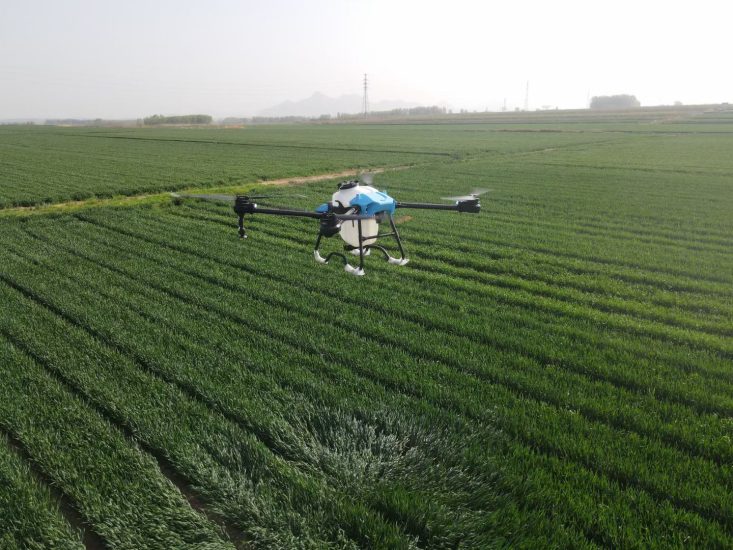
Top-Dressing: Applying nitrogen fertilizer to tall-standing corn or wheat. Ground rigs would cause significant stalk lodging and yield loss. The drone applies the fertilizer with zero soil compaction and zero crop damage.
-
Micro-Granular Application: The precise spreader can handle expensive micro-granular products (like biological inoculants or trace minerals) with minimal waste, ensuring that high-value inputs are placed exactly where needed.
Phase 3: Late Season – Crop Protection
While the primary focus is solids, these machines are equipped with a dual-tank system. The same airframe that spread fertilizer in the morning can be rinsed and fitted with liquid tanks to apply fungicides or defoliants in the afternoon. This flexibility ensures the drone is never idle.
Economic Modeling: The Path to Rapid ROI
To understand why these machines are considered “return on investment tools,” we must construct a detailed economic model comparing them to traditional methods.
Revenue Generation Through Custom Application
The business model for a heavy-payload drone is often based on custom application fees.
-
Seeding Rate: Charging per acre for aerial seeding.
-
Fertilizer Spreading Rate: Charging per pound or per acre for spreading granular fertilizer.
-
Spraying Rate: Charging per acre for liquid applications.
By combining these three revenue streams, a single drone can generate income for 8 to 10 months of the year, compared to the 3 to 4 months of a single-purpose machine.
Cost Reduction: The Elimination of Soil Compaction
Soil compaction is a hidden cost in agriculture that reduces yield by restricting root growth and water infiltration. A 50-pound drone exerts negligible ground pressure compared to a 30,000-pound tractor. Over 1,000 acres, the yield loss prevented by avoiding compaction can be quantified in thousands of bushels, directly impacting the bottom line.
Labor Efficiency
A heavy-payload drone requires a crew of two: a pilot and a ground loader. To spread 800 acres of fertilizer, a ground spreader would require a driver, a support vehicle for refilling, and significantly more time. The drone achieves the same task in a fraction of the time with a fraction of the labor.
The Math of Payback
Consider the capital expenditure. While the initial investment in a heavy-payload drone is significant, the payback period is compressed by multi-functionality.
-
Spring: Charge for cover crop seeding and pre-emergent fertilizer spreading.
-
Summer: Charge for top-dressing and pesticide applications.
-
Fall: Charge for post-harvest fertilizer application and pasture renovation.
-
Winter: Charge for spreading lime or gypsum on frozen ground (a task impossible for ground rigs).
When revenue is generated across four seasons, the point of breaking even shifts from years to months.
Technical Deep Dive: Calibration and Accuracy
A common misconception is that spreading solids from a drone is imprecise. Modern heavy-payload drones utilize technology to ensure accuracy rivaling ground equipment.
Variable Rate Application (VRA)
The drone integrates with GPS and GIS data. Using prescription maps created from soil tests or yield maps, the drone automatically adjusts the spinner speed and gate aperture on the fly. If the map indicates a zone requires 200 lbs per acre of fertilizer, the drone delivers exactly that. In low-fertility zones, it reduces the rate. This prevents over-application, saving thousands of dollars in input costs.
Swath Control and Overlap Management
Advanced flight controllers utilize RTK (Real-Time Kinematic) positioning for centimeter-level accuracy. This allows for automatic swath control. As the drone crosses into an area already treated, the spreader automatically shuts off. This eliminates double-spreading, which is a major source of waste in traditional broadcasting.
Wind Drift Management
Spreading light seeds or fine fertilizer prills is challenging in windy conditions. High-end drones use propeller downwash to drive the material down into the canopy. By adjusting the angle of attack and flight speed, the operator can control the trajectory of the granules, minimizing off-target drift.
Maintenance and Durability: Built for Industrial Punishment
A machine that spreads corrosive fertilizer and abrasive seeds must be designed for durability.
The Cleaning Protocol
Maintenance is simplified through intelligent design. Hoppers are designed with smooth, sloped interiors to prevent material buildup. Quick-release mechanisms allow the entire spreading assembly to be removed in minutes for thorough cleaning, preventing cross-contamination between different chemicals or seed types.
Bearing and Seal Technology
The spinning disc assembly is the heart of the system. It utilizes sealed, high-speed bearings that are rated for continuous operation in dusty and dirty environments. The seals are designed to prevent fine particulate matter from entering the motor housing, which is the primary cause of failure in cheaper spreader systems.
The Strategic Advantage: Risk Mitigation
Beyond economics, the multi-functional drone provides strategic risk mitigation for the farm.
Timeliness
In agriculture, “timeliness” is a proxy for “yield.” A late fertilizer application is a wasted application. The ability to spread 800 acres of urea in a single day ensures that the crop receives nutrients at the exact physiological moment of need, regardless of soil moisture conditions that would prevent a ground rig from entering the field.
Access to Inaccessible Land
Steep slopes, wetlands, and terraced fields are often left unmanaged because ground equipment cannot safely operate there. The drone provides access to this marginal land, turning unproductive acres into productive ones.
Conclusion: The Future is Multi-Functional
The heavy-payload agricultural drone is more than a tool; it is a shift in the operational paradigm of the farm. By combining the roles of a seeder, a fertilizer spreader, and a crop sprayer into a single, robust platform, it addresses the three biggest challenges in modern agriculture: labor scarcity, soil compaction, and input efficiency. For the investor, it is the ultimate “return on investment tool” because it refuses to be a seasonal asset. It works when the ground is too wet, when the crop is too tall, and when the windows of opportunity are narrow. In the high-stakes game of modern farming, this multi-functional capability is not just an advantage; it is the new standard for profitability.
THE END


No comments yet