

The Future of Agriculture: Drones and Crop Monitoring
Introduction
Agriculture, one of humanity’s oldest industries, is undergoing a profound transformation. For centuries, farmers relied on traditional methods, intuition, and manual labor to cultivate crops. Today, technology is reshaping the sector, and among the most significant innovations are drones and advanced crop monitoring systems. These tools are not only improving efficiency and productivity but also paving the way for sustainable, precision agriculture.
The future of farming is no longer just about planting seeds and harvesting; it’s about data, real-time monitoring, and intelligent decision-making. Drones—small, unmanned aerial vehicles equipped with cameras, sensors, and AI-driven analysis—are at the forefront of this revolution.
1. The Emergence of Drones in Agriculture
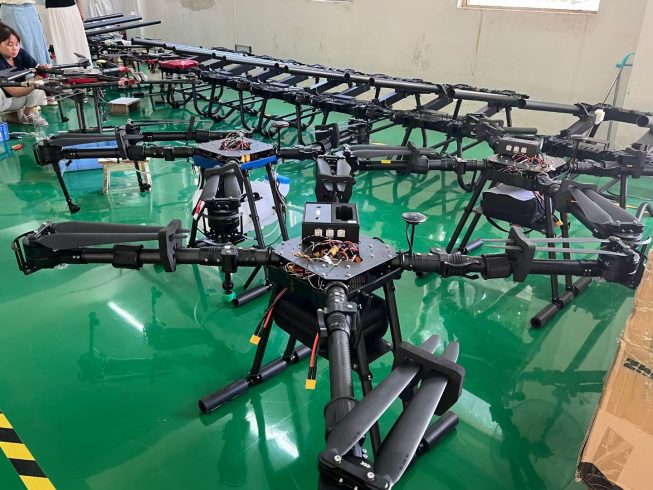
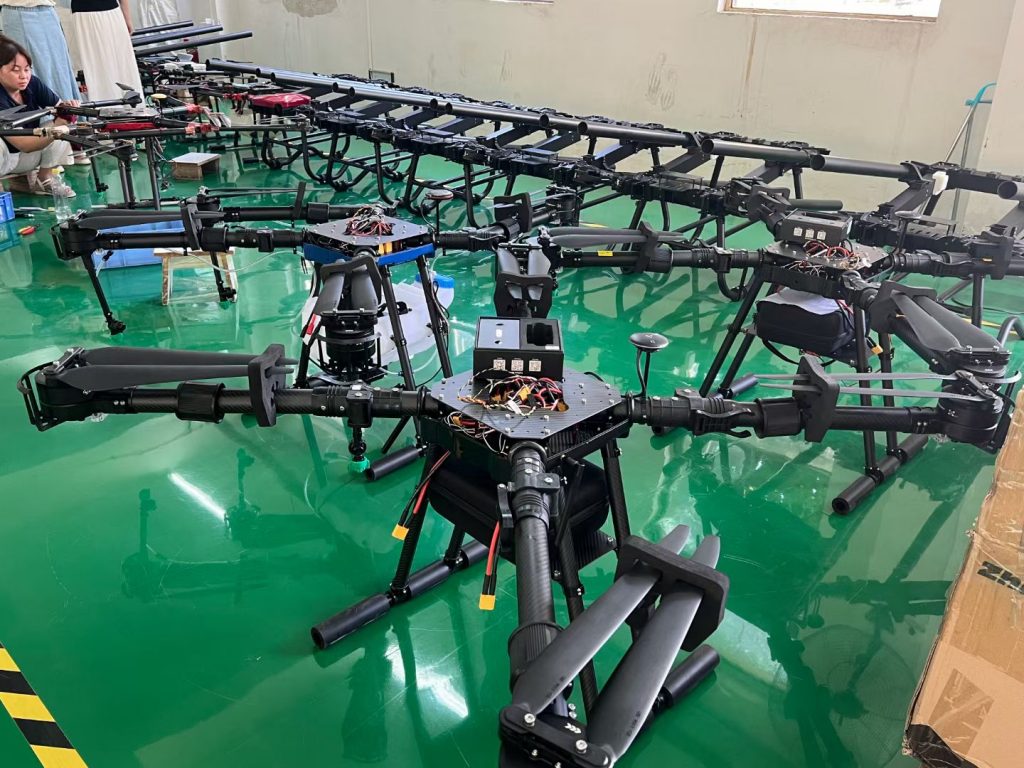
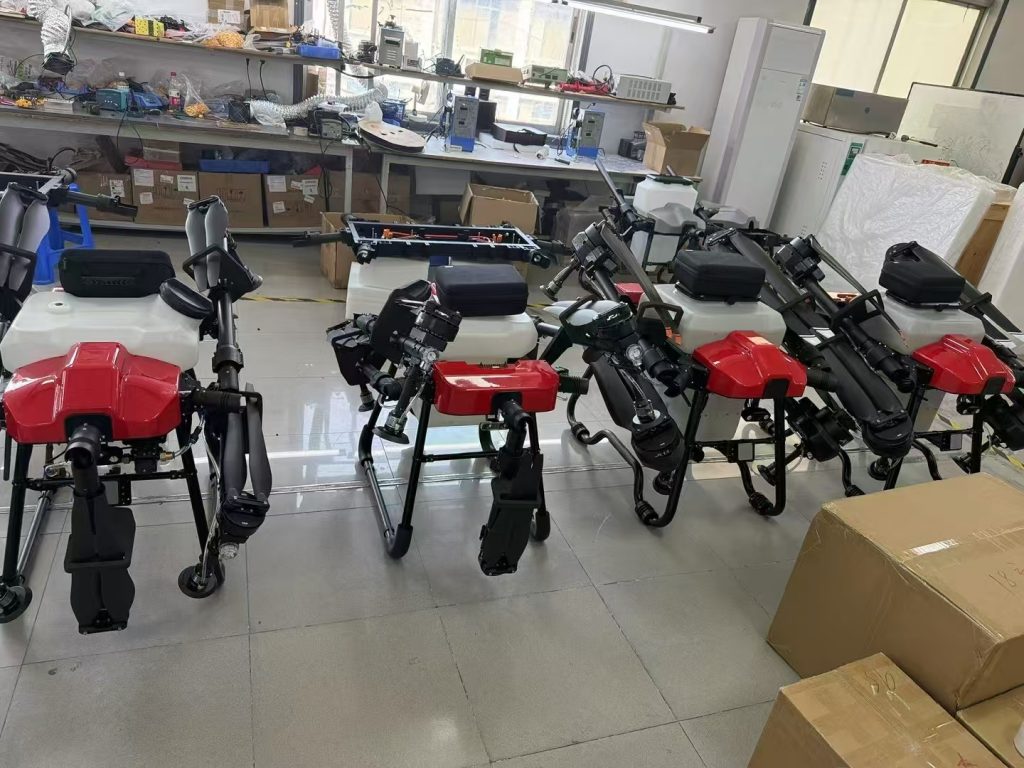
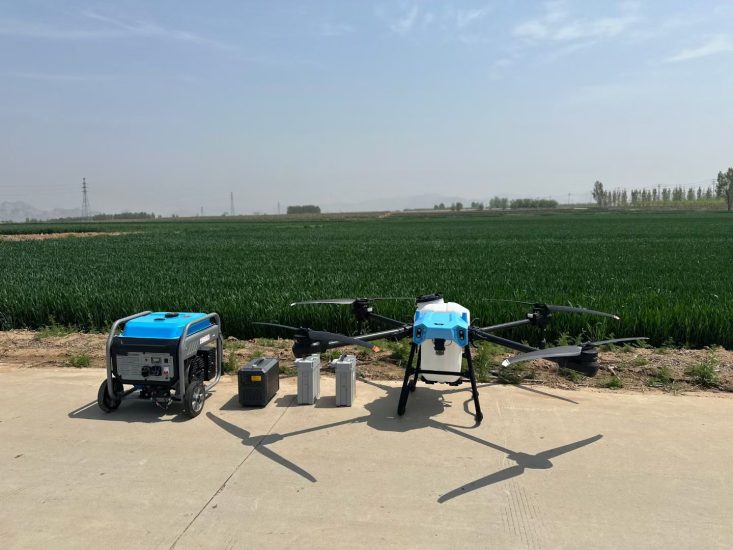
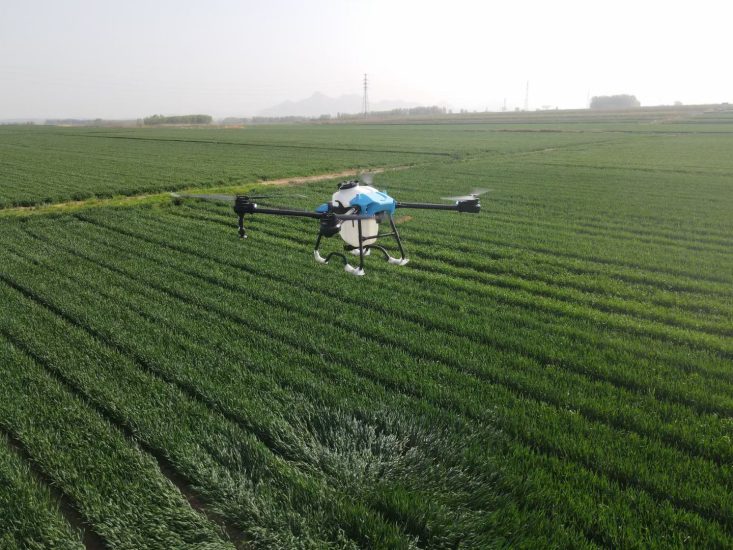
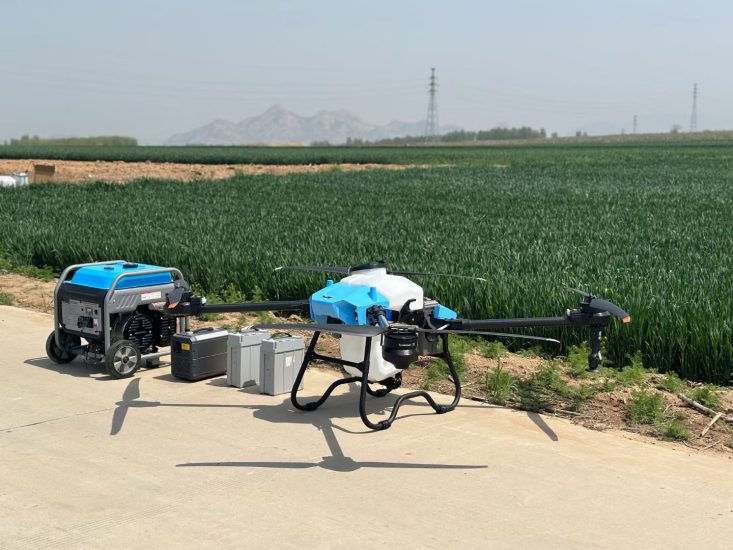
Drones, once primarily associated with military or recreational use, have found a unique niche in modern agriculture. They can cover large areas of farmland in hours, gathering precise information that previously took days or even weeks to collect.
1.1 How Agricultural Drones Work
Agricultural drones are equipped with specialized tools:
- Multispectral Cameras: Capture data beyond visible light, enabling farmers to assess plant health, detect diseases, and identify nutrient deficiencies.
- Thermal Sensors: Measure temperature variations in soil and crops, which helps detect irrigation problems or stressed plants.
- LiDAR and 3D Mapping Tools: Create detailed topographical maps to guide planting and irrigation strategies.
These drones can fly autonomously, following pre-programmed flight paths to ensure complete coverage of the farmland. The data they collect is then analyzed using AI software to provide actionable insights.
1.2 Advantages of Drone Technology
The benefits of drones in agriculture are numerous:
- Efficiency: Drones can inspect hundreds of acres in a fraction of the time it takes traditional methods.
- Accuracy: High-resolution imaging allows farmers to detect problems early, often before they are visible to the naked eye.
- Cost Savings: By identifying precise areas needing attention, farmers can reduce waste of fertilizers, water, and pesticides.
- Sustainability: Targeted interventions reduce the environmental impact of farming and improve soil health.
2. Crop Monitoring: From Manual to Precision
Monitoring crops has always been a critical aspect of farming. In traditional agriculture, farmers walked their fields, checked for pests, diseases, and growth rates, and made decisions based on observation and experience. While effective, this approach is time-consuming and often lacks precision.
2.1 Modern Crop Monitoring Techniques
The combination of drones, satellite imagery, and IoT (Internet of Things) devices has created a new era of precision agriculture:
- NDVI (Normalized Difference Vegetation Index): A key metric derived from multispectral imagery that indicates plant health and vigor.
- Soil Moisture Sensors: Embedded in the ground to provide real-time data on irrigation needs.
- Automated Alerts: AI systems notify farmers instantly about changes in plant health or soil conditions.
These technologies allow farmers to make data-driven decisions, improving yield quality and quantity while reducing resource use.
2.2 Early Detection of Pests and Diseases
One of the most critical applications of drone-assisted crop monitoring is early detection of pests and diseases. Traditional detection often occurs after damage has already affected productivity. Drones can identify subtle changes in leaf color, temperature, or canopy density, enabling early interventions that prevent widespread crop loss.
3. Case Studies: Drones in Action
3.1 Vineyards in Europe
In vineyards across Spain and France, drones are used to monitor grape quality and detect fungal infections early. Multispectral imaging allows vintners to apply fungicides only where needed, reducing chemical use and improving the taste of the grapes.
3.2 Rice Farms in Asia
In Southeast Asia, rice farmers use drones for field mapping and water management. Thermal imaging identifies areas of water stress, allowing precise irrigation scheduling. This approach has increased yield while conserving water in regions facing drought challenges.
3.3 Large-Scale Grain Production in the United States
U.S. corn and wheat producers employ drones to scan thousands of acres. AI-powered analysis identifies nutrient deficiencies and soil compaction, enabling timely fertilizer application and soil improvement. The result is higher yields and lower operational costs.
4. The Integration of AI and Big Data
Drones generate vast amounts of data, but raw data alone is not enough. Artificial intelligence (AI) and machine learning transform this information into actionable insights.
4.1 Predictive Analytics
By analyzing historical and real-time data, AI can predict crop growth patterns, potential disease outbreaks, and optimal harvest times. Farmers can plan interventions before issues escalate, reducing losses and increasing efficiency.
4.2 Farm Management Platforms
Integrated software platforms combine drone imagery, weather forecasts, soil data, and market trends into a single interface. Farmers can monitor fields from a smartphone or computer, track progress, and make informed decisions. This level of connectivity is revolutionizing the scale and speed of modern agriculture.
5. Challenges and Considerations
While drone technology is promising, its adoption comes with challenges:
- High Initial Costs: Advanced drones and sensors require significant investment, which can be a barrier for small-scale farmers.
- Regulations: Airspace rules and licensing requirements vary by country, impacting drone operations.
- Data Management: The sheer volume of data requires robust storage, analysis tools, and technical expertise.
- Training Needs: Farmers must learn to operate drones and interpret data, requiring education and support.
Despite these challenges, the long-term benefits of precision agriculture make the investment worthwhile, especially when supported by government programs and agricultural cooperatives.
6. Sustainability and Environmental Impact
Drones and crop monitoring contribute significantly to sustainable agriculture. By optimizing irrigation, reducing pesticide use, and applying fertilizers only where needed, farmers minimize environmental impact. Precision agriculture also reduces soil degradation and water overuse, making farming more resilient to climate change.
Moreover, drones reduce the carbon footprint associated with traditional scouting methods, which often involve tractors or manual field inspections. This efficiency aligns agriculture with global sustainability goals and creates more eco-friendly farming systems.
7. Future Trends in Drone-Assisted Agriculture
The future of agriculture is intertwined with emerging technologies:
7.1 Swarm Drones
Researchers are developing coordinated “swarm” drones capable of covering entire farms simultaneously. These drones can communicate with each other, automatically dividing tasks such as spraying, monitoring, and mapping.
7.2 Integration with Robotics
Drones will increasingly work alongside ground-based agricultural robots, creating fully automated farms. Drones may identify problem areas, while robots execute targeted interventions.
7.3 AI-Driven Autonomous Farms
In the long-term, farms may operate almost autonomously, with drones, sensors, and AI systems managing planting, irrigation, and pest control. Farmers would shift to supervisory and strategic roles, using technology to maximize efficiency and yield.
8. Conclusion
Drones and crop monitoring are not just innovations—they are reshaping the very nature of agriculture. They provide farmers with the tools to work smarter, optimize resources, and respond proactively to environmental and economic challenges.
By combining aerial imaging, AI analytics, and precision interventions, modern agriculture becomes more productive, sustainable, and resilient. As adoption grows worldwide, drones will continue to empower farmers, improve food security, and transform rural economies.
The future of agriculture is airborne, data-driven, and intelligent. Those who embrace drone technology today will lead the farms of tomorrow.


No comments yet