


Introduction: The New Era of Agri-Tech Export
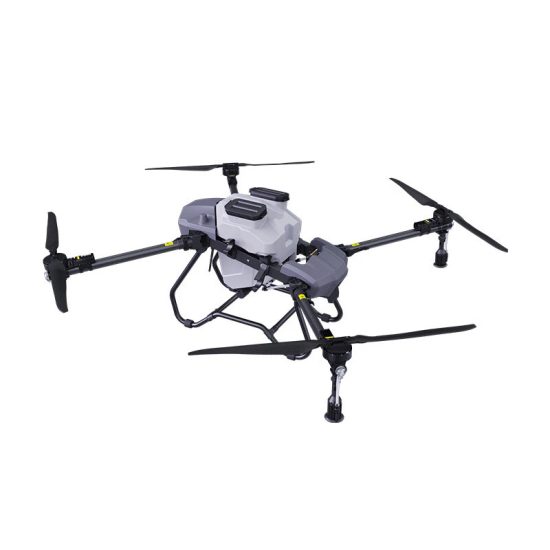
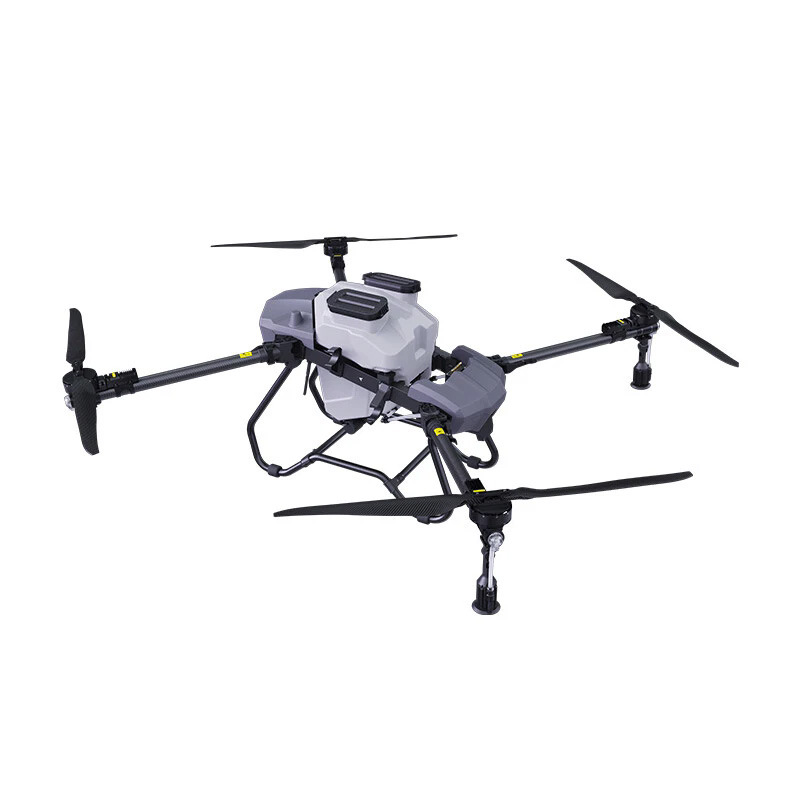
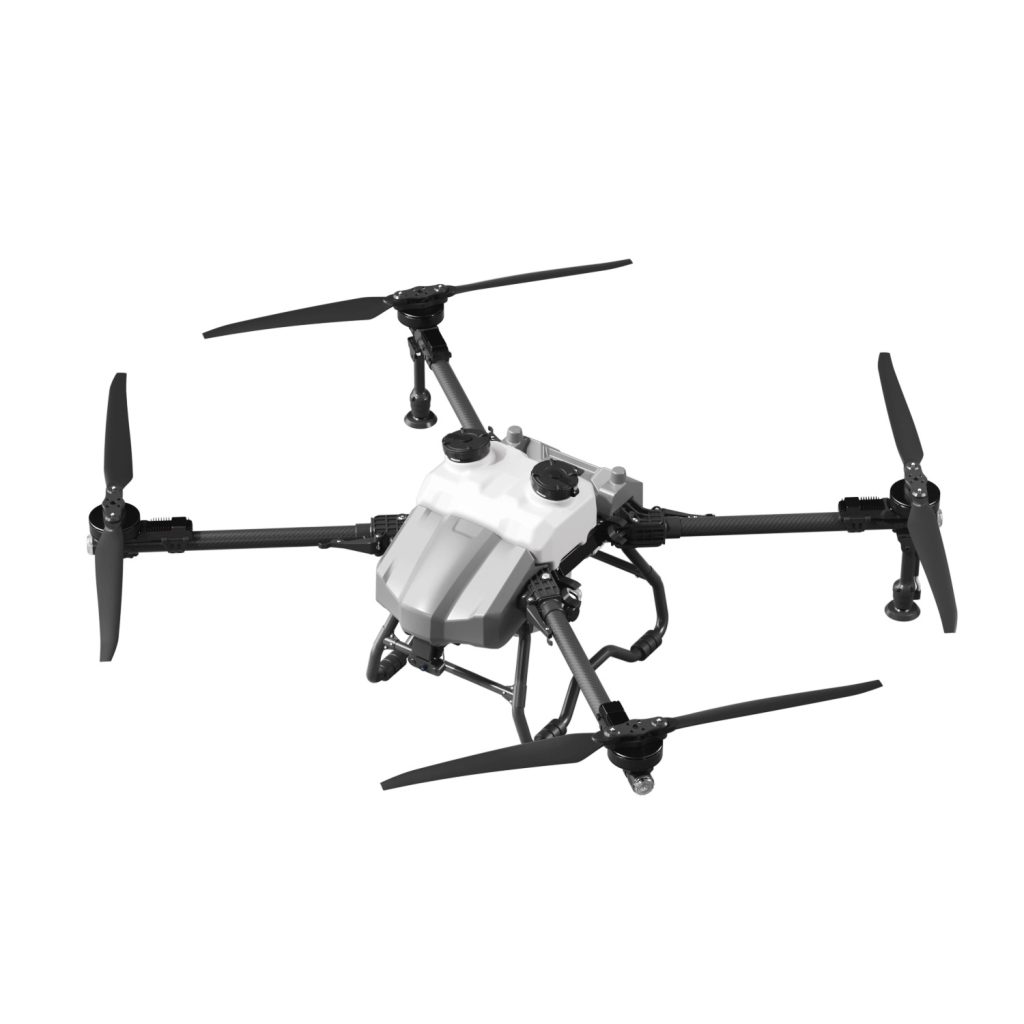
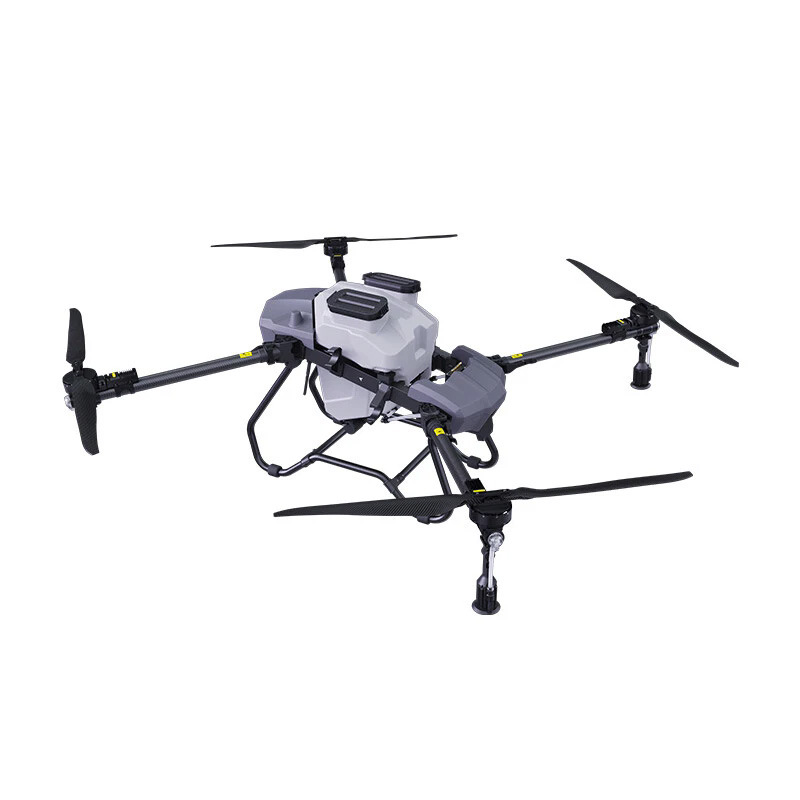
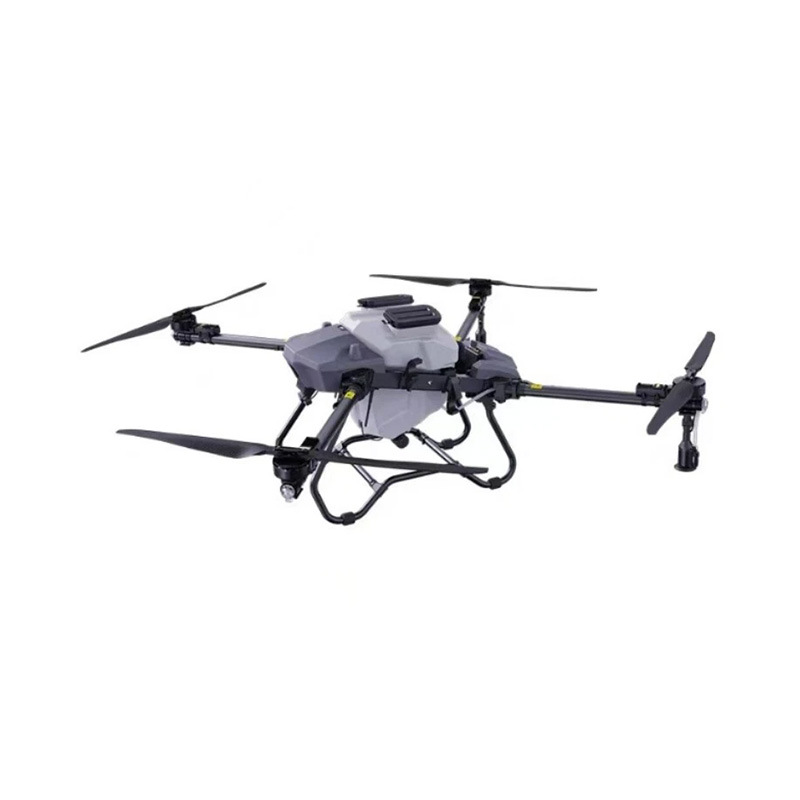
The global agricultural drone market is experiencing exponential growth, driven by the universal need for food security and resource efficiency. For manufacturers and exporters, the challenge is no longer about building a superior machine, but about successfully navigating the complex web of international trade, logistics, and regulatory compliance. The 30L Agricultural Sprayer Drone, configured with GPS Autopilot and IP67 Waterproofing, represents the gold standard for export-oriented agri-tech. This article provides a definitive guide for B2B exporters on how to position, package, and deliver this high-capacity UAV to international markets, ensuring compliance, profitability, and customer satisfaction.
Chapter 1: Deconstructing the 30L Advantage in Global Context
The 30-liter payload is the sweet spot for commercial agricultural operations worldwide. It balances raw power with practical logistics, making it the preferred choice for medium to large-scale farms from the Ukraine to Brazil.
1.1 The Economics of Scale
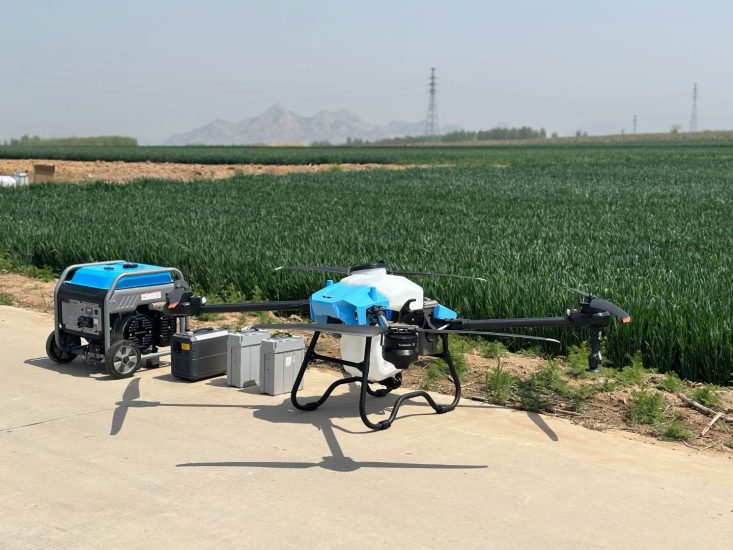
Unlike smaller consumer-grade drones, the 30L platform is a commercial workhorse. With a typical flight time of 15-20 minutes and a coverage rate of 15-20 acres per hour, this drone significantly reduces the cost-per-acre. For international buyers, the ROI is calculated not just on spray efficiency, but on the reduction of labor hours. A single 30L drone can replace the workload of 15 manual laborers, a compelling argument in regions facing rural labor shortages.
1.2 Structural Integrity for Shipping
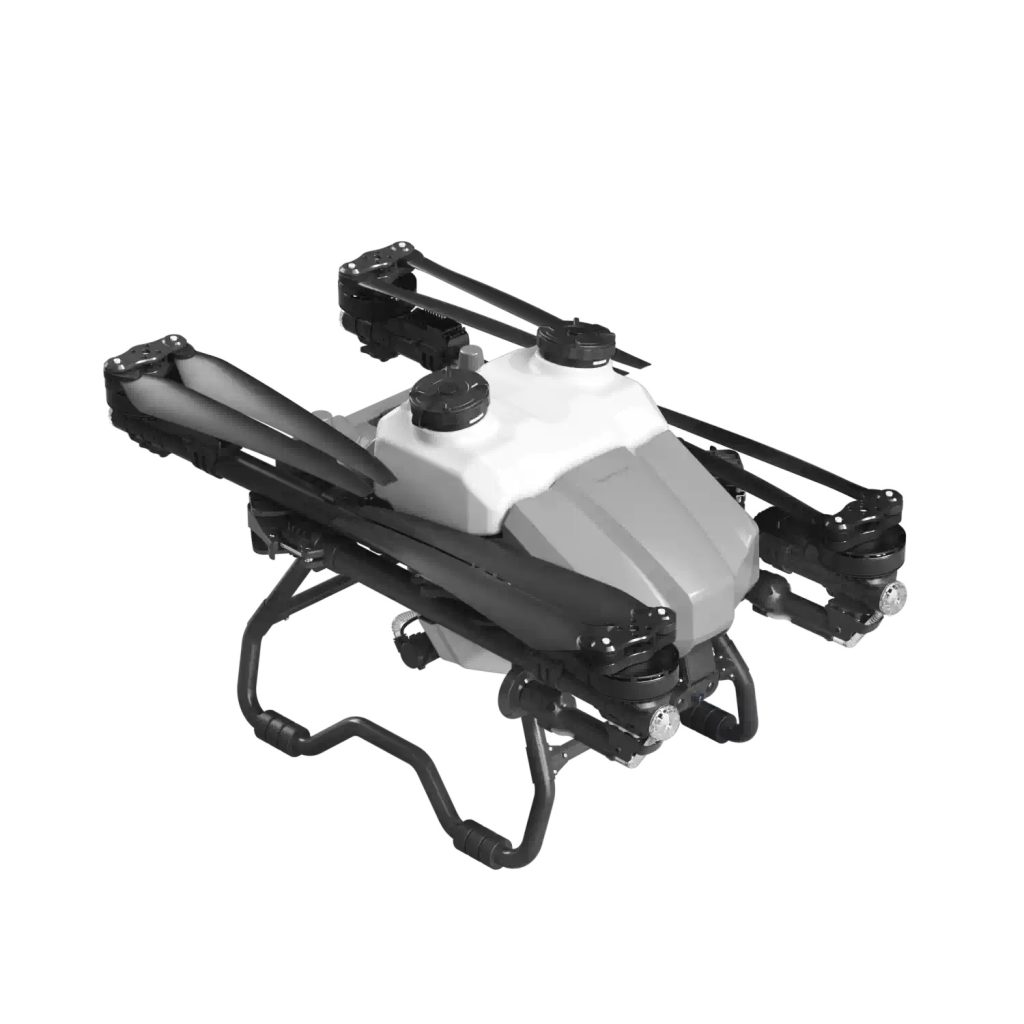
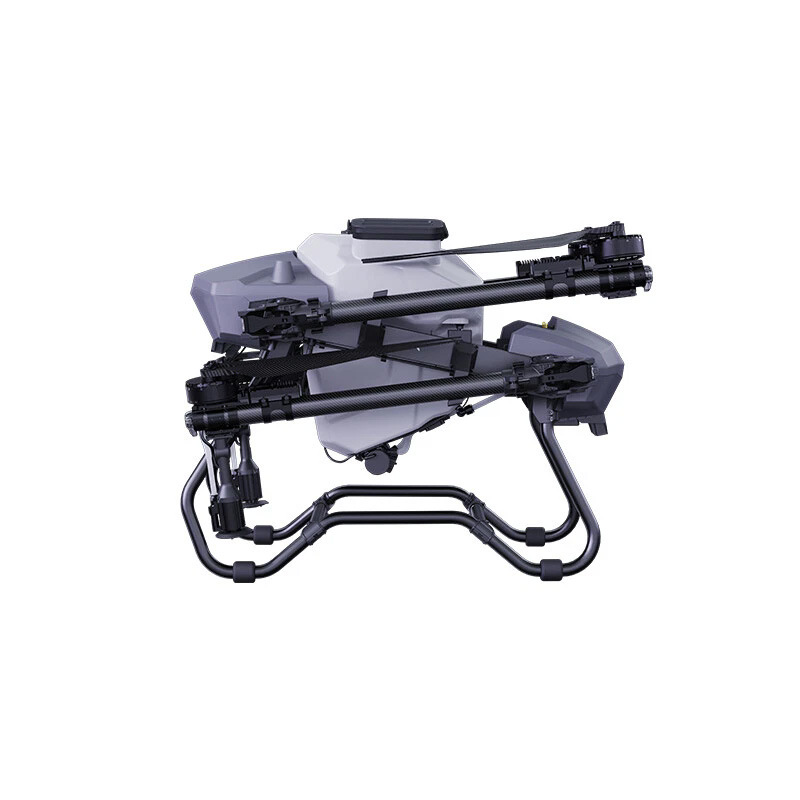
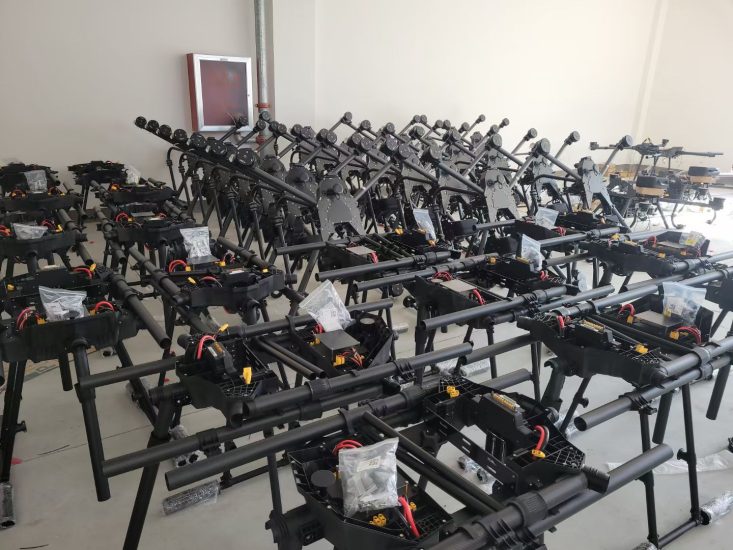
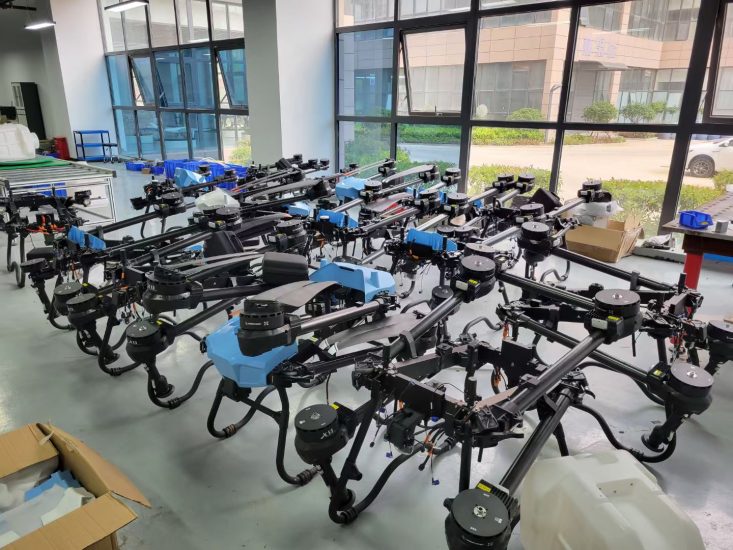
Exporting heavy machinery requires robust packaging. The 30L drone is engineered with a modular, foldable design. The arms fold inward, and the landing gear is detachable, allowing the entire unit to fit into a standard export carton. This minimizes volumetric weight—a critical factor in reducing ocean and air freight costs. The airframe utilizes aviation-grade aluminum alloys and carbon fiber, ensuring it withstands the rigors of international shipping without sustaining damage.
Chapter 2: GPS Autopilot – The Brains of the Operation
In the context of B2B sales, “GPS Autopilot” is more than a feature; it is a promise of operational autonomy and precision.
2.1 Fully Autonomous Mission Planning
The Ground Control Station (GCS) software allows operators to define field boundaries via a tablet. The drone then generates an optimal flight path automatically, calculating spray swaths, overlap percentages, and battery return points. This eliminates the need for highly skilled pilots, allowing farm owners to hire general laborers to operate the equipment.
2.2 Terrain Following and Safety
Advanced GPS autopilot systems integrate with ultrasonic sensors and radar. This enables the drone to maintain a consistent altitude above uneven terrain—a crucial feature for hilly vineyards or undulating cornfields. In the event of a lost signal or low battery, the autopilot triggers an automatic Return-to-Home (RTH) function, landing the $10,000+ piece of equipment safely without human intervention.
Chapter 3: IP67 Waterproofing – Built for Hostile Environments
Agricultural drones operate in the most hostile environments imaginable: high humidity, corrosive chemicals, and blowing dust. IP67 certification is non-negotiable for export markets.
3.1 Understanding the IP67 Standard
-
IP (Ingress Protection): The standard measure of sealing effectiveness.
-
6 (Solid Protection): Total protection against dust and particulate ingress. This prevents dust from clogging motors or shorting circuit boards in dry, arid regions.
-
7 (Liquid Protection): Protection against immersion in water up to 1 meter for 30 minutes. This is vital for rice paddies, sudden rainstorms, or accidental landings in irrigation ditches.
3.2 Material Science and Sealing
Achieving IP67 requires more than just rubber gaskets. It involves the use of corrosion-resistant coatings on all metal surfaces, sealed bearing systems for motors, and conformal coating on printed circuit boards (PCBs). For the exporter, emphasizing IP67 certification assures the buyer that the drone is a durable asset, not a fragile electronic device.
Chapter 4: Decoding FOB Pricing – A Guide for Exporters
For international B2B transactions, the Incoterm “FOB” (Free On Board) is a critical component of the sales strategy. Clarity on this term prevents disputes and builds trust.
4.1 What FOB Includes
When quoting a price “FOB [Port Name],” the seller covers all costs and risks up to the point the goods are loaded onto the vessel at the specified port. This includes:
-
Domestic transportation to the port.
-
Export customs clearance and documentation.
-
Loading charges onto the ship.
4.2 Buyer Responsibilities Post-FOB
Once the drone passes the ship’s rail, the risk transfers to the buyer. They are responsible for ocean freight, insurance, import duties, and final delivery to their warehouse. Clearly defining this in proforma invoices prevents misunderstandings regarding landed cost calculations.
Chapter 5: Packaging and Logistics Optimization
Shipping lithium-polymer batteries and large UAVs internationally requires strict adherence to dangerous goods (DG) regulations.
5.1 Dangerous Goods (DG) Certification
Lithium batteries are classified as dangerous goods for air transport (IATA) and sea transport (IMDG). A compliant export package must include:
-
UN38.3 Test Report.
-
MSDS (Material Safety Data Sheet).
-
DG Packaging Certification (1.2m drop test).
-
Proper labeling and marking.
5.2 Optimizing Container Load
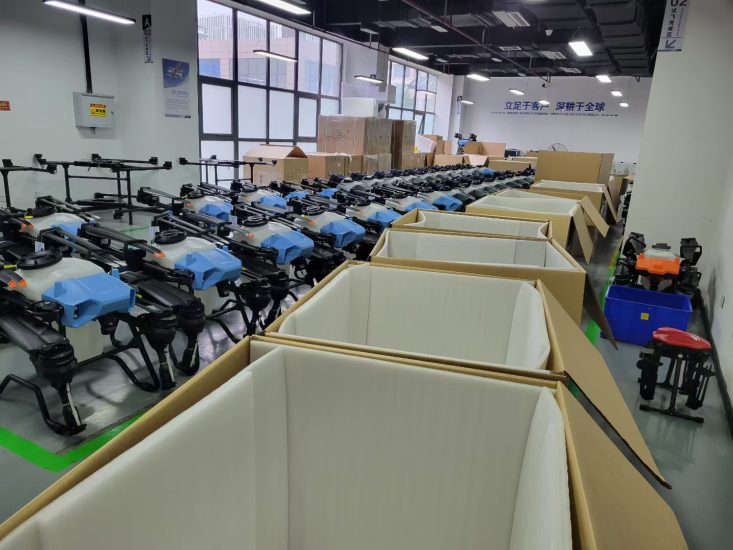
Exporters must calculate the number of units that can fit into a 20ft or 40ft High Cube container. By designing custom foam inserts and reinforced wooden crates, manufacturers can maximize the number of units per shipment, effectively lowering the per-unit freight cost and increasing the competitiveness of the FOB price.
Chapter 6: After-Sales Support and Localization
Selling a drone overseas is only half the battle; supporting it is where long-term relationships are built.
6.1 The Modular Repair Strategy
Instead of requiring the customer to ship the entire drone back for repairs (which is prohibitively expensive), the 30L platform is designed for modular replacement. Exporters should provide a “spare parts kit” with each shipment. If a motor fails, the local technician simply swaps the motor module, minimizing downtime.
6.2 Remote Diagnostics
Modern drones store flight logs (black box data). When a crash occurs, the buyer sends the log file to the exporter. Engineers can analyze the data to determine if the crash was due to pilot error or a manufacturing defect. This transparency speeds up warranty claims and prevents fraudulent returns.
Chapter 7: Regulatory Compliance Across Continents
Different markets have different regulatory hurdles. A successful export strategy must address these variations.
7.1 Frequency Compliance (FCC/CE)
Radio frequencies vary globally. Selling a drone with a 2.4GHz controller to Europe requires CE-RED compliance, while the US requires FCC Part 15 compliance. Exporters must ensure the drone’s transmitter is certified for the target market to avoid customs seizure.
7.2 No-Fly Zones and Geofencing
Many countries require drones to have geofencing capabilities that prevent them from flying near airports or military installations. The software must be configurable to comply with local civil aviation authority (CAA) regulations.
Chapter 8: Marketing the 30L Platform Internationally
Digital marketing for B2B exports requires a different tone than domestic sales.
8.1 Content Localization
Simply translating English brochures into Spanish or Arabic is insufficient. Marketing materials must reflect local crops (e.g., sugarcane in Brazil, wheat in Kazakhstan) and local challenges (e.g., labor costs in Australia, water scarcity in the Middle East).
8.2 Video Demonstrations
Video content showing the drone operating in real-world conditions is the most effective sales tool. Footage should highlight the IP67 waterproofing (spraying near water), the 30L capacity (rapid refills), and the ruggedness of the frame.
Chapter 9: Financial Considerations for Exporters
9.1 Payment Terms
For new clients, secure payment terms are vital. Letters of Credit (LC) or Telegraphic Transfer (T/T) with a deposit (30%) and balance before shipment are standard. Offering flexible payment terms can be a competitive advantage, but it increases risk.
9.2 Landed Cost Calculator
Exporters should provide buyers with a “Landed Cost Calculator.” This tool helps the buyer understand the total cost of ownership, including FOB price, estimated freight, insurance, import duties, and local taxes. Transparency in this area builds immense trust.
Conclusion: The Path to Global Leadership
Exporting the 30L Agricultural Sprayer Drone is a complex but highly rewarding endeavor. By focusing on the core pillars of GPS Autopilot for ease of use, IP67 Waterproofing for durability, and FOB clarity for logistics, exporters can position themselves as premium partners rather than mere suppliers. The future of agriculture is global, automated, and data-driven. For the B2B enterprise ready to scale, the 30L platform is the definitive vehicle for capturing market share in the rapidly expanding world of precision agriculture.
THE END


No comments yet