


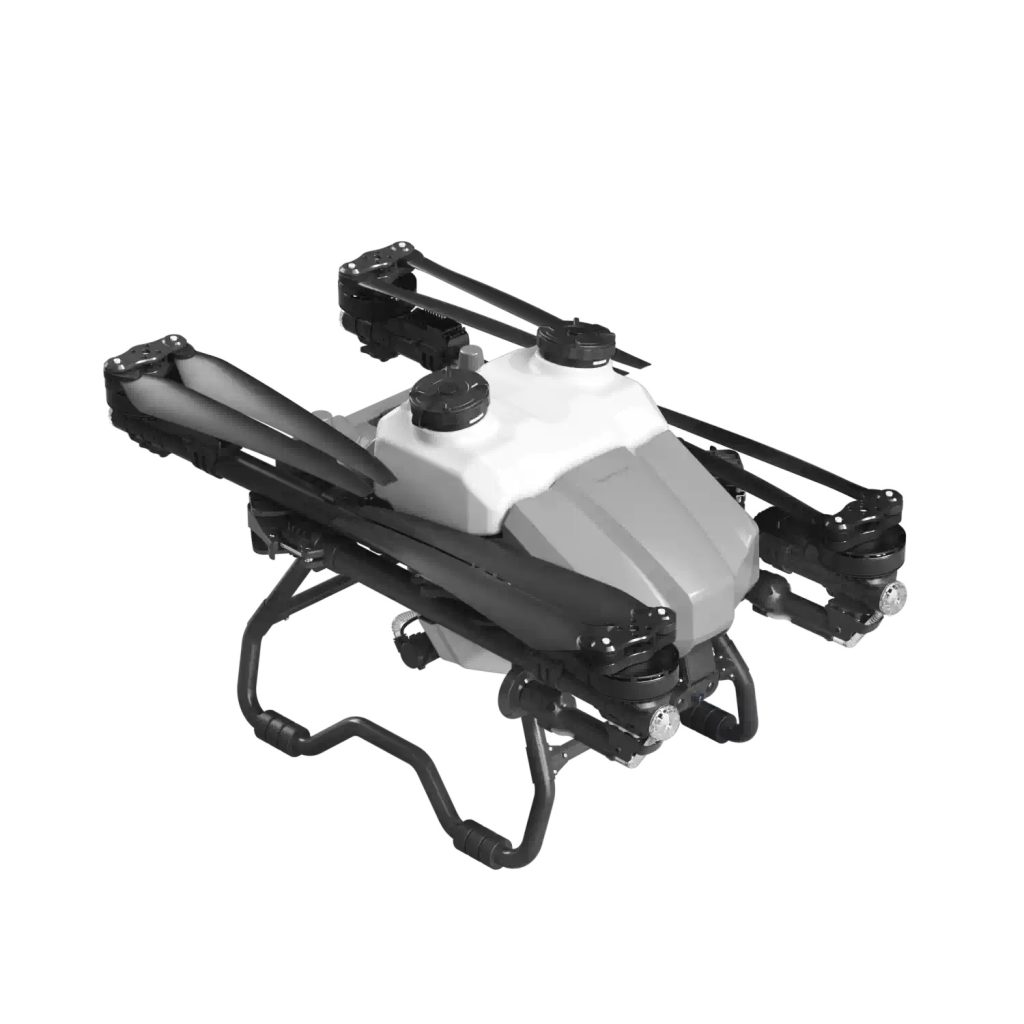
The narrative of modern Chinese agriculture is being rewritten not on the ground, but in the skies above its vast farmlands. Over the last decade, the agricultural drone has transitioned from a niche gadget for tech enthusiasts to an indispensable piece of heavy machinery for serious agribusiness. For the uninitiated, the market appears saturated with options, each promising higher efficiency and lower costs. However, for the discerning buyer—be it a large-scale farm manager, a cooperative leader, or an independent agricultural service provider—the question isn’t just “Which drone should I buy?” but rather, “Which manufacturer offers a complete ecosystem that guarantees my success?”
Choosing a spraying drone in China is a complex investment decision. It involves evaluating hardware durability, software intelligence, after-sales infrastructure, and regulatory compliance. This article moves beyond surface-level specifications to explore the intricate details that separate industry-leading manufacturers from the rest.
1. The Hardware Foundation: Engineering for Hostility
Agriculture is not a sterile laboratory environment. It is dusty, corrosive, and physically demanding. A premium agricultural drone manufacturer understands this reality and designs for failure prevention rather than just performance.
Airframe Integrity and Materials:
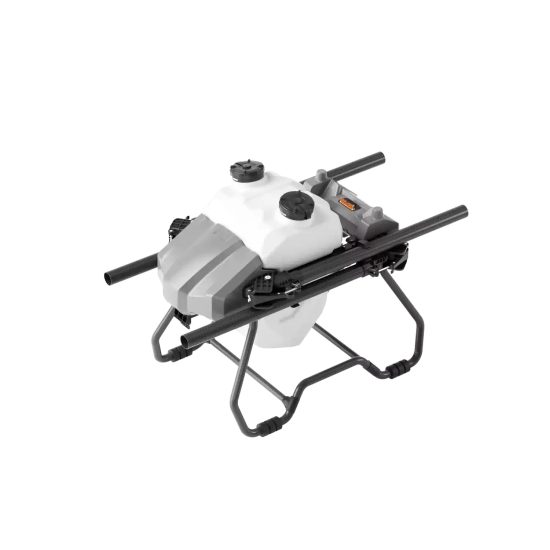
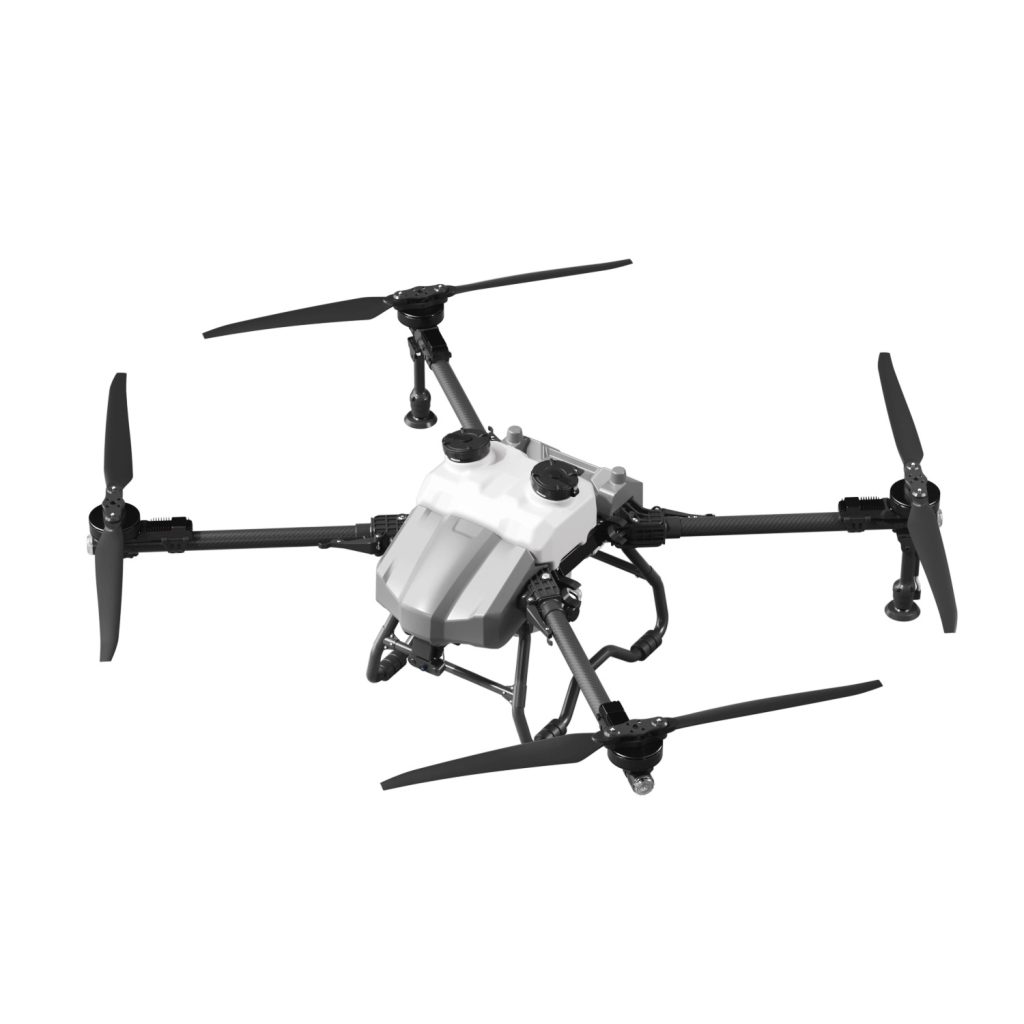
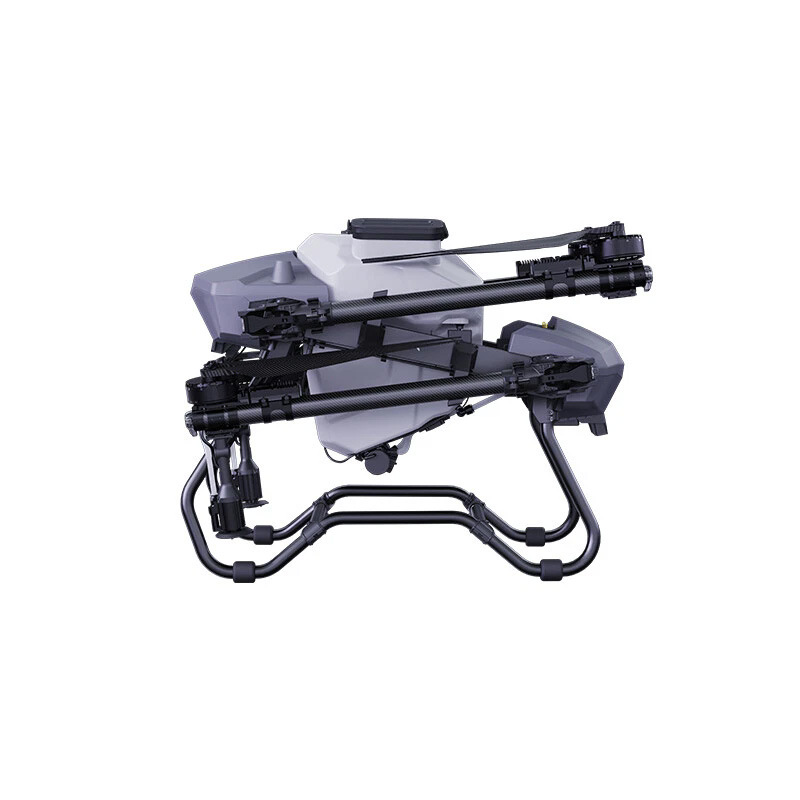
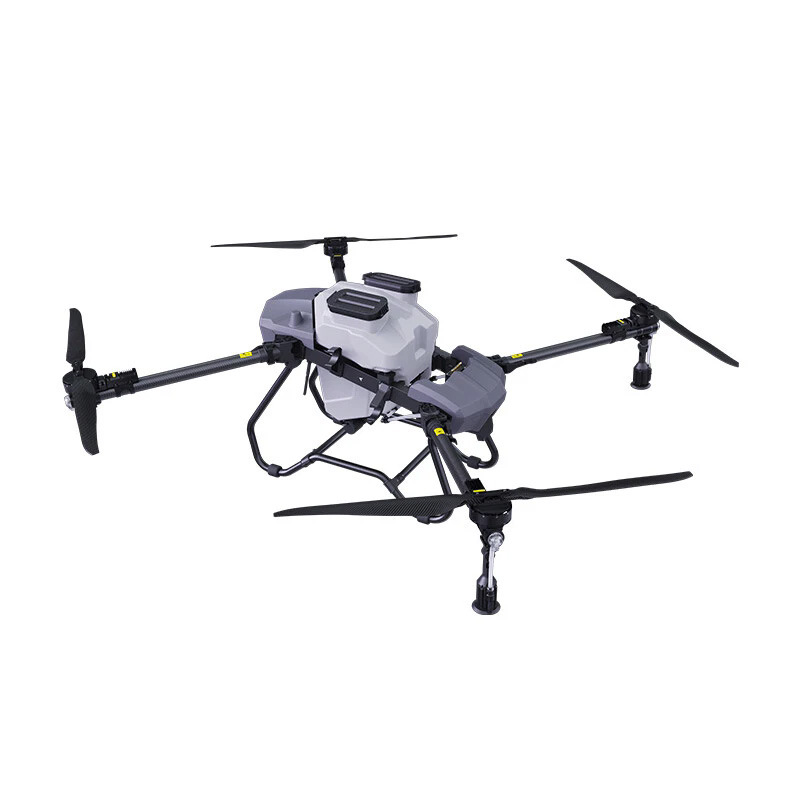
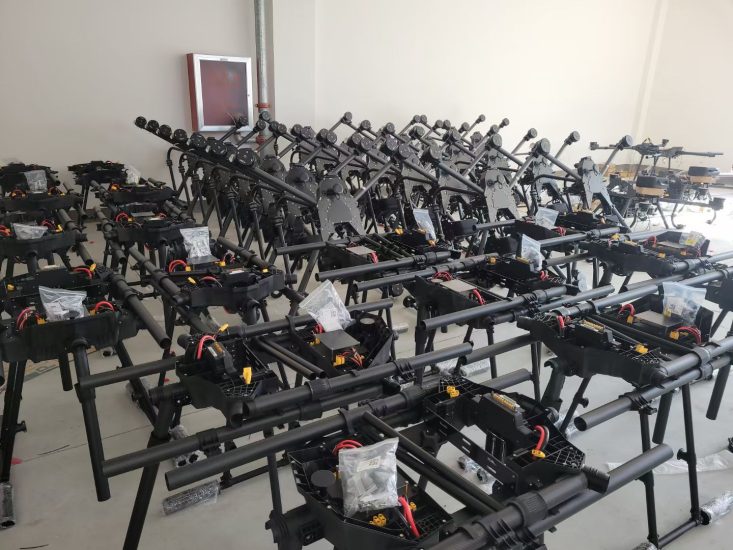
The best drones utilize a combination of high-strength carbon fiber and aviation-grade aluminum alloys. Carbon fiber provides the necessary stiffness-to-weight ratio, ensuring the drone remains light enough for heavy payloads while being rigid enough to handle aggressive maneuvers. However, material choice is only half the battle. The structural design must account for vibration dampening. Excessive vibration can blur camera feeds and, more critically, damage sensitive electronic speed controllers (ESCs) and GPS modules. Look for manufacturers who employ modular designs, where arms and propellers can be replaced in the field without specialized tools.
Propulsion Systems:
The motors and propellers are the heart of the machine. High-quality manufacturers invest in dynamic balancing tests for their motors and propellers. An unbalanced propeller creates micro-vibrations that degrade flight time and stability. Furthermore, the cooling system of the motor is crucial. In high-temperature environments, such as rice paddies in July, motors can overheat. Superior manufacturers incorporate advanced heat dissipation designs, such as hollow shaft motors or integrated cooling fins, to prevent thermal throttling during long-duration flights.
2. The Intelligence Layer: Flight Control and RTK
The “brain” of the drone is its flight controller. In the Chinese market, where small land plots are common, precision is paramount.
Centimeter-Level Positioning (RTK):
Standard GPS provides meter-level accuracy, which is insufficient for agricultural spraying. A top-tier manufacturer integrates Real-Time Kinematic (RTK) technology. RTK uses a base station and a rover to correct GPS signals, achieving centimeter-level accuracy. This ensures that the drone does not overlap its spraying paths (wasting chemicals) or leave gaps (missing pests). It also allows for “terrain following,” where the drone maintains a consistent height above uneven ground, a critical feature for orchards and hilly regions.
Obstacle Avoidance and Safety:
Modern farms are cluttered with power lines, trees, and poles. Advanced manufacturers equip their drones with multi-directional sensing. This includes binocular vision sensors for detecting objects in front and below, and millimeter-wave radar for all-weather detection, even in dust or rain. A sophisticated flight controller will not only stop at an obstacle but also plot a real-time detour, resuming the mission seamlessly.
3. The Payload Delivery System: Beyond Simple Spraying
The spraying mechanism is where the actual value is created. A cheap drone might just splash water on plants; a professional drone ensures chemical efficacy.
Atomization Technology:
The difference lies in droplet size. Large droplets fall to the ground before reaching the target; tiny droplets drift away with the wind. Premium manufacturers offer variable droplet sizes through advanced nozzle technology. Centrifugal nozzles, which use high-speed spinning discs to shatter liquid into uniform droplets, are becoming the gold standard. They allow operators to switch between fine mist for contact pesticides and coarser droplets for systemic ones.
Flow Control and Pump Quality:
The consistency of the spray flow is vital. Cheap diaphragm pumps fluctuate in pressure, leading to uneven application. High-end systems use precision peristaltic pumps or high-pressure plunger pumps that maintain a steady flow rate regardless of battery voltage drop or changes in flight speed. Integration with the flight controller ensures that the spray rate adjusts dynamically: spraying more when the drone speeds up and less when it slows down for a turn.
4. Power Management: The Logistics of Endurance
Battery technology is often the bottleneck in agricultural operations. The best manufacturers don’t just sell batteries; they sell energy solutions.
Smart Battery Ecosystems:
A quality battery pack includes a sophisticated Battery Management System (BMS). This system monitors cell balance, temperature, and cycle count. It prevents overcharging and deep discharging, which are the primary causes of battery fires and premature failure. Furthermore, leading manufacturers provide ultra-fast charging stations that can recharge a battery to 90% capacity in under 15 minutes, minimizing downtime.
Hot-Swap Capability:
In high-intensity operations, every second counts. The ability to swap a depleted battery for a fresh one while the drone is armed and the flight plan remains active is a mark of professional-grade equipment. This eliminates the need to reboot the system and recalibrate sensors, keeping the aircraft in the air longer.
5. The Service Network: The Human Element
Perhaps the most overlooked aspect of choosing a manufacturer is the after-sales service infrastructure. A drone is a tool that will eventually break or require maintenance.
Localized Support and Training:
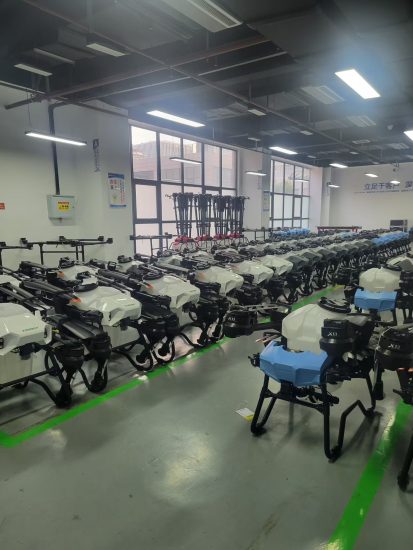
China’s agricultural regions are vast. A manufacturer with a strong presence will have regional service centers staffed with trained technicians. They should offer comprehensive training programs that cover not just how to fly, but how to maintain, troubleshoot, and repair the aircraft. Access to spare parts is equally important. If a $5 propeller takes two weeks to arrive, the $10,000 drone is useless. The best manufacturers maintain local warehouses with abundant spare parts inventory.
Software Updates and Longevity:
Agricultural technology evolves rapidly. A good manufacturer treats the drone as a platform, providing regular firmware updates that improve flight algorithms, add new features, and fix bugs. This extends the useful life of the hardware and protects the buyer’s investment.
6. Regulatory Compliance and Data Security
As airspace becomes more regulated, compliance is no longer optional.
Airspace Authorization:
Reputable manufacturers work closely with aviation authorities. Their drones are pre-registered and equipped with remote identification modules, making it legal to fly them in controlled airspace. They provide users with the necessary documentation to apply for flight permissions quickly.
Data Ownership:
Farmers are increasingly concerned about data privacy. Leading manufacturers ensure that flight data, field maps, and yield estimates remain the property of the farmer. They provide secure cloud storage options and clear data privacy policies, avoiding the monetization of user data.
Conclusion: Making the Strategic Choice
Selecting a spraying drone in China requires a shift in mindset. Do not be swayed by the lowest price or the flashiest marketing campaign. Instead, evaluate the manufacturer through the lens of total cost of ownership and operational reliability.
Ask yourself: Does this manufacturer offer a durable airframe built for my specific terrain? Is their flight control system precise enough for my crop type? Can their service network support me during the busiest weeks of the season?
By focusing on these core pillars—hardware robustness, intelligent automation, efficient power systems, accessible service, and regulatory compliance—you move beyond simply buying a machine. You are investing in a technological partner that will enhance your productivity, reduce your input costs, and future-proof your agricultural operation for the challenges ahead. In the rapidly evolving landscape of Chinese agritech, choosing the right ecosystem is the key to staying ahead of the curve.
THE END


No comments yet