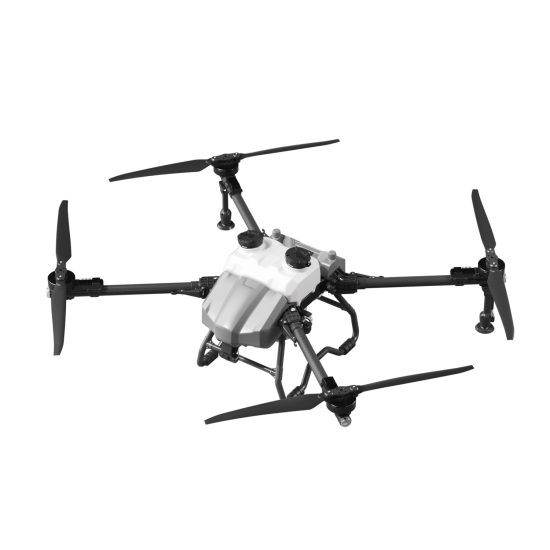


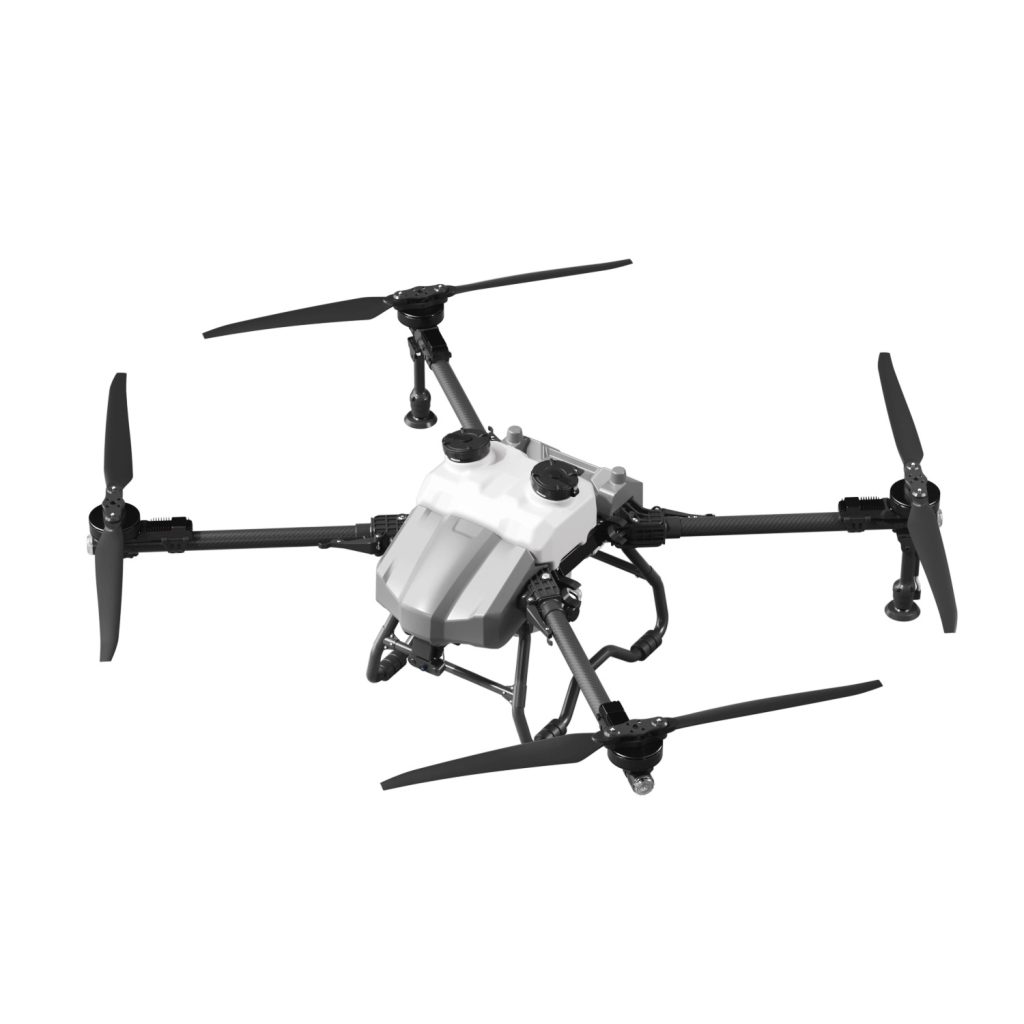

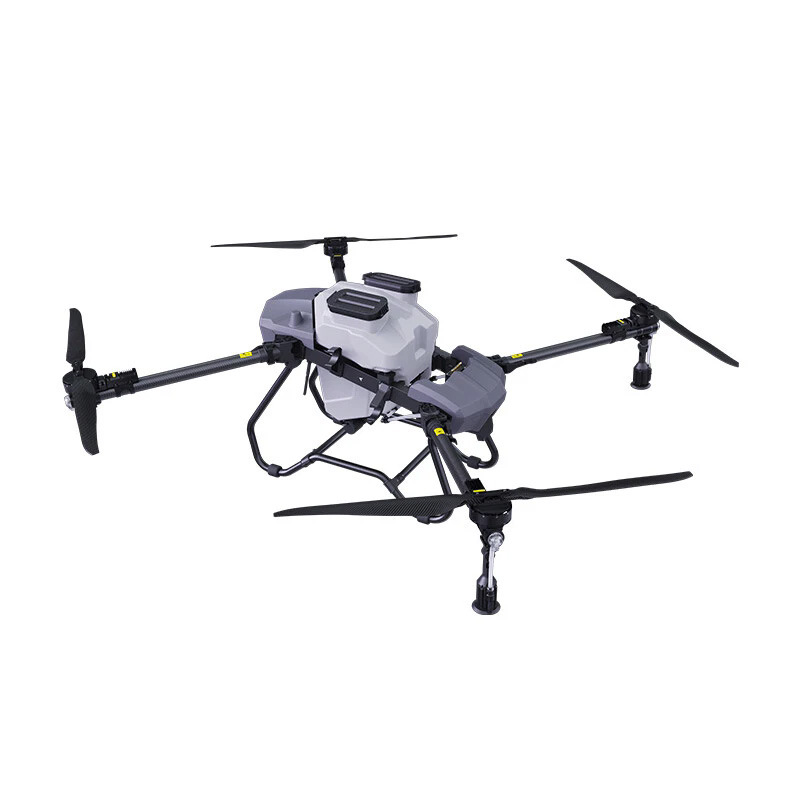

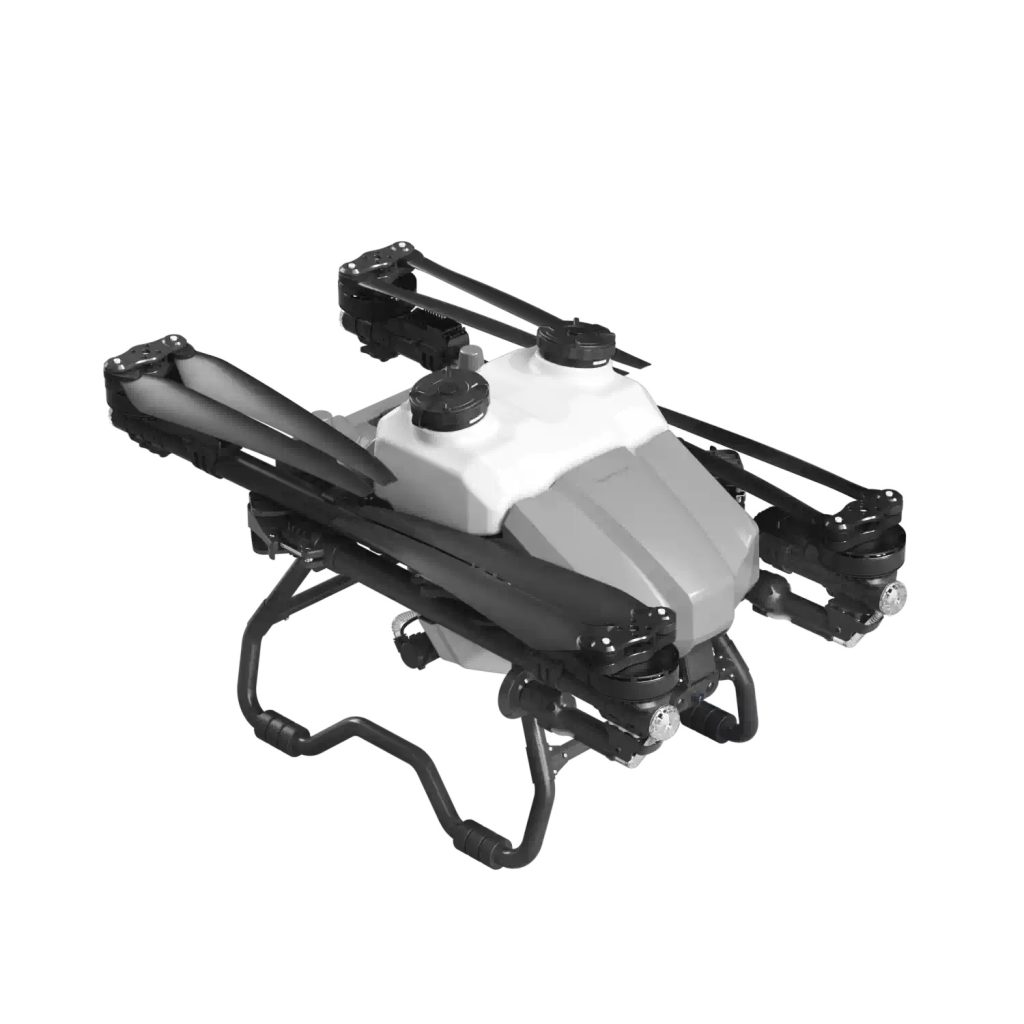
Introduction: The Silent Revolution in Global Agriculture
Agriculture is undergoing a tectonic shift. For millennia, the rhythm of farming was dictated by the sweat of human labor and the limitations of ground machinery. Today, a new force operates above the fields—agricultural drones. In the vast, diverse landscapes of China, where smallholder plots meet sprawling industrial farms, the agricultural spraying drone has transitioned from a high-tech novelty to an essential piece of farm equipment.
For international buyers, agribusiness investors, and large-scale farming operations, the central question is no longer about the viability of drone technology, but about the reliability of its source. When evaluating a Chinese agricultural spraying drone manufacturer, one must look beyond glossy brochures and spec sheets. The true measure of a company lies in its engineering philosophy, its resilience in harsh field conditions, and its capacity for innovation. This article provides a comprehensive, technical, and strategic analysis of what defines a world-class manufacturer in this sector, using the fictional entity “Msoen” as a composite benchmark for excellence.
The Anatomy of Excellence: Defining a Tier-1 Manufacturer
In the global market, “Made in China” for agricultural drones signifies a complex supply chain and rapid iteration. However, not all manufacturers are created equal. A tier-1 manufacturer, represented by our model company Msoen, is defined by five core pillars:
1. Vertical Integration and R&D Sovereignty
Many assemblers source components from third-party vendors. A leading manufacturer, however, controls its core technology stack. This includes proprietary flight controller algorithms, in-house motor production, and custom-designed spray nozzles.
-
The Msoen Benchmark: A true industry leader invests over 15% of its annual revenue back into R&D. This is not merely for incremental upgrades but for fundamental breakthroughs in fluid dynamics and battery management systems (BMS).
2. Material Science and Structural Integrity
Agricultural drones operate in the world’s most punishing environments—high humidity, heavy dust, and corrosive chemicals. The difference between a premium drone and a budget drone is often invisible to the naked eye: the grade of carbon fiber, the corrosion resistance of the pump diaphragms, and the IP (Ingress Protection) rating of the electronic speed controllers (ESCs).
-
The Msoen Benchmark: Utilizing aerospace-grade carbon fiber composites that offer the optimal strength-to-weight ratio, ensuring the frame can withstand the vibrational stress of heavy payloads without microfractures.
3. Algorithmic Precision in Spraying
The hardware is merely a delivery vehicle; the software is the brain. Precision agriculture demands that every droplet counts. This involves Variable Rate Technology (VRT) and terrain-following radar systems that adjust spray volume based on crop density and topography.
-
The Msoen Benchmark: Developing a proprietary flight control system that integrates RTK (Real-Time Kinematic) positioning with LiDAR-based terrain mapping, allowing the drone to maintain a consistent height above uneven crops, reducing chemical drift by up to 40%.
4. After-Sales Ecosystem and Training
A drone is useless if it cannot be repaired within 48 hours during a pest outbreak. A top-tier manufacturer builds an ecosystem, not just a product. This includes localized service centers, spare parts logistics, and comprehensive pilot training programs.
-
The Msoen Benchmark: Establishing a “4-Hour Response” protocol for technical support and maintaining regional hubs for spare parts inventory, ensuring minimal downtime during critical growing seasons.
5. Regulatory Compliance and Data Security
As drones become ubiquitous, aviation authorities worldwide are tightening regulations. A reputable manufacturer ensures full compliance with ICAO (International Civil Aviation Organization) standards and provides robust data encryption for farmers concerned about field data privacy.
-
The Msoen Benchmark: Proactive engagement with global aviation regulators and implementation of end-to-end AES-256 encryption for all flight and mapping data.
Technical Deep Dive: The Engineering Behind the Msoen Standard
To understand why certain Chinese manufacturers lead the world, we must dissect the technical architecture of a high-performance spraying drone.
The Propulsion System: Power and Efficiency
The choice of motors and propellers defines a drone’s lifting capacity and endurance.
-
Motor Technology: A premier manufacturer utilizes FOC (Field-Oriented Control) sinusoidal drive motors. Unlike cheaper square-wave motors, FOC motors provide smoother torque, higher efficiency, and significantly less noise, which translates to longer flight times and reduced wear on bearings.
-
Propeller Design: Carbon fiber propellers are engineered using computational fluid dynamics (CFD) to maximize thrust while minimizing power consumption. The pitch and airfoil design must be optimized for high-altitude performance, as air density drops in regions like the Tibetan Plateau or the Andes.
The Spraying Mechanism: Atomization and Distribution
The core function of an agricultural drone is the uniform application of liquids.
-
Nozzle Technology: The best systems use centrifugal nozzles rather than pressure nozzles. Centrifugal nozzles break liquid into uniform droplets (50-150 microns) via high-speed rotation, allowing for precise control over droplet size. This prevents drift and ensures better adhesion to plant surfaces (the “leaf-sticking rate”).
-
Pump Systems: A high-end manufacturer uses diaphragm pumps made of chemically resistant materials like PTFE (Teflon). These pumps maintain a constant flow rate regardless of battery voltage fluctuations, ensuring consistent spray volume throughout the flight.
The Power Architecture: Battery and BMS
Lithium-polymer (LiPo) batteries are the lifeblood of drones.
-
Smart BMS: A sophisticated Battery Management System is critical. It monitors cell voltage, temperature, and internal resistance in real-time. The Msoen standard includes a BMS that can predict battery failure before it occurs, preventing mid-air power loss. Furthermore, the integration of fast-charging technology (0-100% in 45 minutes) is essential for operational continuity.
The Msoen Case Study: A Hypothetical Benchmark in Action
To illustrate how these technical elements coalesce into a market-leading product, let us analyze the operational profile of Msoen in a real-world scenario.
Scenario: A 5,000-hectare soybean farm in Brazil facing an outbreak of Asian soybean rust. The window for fungicide application is 72 hours.
The Msoen Solution:
-
Deployment: The farm utilizes Msoen’s flagship 40L payload drones.
-
Flight Planning: Using Msoen’s AI-powered software, the drones automatically generate flight paths that avoid overlapping spray zones, saving 15% on chemical costs.
-
Execution: Equipped with terrain-following radar, the drones maintain a 2-meter altitude even over uneven terrain. The centrifugal nozzles adjust droplet size based on wind speed data fed from the drone’s onboard anemometer.
-
Result: The entire 5,000 hectares are treated in 60 flight hours. Post-application analysis shows a 98% uniformity rate in chemical distribution, effectively containing the rust outbreak.
This case study demonstrates that the value of a top-tier manufacturer lies not just in the drone, but in the system integration of hardware, software, and agronomic science.
Market Strategy: How to Vet a Chinese Manufacturer
For international buyers looking to source from China, the following due diligence framework is essential:
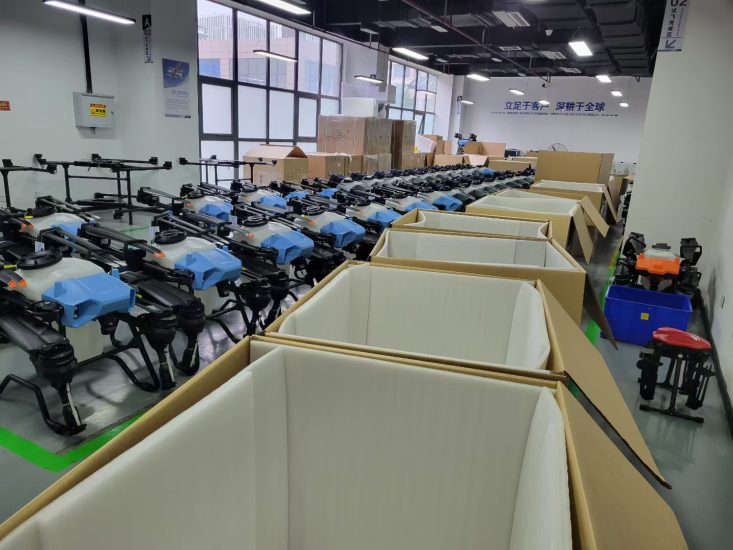
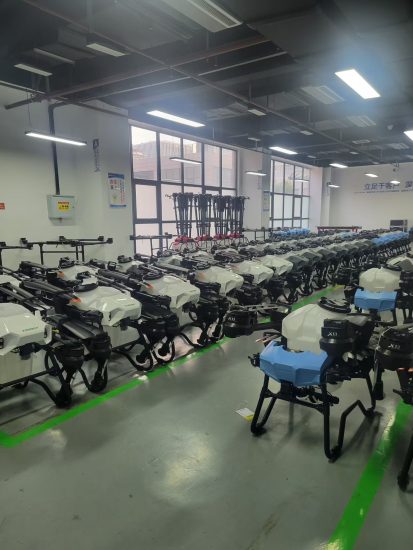
Step 1: The Factory Audit (Virtual or Physical)
Do not rely solely on video calls. Request access to the production line. Look for:
-
SMT (Surface Mount Technology) Lines: Are they automated? This indicates quality control in circuit board production.
-
Aging Rooms: Do they test every battery and motor for 24-48 hours before assembly? This is a sign of a quality-first culture.
Step 2: The Reference Check
Ask for contact information of existing clients in your region. A confident manufacturer will provide references. Ask these clients about:
-
Spare Parts Availability: How long does it take to get a replacement ESC or spray pump?
-
Software Updates: How frequently does the manufacturer release firmware updates to improve performance or fix bugs?
Step 3: The Regulatory Checklist
Ensure the manufacturer provides:
-
CE/FCC Certification: For electromagnetic compatibility.
-
ISO 9001: For quality management systems.
-
Local Aviation Compliance: Documentation to help you register the drones with your local civil aviation authority.
Future Trends: What Msoen and Leaders Are Building Next
The industry is moving beyond simple spraying. The next generation of agricultural drones will feature:
-
Multispectral and Hyperspectral Imaging: Drones that can identify crop health issues (e.g., nitrogen deficiency) before they are visible to the human eye.
-
Autonomous Swarming: A single operator managing a fleet of 10 drones simultaneously, coordinated via 5G networks.
-
AI-Driven Decision Making: Drones that not only spray but also analyze the results and adjust the prescription map for the next pass in real-time.
-
Sustainable Power: Research into hydrogen fuel cells to replace batteries, offering longer endurance and faster refueling.
Conclusion: Choosing a Partner for the Future of Farming
Selecting a Chinese agricultural spraying drone manufacturer is a high-stakes decision. The market is crowded with options, but only a select few possess the technical depth, manufacturing rigor, and customer-centric ecosystem to be considered true partners.
A company like Msoen—characterized by vertical integration, relentless R&D, and a holistic approach to precision agriculture—represents the gold standard. For farmers and agribusinesses, the choice is clear: invest in a system that offers long-term reliability and agronomic value, rather than chasing the lowest upfront cost. The future of farming is automated, data-driven, and airborne, and aligning with the right manufacturer is the first step toward securing that future.
THE END


No comments yet