



Introduction: Breaking the Barriers to Entry
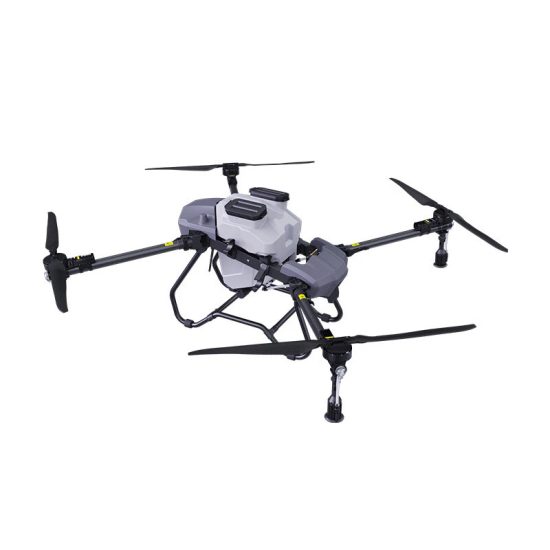
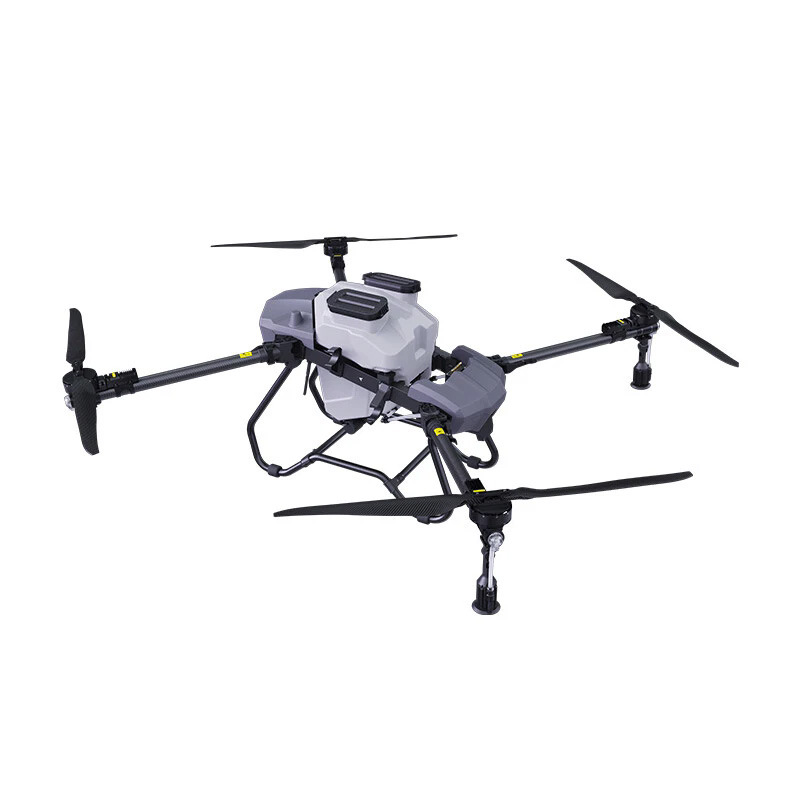
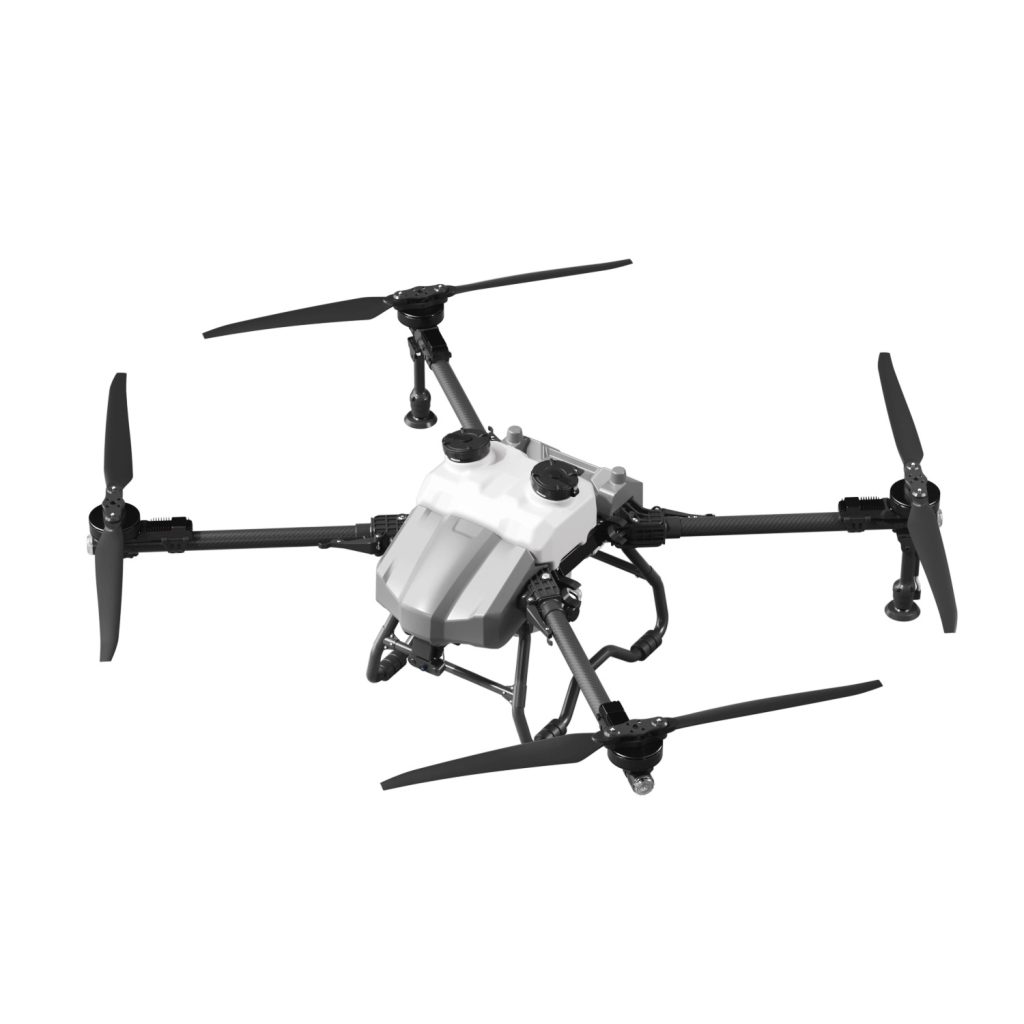
For decades, precision agricultural aviation remained the exclusive domain of large-scale agribusinesses. The barriers were formidable: six-figure investments in heavy machinery, specialized pilot licenses, and the logistical complexity of operating expensive equipment across fragmented land parcels. However, the emergence of the 10L Economic Agricultural Drone represents a seismic shift in this paradigm. This is not merely a scaled-down version of an industrial machine; it is a purpose-built solution designed to make aerial crop protection, seeding, and fertilization accessible, affordable, and manageable for the average farmer. This article provides a comprehensive analysis of how this new class of drone is empowering smallholders and startups to compete in the modern agricultural landscape.
Chapter 1: The Economics of the 10L Platform
The most significant innovation of the 10L drone is not technological; it is economic. By re-engineering the cost structure of aerial application, manufacturers have created a tool that aligns with the financial realities of small and medium-sized farms.
1.1 Capital Expenditure vs. Operational Cost
Traditional tractor-based sprayers require a massive upfront investment and incur high maintenance costs, including fuel, hydraulic fluids, and tire replacements. In contrast, the 10L electric drone eliminates fuel costs and drastically reduces mechanical wear. The initial purchase price is a fraction of that of a tractor, allowing farmers to preserve capital for seeds, fertilizers, and land leases.
1.2 Rapid Return on Investment (ROI)
For a small farm, the ROI calculation is straightforward. Consider a 100-acre farm that previously hired a contractor for spraying at a per-acre rate. A 10L drone can pay for itself within a single growing season by eliminating contractor fees. Furthermore, the ability to apply pesticides exactly when needed—without waiting for a contractor’s schedule—prevents yield loss that often exceeds the cost of the drone itself.
Chapter 2: Tri-Functionality – The Three-in-One Advantage
A machine that sits idle for ten months of the year is a poor investment. The true value of the 10L platform lies in its modular versatility, transforming it from a seasonal tool into a year-round asset.
2.1 Precision Spraying
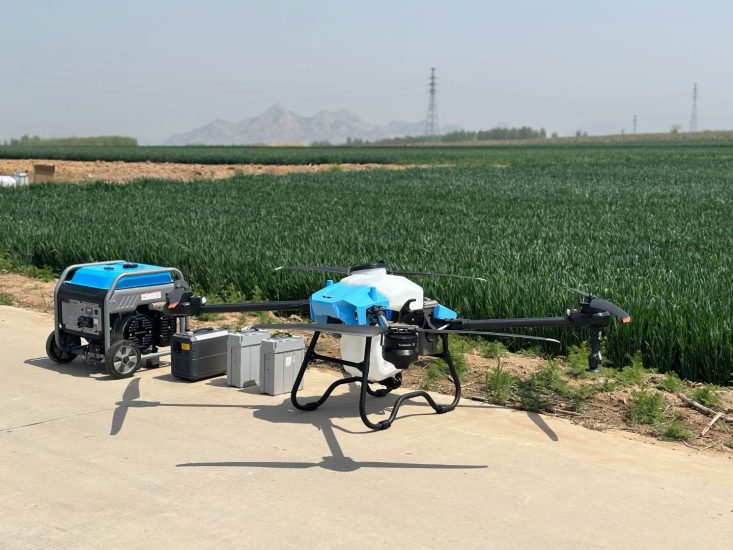
The primary function is liquid application. The 10L tank is optimized for small fields, allowing for complete coverage without leftover mixture waste. Utilizing high-speed centrifugal nozzles, the drone atomizes liquids into micron-sized droplets. This ensures even coverage on both sides of the leaf, a feat difficult to achieve with ground rigs that often suffer from nozzle clogging and wheel track misses.
2.2 Efficient Broadcasting
With a quick-swap granule spreading system, the drone transitions from a sprayer to a broadcaster. This is invaluable for applying urea, compound fertilizers, or even seeds. In rice cultivation, this eliminates the need for manual broadcasting, which is physically demanding and inconsistent. In wheat fields, it allows for top-dressing applications without compacting the soil with heavy machinery.
2.3 Direct Seeding Capabilities
For certain crops, the drone serves as a highly efficient seeding platform. By using specific rotary spreaders, it can plant cover crops, pastures, or even rice seeds directly into prepared fields or flooded paddies. This method significantly reduces the labor hours required for hand-sowing and ensures uniform distribution, leading to better germination rates.
Chapter 3: Portability – The Fold-and-Go Design
One of the most overlooked challenges in small-scale farming is logistics. Large drones require trailers and trucks. The 10L model solves this with a revolutionary foldable design.
3.1 Engineering for Mobility
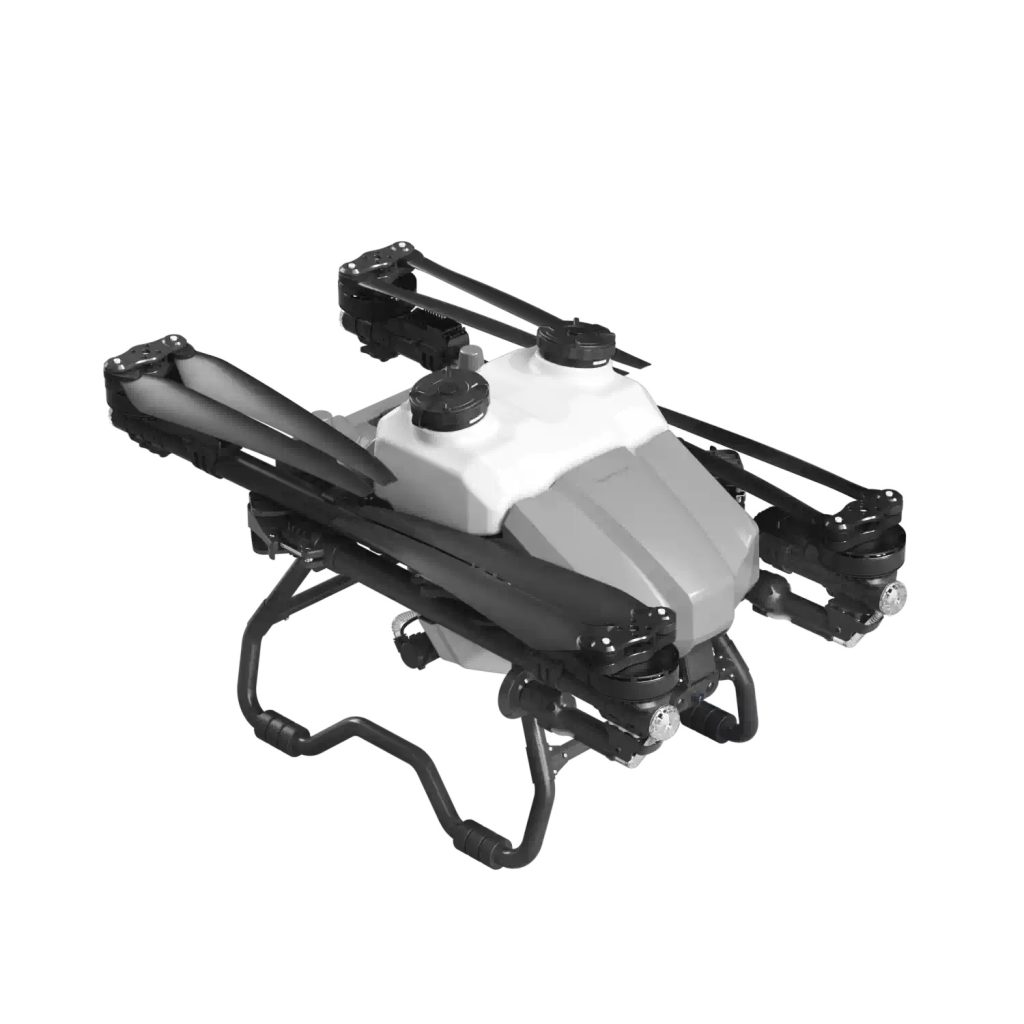
The arms and propellers of the 10L drone are designed to fold inward, collapsing the machine into a compact footprint roughly the size of a briefcase. This allows it to fit into the back of a pickup truck, an SUV, or even the rear seat of a car. For farmers moving between multiple small plots scattered across a region, this portability is a game-changer.
3.2 Quick Deployment
Time is critical in agriculture. The 10L platform is engineered for rapid deployment. An operator can unfold the drone, attach the propellers, perform a quick self-check, and be airborne in under three minutes. This speed is essential when responding to sudden pest outbreaks or narrow weather windows.
Chapter 4: The “Three-Day Mastery” – Human-Centric Design
Advanced technology is useless if it is too complex to operate. The 10L drone is built on the principle that any farmer, regardless of technical background, should be able to master it quickly.
4.1 Intuitive Ground Control Station (GCS)
The software interface is stripped of unnecessary complexity. Instead of manual joystick flying, the operator uses a tablet or smartphone app. The process involves walking the perimeter of the field to set boundaries, selecting the crop type, and tapping “Start Mission.” The drone handles the rest autonomously.
4.2 Automated Safety Protocols
Beginners often fear crashes. The 10L drone incorporates multiple layers of safety automation. Low-battery return-to-home (RTH) ensures the drone lands safely before power depletion. Failsafe protocols automatically land the drone if signal connection is lost. These features act as a safety net, giving novice users the confidence to operate the equipment immediately.
4.3 The Three-Day Training Regimen
Day 1: Theory and Simulation. Understanding basic aerodynamics, battery safety, and flight regulations.
Day 2: Practical Setup. Learning how to calibrate the compass, update firmware, and perform pre-flight checks.
Day 3: Live Operations. Executing actual spraying missions under supervision.
By the end of this period, even individuals with zero technical experience can operate the drone independently.
Chapter 5: Application Case Studies
5.1 The Orchardist
A small apple orchard owner struggles with spraying tall trees. The 10L drone’s ability to fly at variable heights allows for precise targeting of the canopy. The downward airflow pushes the pesticide deep into the foliage, something ground sprayers cannot achieve. The foldable design allows the owner to transport the drone easily between different sections of the hilly orchard.
5.2 The Rice Farmer
In Asia and the Americas, smallholder rice farmers face the arduous task of fertilizing flooded paddies. Walking through mud with heavy bags of urea is inefficient and damaging to the young plants. The 10L drone flies over the water, broadcasting fertilizer evenly across the field in minutes. The economic benefit is immediate: less wasted seed/fertilizer and zero soil compaction.
5.3 The Pasture Manager
For livestock farmers, reseeding pastures is a constant task. The 10L drone can spread grass seed over inaccessible hillsides and rough terrain where tractors cannot go. This allows for the rejuvenation of grazing land that would otherwise remain barren.
Chapter 6: Maintenance and Durability
Economic viability depends on reliability. The 10L drone is designed for harsh agricultural environments.
6.1 Corrosion Resistance
Agricultural chemicals are highly corrosive. The drone’s body is treated with anti-corrosion coatings, and all metal parts are stainless steel or anodized aluminum. Critical electronics are sealed against dust and moisture ingress, ensuring longevity even in humid conditions.
6.2 Modular Repairability
Accidents happen. Unlike sealed consumer electronics, the 10L drone is fully modular. If a motor arm is damaged, it can be unscrewed and replaced in minutes without specialized tools. This modularity keeps repair costs low and minimizes downtime during the critical growing season.
Chapter 7: The Future of Small-Scale Agri-Tech
The 10L drone is the entry point into a larger ecosystem of smart farming.
7.1 Data Collection
Even at this price point, the drone captures valuable data. Flight logs record which areas were sprayed, at what rate, and with what chemicals. This data is essential for regulatory compliance and for tracking the effectiveness of different treatments over time.
7.2 Integration with IoT
Future iterations will see these drones communicating with soil sensors and weather stations. A sensor detecting nitrogen deficiency in a specific corner of a field can trigger the drone to perform a targeted fertilizer application automatically. The 10L drone is the physical actuator in this emerging Internet of Things (IoT) framework.
Conclusion: Empowerment Through Technology
The 10L Economic Agricultural Drone is more than just a piece of equipment; it is a catalyst for empowerment. By combining spraying, seeding, and fertilizing into a single, portable, and easy-to-learn platform, it removes the historical barriers that kept small farmers dependent on costly external services. It places the power of precision agriculture directly into the hands of the people who work the land. For the startup entrepreneur looking to launch an agricultural service business or the smallholder aiming to maximize yield, the 10L drone is not just an option—it is the most logical and profitable investment available today. The era of democratized agricultural aviation has arrived, and it fits neatly into the trunk of your car.
THE END


No comments yet