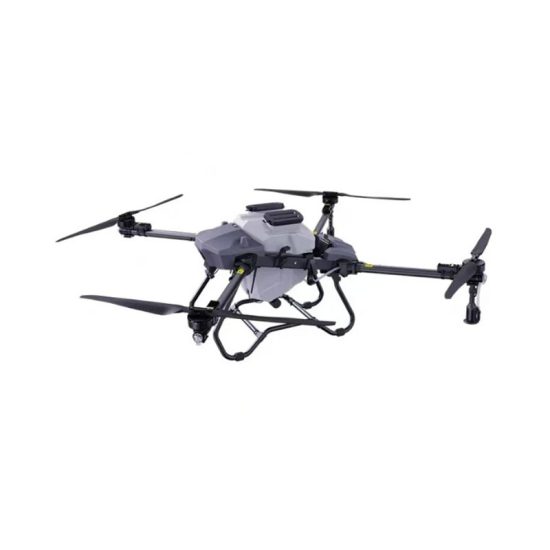


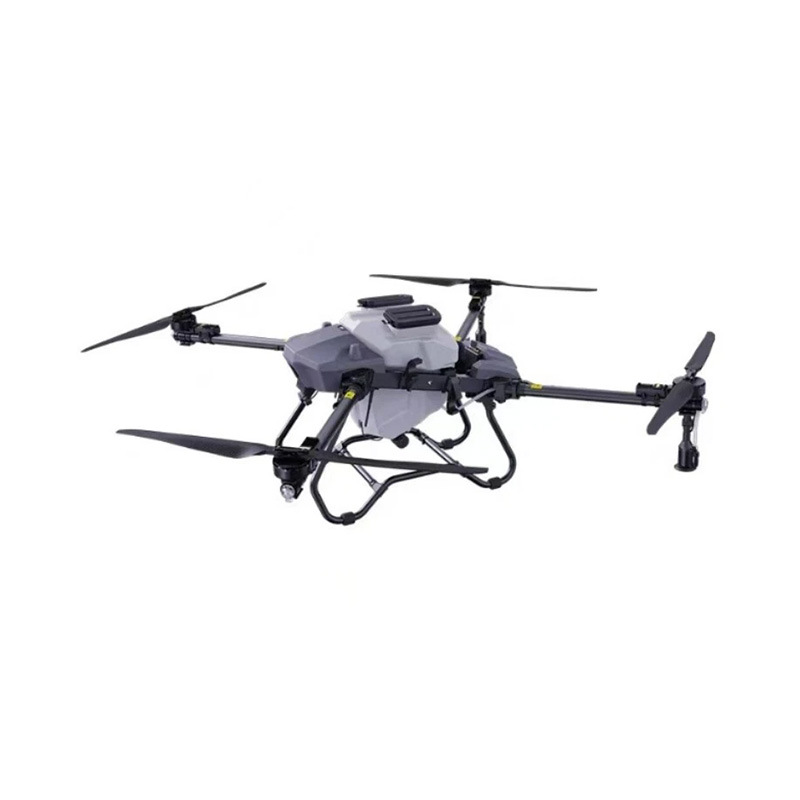
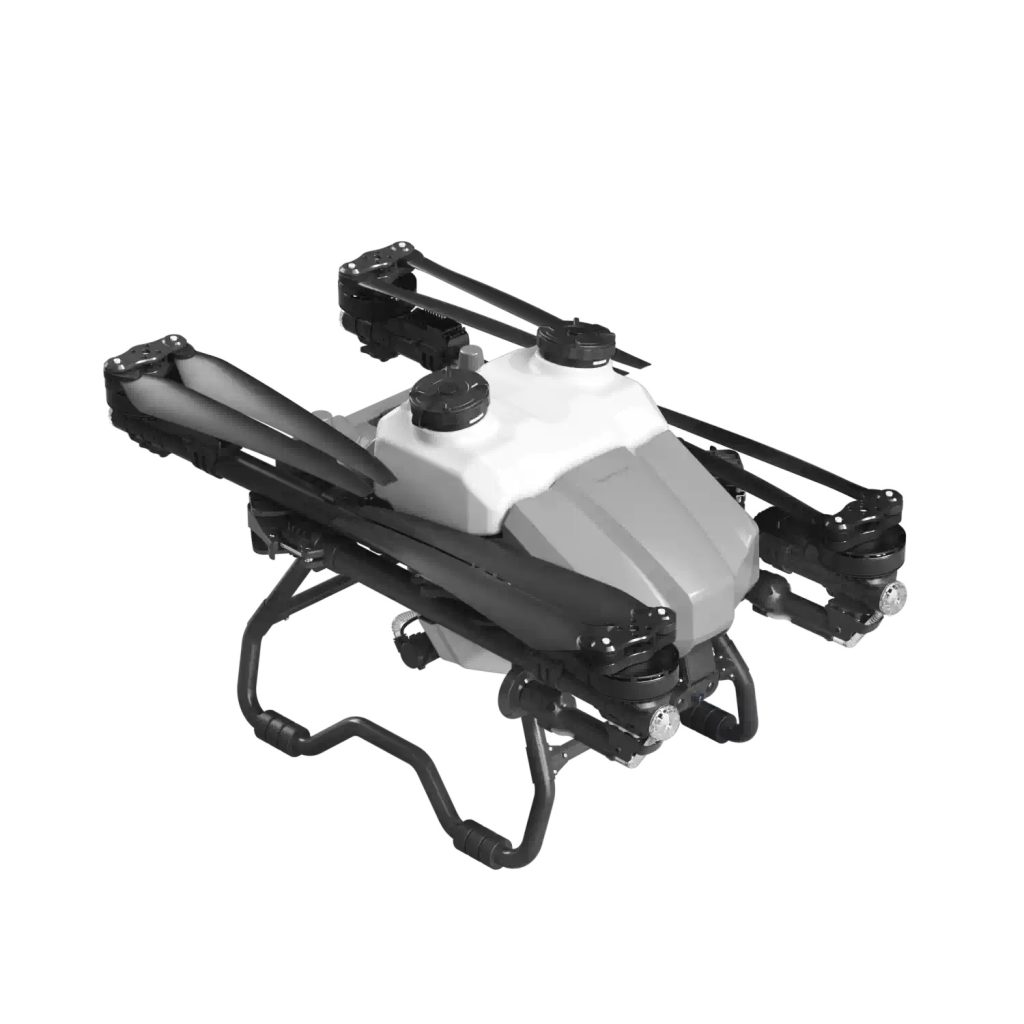
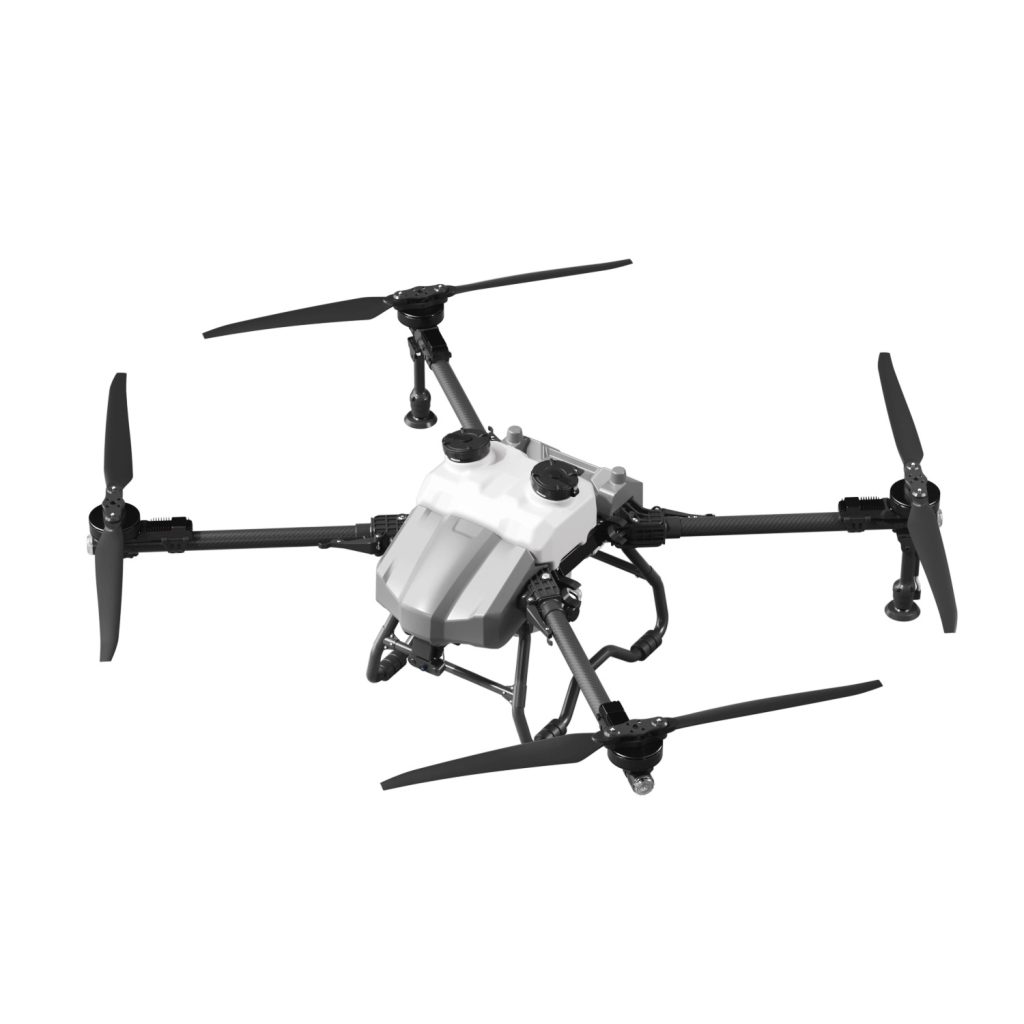

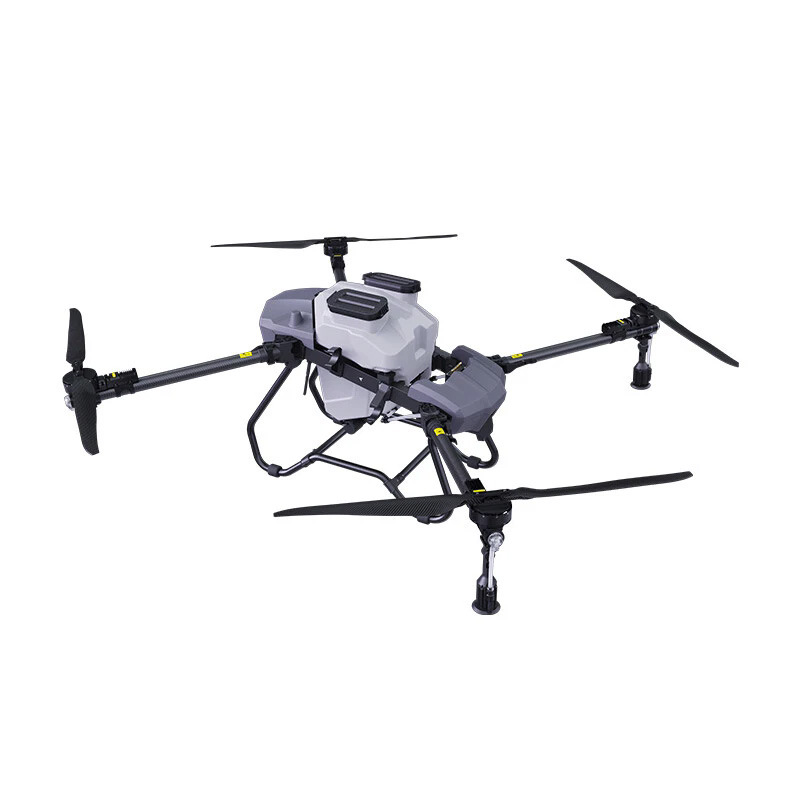

In the contemporary agricultural landscape, the conversation has irrevocably shifted from mere mechanization to intelligent automation. For decades, the bottleneck in crop protection has been the limitations of human labor and ground machinery. The introduction of the agricultural spraying drone has not merely been an incremental improvement; it has been a paradigm shift. This article delves into the engineering, operational efficiency, and economic logic behind a specific class of these unmanned aerial vehicles (UAVs): the high-capacity, high-efficiency models designed to cover 800 acres per day. We will explore how these machines achieve such staggering output, the technology that ensures “fast, accurate, and uniform” application, and why they represent the new benchmark for modern farm management.
The Physics of Efficiency: Breaking the 800-Acre Barrier
When we discuss a drone capable of covering 800 acres in a single day, we are not talking about a toy or a hobbyist device. We are referring to a sophisticated piece of industrial equipment engineered for endurance and throughput. To understand how this is possible, one must look at the interplay between power density, fluid dynamics, and flight efficiency.
Power and Propulsion Systems
The core of this capability lies in the propulsion system. Unlike smaller drones that might use off-the-shelf components, these industrial-grade machines utilize high-torque, brushless motors specifically designed for heavy lifting. Paired with advanced Electronic Speed Controllers (ESCs), these motors manage the immense power draw required to lift a fully loaded payload while maintaining stability in adverse weather conditions. The battery technology is equally critical. High-discharge lithium-polymer or lithium-ion batteries provide the instantaneous power needed for takeoff and the sustained output required for long-duration flight. A well-engineered system allows for hot-swapping of batteries, ensuring that downtime is measured in seconds rather than minutes, keeping the aircraft in the air for the maximum portion of the workday.
The Aerodynamics of Spraying
Efficiency is not just about flying fast; it is about covering ground effectively. These drones are designed with a wide spray swath. By utilizing multiple nozzles positioned strategically beneath the airframe, the drone can cover a width of 10 to 20 meters in a single pass. When flying at an optimized speed of 8 to 12 meters per second, the mathematics of coverage becomes clear. An 800-acre day is achieved through a combination of high flight speed, wide swath, and minimal time spent on turnaround or recharging.
Precision Engineering: The “Fast, Accurate, and Uniform” Triad
Speed without precision is wasteful. The value of a modern agricultural drone lies in its ability to deliver inputs exactly where they are needed, in the exact amount required. This is where the “fast, accurate, and uniform” promise is realized through technology.
1. Fast: The Role of AI and Terrain Following
Speed is dictated by the drone’s brain. Modern flight controllers integrate AI algorithms that process data from multiple sensors in real-time. A key feature is terrain following radar. Agricultural fields are rarely perfectly flat; they have undulations, slopes, and obstacles. A drone that must maintain a constant altitude above sea level would fly an inefficient path over uneven terrain. Instead, terrain-following drones maintain a constant height above the crop canopy. This not only ensures safety but also allows the drone to fly at higher speeds without compromising spray quality, as the distance to the target remains constant.
2. Accurate: Centimeter-Level Positioning
Accuracy is achieved through RTK (Real-Time Kinematic) or PPK (Post-Processed Kinematic) positioning technology. Standard GPS systems have an accuracy of several meters, which is unacceptable for precision agriculture. RTK technology corrects GPS signals to achieve centimeter-level accuracy. This prevents over-spraying and under-spraying, ensuring that every inch of the 800 acres receives the intended treatment. This accuracy is crucial for boundary management, preventing chemicals from drifting into neighboring fields or sensitive ecological areas.
3. Uniform: Fluid Dynamics and Atomization
Uniformity is the result of a sophisticated spraying system. It is not enough to simply dump liquid from a height. High-quality drones employ high-pressure pumps and precision nozzles that atomize the chemical into droplets of a specific micron size. Why is this important? Droplet size determines drift and coverage. Too large, and the droplets bounce off the leaves; too small, and they drift away with the wind. The drone’s flight computer calculates the optimal flow rate based on the speed of the aircraft, ensuring that the volume applied per acre (GPA) remains constant regardless of whether the drone is accelerating or decelerating during turns.
Furthermore, the downwash from the propellers creates a vortex that forces the droplets into the crop canopy. This is a phenomenon known as “foliar penetration.” Unlike ground sprayers that can only reach the top of the canopy, the drone’s downwash ensures uniform coverage on the underside of leaves, where many pests reside.
Operational Workflow: Maximizing the 800-Acre Potential
Owning a machine capable of 800 acres per day requires a shift in operational logistics. The limiting factor is often not the drone, but the support infrastructure.
The Pit Crew Model
To sustain an 800-acre workflow, a team of at least two people is ideal: a pilot and a ground support technician. While the pilot manages the flight operations, the ground crew handles refilling the tank, swapping batteries, and performing pre-flight checks. A typical cycle might look like this: 10 minutes of flight, 3 minutes of ground service. This rhythm allows for continuous operation from sunrise to sunset.
Battery Management
A fleet of batteries is essential. To fly 800 acres, one would typically require 10 to 15 sets of batteries, rotated through a multi-bank charger. This ensures that as one battery is depleted, a fully charged one is ready for immediate use.
Data Integration and Prescription Maps
The most advanced operations do not fly in simple grids. They integrate with farm management software. A drone can import a prescription map created from satellite or drone-based multispectral imagery. This allows the drone to vary the rate of application automatically. For example, it can spray more fertilizer in areas of low vigor and less in areas of high vigor, all while maintaining the overall speed and efficiency required to cover the 800-acre target.
Economic Analysis: The ROI of High-Efficiency Spraying
For a farm manager or a custom applicator, the decision to deploy such a machine is a financial one. Let’s break down the economics of an 800-acre workday.
Labor Cost Reduction
Traditional ground spraying for 800 acres might require a team of operators working in shifts, or it might take several days. A single drone operator with a ground crew can accomplish this in one day. The reduction in labor costs is significant.
Chemical Savings
The precision of the drone leads to direct savings on inputs. By eliminating overlap and ensuring optimal droplet size, studies have shown a reduction in chemical usage by 20% to 30% compared to conventional methods. On 800 acres, this saving can amount to thousands of dollars per application.
Timeliness and Yield Protection
In agriculture, timing is yield. A disease outbreak or a pest infestation can devastate a crop in 48 hours. The ability to cover 800 acres in a single day provides a strategic advantage. It allows for immediate response to threats, protecting the yield and, consequently, the revenue. The cost of the drone is quickly offset by the value of the yield saved during a single critical application window.
Maintenance and Longevity: The Industrial Standard
A machine working 800 acres daily is subjected to immense stress. Therefore, the construction quality must be industrial-grade.
Modular Design
These drones are built with a modular design philosophy. Arms, motors, and ESCs are designed to be easily replaceable in the field. This minimizes downtime. If a motor fails, it can be swapped out in minutes, and the operation continues.
Corrosion Resistance
Agricultural chemicals are corrosive. High-quality drones feature corrosion-resistant materials, such as carbon fiber and anodized aluminum, and specialized coatings on internal circuitry to prevent failure due to chemical exposure.
Diagnostic Systems
Onboard health management systems monitor the vibration of motors, the temperature of ESCs, and the health of the battery cells. The system provides predictive maintenance alerts, allowing the operator to service components before they fail, ensuring that the 800-acre schedule is not interrupted by unexpected breakdowns.
The Future of High-Efficiency Spraying
The evolution of the 800-acre drone is ongoing. We are moving towards even greater autonomy. The next generation will feature swarm technology, where a single operator manages multiple drones simultaneously. Furthermore, integration with autonomous ground vehicles for refilling and battery swapping will eliminate the need for a human ground crew, pushing the boundaries of efficiency even further.
Conclusion
The agricultural spraying drone capable of covering 800 acres per day represents the pinnacle of current agri-tech engineering. It is a convergence of aerodynamics, robotics, fluid dynamics, and data science. It solves the age-old problem of agricultural labor shortage and input inefficiency. For the modern farmer, this machine is not an expense; it is a strategic asset. It delivers on the promise of being fast, accurate, and uniform, transforming crop protection from a necessary chore into a precise, data-driven science. As we look to feed a growing global population with fewer resources, these high-efficiency machines will not just be an option; they will be the standard.
THE END







No comments yet