

How to Buy Agricultural Drones from China: A Practical Guide for International Buyers
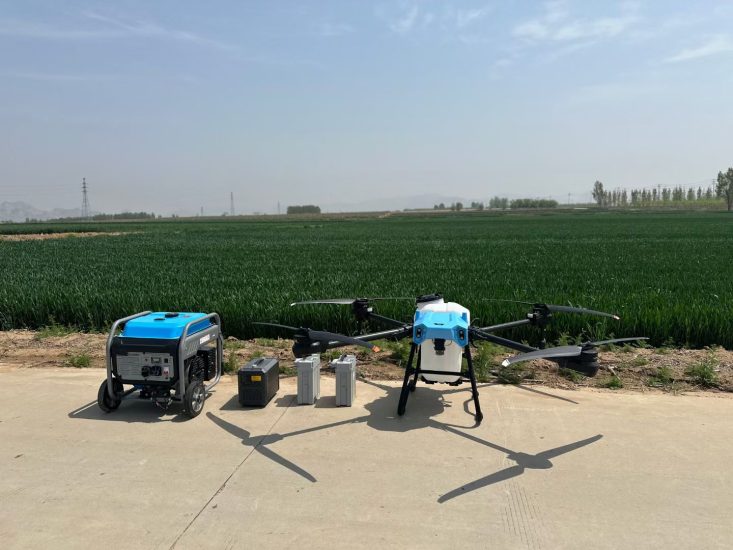
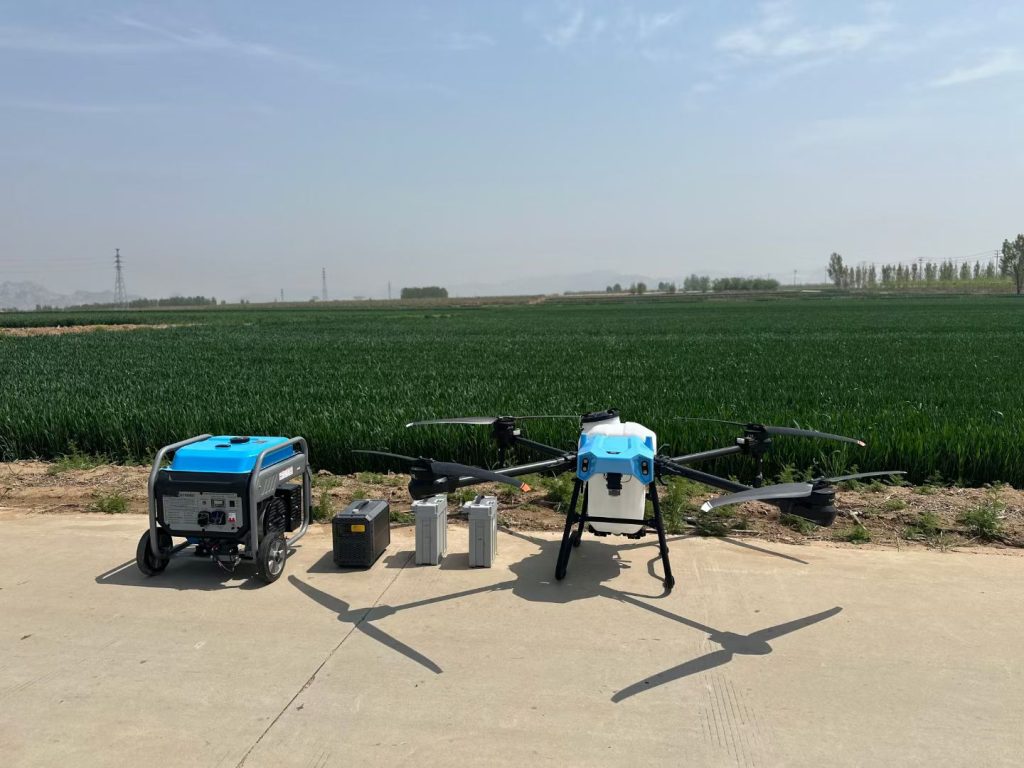
China has a broad agricultural drone manufacturing industry, giving international buyers access to different aircraft configurations, payload capacities, spraying systems, spreading systems, and customization options.
However, buying an agricultural drone from China is different from purchasing a simple agricultural accessory. The aircraft, batteries, radio equipment, software, spare parts, packaging, documentation, shipping, and destination-country requirements all need to be considered before an order is confirmed.
For importers, distributors, agricultural service companies, and farm operators, a structured purchasing process can reduce unnecessary problems and make it easier to select a suitable configuration.
Define Your Application Before Contacting a Manufacturer
The first step is to determine what the drone will actually be used for.
A buyer should identify:
- Crop type
- Field size
- Terrain
- Spraying or spreading application
- Required payload
- Expected daily operating hours
- Destination country
- Intended number of aircraft
- Need for spare parts
- Need for OEM or ODM customization
A manufacturer can provide more relevant recommendations when these requirements are clearly defined.
For example, a drone intended for large open fields may have different requirements from one intended for orchards or fragmented farmland.
Choose Between Spraying and Spreading Systems
Agricultural drones are not limited to one type of application.
Liquid Spraying
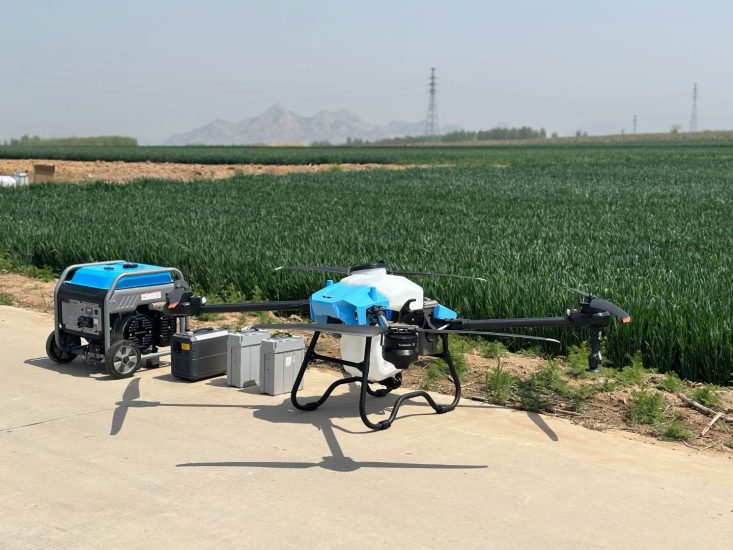
A spraying configuration generally includes:
- Liquid tank
- Pump
- Pipes
- Filters
- Valves
- Spray nozzles
- Flow-control system
This configuration can be used for suitable agricultural liquids according to local regulations and product instructions.
Granular Spreading
A spreading configuration normally includes:
- Hopper
- Discharge mechanism
- Spreading disc or distribution system
- Material-flow control
This type of system is designed for suitable granular agricultural materials.
Buyers should clearly identify the required application before requesting a quotation.
Compare Payload Capacity Carefully
Payload capacity is one of the first specifications international buyers usually compare.
Common questions include:
- What is the maximum payload?
- What is the recommended working payload?
- What is the tank or hopper capacity?
- How does payload affect flight time?
- What is the maximum takeoff weight?
The maximum payload should not be confused with the most efficient operating payload.
A drone carrying a heavier load generally requires more energy, so buyers should evaluate payload and battery performance together.
Ask for Realistic Flight-Time Information
Manufacturers may provide flight-time specifications, but buyers should understand the conditions under which those figures were measured.
Ask whether the stated flight time is based on:
- Empty aircraft
- Partial payload
- Full payload
- Specific battery configuration
- Particular weather conditions
For commercial operations, flight time under normal working conditions is much more useful than an unloaded theoretical figure.
Examine the Spraying or Spreading System
The aircraft platform is only part of an agricultural drone.
For spraying drones, buyers should examine:
- Pump performance
- Nozzle configuration
- Spray width
- Flow control
- Tank design
- Filtration
For spreading drones, buyers should examine:
- Hopper capacity
- Material compatibility
- Discharge control
- Spreading width
- Distribution consistency
The application system should match the agricultural materials and operating conditions in the destination market.
Check the Positioning and Flight-Control System
International buyers should understand the navigation and control functions included with the aircraft.
Depending on the configuration, functions may include:
- Precise positioning
- Automatic route planning
- Altitude control
- Return-to-home
- Obstacle detection
- Terrain awareness
- Low-battery warnings
- Emergency procedures
The exact functions should be confirmed in the technical specification before ordering.
Verify Battery and Charger Specifications
Batteries deserve particular attention when importing agricultural drones.
Ask the manufacturer for:
- Battery voltage
- Battery capacity
- Battery weight
- Charging time
- Charger specifications
- Expected cycle life
- Storage requirements
- Recommended quantity
Battery transportation can also be subject to additional logistics and documentation requirements.
International buyers should confirm the applicable shipping requirements before arranging transportation.
Request Complete Product Documentation
A professional international order should not depend only on product photographs.
Useful documentation may include:
- Product specification sheet
- User manual
- Battery instructions
- Charger instructions
- Maintenance information
- Spare-parts list
- Packing list
- Commercial invoice
- Relevant certificates
- Product labeling information
Complete documentation can make customs processing, local distribution, customer training, and after-sales support easier.
Understand Destination-Country Requirements
Drone regulations vary significantly between countries.
Before placing an order, buyers should check the requirements applicable to their market.
These may include:
- UAV registration
- Operator requirements
- Flight restrictions
- Radio-frequency rules
- Import requirements
- Battery transportation requirements
- Agricultural application regulations
- Insurance
- Product certification
A product that can legally be operated in one country may require additional procedures in another.
The buyer is responsible for confirming the requirements applicable to the destination market.
Calculate the Full Import Cost
The supplier’s product price is only one part of the final cost.
An international buyer may need to consider:
Product cost + packaging + inland transportation + export charges + freight + insurance + customs duties + taxes + destination charges
Additional costs may apply depending on the shipping method and destination.
For larger orders, buyers should request a complete commercial quotation that clearly identifies what is included and what is not included.
Choosing a Shipping Method
Agricultural drones can contain batteries, electronic components, and other items that require careful shipping arrangements.
The appropriate transportation method depends on:
- Order quantity
- Destination
- Delivery time
- Battery configuration
- Cargo dimensions
- Shipping restrictions
- Required documentation
For larger commercial orders, sea transportation may be considered where the delivery schedule allows it.
For smaller or urgent shipments, air transportation may be considered subject to applicable battery and cargo requirements.
The final shipping method should be confirmed with the logistics provider before shipment.
Ask About Spare Parts
International buyers should consider spare parts before placing the initial order.
Useful spare parts may include:
- Propellers
- Motors
- Pumps
- Nozzles
- Filters
- Pipes
- Connectors
- Landing components
- Batteries
- Chargers
For distributors, keeping commonly required parts locally can help reduce equipment downtime for end users.
Consider After-Sales Support
Technical support becomes especially important when equipment is sold internationally.
Ask the manufacturer whether support is available for:
- Installation
- Initial setup
- Flight operation
- Software
- Troubleshooting
- Maintenance
- Spare parts
- Warranty issues
For distributors, clear technical documentation can also help establish a local support process.
OEM and ODM Purchasing
Some international buyers do not want to purchase an existing product under the manufacturer’s standard configuration.
They may instead require:
- Their own brand
- Custom packaging
- Different product appearance
- Specific tank capacity
- Customized spreading equipment
- Customized controller settings
- Market-specific documentation
OEM and ODM manufacturing can support these requirements when the requested modifications are technically feasible.
Before starting a customized project, buyers should confirm minimum order quantities, development costs, production lead time, testing requirements, certification, packaging, and intellectual-property arrangements.
How to Evaluate a Chinese Agricultural Drone Manufacturer
Price should not be the only factor when evaluating a supplier.
International buyers can examine:
- Manufacturing experience
- Product specifications
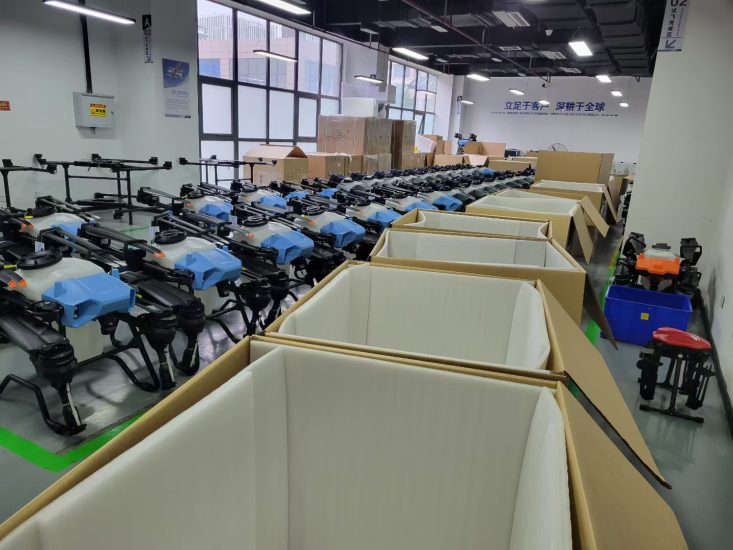
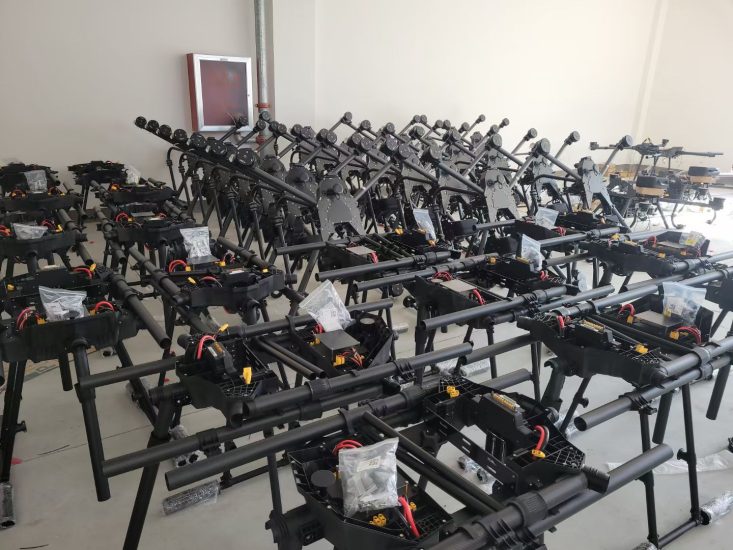
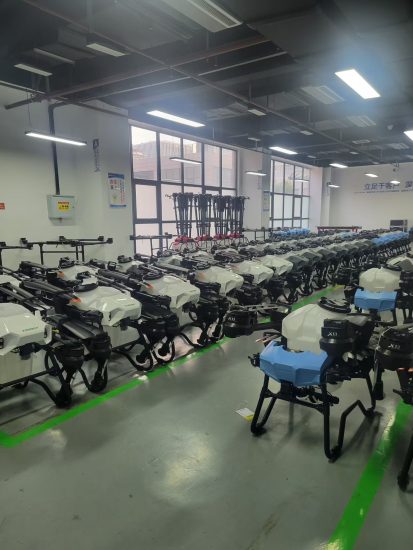
- Factory information
- Production capabilities
- Quality-control procedures
- Available configurations
- Spare-parts support
- Technical documentation
- OEM/ODM capabilities
- Communication during the quotation process
A supplier should be able to provide clear technical information rather than relying only on promotional photographs.
Request a Sample or Initial Order When Appropriate
For distributors entering a new market, an initial smaller order can provide an opportunity to understand the product before committing to a larger quantity.
The buyer can evaluate:
- Assembly
- Flight operation
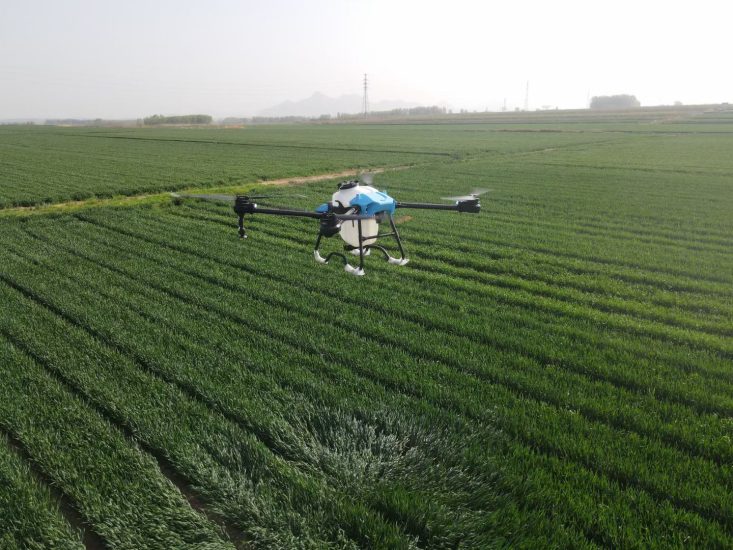
- Spraying performance
- Battery management
- Software
- Maintenance
- Packaging
- Spare parts
- Technical support
The appropriate order size depends on the buyer’s business model and testing requirements.
Questions to Ask Before Placing an Order
A useful purchasing checklist includes:
- What agricultural applications does the drone support?
- What is the recommended working payload?
- What is the tank or hopper capacity?
- What is the actual flight time under load?
- What is the effective spray or spreading width?
- What battery configuration is included?
- What charger is included?
- What spare parts are recommended?
- What technical documentation is supplied?
- What warranty terms apply?
- Can OEM or ODM customization be provided?
- What is the production lead time?
- What packaging is used for export?
- Which shipping options are available?
- Which certifications or documents can be provided?
Having these questions answered before payment can make the purchasing process more transparent.
Building a Long-Term Supply Relationship
For distributors and agricultural equipment businesses, the first order is only the beginning.
Long-term purchasing may involve additional aircraft, replacement batteries, spare parts, updated configurations, accessories, and customized products.
A stable relationship with a manufacturer can make it easier to plan inventory and provide consistent support to customers.
Buyers should therefore consider not only the first shipment but also the manufacturer’s ability to support future orders.
Frequently Asked Questions
Can I buy agricultural drones directly from China?
International buyers can purchase agricultural drones from Chinese manufacturers or suppliers, subject to applicable import, transportation, aviation, and agricultural regulations in the destination market.
Can I request a customized agricultural drone?
Depending on the manufacturer and project requirements, OEM and ODM customization may be available.
Should I buy a spraying or spreading drone?
It depends on the agricultural application. Liquid spraying and granular spreading require different application systems.
Are agricultural drone batteries difficult to ship internationally?
Battery transportation can involve additional logistics and documentation requirements. The shipping method should be confirmed before the order is dispatched.
What should I request before paying?
At minimum, buyers should confirm the product specifications, quotation, included equipment, battery and charger configuration, spare parts, documentation, delivery terms, warranty conditions, and applicable shipping arrangements.
Buying Agricultural Drones From China
Purchasing from China can provide international buyers with access to different agricultural UAV configurations and manufacturing options, but successful procurement requires more than comparing product prices.
The aircraft configuration, application system, battery performance, documentation, spare parts, logistics, destination-country regulations, and after-sales support should all be reviewed before an order is finalized.
For international buyers looking for agricultural spraying drones, fertilizer spreading drones, customized UAV configurations, or OEM/ODM manufacturing, MSOEN can discuss product specifications and project requirements based on the intended application and target market.


No comments yet