



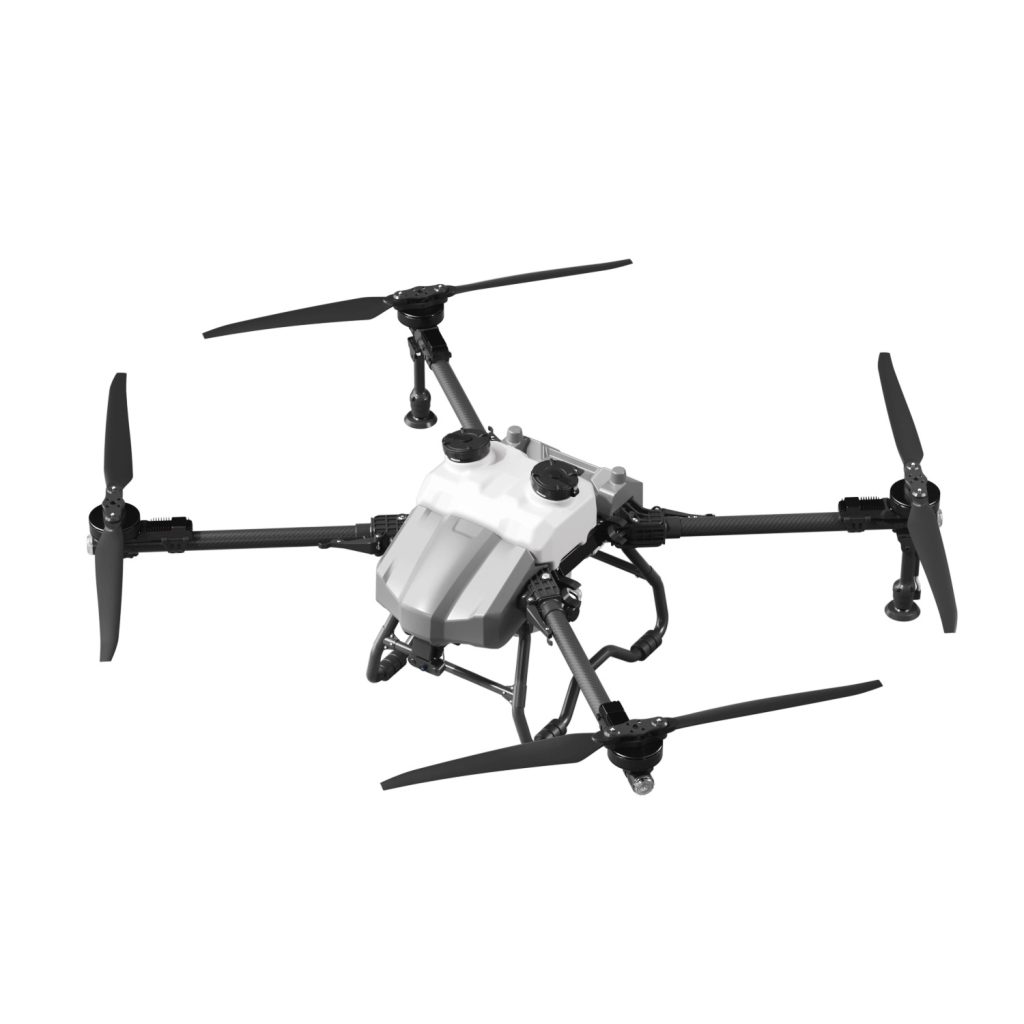
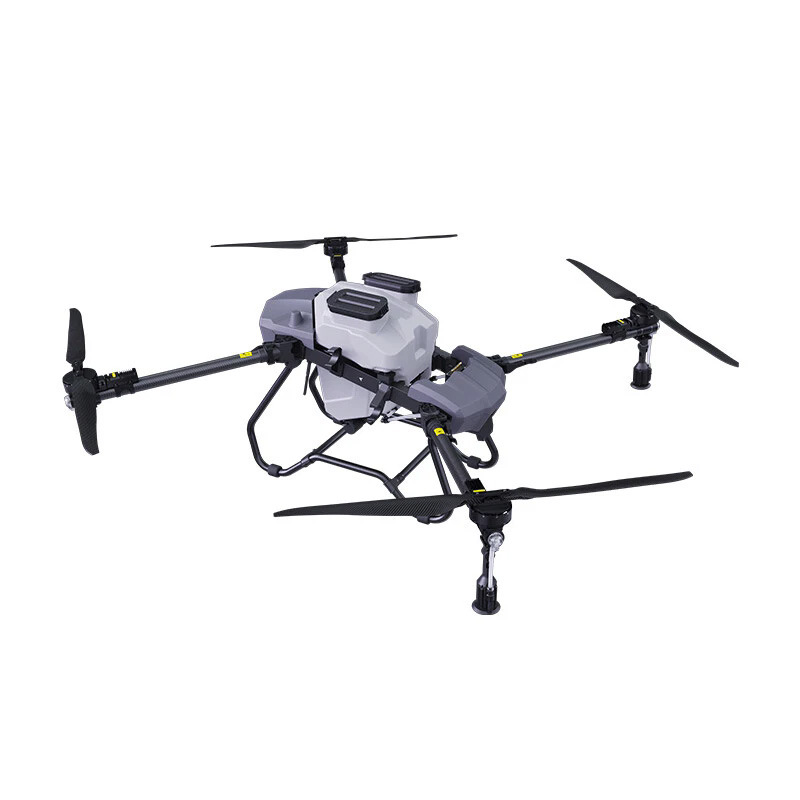
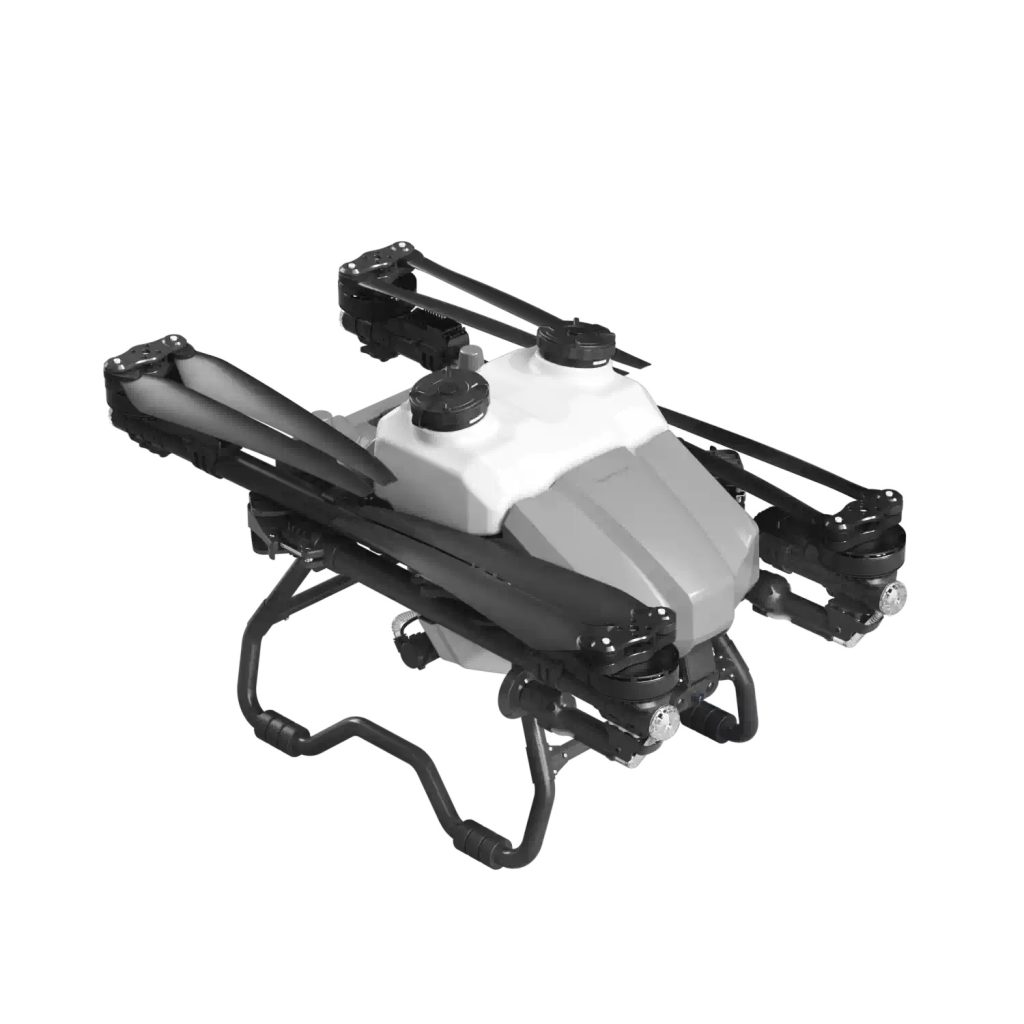
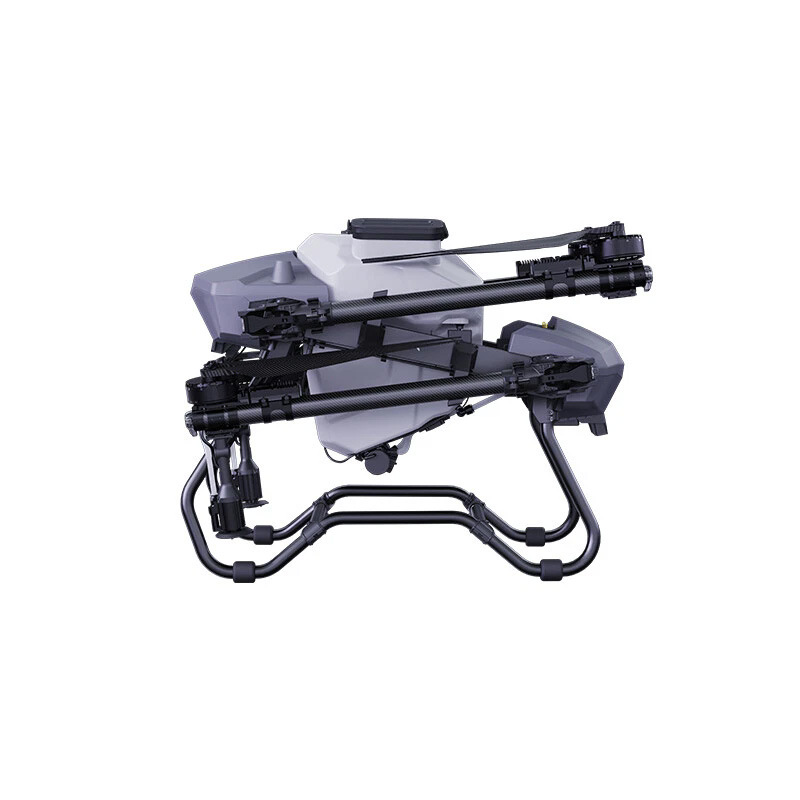
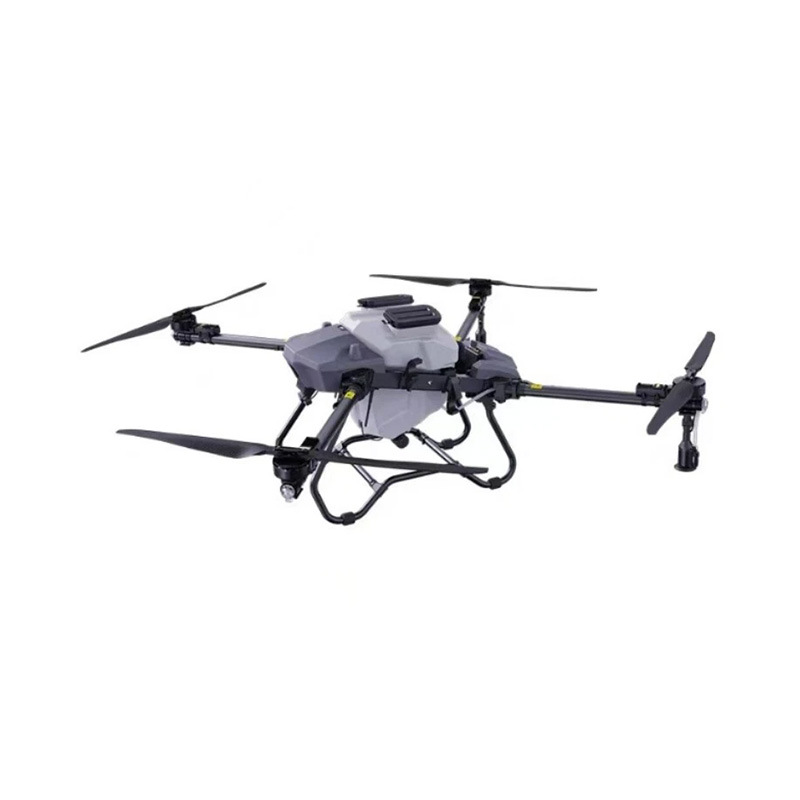
Let’s get one thing straight: flying a drone over a flat cornfield is easy. Flying a drone through a dense, uneven orchard is one of the most technically demanding tasks in modern agriculture. Yet, manufacturers keep selling “fully automatic” drones to fruit growers, promising that the machine will handle everything.
They are lying to you. Or at least, they are omitting a critical truth.
If you are a fruit grower—whether you manage citrus, apples, or stone fruits—and you have experienced a “fly-away,” a sudden crash into a tree trunk, or a drone that inexplicably loses altitude and clips a branch, you know the sinking feeling. It’s not just the cost of the repair; it’s the lost time, the damaged trees, and the frustration of technology failing you when you needed it most.
Most people blame the pilot. They say, “You weren’t paying attention,” or “You need more practice.” But after analyzing hundreds of crash reports and speaking with seasoned operators, I’ve found a different culprit. It’s a single, overlooked parameter that 90% of fruit growers ignore when buying a drone: Terrain Following Accuracy.
This isn’t about GPS. It’s not about battery life. It’s about the drone’s ability to understand the world beneath it while moving at 30 mph.
Part 1: The Myth of “Set It and Forget It”
Marketing brochures love the word “Automatic.” They show a pilot pressing a button, and the drone flies off, spraying perfectly. What they don’t show you is what happens when the drone encounters a 15-foot drop in elevation between two rows of trees, or when the sunlight hits the canopy at an angle that blinds the sensors.
Standard agricultural drones use a combination of GPS and a barometer to maintain altitude. In an open field, this works fine. But orchards are three-dimensional mazes.
-
GPS Drift: Under tree canopies, GPS signals bounce off branches and leaves. This causes “multipath error,” where the drone thinks it is 10 feet higher than it actually is.
-
Barometric Pressure Changes: A sudden gust of wind or a change in temperature can alter the air pressure, tricking the barometer into thinking the drone has climbed when it has actually stayed level.
When these systems fail, the drone relies on its last line of defense: the Downward Vision System. And this is where the fatal flaw lies.
Part 2: The Fatal Parameter – Terrain Following Latency
Most growers look at the camera resolution or the payload capacity. Those are important, but they won’t stop a crash. The parameter you should be obsessing over is Terrain Following Response Time (often measured in milliseconds) and Obstacle Avoidance Radar Refresh Rate.
Imagine you are flying down a row of almond trees. The ground suddenly slopes upward sharply. A drone with poor terrain following will continue flying at its set altitude until its downward sensor realizes it is too low. By the time the software processes the data and tells the motors to speed up, it’s already too late—the propellers have clipped the top of the tree.
The Real-World Scenario:
A common mistake is buying a drone designed for flat farmland and trying to use it in hilly orchards. These drones typically have a terrain following latency of 200ms or more. At a flight speed of 10 meters per second, the drone travels 2 meters before it reacts to a height change. In an orchard, 2 meters is the difference between clearing a branch and destroying a $15,000 machine.
High-end orchard drones reduce this latency to under 50ms. They use dual-frequency radar systems that don’t just look down; they look forward and to the sides, creating a 3D map of the environment in real-time.
Part 3: The “Blind Spot” Problem
Another reason for crashes is the reliance on optical flow sensors (cameras) for positioning. While flying over green grass or brown soil, these cameras work great. But fly them over dark water, muddy ground, or dense shade, and the optical flow sensor loses its reference point. The drone thinks it is stationary and starts to drift, or worse, it tries to correct its position by diving toward the nearest solid object—usually a tree trunk.
Fruit growers need to look for drones with RTK (Real-Time Kinematic) positioning combined with Millimeter-Wave Radar. Unlike cameras, radar is not affected by light, shadows, or the color of the ground. It sees through the clutter.
Part 4: The Human Factor – Over-Reliance
The danger of “pseudo-automatic” systems is that they make pilots lazy. When a pilot trusts the drone to avoid obstacles, they stop scanning the environment. They start looking at their phone or checking the spray tank.
In my experience, the most dangerous moment is not during the flight itself, but during the turn. When a drone reaches the end of a row and initiates a turn, its orientation changes. If the obstacle avoidance system is not calibrated for the specific turning radius of that drone, it creates a “blind arc” where it cannot see the trees on the inside of the turn. This is why so many crashes happen at the end of the row.
Part 5: How to Choose a Drone That Won’t Crash
If you are in the market for a drone, ignore the marketing fluff. Ask the salesperson these three questions:
-
“What is the terrain following response time in milliseconds?” If they can’t answer, walk away. You want a number below 100ms.
-
“Does it use LiDAR or Radar for obstacle avoidance, or just cameras?” Cameras fail in orchards. Radar is king.
-
“Can I see the raw data log of a crash?” A reputable manufacturer will provide flight logs that show exactly which sensor failed.
Conclusion: Fly Smart, Not Blind
Owning a drone in the fruit industry is no longer optional; it’s a necessity for staying competitive. But don’t let the allure of “automatic” features lull you into a false sense of security. The difference between a successful season and a costly disaster often comes down to a single technical specification that nobody talks about.
Stop looking at the megapixels of the camera. Start looking at the milliseconds of the sensors. Your trees—and your bank account—will thank you.
THE END


No comments yet