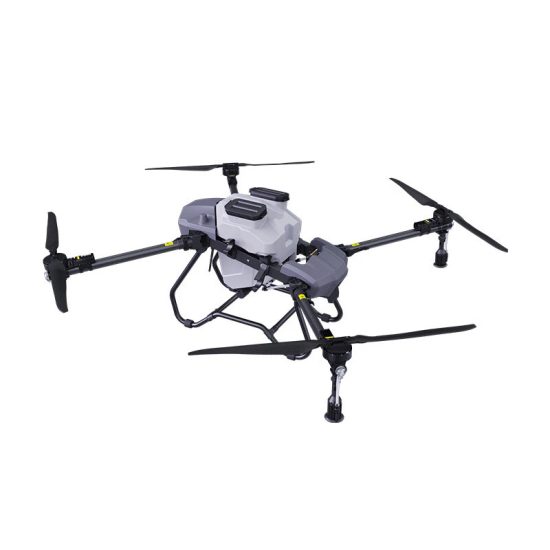


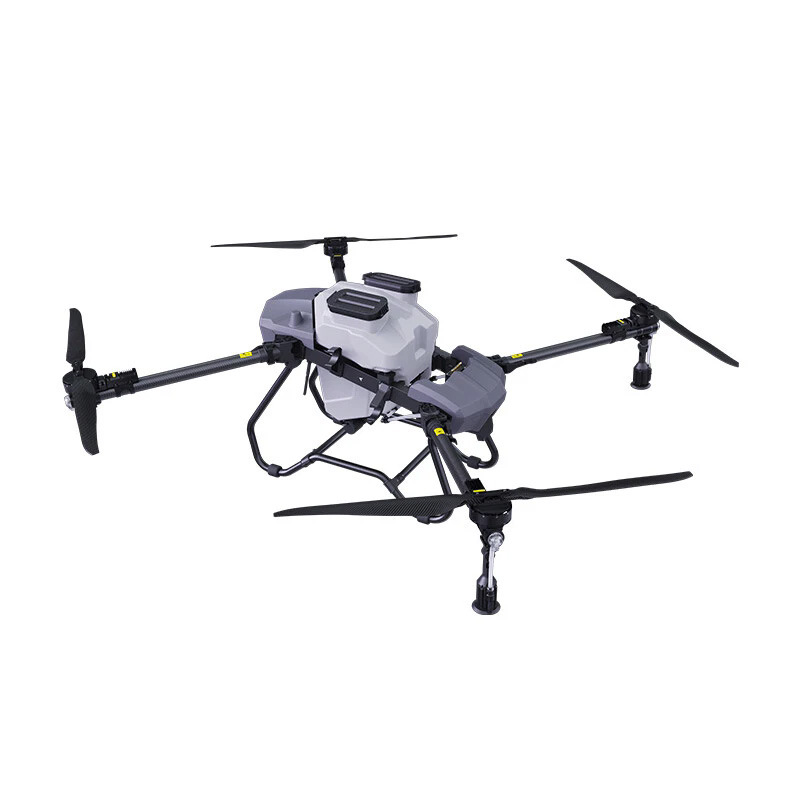
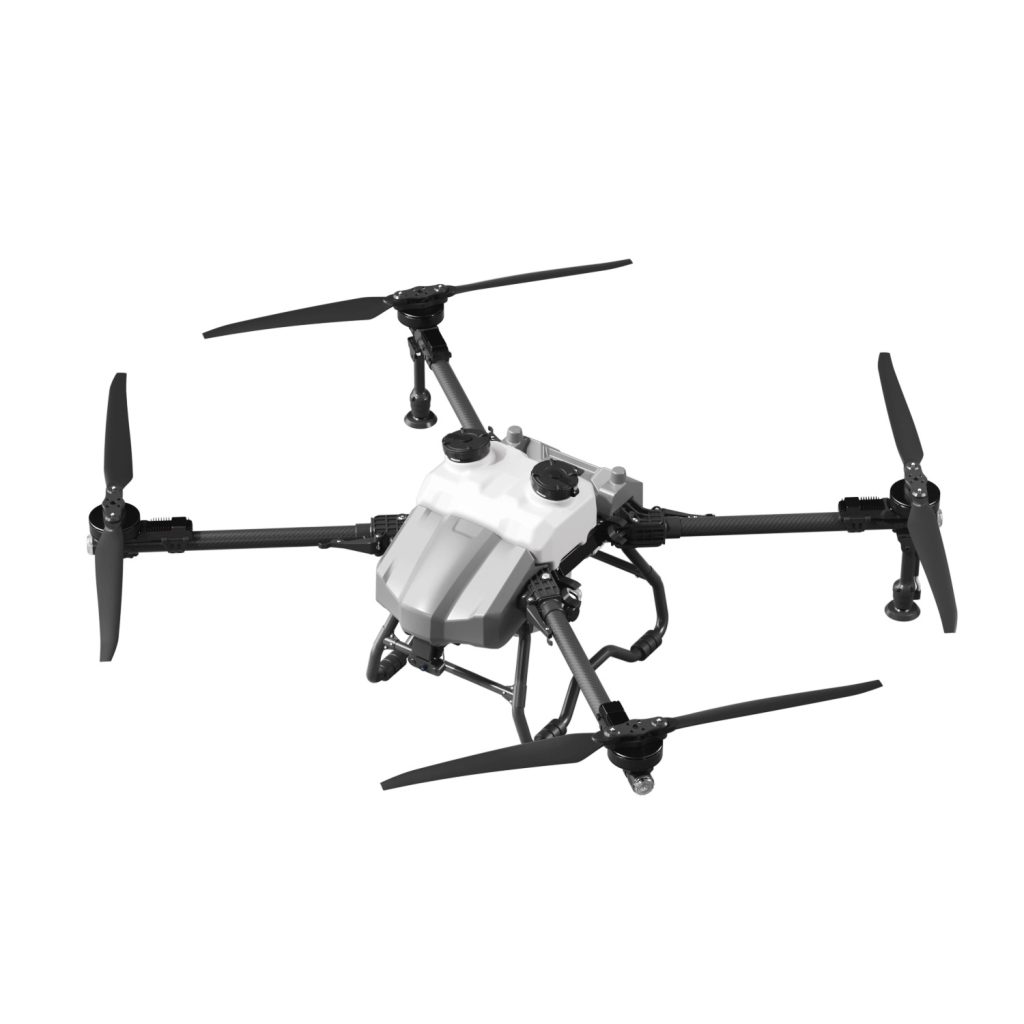


Let’s cut the technical jargon. If you own a drone spraying business, you aren’t in the “agriculture technology” business; you are in the margins business. Most operators look at their revenue, see the daily rate, and think they are doing well. But when you actually break down the numbers, most are leaving thousands of dollars on the table every month.
I recently sat down with a veteran operator who transitioned from traditional ground rigs to a fleet of heavy-lift agricultural drones. He showed me his ledger, and the math was staggering. By switching to drones and optimizing his workflow, he isn’t just saving money—he’s increasing his net profit by roughly $200 per acre compared to his old methods.
Where does that number come from? It’s not just about the cost of the drone. It’s about the hidden economics of efficiency. Here is how the math works out:
1. The Labor Arbitrage (Saving $80/Acre)
Traditional manned aircraft or ground sprayers require a crew. You need a pilot, a mixer/loader, and often a spotter. Drones require one person.
The Math: If you pay a crew of three $20/hour each, and you cover 50 acres in an hour, your labor cost per acre is $1.20. With a drone, it’s $0.40. Over a 1,000-acre contract, that’s $800 saved. Scale that over a season, and you’ve just added $80 to your bottom line per acre.
2. Chemical Efficiency (Saving $60/Acre)
This is the secret sauce. Manned planes fly high and waste chemicals due to drift. Ground rigs crush crops and use excess water.
The Math: Drones use electrostatic spraying and precise droplet control. Operators report using 30-40% less pesticide and fertilizer. On a standard corn or soybean field, chemical costs are roughly $15-$20 per acre. Reducing that by a third saves you $5-$7 instantly. But the real saving is in water: drones use 1/10th the water of tractors. No more hauling massive tanks. That logistical saving alone adds another $50+ per acre in fuel and time.
3. The “No-Crush” Premium (Saving $40/Acre)
Walk into any soybean field sprayed by a ground rig in wet conditions. You will see crushed stalks. In corn, the yield loss from wheel tracks is real.
The Math: Studies show ground rigs can cause 5-10% yield loss due to soil compaction and crop damage. If an acre yields $700 worth of crop, you are losing $35-$70 just by driving through it. Drones cause zero soil compaction and zero crop damage. For a farmer hiring you, this is the ultimate selling point. You can charge a premium because you protect their yield.
4. Speed & Turnaround (The Hidden $20/Acre)
Time is the only non-renewable resource in farming.
The Math: A drone doesn’t need to be refilled or decontaminated between fields. You land, swap a battery, and you’re back in the air in 3 minutes. This allows you to take on “emergency” jobs—fungicide applications during critical windows where ground rigs are stuck in the mud. These rush jobs command a 20-30% premium.
The Bottom Line
If you are charging $12-$15 per acre for drone services, you might feel like you are competing on price. But if you factor in the savings in labor, chemicals, and crop protection, you are delivering $200+ worth of value per acre to the farmer.
Stop thinking like a pilot. Start thinking like a CEO. The drone isn’t an expense; it’s a margin-expansion tool. Run your numbers again. You’ll see the same thing we did: the profit isn’t in the flying; it’s in the accounting.


No comments yet