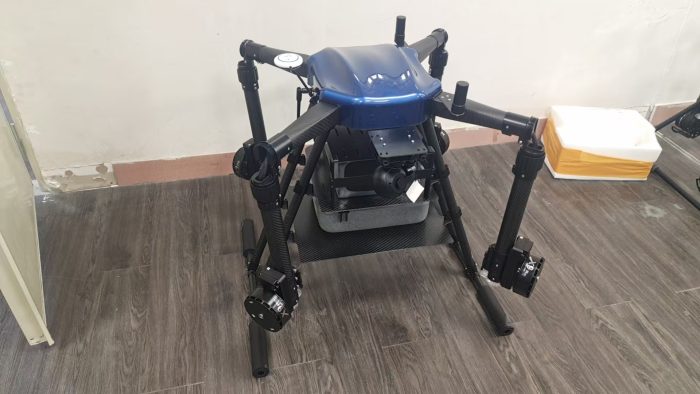


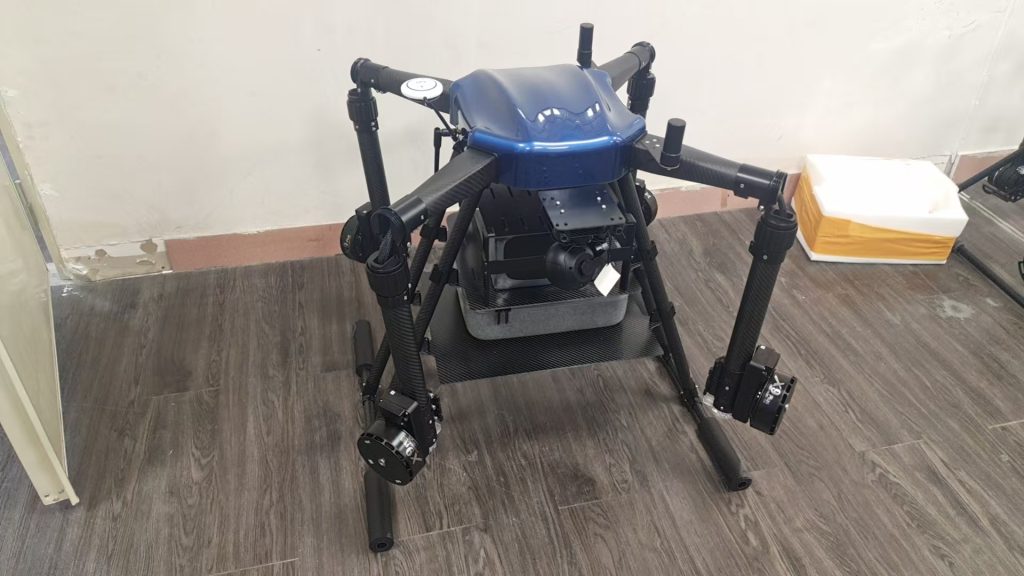
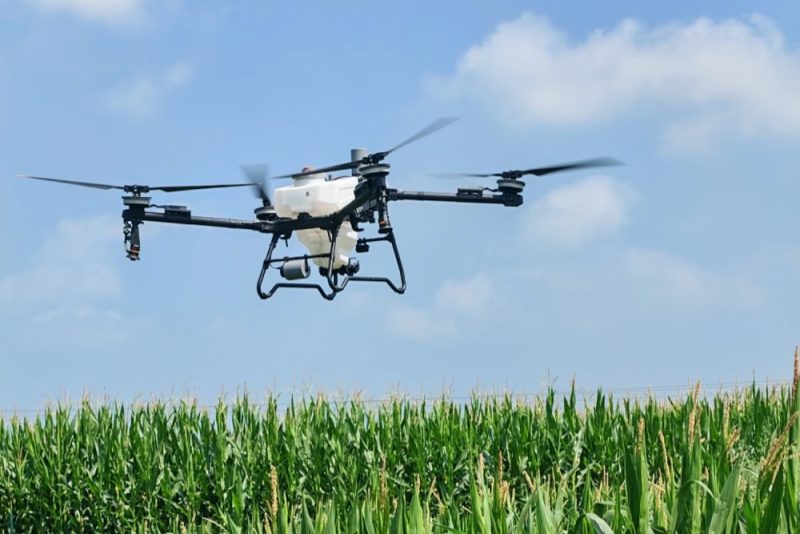
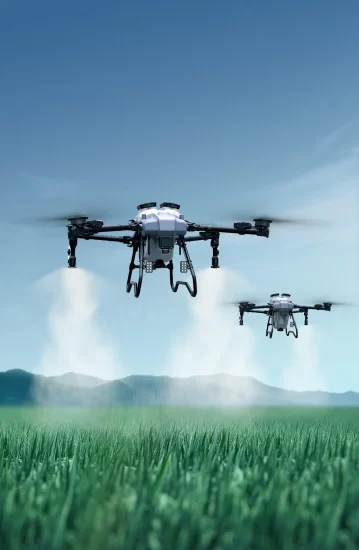
As large-scale farming operations adopt precision agriculture technologies, agricultural drones have become essential tools for spraying, seeding, and monitoring crops. Many international buyers turn to China for sourcing these drones due to competitive pricing, advanced technology, and flexible manufacturing capabilities. This step-by-step guide outlines how to buy agricultural drones from China effectively for large-scale farming operations.
Step 1: Assess Your Farming Requirements
Before purchasing, clearly define the operational requirements:
- Farm size: Total area to cover daily or weekly.
- Crop type: Different crops may require specific drone configurations.
- Application method: Spraying, seeding, fertilizing, or multi-functional use.
- Operational environment: Terrain, weather conditions, and accessibility.
- Labor and automation needs: Level of automation desired to reduce human intervention.
A thorough assessment ensures you select drones suited to your operational goals.
Step 2: Choose the Right Drone Specifications
Key specifications to consider for large-scale operations include:
- Payload capacity: Determines how much liquid or seed the drone can carry.
- Tank or hopper size: Larger tanks reduce refill frequency, improving efficiency.
- Flight endurance: Longer flight time covers more area per mission.
- Spraying or spreading precision: Ensures uniform application for optimal yield.
- Flight stability: Maintains performance under variable wind or uneven terrain.
Matching drone specifications with farm needs maximizes productivity and return on investment.
Step 3: Explore Customization Options
China-based suppliers provide extensive customization opportunities:
- Software localization: Language settings and interface adjustments.
- Hardware modifications: Custom payload, tank size, or nozzle configurations.
- Branding and packaging: Private-label or OEM solutions.
- Regulatory compliance: Features adapted for local farming regulations.
Customization ensures drones meet local requirements and operational preferences.
Step 4: Evaluate Supplier Capabilities
When sourcing from China, assess supplier reliability:
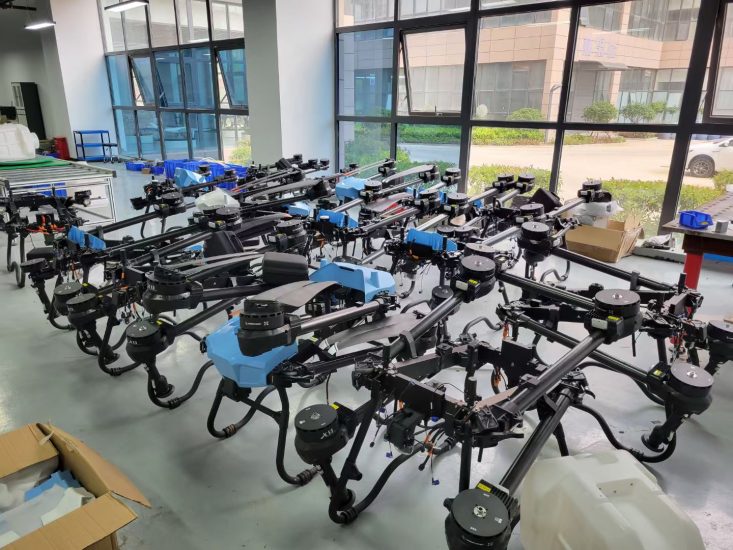
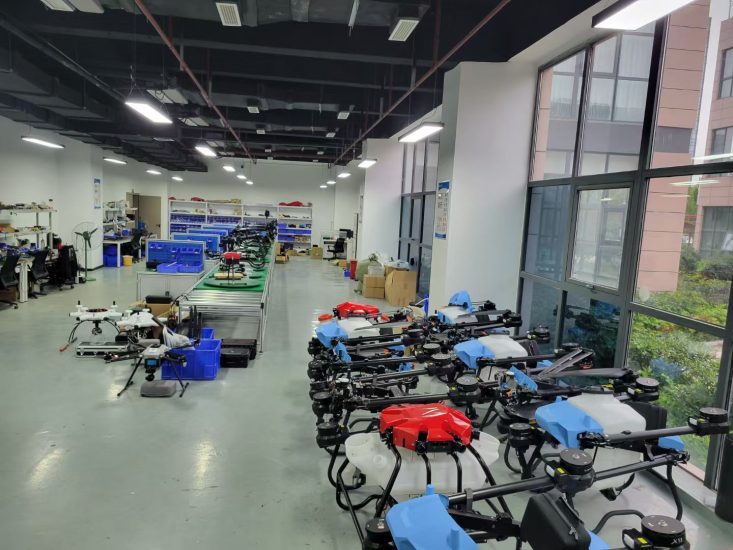
- Manufacturing capacity and experience
- Product testing procedures
- Export documentation and logistics support
- After-sales service and technical support
Choosing a reliable supplier reduces risks and ensures consistent drone quality.
Step 5: Understand Quality Control and Testing
Agricultural drones should undergo rigorous testing to guarantee performance:
- Flight stability testing to handle full payloads.
- Spraying or seeding accuracy checks to ensure uniform coverage.
- Battery performance evaluation for safe and long-duration operations.
- Pre-shipment inspection to verify all systems function correctly.
Proper quality control protects your investment and ensures operational reliability.
Step 6: Plan Export Logistics and Delivery
Key considerations for importing drones include:
- Shipping method: Air freight for faster delivery, sea freight for cost efficiency.
- Export packaging: Protects drones and components during transit.
- Customs documentation: Includes invoices, packing lists, and technical specifications.
- Delivery timeline: Allows coordination with seasonal farming schedules.
Working with experienced freight partners can streamline the import process.
Step 7: Operator Training and Deployment
After delivery, proper training ensures efficient and safe drone operation:
- Basic assembly and system calibration
- Flight simulation and practice missions
- Operational safety protocols
- Maintenance procedures and troubleshooting
Trained operators maximize drone productivity and reduce operational risks.
Step 8: Maintenance and Spare Parts Planning
Large-scale operations require long-term maintenance planning:
- Scheduled battery replacement and system checks
- Availability of spare parts
- Remote technical support from the supplier
- Firmware and software updates
A proactive maintenance plan extends drone life and ensures consistent farm coverage.
Step 9: Monitor Performance and Optimize Operations
After deployment, monitor drone performance to improve efficiency:
- Track coverage area per flight
- Measure chemical or seed usage efficiency
- Identify areas needing adjustment
- Optimize flight paths and operational schedules
Data-driven optimization ensures maximum return on investment.
Step 10: Leverage Technology for Sustainable Farming
Agricultural drones contribute to sustainable farming practices:
- Reduce chemical and fertilizer waste
- Minimize soil compaction from heavy machinery
- Enhance precision in crop management
- Lower labor requirements and energy consumption
Integrating drones into large-scale farming supports productivity and environmental responsibility.
Conclusion
Buying agricultural drones from China for large-scale farming requires careful planning, supplier evaluation, and operational preparation. By following this step-by-step guide, farm owners and agricultural service providers can acquire drones that enhance efficiency, precision, and sustainability. With the right selection, training, and maintenance, agricultural drones from China offer a scalable and future-ready solution for modern large-scale farming operations.



No comments yet