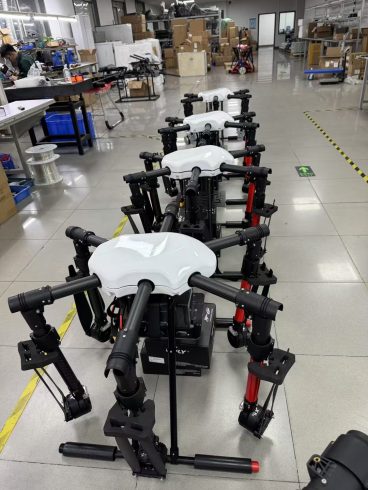


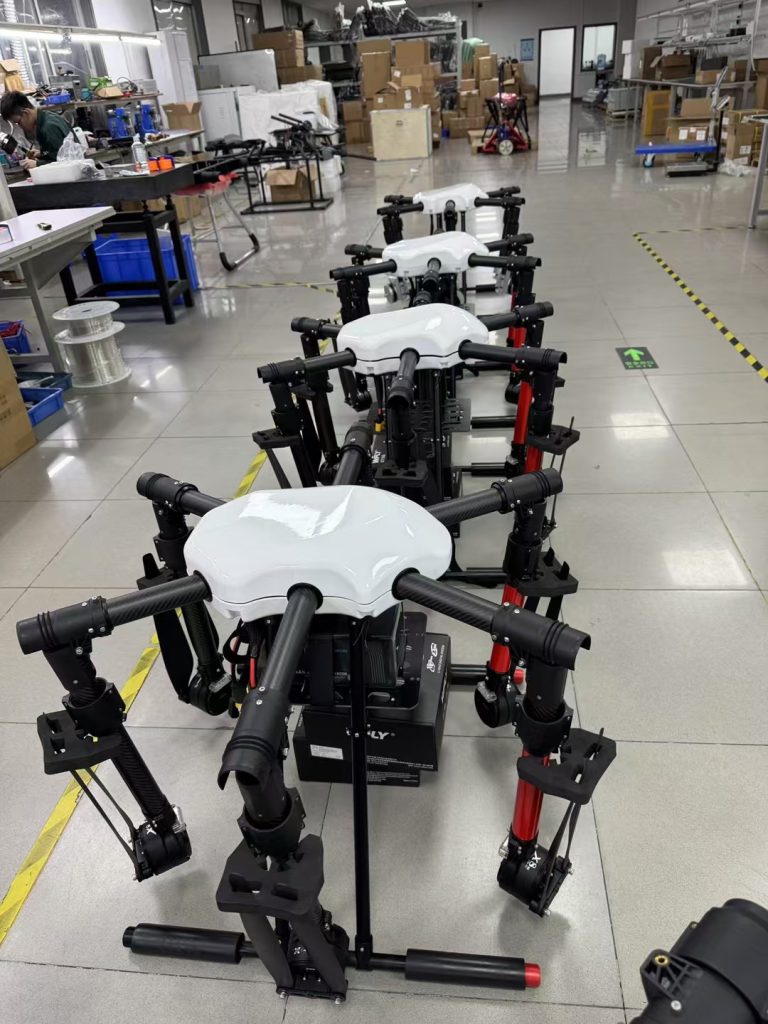
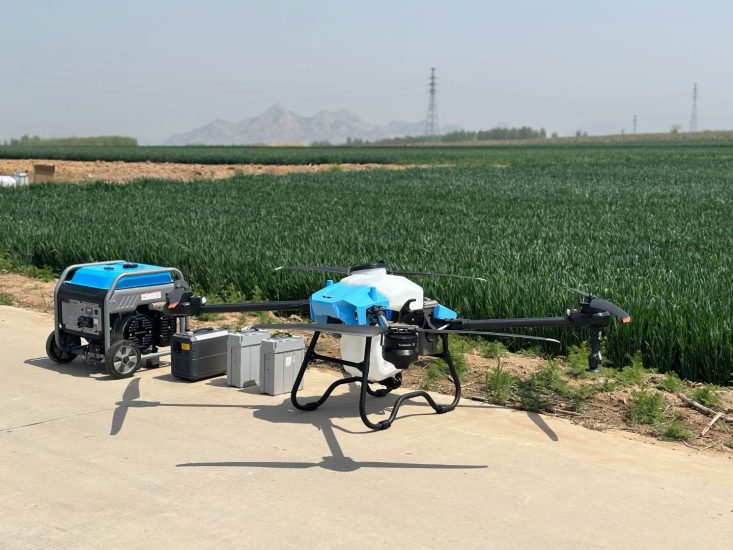
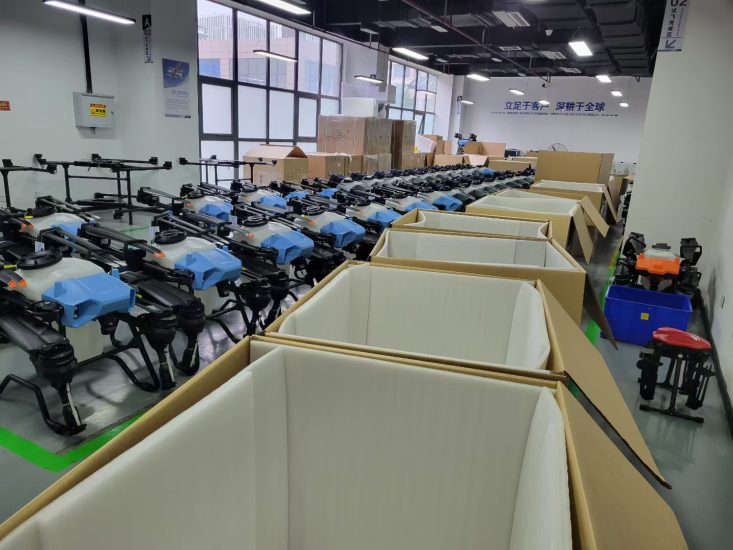
In the symphony of modern agriculture, forestry, and public maintenance, the spraying system plays a quiet yet pivotal role. It is the mechanism that delivers life-saving water to parched crops, shields plants from pests with targeted chemicals, and paints urban green spaces with vibrant growth. Yet, beyond its basic function of “spreading liquid,” today’s spraying systems have evolved into sophisticated, intelligent tools—blending engineering precision with sustainability to redefine how we interact with the environment.
From Clumsy Brushes to Smart Nozzles: The Evolution of Spraying Systems
Traditional spraying systems were defined by brute force and imprecision. Think of a farmer hauling a backpack sprayer through a field, manually pumping to douse crops with pesticides, or a gardener wielding a hose with a simple fan nozzle—methods that wasted up to 60% of liquids through overspray, drift, or uneven distribution. These systems prioritized coverage over efficiency, exposing users to harmful chemicals and polluting nearby ecosystems.
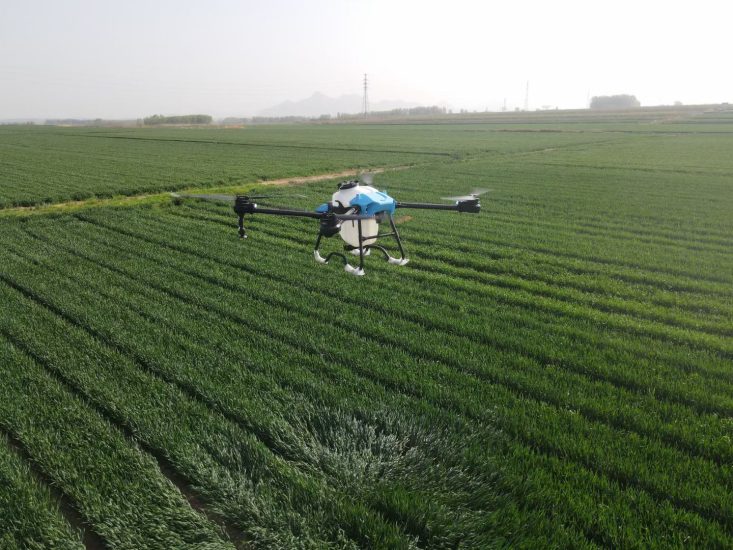
The turning point came with the integration of technology. Modern spraying systems now merge hardware (nozzles, pumps, tanks) with software (sensors, AI, GPS) to deliver liquids only where needed, in exactly the right amount. This shift from “spray everything” to “spray smart” has transformed industries dependent on liquid application.
The Anatomy of a Smart Spraying System: Key Innovations
At the heart of a modern spraying system lie three core components working in harmony:
1. Adaptive Nozzle Technology
Nozzles are no longer one-size-fits-all. Advanced systems use variable-orifice nozzles that adjust droplet size and spray pattern based on real-time conditions. For example, anti-drift nozzles in agricultural systems produce larger droplets in windy weather to prevent chemicals from blowing into neighboring fields, while fine-mist nozzles target dense pest clusters on leaves. In greenhouses, directional nozzles focus sprays on plant canopies, avoiding walkways and reducing worker exposure.
2. Sensor-Driven Feedback Loops
Sensors are the “eyes and ears” of smart spraying systems. Pressure sensors monitor tank levels and pump performance; flow meters track liquid output to ensure consistency; and spectral sensors (often paired with drones or tractors) detect crop health or pest hotspots. In vineyards, for instance, a spraying system linked to multispectral cameras can identify mildew-infected vines and automatically increase fungicide application to those areas—while skipping healthy ones.
3. AI-Powered Variable Rate Application (VRA)
Artificial intelligence elevates spraying systems from reactive to predictive. By analyzing data from sensors, weather forecasts, and historical yield maps, AI algorithms adjust spray volume, speed, and concentration dynamically. A soybean farm using a VRA-enabled system might apply 20% more fertilizer to nitrogen-deficient patches and 10% less to areas with excess moisture—optimizing input use without compromising yield.
Applications: Beyond the Farm
While agriculture dominates discussions of spraying systems, their impact spans diverse sectors:
-
Horticulture & Orchards: Drip irrigation systems with micro-sprayers deliver water and nutrients directly to tree roots, reducing evaporation by 50% compared to overhead sprinklers. In apple orchards, targeted sprayers avoid flowers during pollination season, protecting bees while controlling pests.
-
Forestry: Helicopter-mounted spraying systems combat invasive insects (e.g., bark beetles) in remote forests, using GPS to navigate rugged terrain. Some systems even mix fire retardants with water to slow wildfire spread.
-
Urban Maintenance: City parks use autonomous ground robots with spraying systems to trim weeds along sidewalks, while golf courses employ precision sprinklers to keep greens lush without flooding fairways.
The Sustainability Dividend
Smart spraying systems are a cornerstone of sustainable resource management. By minimizing waste, they cut costs for users and reduce environmental harm:
-
Chemical Reduction: Targeted application slashes pesticide and fertilizer use by 30–70%, lowering runoff into rivers and groundwater.
-
Water Conservation: Drip and micro-spray systems use 50–80% less water than traditional sprinklers, critical in drought-prone regions like the American West.
-
Labor Safety: Automation eliminates the need for workers to handle hazardous chemicals manually, reducing health risks.
Challenges and the Road Ahead
Despite their promise, spraying systems face hurdles. High upfront costs for advanced sensors and AI software can exclude small-scale users, though modular designs (e.g., retrofitting old tractors with smart nozzles) are improving accessibility. Maintenance also requires expertise—clogged nozzles or faulty sensors can disrupt precision, demanding regular calibration.
Looking forward, innovation will focus on integration and sustainability. Imagine spraying systems synced with IoT soil sensors to adjust sprays hourly, or biodegradable nozzles made from plant-based plastics. Solar-powered systems for off-grid farms and swarm robotics (multiple small robots coordinating sprays) could further democratize access to smart technology.
Conclusion
The spraying system has come a long way from its humble beginnings. Today, it is a testament to how engineering can balance productivity with planetary care—turning a simple act of spreading liquid into a science of precision. As climate change and resource scarcity intensify, these systems will only grow more vital, proving that even the smallest tools can shape a greener, more efficient world. In the end, a well-designed spraying system does more than apply liquid: it applies intelligence.
THE END


No comments yet