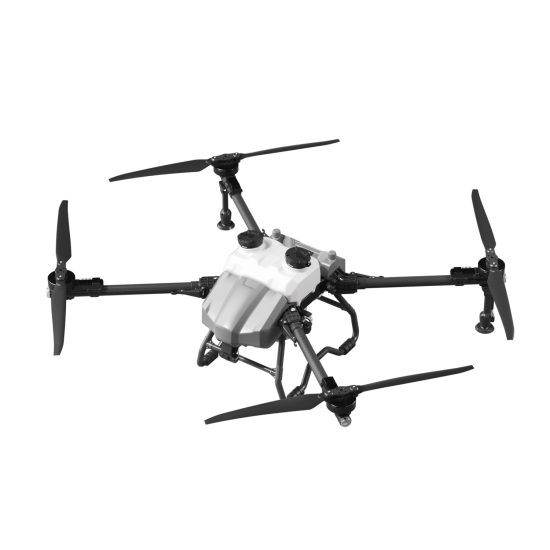


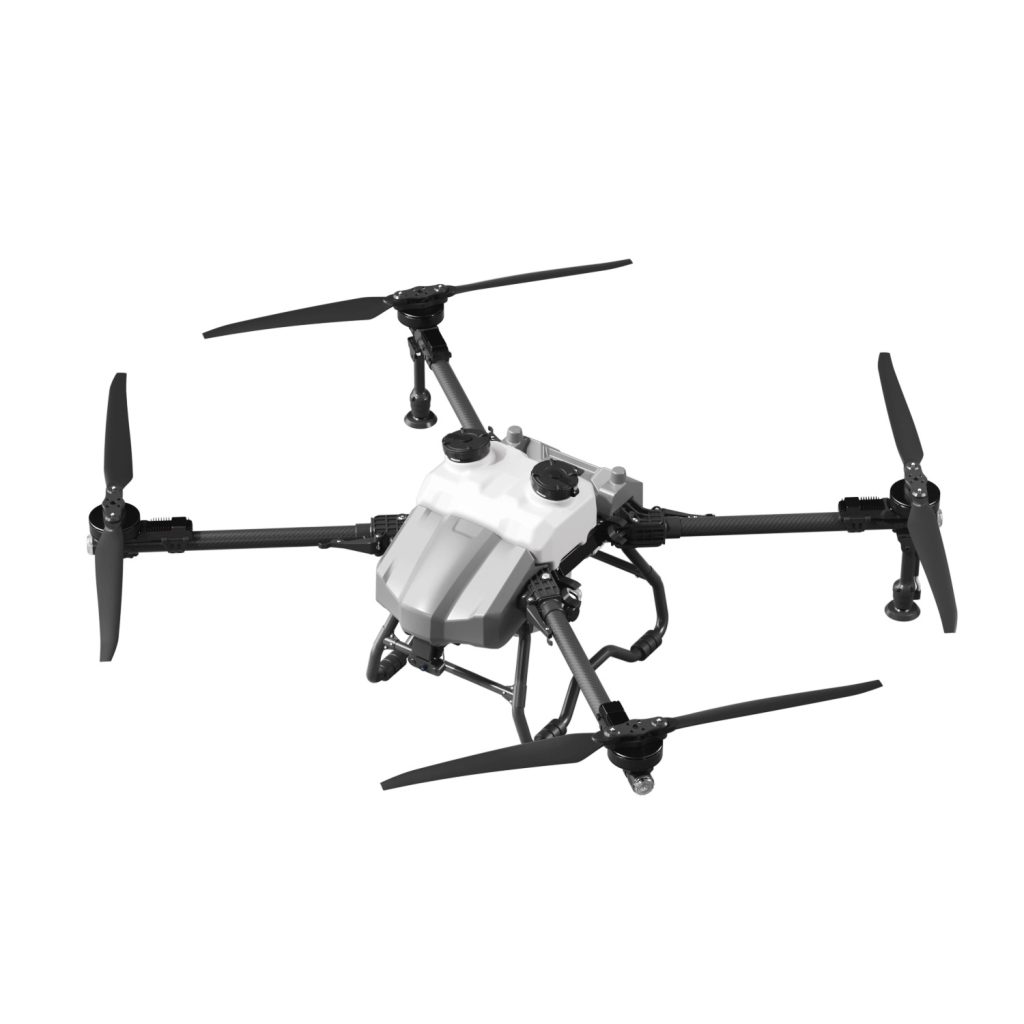

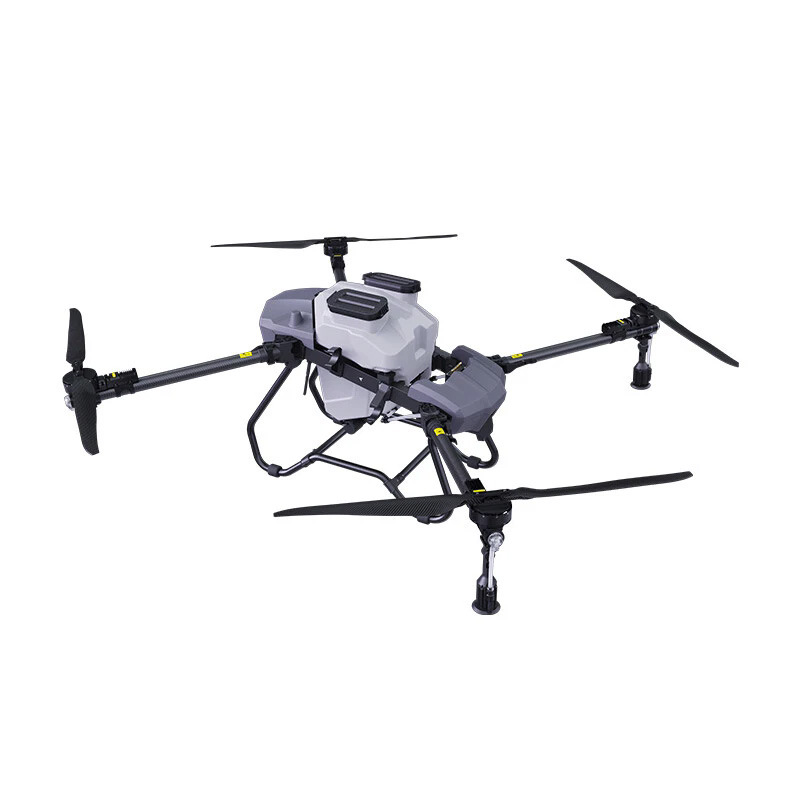

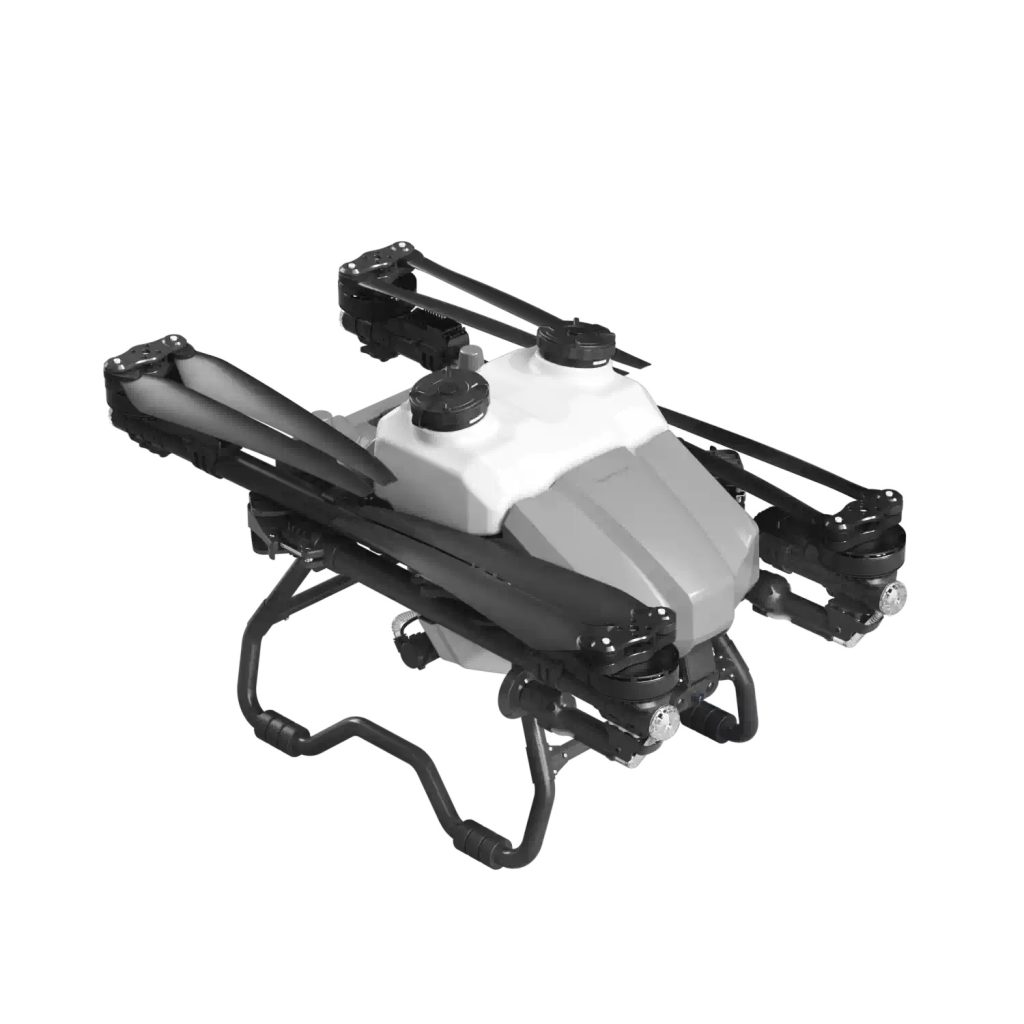
In the era of digital agriculture, smart farming solutions are transforming how crops are managed and cultivated. Among these innovations, agricultural spraying drones stand out as one of the most effective tools for improving efficiency, reducing costs, and increasing productivity. By integrating drone technology into farming operations, growers can achieve precise, data-driven crop management like never before.
What Is Smart Farming?
Smart farming refers to the use of advanced technologies such as IoT (Internet of Things), artificial intelligence (AI), GPS, and data analytics to optimize agricultural processes. The goal is to make farming more efficient, sustainable, and profitable.
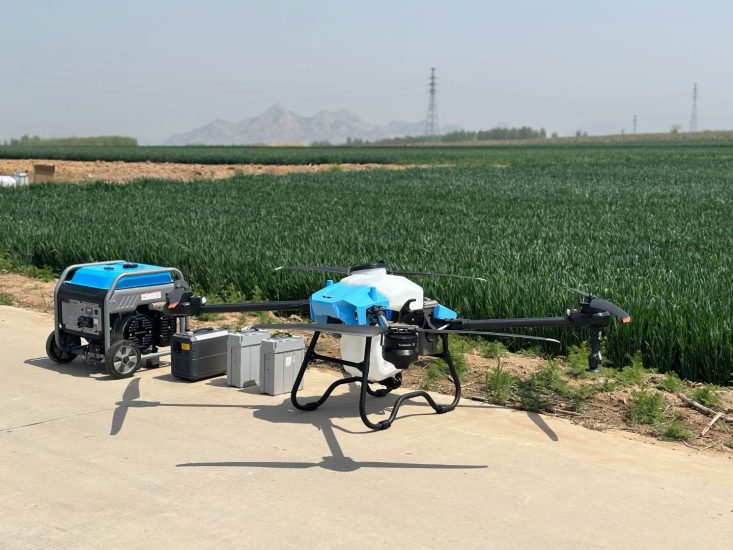
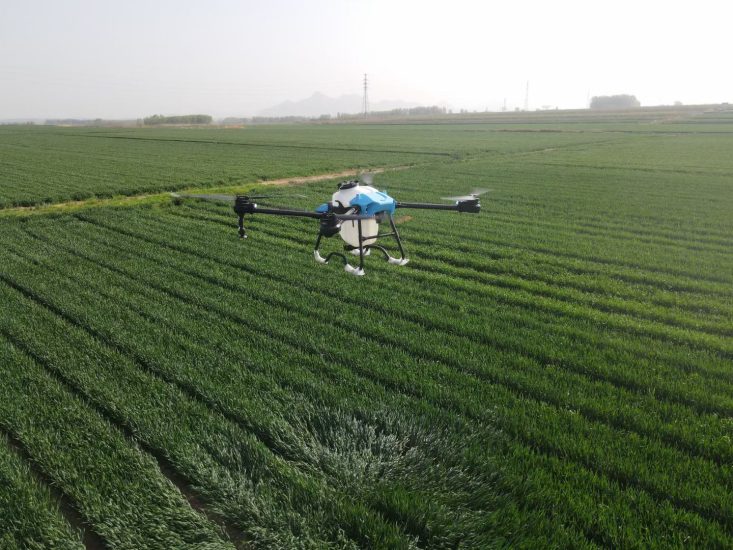
Agricultural drones play a central role in smart farming by enabling automated and precise crop spraying.
The Role of Drones in Smart Farming
Agricultural spraying drones are more than just flying machines—they are intelligent systems designed to:
- Collect real-time field data
- Analyze crop conditions
- Execute precise spraying operations
- Optimize resource usage
These capabilities make drones an essential component of modern smart farming systems.
Benefits of Using Drones for Crop Spraying
1. Precision Agriculture at Scale
Drones allow farmers to apply pesticides and fertilizers only where needed. With GPS mapping and field analysis, drones can target specific problem areas instead of spraying entire fields.
This results in:
- Reduced chemical usage
- Healthier crops
- Increased yield
2. Real-Time Monitoring and Decision Making
Many agricultural drones are equipped with sensors and cameras that provide real-time insights into crop health.
Farmers can:
- Detect pests and diseases early
- Monitor plant growth
- Identify nutrient deficiencies
With this data, farmers can make faster and more accurate decisions.
3. Automation and Efficiency
Smart drones operate with minimal human intervention.
Key automation features include:
- Pre-programmed flight paths
- Automatic spraying control
- Terrain-following technology
This reduces manual labor and ensures consistent results across the entire field.
4. Cost Optimization
By reducing labor, chemical waste, and operational time, drones significantly lower farming costs.
Farmers benefit from:
- Lower input expenses
- Higher operational efficiency
- Better return on investment
5. Environmental Sustainability
Smart farming focuses on sustainability, and drones contribute by:
- Minimizing over-spraying
- Reducing soil damage (no heavy machinery)
- Lowering water and chemical usage
This helps protect the environment while maintaining high productivity.
Integration with Other Smart Farming Technologies
Agricultural drones can be integrated with other smart farming systems for even greater efficiency:
1. IoT Sensors
Ground-based sensors collect data on soil moisture, temperature, and nutrients. Drones use this data to optimize spraying strategies.
2. Farm Management Software
Drone data can be uploaded to cloud platforms, allowing farmers to analyze performance, track field conditions, and plan future operations.
3. AI and Data Analytics
AI algorithms analyze drone-collected data to predict crop health issues and recommend precise treatments.
Use Cases in Different Crops
Drones are widely used across various agricultural sectors:
- Rice fields: efficient pesticide spraying
- Wheat and corn: large-scale coverage
- Orchards: targeted spraying for trees
- Vineyards: precision treatment in complex layouts
These applications demonstrate the versatility of drone technology in agriculture.
Challenges in Smart Drone Farming
Despite the benefits, there are some challenges:
- Initial investment cost
- Need for technical knowledge
- Battery limitations
- Regulatory restrictions in some countries
However, ongoing advancements are rapidly addressing these issues.
Future of Smart Farming with Drones
The future of smart farming will see even deeper integration of drones with advanced technologies:
- Fully autonomous drone fleets
- AI-powered crop prediction systems
- 5G-enabled real-time communication
- Cloud-based farm automation platforms
These developments will make agriculture more intelligent, efficient, and scalable.
Conclusion
Using drones for crop spraying is one of the most powerful smart farming solutions available today. With their ability to deliver precision, automation, and data-driven insights, agricultural drones are helping farmers achieve higher yields while reducing costs and environmental impact.
As smart farming continues to evolve, drones will play an even more important role in shaping the future of agriculture.
SEO Tags:
smart farming drone, agricultural spraying drone, crop spraying UAV, precision agriculture technology, farm automation drone, agriculture IoT drone, smart agriculture solutions, pesticide spraying drone, UAV farming system, modern farming technology


No comments yet