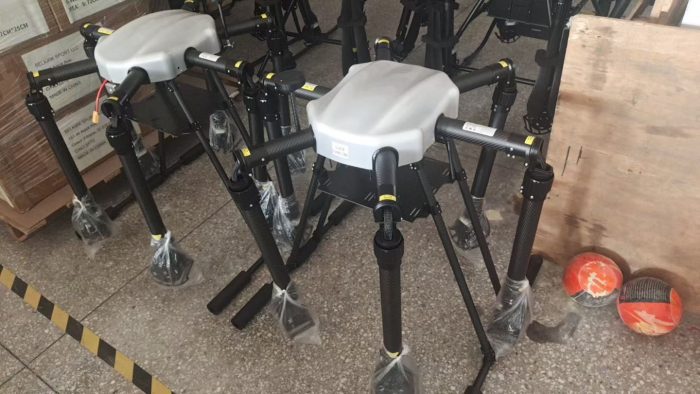


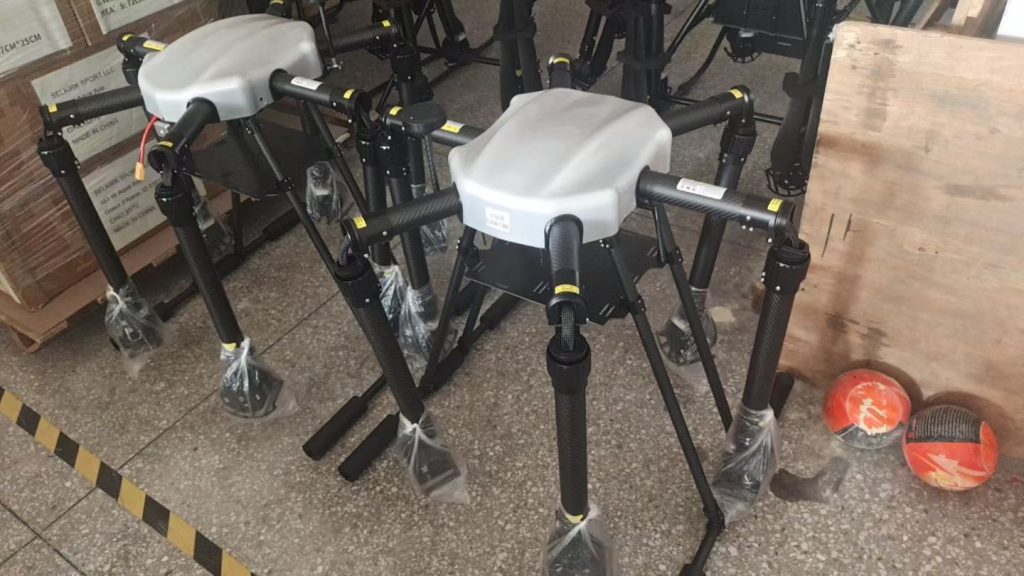
In recent years, agriculture has been undergoing a technological revolution. With the global population continuing to grow and arable land becoming increasingly scarce, efficient and sustainable farming practices are no longer optional—they are essential. One of the most transformative technologies in modern agriculture is the agricultural spraying drone, a sophisticated unmanned aerial vehicle (UAV) designed to enhance crop management, improve efficiency, and reduce environmental impact. As a factory specializing in the production of spraying drones, our mission is to provide farmers with reliable, high-performance equipment that meets the demands of contemporary agriculture.
Understanding Spraying Drones
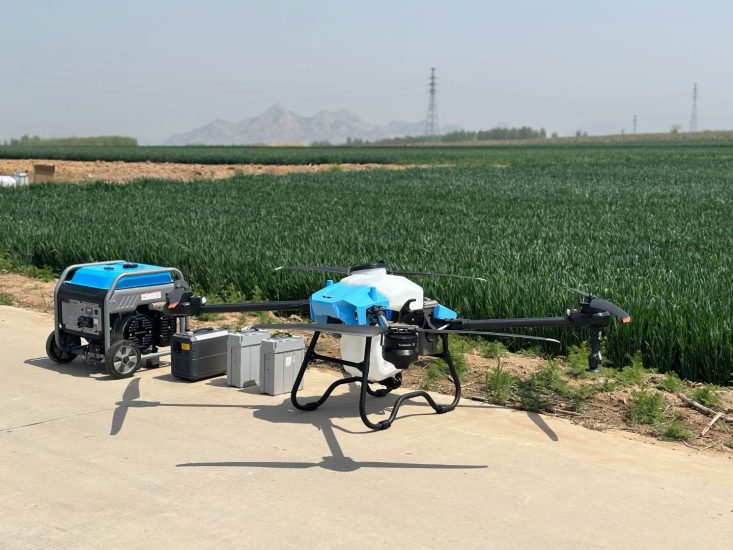
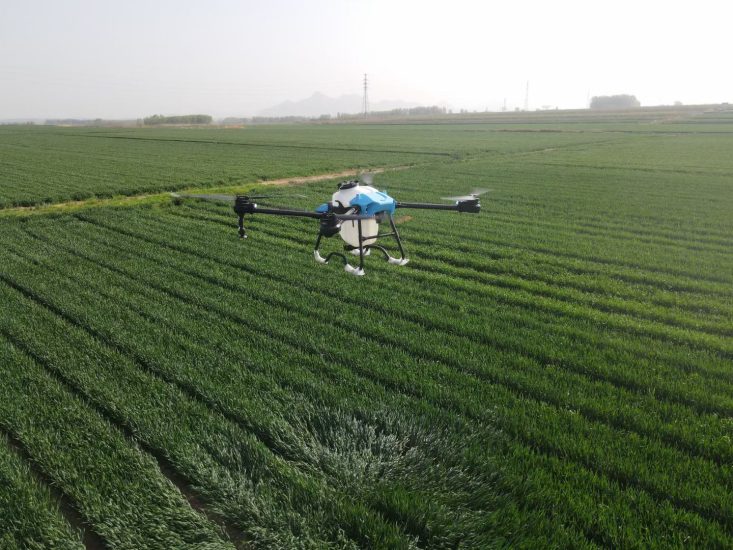
Spraying drones are specialized UAVs equipped with tanks, pumps, and nozzles to apply fertilizers, pesticides, herbicides, or water directly to crops. Unlike traditional methods such as manual spraying or ground-based machinery, these drones offer unmatched precision and flexibility. The ability to fly over fields allows drones to reach areas that are difficult for conventional vehicles, while advanced control systems ensure that chemicals are applied evenly and efficiently.
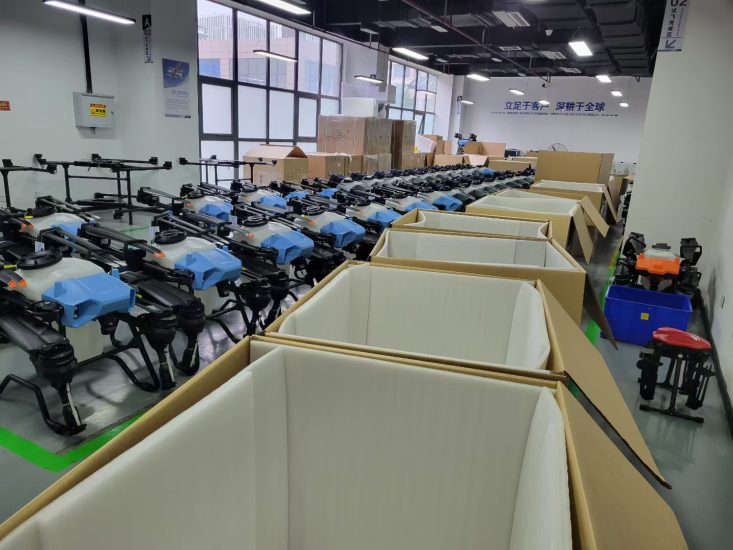
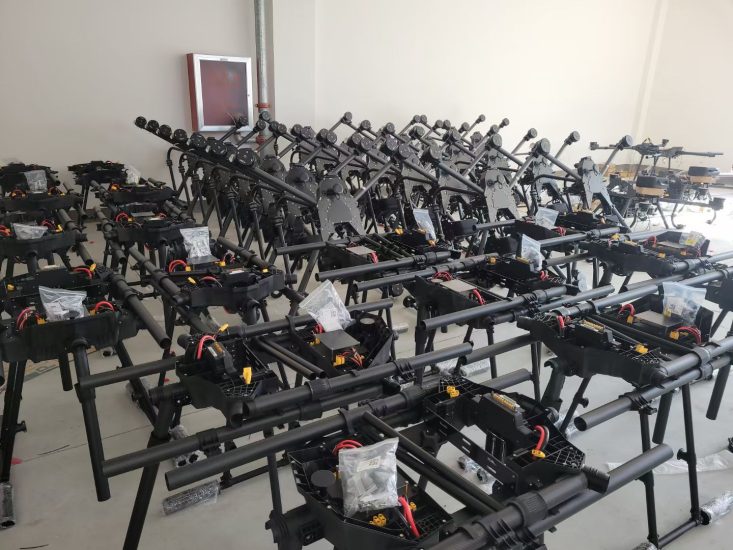
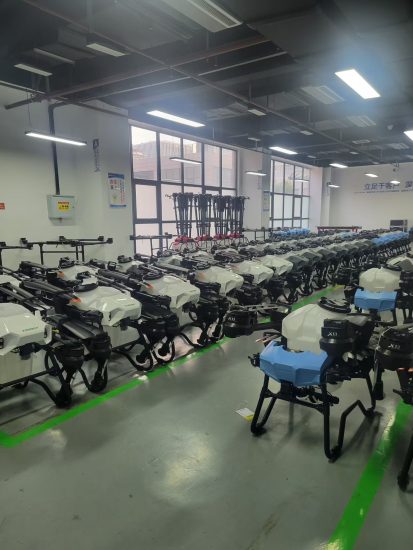
Our factory produces a range of spraying drones, tailored to various crop types and farm sizes. From compact drones suitable for small-scale farms to heavy-duty drones capable of servicing hundreds of acres per day, every model is engineered to optimize performance while minimizing labor and operational costs.
Core Technologies in Spraying Drone Manufacturing
Producing high-quality spraying drones requires a careful integration of multiple technologies, including aerodynamics, precision spraying mechanisms, navigation systems, and safety protocols. Below are some key aspects of our manufacturing process:
1. Aerodynamic Design
The airframe of a spraying drone must be lightweight yet robust. We utilize advanced composite materials to ensure durability without compromising flight efficiency. Our design team employs computational fluid dynamics (CFD) simulations to optimize rotor placement and body structure, reducing drag and maximizing stability in various weather conditions. The result is a drone capable of steady flight, even in windy environments, which is crucial for uniform spraying.
2. Precision Spraying Systems
Spraying accuracy is the heart of an agricultural drone’s performance. Our drones are equipped with high-efficiency pumps, adjustable nozzles, and flow control systems that regulate the amount of liquid released. By integrating GPS-guided mapping, drones can follow pre-programmed flight paths, ensuring that each crop row receives the correct dosage. This precision reduces chemical waste, lowers costs, and minimizes the environmental impact of farming practices.
3. Advanced Navigation and Automation
Modern agricultural drones rely on intelligent navigation systems. Our drones feature multi-satellite GPS modules, obstacle detection sensors, and automated flight planning software. Farmers can simply upload a field map to the control interface, and the drone will calculate the most efficient flight pattern. Real-time monitoring allows operators to track progress, adjust spraying parameters on the fly, and receive alerts if the drone encounters obstacles or adverse conditions.
4. Battery and Power Management
Efficient energy management is critical for long-duration operations. We equip our drones with high-capacity lithium-polymer batteries and intelligent power distribution systems. Some models are compatible with swappable battery packs, allowing continuous operation without long downtime. Battery performance is carefully tested to ensure safety, longevity, and optimal output during heavy spraying sessions.
5. Safety and Durability
Operating drones over crops involves certain risks, such as battery failure, rotor damage, or chemical leakage. Our manufacturing process incorporates rigorous safety standards. Every drone undergoes stress testing, waterproofing, and vibration resistance evaluation. Redundant systems, such as dual GPS modules and emergency landing protocols, enhance operational safety and give farmers peace of mind.
Applications of Spraying Drones in Agriculture
The versatility of spraying drones extends across a wide array of agricultural practices. Some notable applications include:
- Pesticide and Herbicide Application: Drones can efficiently target specific crop areas, reducing chemical usage and minimizing exposure to workers.
- Fertilizer Distribution: Precision application ensures that nutrients are delivered exactly where needed, promoting healthier crops and reducing runoff.
- Irrigation Support: In regions with uneven water distribution, drones can supplement irrigation by spraying targeted areas.
- Disease and Pest Control: Drones can help farmers respond quickly to pest infestations, applying treatment precisely and preventing large-scale crop damage.
These applications are particularly beneficial for large-scale farms, hilly terrains, and regions with labor shortages. By replacing manual labor with automated aerial spraying, farmers save time, reduce physical strain, and increase overall productivity.
Customization and OEM Services
Understanding that each farm has unique requirements, our factory offers customizable drone solutions. Farmers can choose from a variety of tank capacities, spray widths, flight ranges, and control interfaces. Our OEM services allow agricultural equipment distributors to integrate our drones into their product line with branded software and tailored features. This flexibility ensures that spraying drones meet the specific operational and economic needs of diverse agricultural settings.
Environmental and Economic Benefits
Adopting spraying drones not only enhances productivity but also aligns with sustainable farming goals. By delivering precise chemical doses, drones reduce pesticide runoff into soil and water sources, promoting environmental protection. The reduction in manual labor lowers operational costs, while the rapid coverage of large areas increases crop yield and profitability. Studies show that farms utilizing spraying drones can achieve 30–50% faster treatment cycles with 20–40% less chemical usage compared to traditional methods.
Industry Trends and Future Developments
The agricultural drone industry is evolving rapidly. Emerging trends include:
- AI Integration: Artificial intelligence allows drones to detect crop health issues using real-time imaging, enabling precision treatment based on plant conditions.
- Swarm Technology: Multiple drones working in coordination can cover extensive fields in a fraction of the time.
- Hybrid Power Solutions: Combining solar panels with battery systems can extend flight time and reduce downtime.
- Data Analytics: Drones equipped with sensors can collect valuable data on soil moisture, pest populations, and crop growth, supporting data-driven farming decisions.
Our factory is at the forefront of these innovations, continuously investing in research and development to improve drone performance and introduce new functionalities. The goal is to make high-tech aerial spraying accessible and effective for farmers of all scales.
Conclusion
The rise of spraying drones represents a paradigm shift in modern agriculture. By combining precision engineering, automation, and sustainability, these drones empower farmers to optimize crop production, reduce costs, and protect the environment. As a dedicated manufacturing factory, we are committed to delivering advanced, reliable, and customizable spraying drone solutions that meet the evolving needs of agriculture worldwide. Through innovation and quality manufacturing, our drones are not just tools—they are partners in building a smarter, more sustainable future for farming.


No comments yet