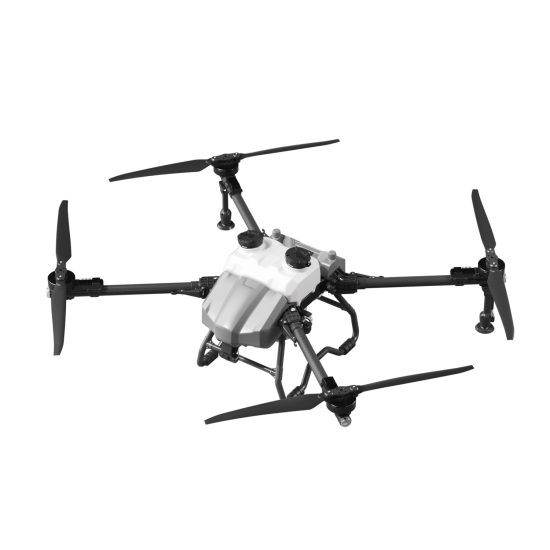


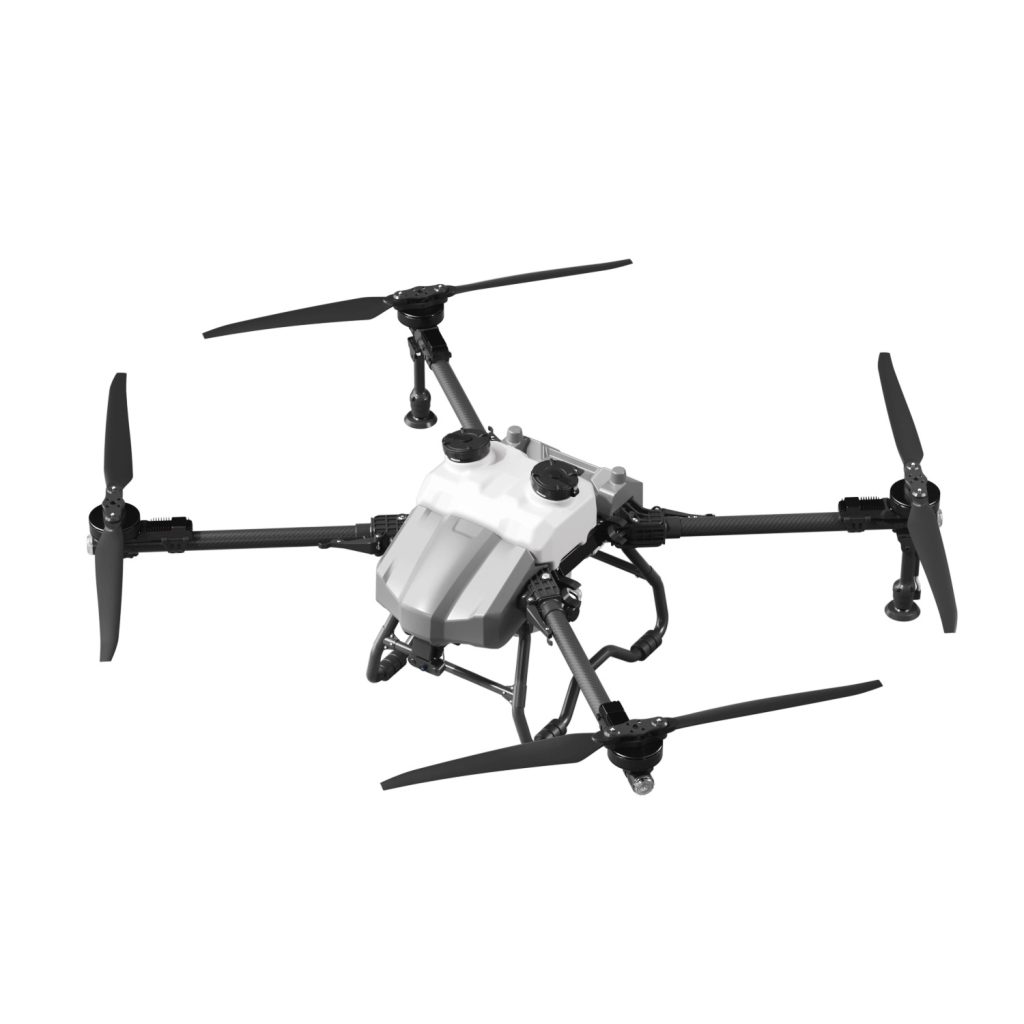
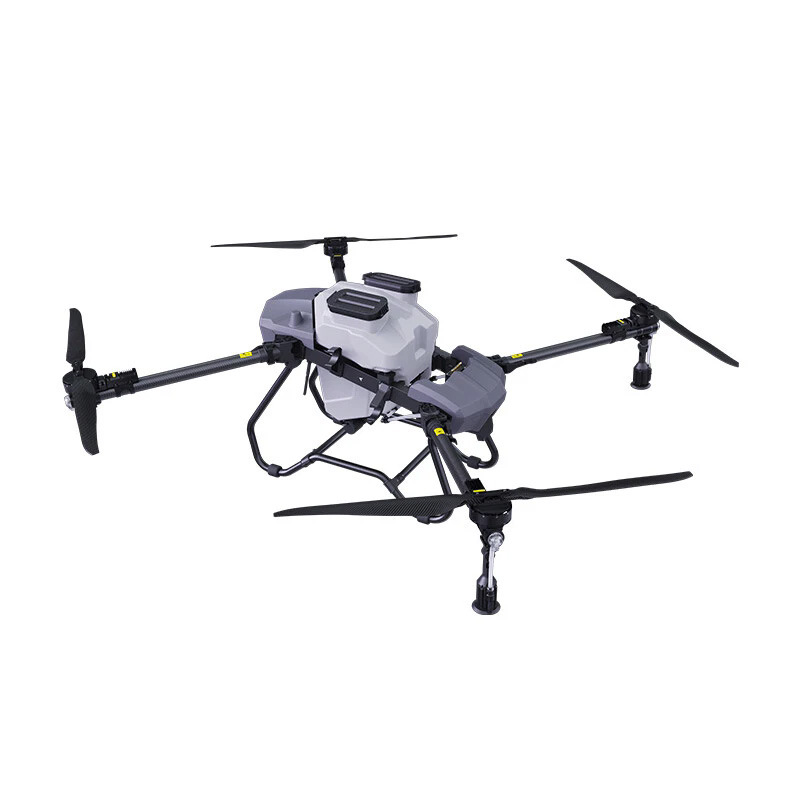
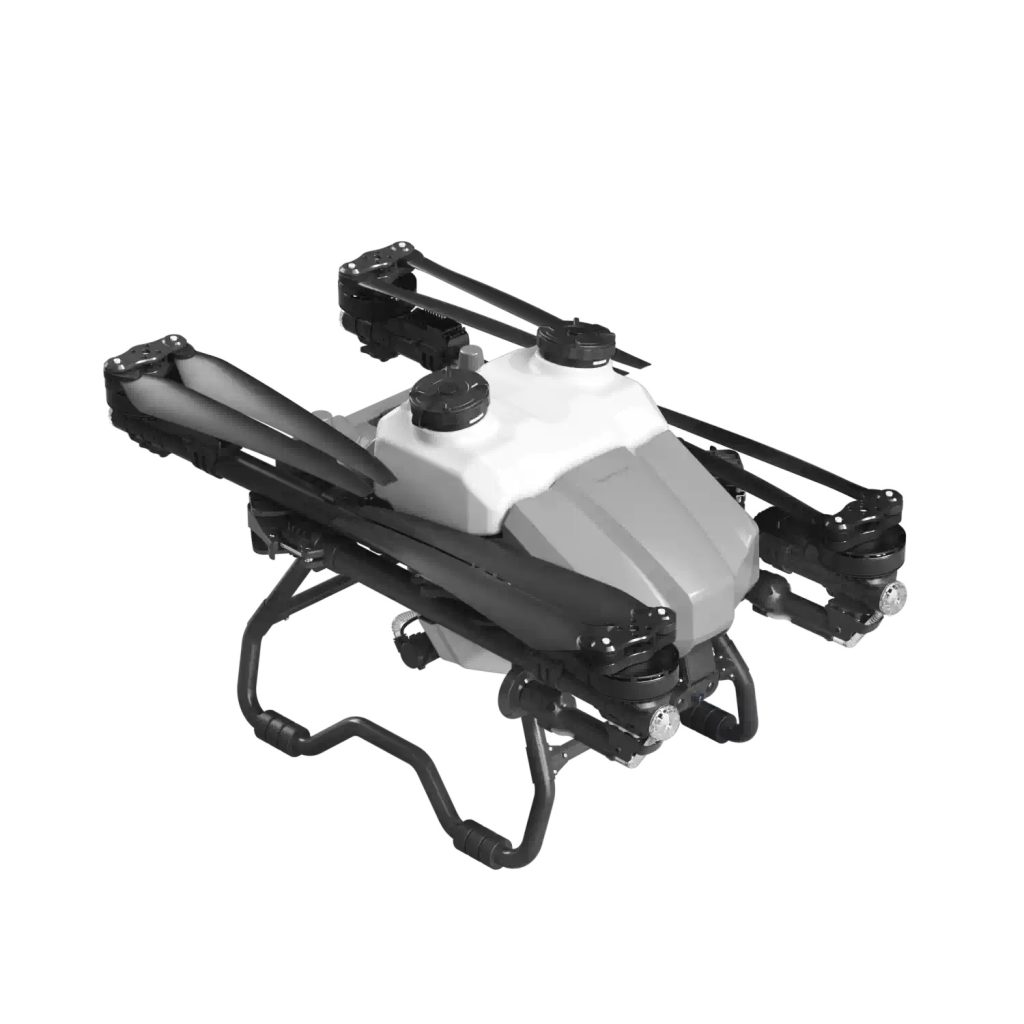
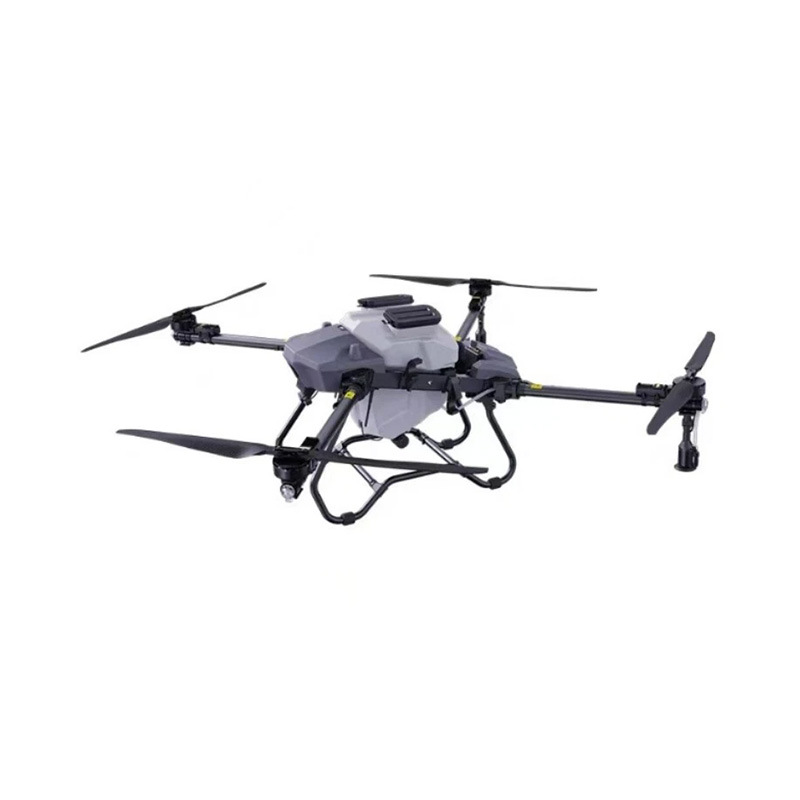
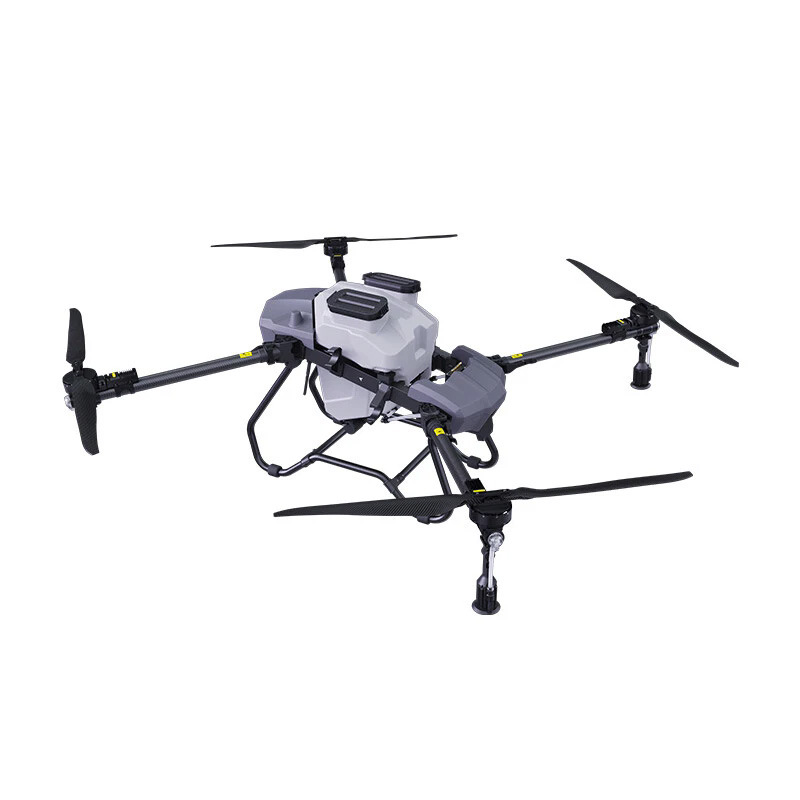
The economics of high-value agriculture—whether in stone fruit, nuts, or wine grapes—demand surgical precision in crop protection. Unlike broad-acre row crops, orchards present a three-dimensional challenge: a dense, multi-layered canopy that traditional ground sprayers struggle to penetrate uniformly. For growers managing hundreds of hectares of permanent crops, partnering with a China agricultural drone manufacturer offers a transformative solution. However, sourcing a drone for an orchard is fundamentally different from sourcing one for a wheat field. It requires a focus on vertical flight dynamics, AI-driven obstacle avoidance, and the physics of droplet penetration through thick foliage.
This guide provides a technical deep dive for B2B buyers in the specialty crop sector. We will explore the engineering nuances that separate a true orchard-specific UAV from a modified agricultural quadcopter, ensuring your investment maximizes yield while minimizing environmental impact.
The Physics of Canopy Penetration: Why Standard Drones Fail
The primary challenge in orchard spraying is overcoming the “boundary layer” of leaves. A standard agricultural drone flying above the canopy often results in spray drift or superficial coverage. A professional orchard spraying drone supplier addresses this with three key technologies:
1. Vertical Flight and Oblique Spraying
Instead of flying horizontally over the tops of trees, specialized drones perform vertical ascents and descents along the tree line.
-
Sideways Flight Capability: The drone must be able to fly parallel to the rows, spraying sideways into the canopy. This requires powerful side-thrust motors and a shifted center of gravity.
-
Variable Height Control: Using LiDAR or ultrasonic sensors, the drone adjusts its altitude in real-time to match the contour of the treetops or the gaps between vines.
2. Downwash Dynamics
The rotor wash is a tool, not just a byproduct.
-
Controlled Vortex: A professional China farming drone factory calibrates the downwash to create a vortex that pushes droplets past the outer leaves and into the inner canopy. Too much wind damages the fruit; too little results in surface-only coverage.
3. Nozzle Orientation and Atomization
-
Angled Nozzles: Unlike flat-field drones with downward-facing nozzles, orchard drones use nozzles angled at 45 to 90 degrees to target the trunk and branches.
-
Electrostatic Charging: Advanced systems charge the droplets, causing them to wrap around leaves and cling to the underside of branches, drastically reducing runoff.
Sensor Fusion: Navigating the 3D Maze
Orchards are obstacle-rich environments. A consumer-grade GPS system is insufficient and dangerous.
| Sensor Type | Function | Importance in Orchards |
|---|---|---|
| LiDAR (Light Detection and Ranging) | Creates a 3D point cloud of the environment. | Essential for detecting thin branches and power lines that cameras might miss. |
| Binocular Vision | Depth perception and object recognition. | Identifies tree trunks and avoids collisions during autonomous flight. |
| Millimeter-Wave Radar | Penetrates fog, dust, and foliage. | Maintains altitude hold even when flying through dense canopy spray. |
| RTK GNSS | Centimeter-level positioning. | Ensures the drone flies the exact same path every time, avoiding missed strips or double-spraying. |
Power and Payload: The Endurance Equation
Spraying orchards is physically demanding on the drone. The need for slow flight speeds and constant maneuvering drains batteries faster than flat-field operations.
-
Smart Battery Ecosystem: A professional China agricultural UAV supplier will offer a “hot-swap” battery system. This allows the ground crew to replace batteries in under 30 seconds without powering down the flight controller, keeping the drone in the air.
-
Granular Spreading for Orchards: Beyond liquids, drones are used to spread granular fertilizers or pollinator attractants. Ensure the spreading system is calibrated for the specific density and flow rate of your material (e.g., pollen vs. urea).
Data Integration: From NDVI to Prescription Maps
Modern orchard management is data-driven. The drone is not just a sprayer; it is a data acquisition platform.
-
Multispectral Imaging: Integrated cameras capture Near-Infrared (NIR) data to generate NDVI (Normalized Difference Vegetation Index) maps. These maps identify stressed areas before they are visible to the human eye.
-
Prescription Mapping: The drone software should accept prescription maps from your farm management software (e.g., John Deere Operations Center, Cropio). This allows for variable-rate application—spraying more chemicals on diseased sections and less on healthy ones.
Compliance and Field Safety
Operating drones in orchards introduces unique safety hazards.
-
Failsafe Logic: In case of motor failure or low battery, the drone must have a “return-to-home” or “land-immediately” protocol that avoids crashing into trees.
-
Chemical Handling: Ensure the drone’s tank and pumps are made of chemical-resistant materials (e.g., PVDF, PTFE) to prevent corrosion from acidic or alkaline pesticides.
The Customization Workflow for Orchards
A key advantage of sourcing from a China agricultural drone manufacturer is the ability to customize for specific tree architectures.
-
Boom Length Adjustment: Customizing the spray boom to match the width of your orchard rows to prevent overspray onto adjacent crops.
-
Nozzle Count: Increasing the number of nozzles for dense canopies like citrus, or decreasing them for sparse canopies like almonds.
-
Propeller Guards: Adding carbon fiber propeller guards to prevent entanglement with branches during low-altitude flight.
FAQ: Technical Due Diligence for Orchardists
These are the critical questions experienced growers ask when vetting a China orchard drone supplier.
Q1: How do you prevent spray drift in orchards located near water sources?
A: Professional drones use “drift-reduction nozzles” (air-induction) that produce larger, heavier droplets. Additionally, the drone’s flight path should be programmed to maintain a buffer zone near sensitive areas.
Q2: Can the drone spray tall trees like walnuts or pecans?
A: Yes, but it requires a drone with high thrust-to-weight ratio and a tall spray boom. Ensure the drone can hover at the required height and that the nozzle angle can be adjusted to cover the upper canopy.
Q3: What is the typical flight time when carrying a full payload in an orchard?
A: Due to the constant acceleration and deceleration required for maneuvering, flight time is typically 8-12 minutes per battery for a 16L drone. This is why a rapid battery swapping system is crucial.
Q4: How do you calibrate the drone for different crop densities?
A: Reputable suppliers provide software tools to adjust the flow rate (L/min) and flight speed (m/s) based on the crop type. They should also offer on-site calibration support for your first deployment.
Q5: Do you offer integration with my existing farm management software?
A: Leading suppliers provide API access or support for standard file formats (Shapefile, GeoJSON) used in precision agriculture platforms.
Why Direct Factory Partnership Drives Orchard ROI
Partnering directly with a China agricultural drone supplier ensures that the firmware is optimized for your specific crop. For example, a vineyard requires a different flight algorithm than an almond orchard. Direct communication with the R&D team allows for custom parameter tuning, ensuring you achieve the desired coverage percentage (usually 70-80% on the undersides of leaves) without wasting chemicals.
Don’t let inefficient spraying eat into your profit margins. Upgrade to precision canopy management today.
Ready to pilot a drone in your orchard?
Submit your orchard layout and tree height specifications to our agricultural engineers. We offer a complimentary flight simulation and a detailed cost-benefit analysis comparing drone spraying to traditional airblast sprayers. Let’s grow smarter, not harder. 🍇
Review 1:
User: Giovanni R. 🇮🇹
Avatar: 🍇
Order ID: #ORCHARD-IT-8821
Date: April 24, 2026
Rating: ⭐⭐⭐⭐⭐
Comment: “The side-spraying capability on these drones is revolutionary for our Tuscan vineyards. The LiDAR keeps it perfectly centered between the rows. We’ve reduced our chemical usage by 40% while improving disease control.”
Review 2:
User: Kenji T. 🇯🇵
Avatar: 🌸
Order ID: #ORCHARD-JP-5510
Date: March 20, 2026
Rating: ⭐⭐⭐⭐
Comment: “Sourced drones for our peach orchards. The electrostatic charging works well, but we had to adjust the nozzle angle manually for the first few flights. The supplier provided excellent video support to fix it.”
Review 3:
User: Elena R. 🇫🇷
Avatar: 🍑
Order ID: #ORCHARD-FR-7744
Date: February 15, 2026
Rating: ⭐⭐⭐⭐⭐
Comment: “The data integration with our farm management software is seamless. The NDVI maps from the drone help us spot water stress weeks before it’s visible. A game-changer for our cooperative.”
Review 4:
User: Carlos M. 🇪🇸
Avatar: 🫒
Order ID: #ORCHARD-ES-6633
Date: January 10, 2026
Rating: ⭐⭐⭐⭐
Comment: “Good performance in our olive groves. The battery life is sufficient for our 50-hectare plot with two ground crews. The propeller guards saved us from several branch collisions.”
Review 5:
User: David L. 🇺🇸
Avatar: 🌰
Order ID: #ORCHARD-US-4419
Date: December 05, 2025
Rating: ⭐⭐⭐⭐⭐
Comment: “We use these for our walnut orchards. The ability to spray at 15 meters altitude is impressive. The build quality is industrial-grade, and the support team helped us set up the prescription maps for variable-rate application.”
THE END


No comments yet