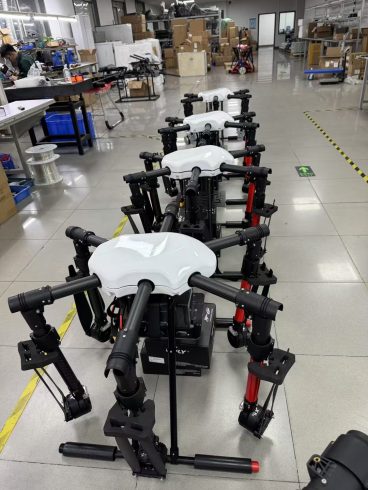


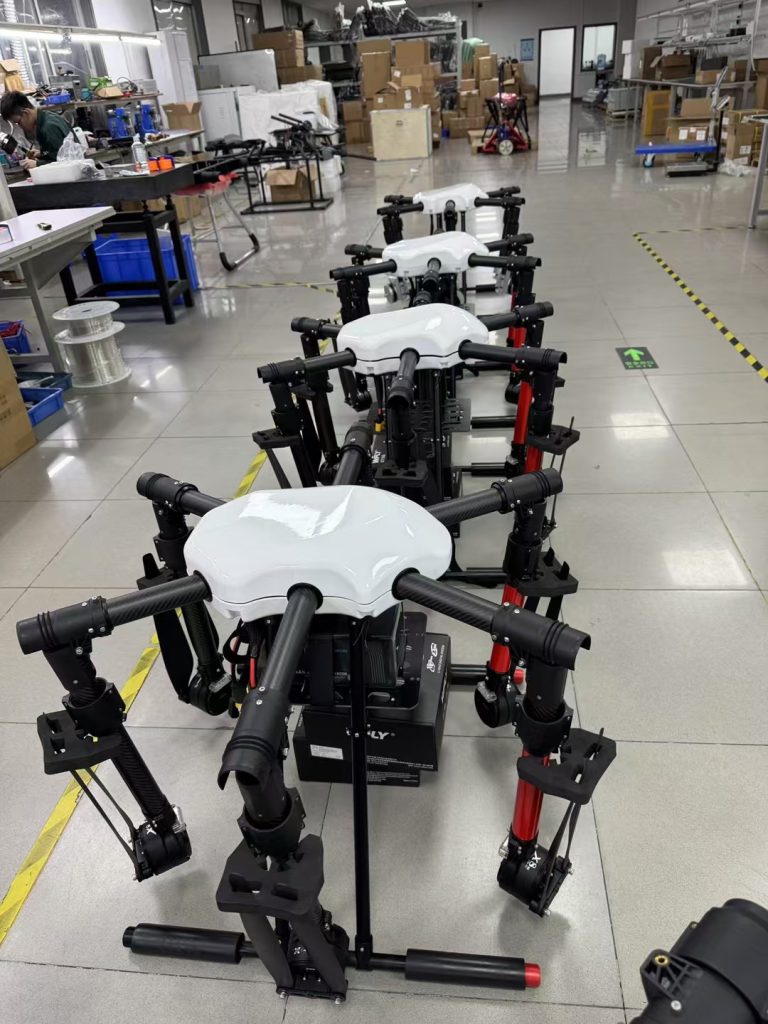
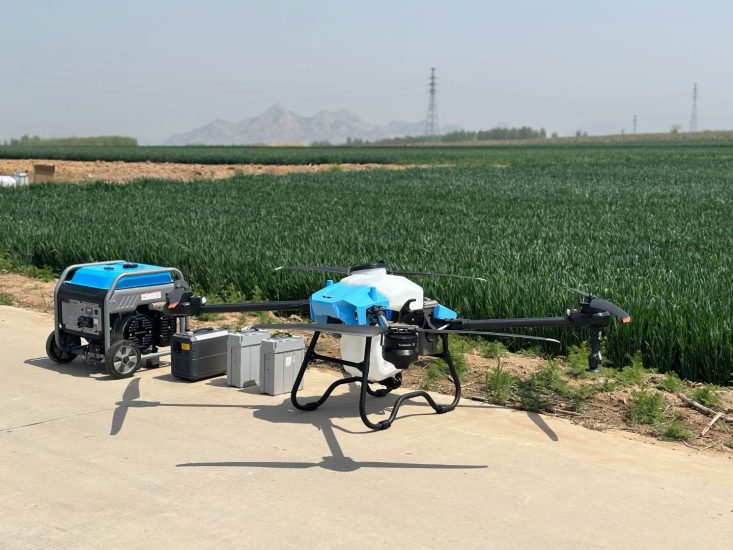
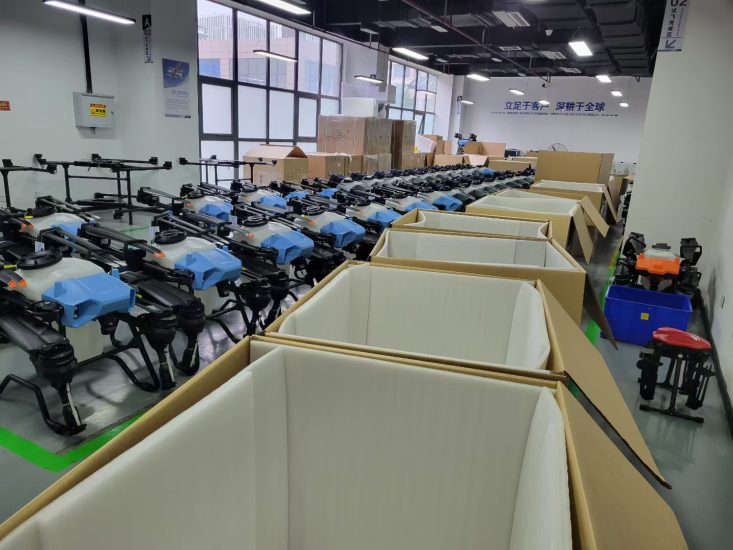
The agricultural industry is undergoing a technological transformation, and at the heart of this revolution are agricultural drones. These advanced unmanned aerial vehicles (UAVs) are redefining how farmers monitor, manage, and optimize their crops. As a professional manufacturer of agricultural drones, our mission is to provide innovative solutions that enhance productivity, reduce operational costs, and promote sustainable farming practices worldwide.
1. Why Agricultural Drones Matter
Traditional farming methods, while effective in the past, struggle to meet the demands of a growing global population, unpredictable climate conditions, and limited resources. Agricultural drones address these challenges by providing precision, efficiency, and real-time insights that empower farmers to make informed decisions.
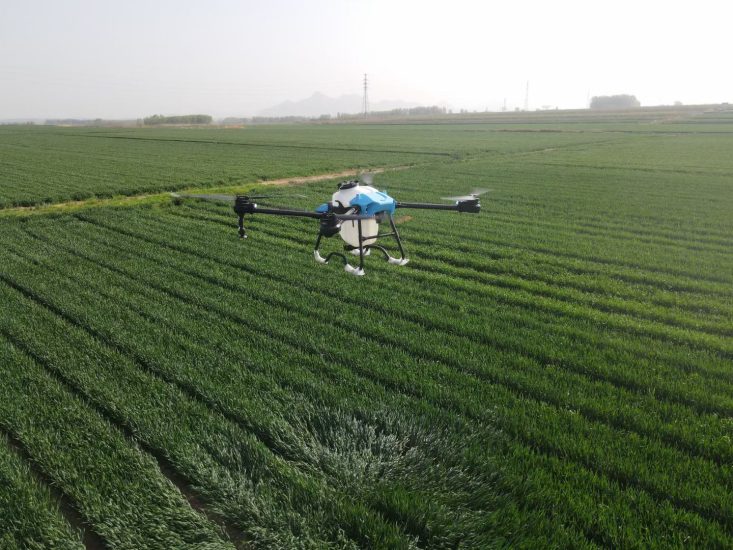
Drones are capable of performing tasks that were once labor-intensive, such as spraying pesticides, distributing fertilizers, monitoring crop health, and collecting aerial imagery. The integration of drone technology in agriculture not only increases yields but also reduces chemical use and labor costs, supporting both economic and environmental sustainability.
2. Core Technologies in Modern Agricultural Drones
Our drones are built with state-of-the-art technologies designed to meet the complex needs of modern farming:
a. High-Precision Spraying Systems
Equipped with GPS-guided nozzles, our drones deliver pesticides and fertilizers with exceptional accuracy. This minimizes chemical waste, ensures uniform coverage, and reduces environmental impact.
b. Advanced Imaging and Sensors
Multispectral and thermal cameras allow farmers to detect crop stress, nutrient deficiencies, and pest infestations early. By analyzing this data, farmers can take timely action to protect crops and optimize yields.
c. Autonomous Flight Control
Artificial intelligence (AI) algorithms enable drones to navigate complex fields autonomously, adjusting flight paths according to terrain and environmental conditions. This reduces human error and improves operational efficiency.
d. Data Analytics and Cloud Integration
Drones collect large volumes of data, which is processed through cloud platforms to provide actionable insights. Farmers can track growth patterns, monitor soil health, and plan irrigation schedules, all from a single dashboard.
3. Benefits of Drone-Powered Farming
Integrating drones into agriculture provides multiple advantages:
- Time Efficiency: Drones can survey and treat large areas quickly, saving hours of manual labor.
- Cost Reduction: Optimized use of inputs lowers overall operational costs.
- Higher Crop Yields: Early detection of diseases and nutrient deficiencies ensures healthier crops.
- Sustainable Practices: Precise application of chemicals reduces environmental contamination.
- Improved Safety: Reduces the need for farmers to handle hazardous chemicals directly.
4. Application Across Different Crops
Agricultural drones can be customized for various crops to maximize efficiency:
| Crop Type | Drone Application | Key Benefit |
|---|---|---|
| Rice | Pesticide spraying, mapping | Uniform coverage, reduced labor |
| Wheat | Fertilization, growth monitoring | Optimized resource use, better yield |
| Vegetables | Disease detection, irrigation control | Higher quality, lower water consumption |
| Corn | Nutrient management, pest monitoring | Efficient farm management |
| Orchards | Targeted spraying, crop monitoring | Reduced chemical use, improved fruit quality |
The flexibility of drones makes them suitable for both large-scale commercial farms and smaller, specialized operations.
5. Overcoming Challenges
While agricultural drones offer numerous advantages, there are challenges that must be addressed:
- Regulatory Compliance: UAV operations are subject to aviation regulations. Our drones meet international standards to ensure legal and safe operation.
- Initial Investment: High-performance drones require upfront investment, but ROI is quickly realized through reduced labor and improved yields.
- Technical Training: Operating drones requires knowledge and skill. We provide training, user-friendly software, and ongoing support to simplify adoption.
- Environmental Conditions: Wind, rain, and temperature can affect drone performance. Our drones are designed for resilience and reliable operation in diverse conditions.
6. The Future of Drone-Enabled Agriculture
The role of drones in agriculture is expected to expand significantly in the coming years. Innovations such as autonomous swarming, AI-powered predictive analytics, and integration with IoT farm systems will further enhance efficiency and sustainability. Future drones will be able to:
- Execute multiple tasks simultaneously, including planting, spraying, and monitoring.
- Provide predictive insights for better crop planning and yield optimization.
- Operate for longer periods with higher payload capacities for large-scale farming.
- Integrate seamlessly into digital farm management platforms for automated workflows.
Our commitment as a leading drone manufacturer is to continuously innovate and support farmers with solutions that meet evolving agricultural challenges.
7. Conclusion
Agricultural drones are transforming modern farming by providing precision, efficiency, and sustainability. They empower farmers to monitor crops in real-time, optimize resource usage, and achieve higher yields. As a manufacturer specializing in agricultural drones, we are dedicated to delivering high-quality, reliable UAV solutions that enable smarter, more productive, and sustainable agriculture.
By embracing drone technology, farms of all sizes can enter a new era of data-driven and environmentally responsible farming.


No comments yet