

The world faces a dual challenge: feeding a population projected to reach 10 billion by 2050 while minimizing environmental degradation. Precision agriculture emerges as a transformative solution, leveraging technology to optimize every aspect of farming—from planting to harvest. This data – driven approach promises not only higher yields but also greater sustainability, making it a cornerstone of modern food systems.
What Is Precision Agriculture?
At its core, precision agriculture (PA) uses digital tools and real – time data to tailor farming practices to specific field conditions. Unlike traditional “one – size – fits – all” methods, PA treats each square meter of soil as unique. Farmers deploy sensors, drones, satellites, and AI algorithms to monitor variables like soil moisture, nutrient levels, weather patterns, and crop health. By analyzing this information, they can make precise decisions about irrigation, fertilization, pest control, and seeding—reducing waste and maximizing output.
For example, variable – rate technology (VRT) allows tractors to apply fertilizers at varying rates across a field, ensuring crops receive exactly what they need without over – saturating areas already rich in nutrients. Similarly, satellite imagery can identify early signs of drought or disease, enabling targeted interventions before problems escalate.
Key Technologies Driving Precision Agriculture
Several innovations underpin this agricultural revolution:
-
Internet of Things (IoT): Sensors embedded in fields collect data on soil conditions, temperature, and humidity, transmitting insights to farmers via mobile apps or cloud platforms.
-
Artificial Intelligence (AI): Machine learning models analyze vast datasets to predict crop yields, detect pests, and recommend optimal planting schedules.
-
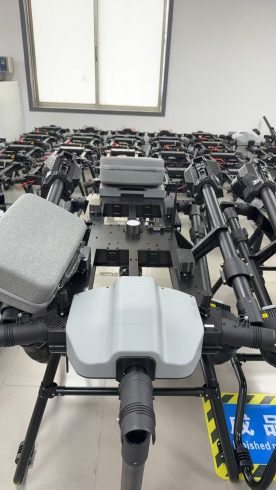
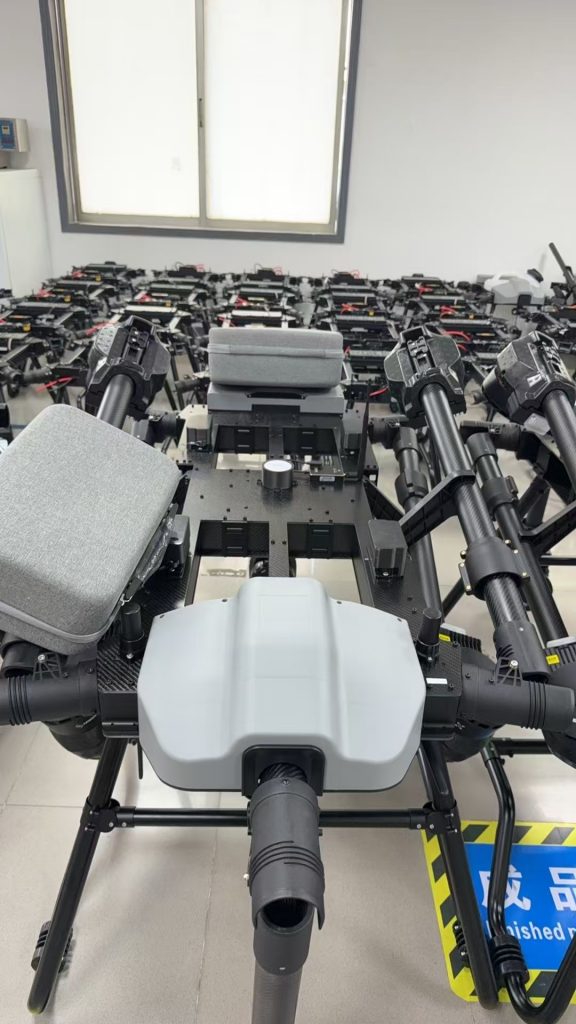
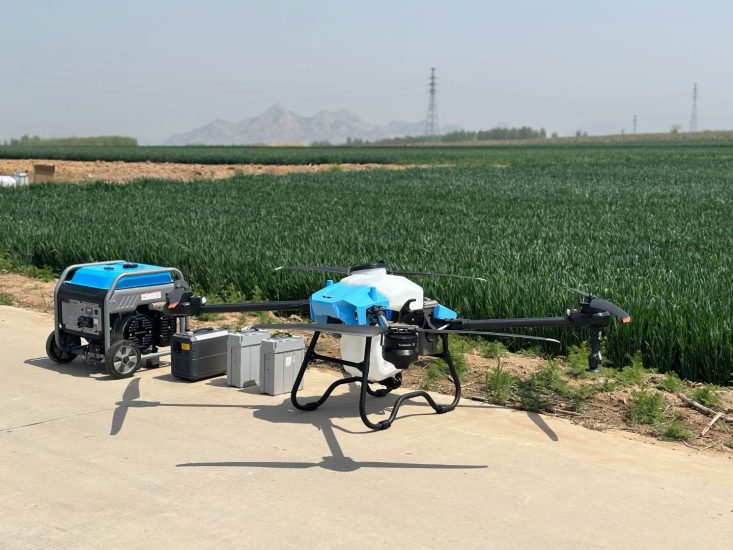
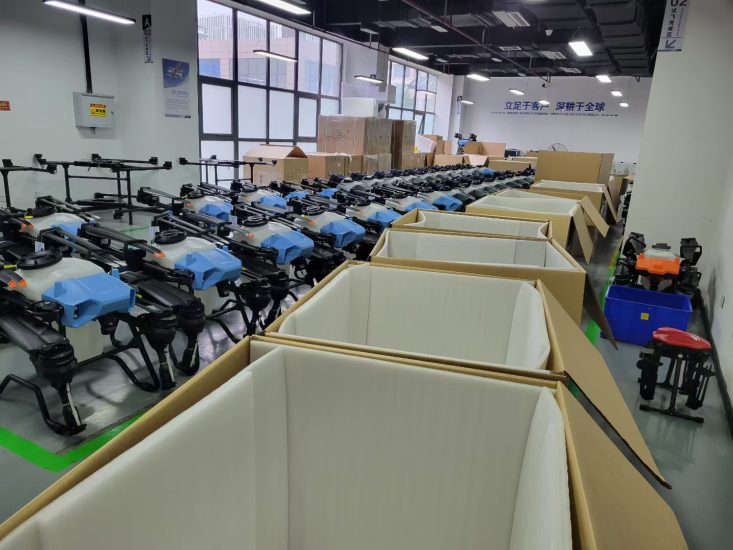
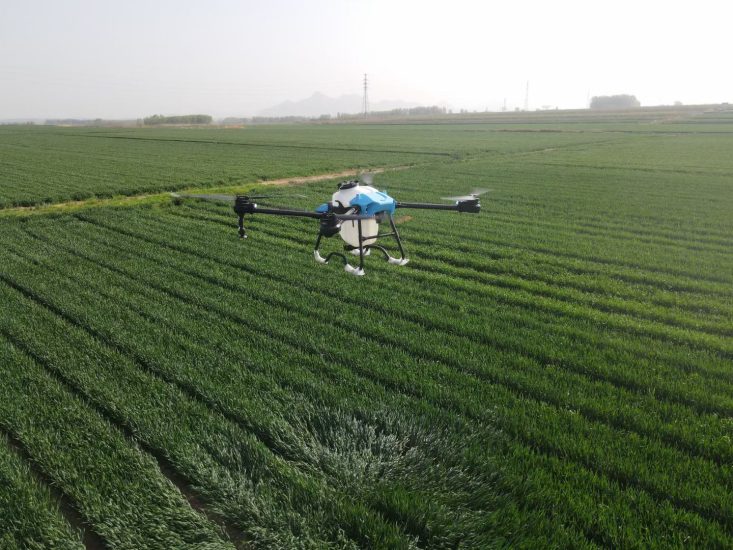
Drones and Satellites: Aerial imaging provides high – resolution maps of field health, while GPS – guided machinery ensures accurate seeding and harvesting.
-
Blockchain: Some systems use blockchain to track produce from farm to table, enhancing transparency and traceability for consumers and retailers.
Environmental and Economic Benefits
PA’s impact extends beyond productivity. By minimizing resource waste—such as water, fertilizer, and pesticides—it reduces agriculture’s ecological footprint. According to the Food and Agriculture Organization (FAO), precision techniques can cut water use by up to 50% and fertilizer application by 30%. This efficiency not only lowers costs for farmers but also protects ecosystems from pollution and soil degradation.
Economically, PA empowers smallholder farmers in developing nations. Mobile – based platforms now offer affordable access to weather forecasts, market prices, and agronomic advice, bridging the gap between traditional farming knowledge and modern technology. In India, for instance, startups like Gramophone use AI – powered voice assistants to guide millions of farmers in optimizing their practices.
Challenges and the Road Ahead
Despite its promise, precision agriculture faces barriers. High upfront costs for equipment and software can exclude small – scale farmers, particularly in low – income regions. Data privacy concerns also arise as more farm operations rely on interconnected digital systems. Moreover, widespread adoption requires robust infrastructure—such as reliable internet access and electricity—to support IoT devices and data processing.
To overcome these hurdles, governments and private sectors must invest in education, subsidies, and rural broadband expansion. Collaborations between tech companies, universities, and farmers’ cooperatives will accelerate innovation. As climate change intensifies, PA will play a critical role in building resilient food systems capable of adapting to shifting weather patterns.
A Future Where Every Field Counts
Precision agriculture represents more than a technological upgrade; it is a paradigm shift in how humanity interacts with nature. By merging science with tradition, it offers a path toward sustainable, equitable food production—one that respects both people and the planet. As PA continues to evolve, its ability to turn data into actionable insights may well determine whether we can nourish future generations without sacrificing the health of our Earth.
In essence, precision agriculture isn’t just about growing more—it’s about growing smarter. And in a world where every decision matters, there’s no better time to embrace this revolution.
THE END


No comments yet