

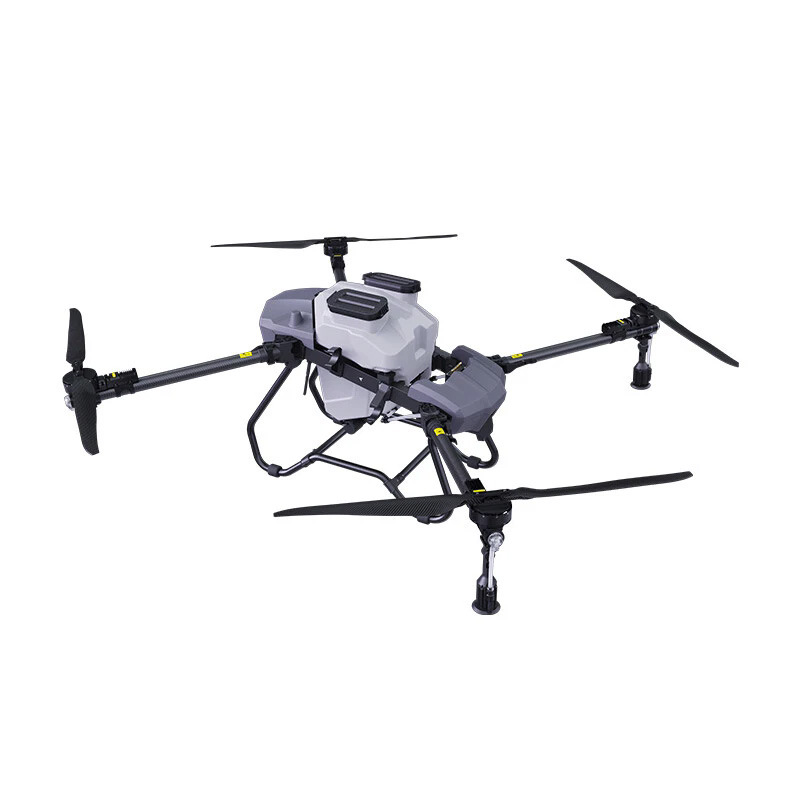
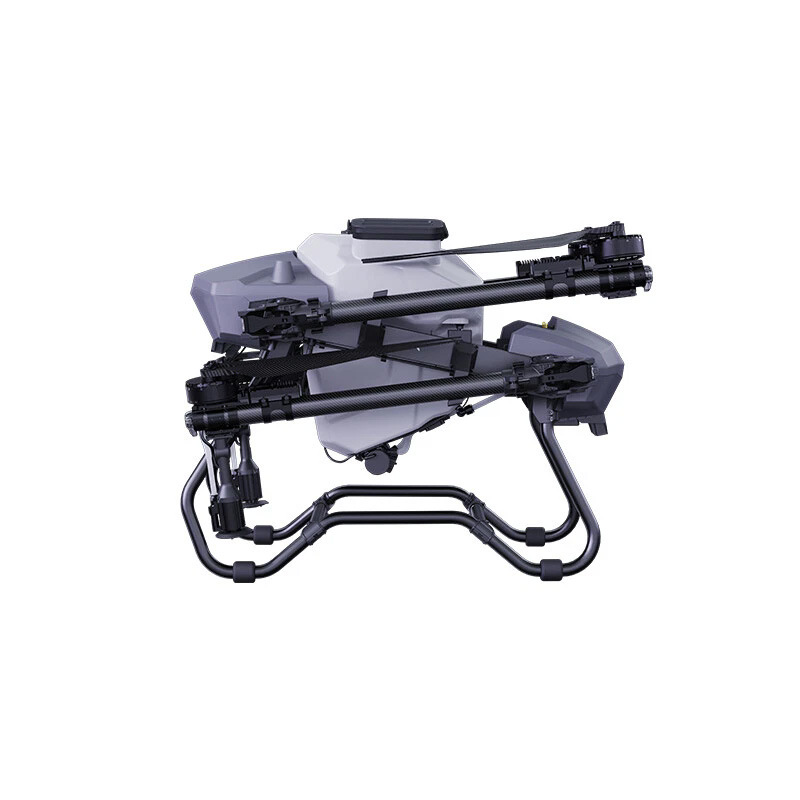
The agricultural drone industry has entered a new era. As we move through 2026, the conversation has shifted. It is no longer about whether drones work; it is about how governments are reshaping the market through fiscal policy and regulatory frameworks. For the savvy operator or investor, understanding these dynamics is the key to unlocking what we call Policy Dividends.
Subsidies are no longer just “free money”; they are strategic instruments used by nations to achieve food security and environmental goals. Simultaneously, compliance certifications have evolved from simple bureaucratic hurdles into high barriers to entry that protect consumers and legitimate businesses.
This article decodes the current global landscape of agri-drone subsidies and the critical certifications required to operate within it.
1. The New Logic of Subsidies: From Handouts to Performance
In 2026, the global subsidy model has moved away from simple purchase rebates. Governments have realized that giving money for hardware alone does not guarantee results. The new logic is Performance-Based Incentivization.
The “Green Transition” Fund (EU & UK)
In Europe, subsidies are tied directly to sustainability metrics. Governments are offering grants covering up to 40% of the drone’s cost, but only if the operator can prove a reduction in chemical runoff. This means drones must be equipped with flow-control sensors and data logging capabilities. The dividend here is paid to those who can demonstrate environmental stewardship.
The “Food Security” Mandate (Asia-Pacific)
Nations like Japan, South Korea, and emerging economies in Southeast Asia are facing a demographic crisis in farming. Their subsidies focus on labor replacement. The government provides low-interest loans or direct cashback to cooperatives that deploy drones to replace aging manual labor forces. The requirement is usually a minimum number of hectares covered per season.
The “Infrastructure” Credit (North America)
In the United States and Canada, the focus is shifting toward infrastructure. Rather than subsidizing the drone itself, federal and state programs are offering tax credits for building charging infrastructure and local repair hubs. The goal is to create a sustainable ecosystem, not just populate the skies with hardware.
2. The Certification Gauntlet: Building the Moat
If subsidies are the reward, compliance certifications are the gatekeepers. In 2026, the regulatory environment has tightened significantly to address safety and privacy concerns.
A. Airspace Integration (FAA & EASA Standards)
The days of flying heavy drones without stringent oversight are over.
-
The 25kg Threshold: Most jurisdictions now strictly regulate drones over 25kg (55 lbs). To operate legally, suppliers must obtain Type Certification, proving structural integrity and fail-safe redundancies.
-
Remote ID: Mandatory broadcast identification is now universal in developed markets. Your drone must constantly transmit its location and serial number to a central registry. If your supplier cannot provide hardware-level Remote ID, they are effectively selling illegal equipment.
B. Chemical Application Licenses (The EPA Equivalent)
Spraying drones are treated as aerial applicators. This requires a separate layer of certification focusing on nozzle calibration and spray drift mitigation. Regulators require proof that the drone can maintain a consistent droplet size and avoid off-target drift that could harm neighboring crops or wildlife.
C. Data Sovereignty and Cybersecurity
Perhaps the most overlooked certification in 2026 is data security. With drones collecting high-resolution multispectral data of farmland, governments are increasingly wary of foreign data collection.
-
Local Data Storage: Countries like India and Brazil now mandate that all agricultural data collected within their borders must be stored on local servers.
-
Encryption Standards: Suppliers must prove their software uses military-grade encryption to prevent hacking or data interception.
3. The Economic Impact: Turning Paperwork into Profit
For a drone supplier or a large-scale farm, navigating this complex web of policies is expensive. However, it creates a powerful economic moat.
The Compliance Premium
A supplier who has spent the capital to secure EU CE marks, US FAA certifications, and local data compliance can charge a 20-30% premium for their products. Why? Because they offer guaranteed legality. A farmer buying a cheap, uncertified drone risks having it confiscated or being fined heavily, negating any upfront savings.
Access to Capital
Financial institutions are more willing to provide loans for certified equipment. Banks view a certified drone as a secured asset with a clear resale value, whereas an uncertified drone is seen as a liability.
The “First Mover” Advantage in Subsidies
Governments often release subsidy quotas on a first-come, first-served basis. Operators using compliant, well-documented drones can process their paperwork instantly, securing the funds before the budget runs out. Those using grey-market equipment often face months of delays or disqualification.
4. Strategic Recommendations for 2026
Whether you are a buyer or a supplier, here is how to capitalize on these trends:
-
Audit Your Supplier’s Paper Trail: Do not just ask for a price list. Ask for a copy of their latest Type Certificate, Radio Frequency Compliance, and Chemical Applicator License. If they hesitate, walk away.
-
Factor Subsidies into ROI: When calculating the return on investment for a drone, include the expected subsidy amount in your Year 1 cash flow. This can reduce your effective payback period from 24 months to just 14 months.
-
Invest in Data Infrastructure: If you are a service provider, invest in local server storage and cybersecurity. This is no longer optional; it is a prerequisite for winning government contracts and large corporate farms.
5. Conclusion: The End of the “Wild West”
The agricultural drone market of 2026 is professionalizing at an unprecedented rate. The era of hobbyist-grade drones being used for commercial spraying is ending. The winners will be those who embrace the bureaucracy, understand the subsidy mechanisms, and treat compliance not as a cost, but as a competitive weapon.
By aligning your operations with government policy—whether it’s reducing chemical use in Europe or increasing yield in Asia—you transform your drone program from a simple tool into a strategically subsidized asset.
THE END







No comments yet