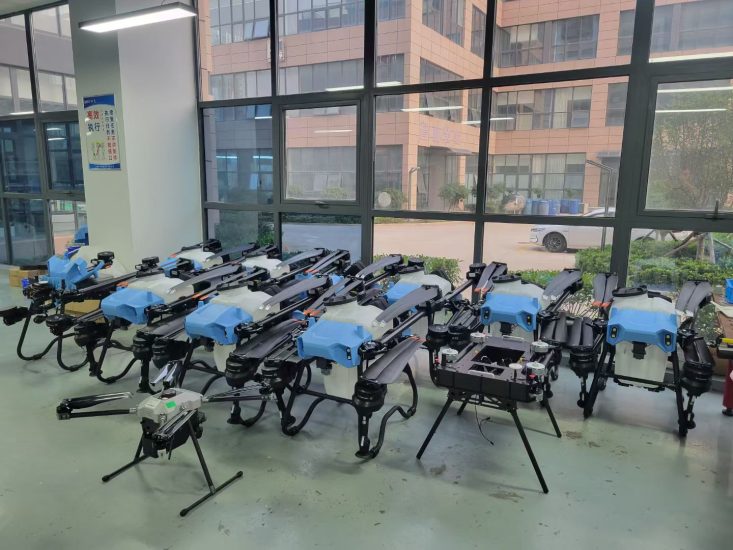


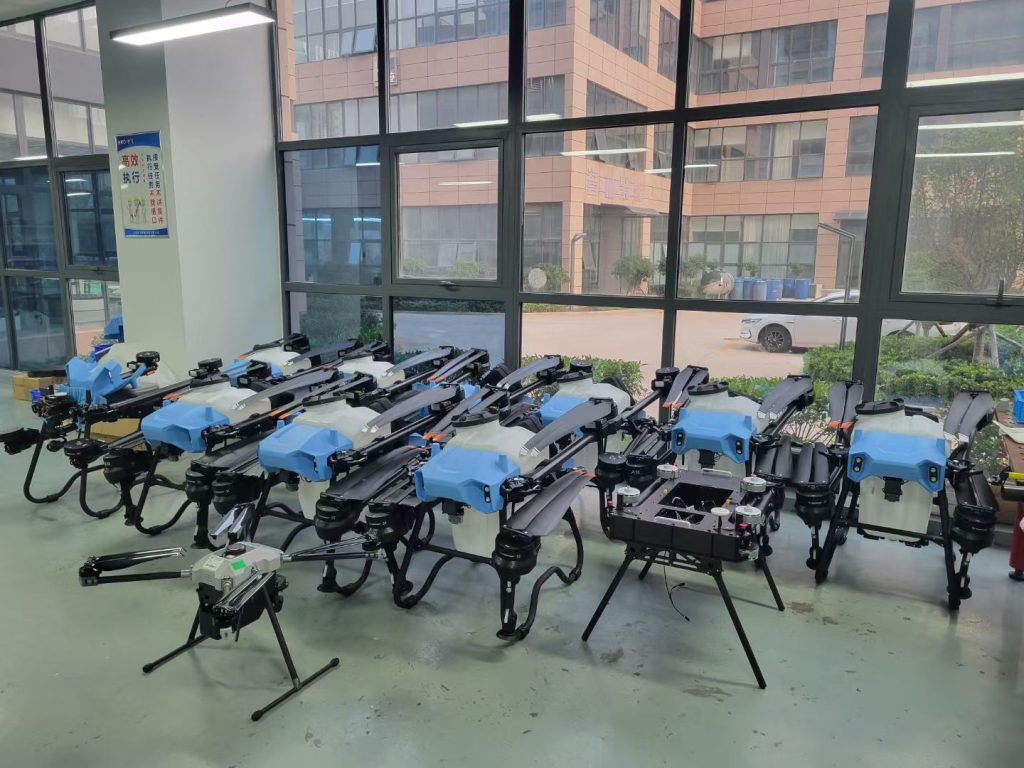
Agricultural drone spraying systems play an important role in modern crop protection operations.
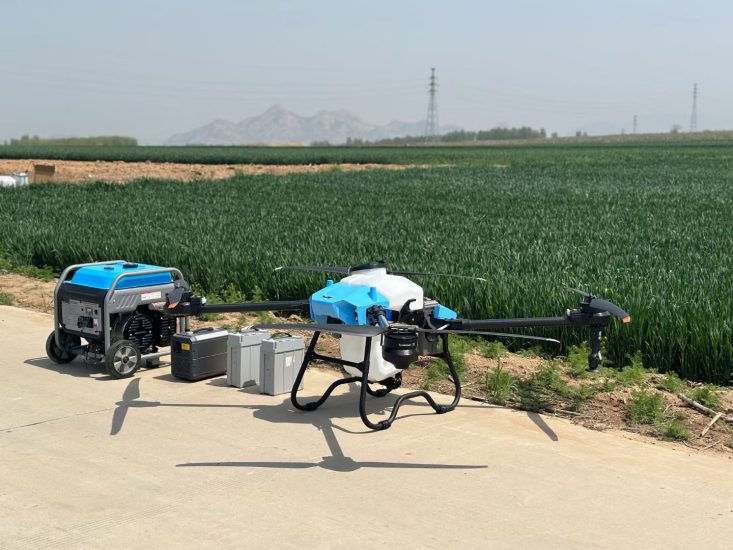
A professional agricultural spraying drone combines an aircraft platform, liquid tank, pumping system, pipelines, spray nozzles, and flight control technology to distribute agricultural liquids over target crops.
The performance of the spraying system directly affects application quality, liquid distribution, and operational efficiency.
For farmers, agricultural contractors, and equipment distributors, understanding how these components work is important when selecting an agricultural drone.
MSOEN provides agricultural drone product information and sourcing solutions for international buyers.
1. What Is an Agricultural Drone Spraying System?
An agricultural drone spraying system is a collection of components designed to carry and distribute agricultural liquids during flight.
A typical system may include:
- Liquid storage tank
- Electric spraying pump
- Liquid pipelines
- Spray nozzles
- Flow control system
- Spraying controller
- Related electrical components
The system works together with the drone’s flight controller to support spraying operations.
Different agricultural drone models may use different pump types, nozzle arrangements, and spraying configurations.
2. How Does an Agricultural Drone Spraying System Work?
The spraying process generally involves several steps.
Step 1: Liquid Storage
Agricultural spraying liquid is placed inside the drone’s designated tank.
The tank capacity depends on the aircraft model, such as 20L, 50L, or 85L.
Step 2: Liquid Pumping
An electric pump moves the liquid from the tank through the spraying pipelines.
The pump’s flow capacity and operating pressure influence the performance of the spraying system.
Step 3: Liquid Distribution
The liquid travels through the pipelines to the installed spray nozzles.
The nozzle configuration determines how the liquid is distributed.
Step 4: Droplet Formation
The nozzles convert the liquid into droplets.
Droplet size and distribution depend on nozzle design, liquid properties, pressure, and operating conditions.
Step 5: Controlled Spraying
The spraying system operates according to the selected configuration and control settings.
Some systems can coordinate spraying with the aircraft’s flight route and operating speed.
3. Agricultural Drone Spraying Pumps
The pump is one of the main components of an agricultural drone spraying system.
Its function is to move liquid from the storage tank to the spray nozzles.
Important pump specifications include:
- Flow rate
- Operating pressure
- Power consumption
- Liquid compatibility
- Weight
- Maintenance requirements
Why Is Pump Performance Important?
The pump must supply an appropriate amount of liquid to the spraying system.
Insufficient flow may affect the required application rate, while unsuitable pressure may change the spraying characteristics.
Buyers should compare the pump specifications with the intended agricultural application.
4. Agricultural Drone Spray Nozzles
Spray nozzles are responsible for distributing liquid over target crops.
Different nozzle designs can produce different droplet sizes and spray patterns.
Common nozzle considerations include:
Droplet Size
Droplet size affects coverage, deposition, and drift risk.
Very fine droplets may be more vulnerable to wind drift and evaporation.
Larger droplets may reduce drift under some conditions but can affect coverage.
The correct droplet size depends on the pesticide label, crop, target pest, weather, and application method.
Spray Pattern
Different nozzle designs produce different spray patterns.
Buyers should consider whether the nozzle arrangement provides suitable coverage for the intended crop and application.
Nozzle Material
Nozzle materials should be compatible with the liquids being used.
Chemical compatibility and wear resistance are important considerations for long-term operation.
Nozzle Maintenance
Nozzles should be inspected and cleaned according to the manufacturer’s instructions.
Blocked or damaged nozzles can cause uneven liquid distribution.
5. What Is Spraying Width?
Spraying width refers to the effective horizontal coverage of the spraying system during operation.
It is influenced by several factors:
- Nozzle arrangement
- Spray pressure
- Droplet size
- Flight altitude
- Flight speed
- Wind conditions
- Crop structure
A wider spraying width does not automatically guarantee better spraying results.
The actual effective width should be verified under suitable operating conditions.
Buyers should request tested spraying data for the specific drone configuration.
6. How to Improve Agricultural Drone Spraying Efficiency
Good spraying efficiency depends on proper equipment configuration and operating procedures.
Select the Appropriate Nozzles
Choose nozzles according to the target crop, liquid properties, and application requirements.
Maintain the Correct Flight Height
Operating height influences spray distribution and deposition.
Follow the equipment manufacturer’s recommendations and applicable agricultural spraying guidelines.
Monitor Weather Conditions
Wind speed, temperature, and humidity can affect spray drift and evaporation.
Avoid spraying when environmental conditions are unsuitable.
Calibrate the Spraying System
Check the actual liquid output before operation.
Calibration helps ensure that the application rate matches the intended requirement.
Maintain Consistent Flight Speed
Changes in flight speed may affect the amount of liquid applied per unit area.
Use suitable flight settings and follow the recommended operating procedures.
7. How to Calculate Agricultural Drone Application Rate
Application rate is commonly expressed in liters per hectare (L/ha).
A simplified formula is:
Application Rate (L/ha) = Flow Rate (L/min) × 600 ÷ [Flight Speed (km/h) × Effective Spraying Width (m)]
For example:
- Flow rate: 8 L/min
- Flight speed: 20 km/h
- Effective spraying width: 5 m
Application rate:
8 × 600 ÷ (20 × 5) = 48 L/ha
This is an illustrative calculation, not a recommended spraying setting for every crop or chemical.
Actual application rates must follow the product label, crop requirements, and local regulations.
8. Agricultural Drone Spraying System Maintenance
Regular maintenance helps maintain spraying performance and equipment reliability.
Important maintenance tasks include:
Clean the Liquid Tank
Clean the tank according to the manufacturer’s instructions after spraying operations.
Inspect the Pump
Check pump operation, connections, and signs of leakage.
Check Pipelines
Inspect pipelines for damage, blockage, and loose connections.
Clean Spray Nozzles
Remove deposits and blockages using approved cleaning procedures.
Check Electrical Connections
Inspect electrical connectors and wiring for moisture, corrosion, or damage.
Test Before Operation
Perform a system inspection before each spraying task.
Always follow the manufacturer’s safety and maintenance instructions.
9. What Should Buyers Check Before Purchasing an Agricultural Drone?
When comparing agricultural spraying drones, buyers should evaluate the complete spraying system.
| Component | Important Specifications |
|---|---|
| Liquid tank | Nominal capacity |
| Pump | Flow rate and operating pressure |
| Nozzles | Type, quantity and configuration |
| Pipelines | Material and liquid compatibility |
| Flow control | Available control functions |
| Spraying width | Tested effective working width |
| Application rate | Supported operating range |
| Maintenance | Cleaning and replacement requirements |
The spraying system should match the aircraft’s payload capability and intended agricultural applications.
10. Frequently Asked Questions
Q1: What does an agricultural drone spraying system include?
A typical system includes a liquid tank, pump, pipelines, spray nozzles, and control components.
Q2: What is the function of a spraying pump?
The pump moves liquid from the tank through the pipelines to the spray nozzles.
Q3: Why are spray nozzles important?
Nozzles determine droplet formation and spray distribution, which influence application quality.
Q4: What affects agricultural drone spraying width?
Spraying width depends on nozzle configuration, flight height, speed, wind conditions, and droplet characteristics.
Q5: How often should spray nozzles be cleaned?
Nozzles should be inspected and cleaned according to the manufacturer’s instructions and after operations when required.
Q6: Can different spraying systems be installed on agricultural drones?
Available configurations depend on the aircraft design and manufacturer specifications. Buyers should confirm compatibility before ordering.
Q7: How can I choose the right agricultural spraying drone?
Consider tank capacity, pump performance, nozzle configuration, battery system, payload, and intended crop applications.
11. Contact MSOEN for Agricultural Drone Spraying Solutions
Looking for an agricultural spraying drone for commercial farming, crop protection, or agricultural equipment distribution?
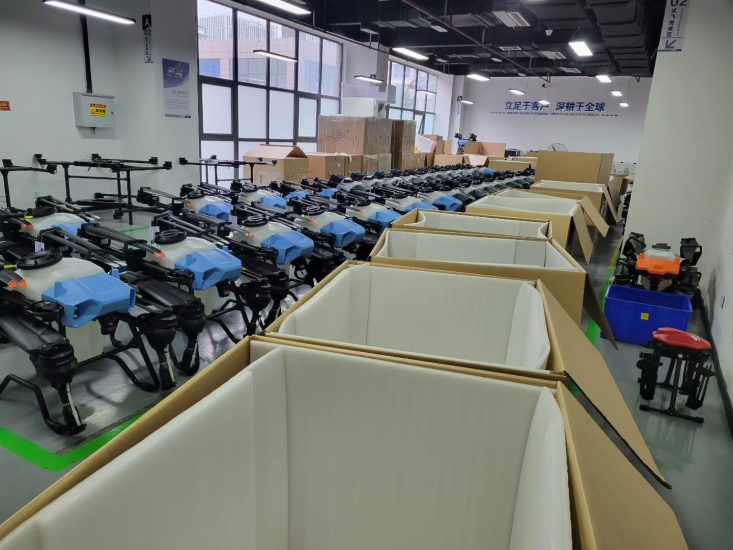
MSOEN welcomes inquiries from international agricultural businesses, importers, distributors, and professional buyers.
Contact us to discuss:
- 20L agricultural spraying drones
- 50L agricultural spraying drones
- 85L agricultural spraying drones
- Spraying pump configurations
- Spray nozzle systems
- Battery and charging equipment
- Product specifications
- OEM and ODM requirements
Please provide your destination country, preferred drone capacity, intended agricultural application, and order quantity.


No comments yet