

In the delicate dance of agriculture, pesticide spraying stands as both a shield and a sword. It safeguards crops from pests, diseases, and weeds that threaten global food security—yet its misuse has sparked debates over environmental harm, human health risks, and biodiversity loss. Today, as the world grapples with feeding 10 billion people by 2050, reimagining pesticide spraying has become urgent: not to abandon it, but to transform it into a tool of precision, sustainability, and responsibility.
The Double – Edged Sword of Traditional Pesticide Spraying
For decades, conventional pesticide spraying relied on broad – scale application—blanketing fields with chemicals regardless of actual pest pressure. Manual backpack sprayers, tractor – mounted booms, or airplane dusters dominated the scene, but these methods were riddled with flaws. Studies show that up to 60% of sprayed pesticides never reach their target, drifting into air, water, and soil due to wind, evaporation, or poor nozzle design. This waste not only inflated costs for farmers but also contaminated ecosystems: pollinators like bees were exposed to toxic residues, aquatic life suffered from runoff, and humans faced heightened risks of pesticide – related illnesses.
Worse, overuse accelerated pest resistance. When pests are repeatedly exposed to the same chemicals, they evolve to survive, forcing farmers to apply higher doses or switch to more toxic alternatives—a vicious cycle that undermines long – term efficacy. In regions like Southeast Asia, where rice blast and stem borers plague paddies, resistance has rendered once – effective pesticides obsolete, leaving farmers vulnerable.
The Rise of Smart Pesticide Spraying: Precision as the New Standard
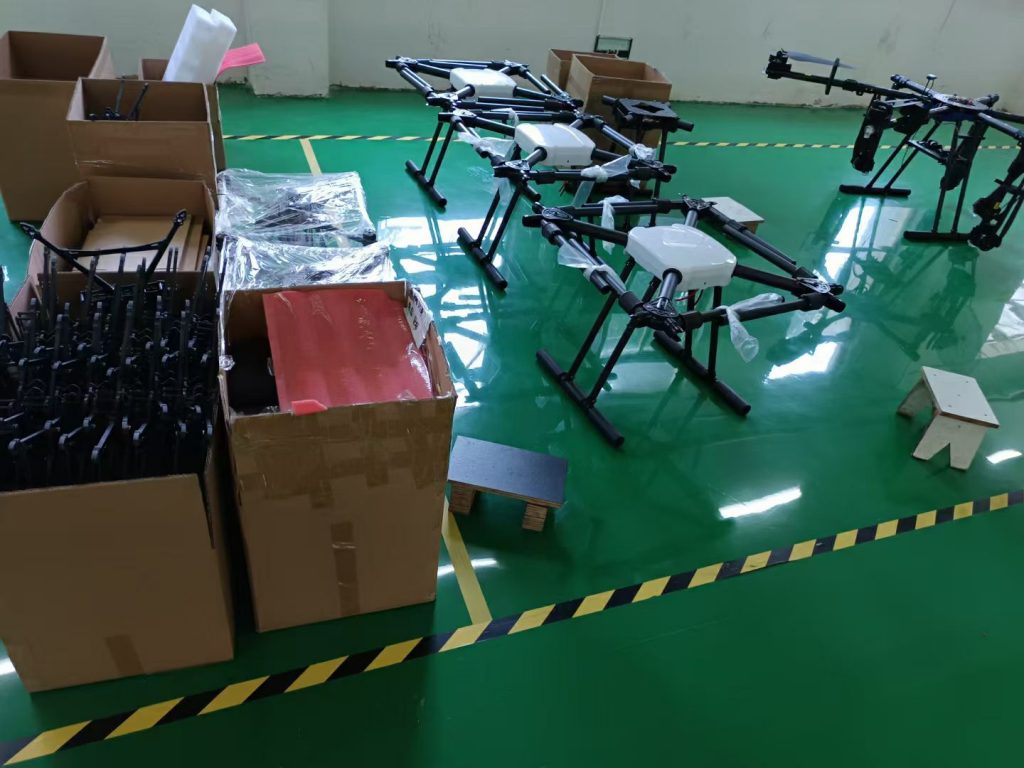
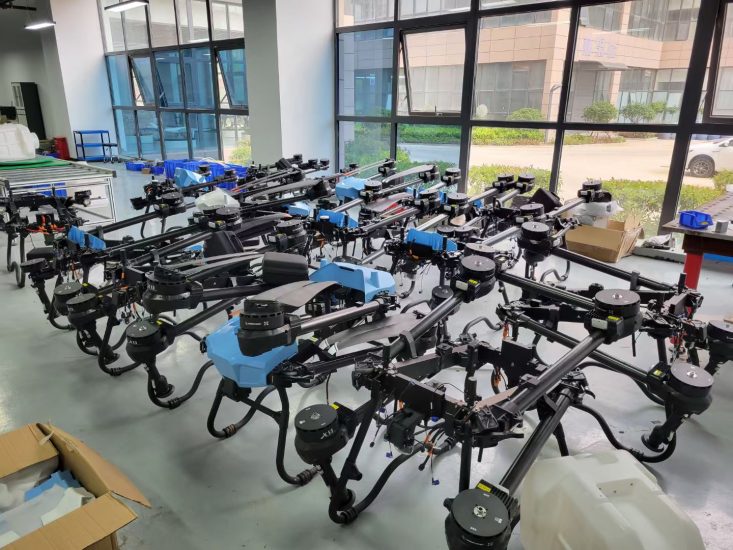
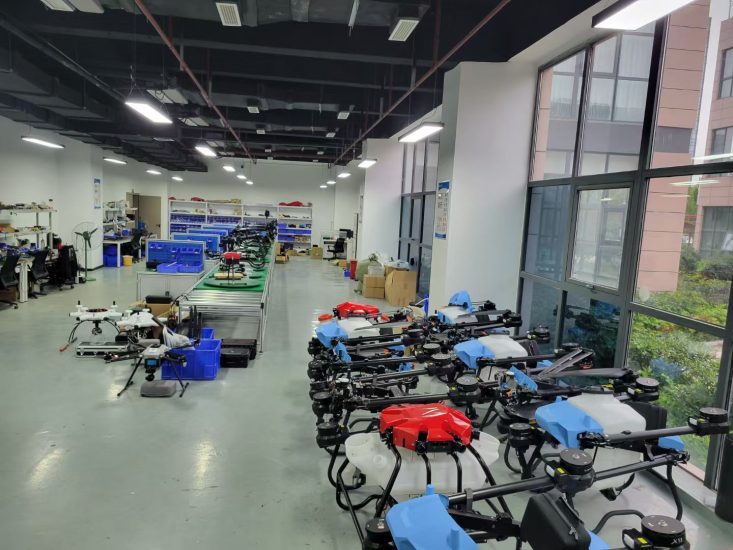
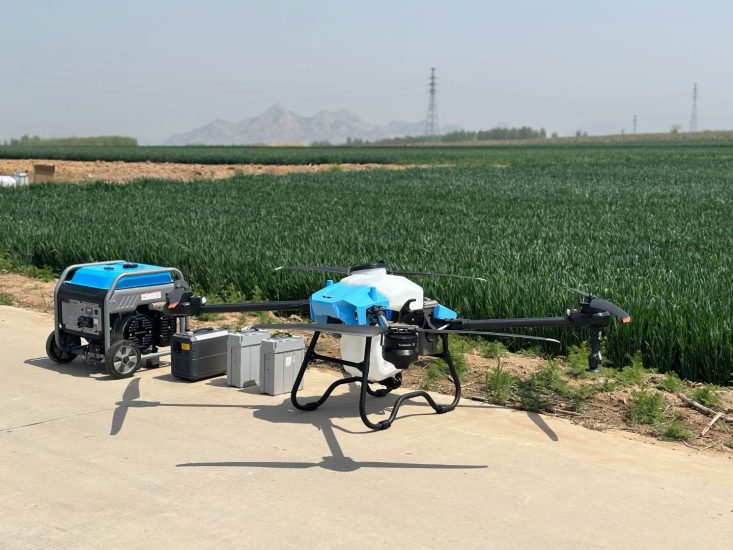
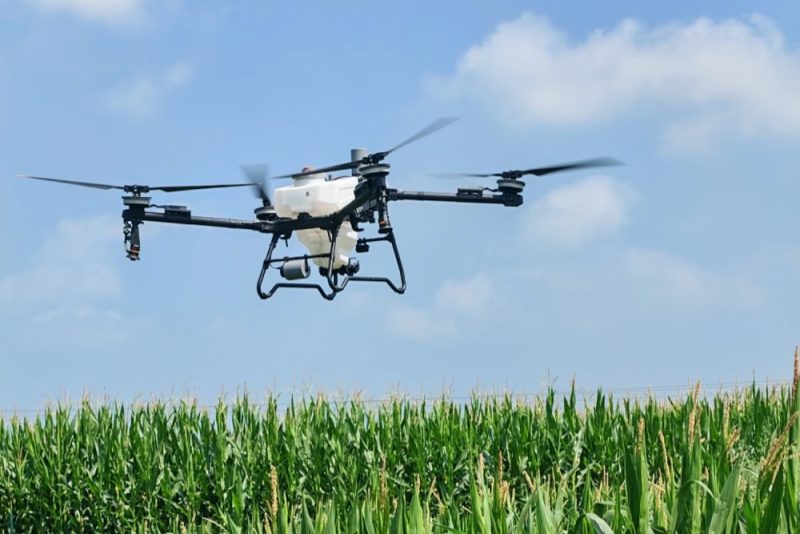
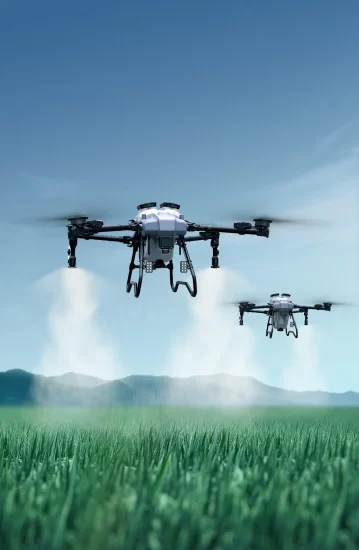
Enter the era of intelligent pesticide spraying, where technology turns “spray everything” into “spray only what’s needed.” At the forefront are drones and automated ground rigs equipped with sensors, cameras, and AI algorithms. These systems scan fields in real time, identifying pest hotspots, diseased plants, or weed clusters through spectral imaging or machine learning models. Instead of uniform coverage, they deliver targeted sprays—sometimes as tiny droplets directed at individual pests—cutting chemical use by 30–70% in trials.
Variable – rate technology (VRT) takes this further. Integrated with GPS and soil maps, VRT adjusts spray volume based on field variability: drier patches with higher pest risk get more attention, while healthy areas receive minimal or no treatment. For example, in Brazil’s soybean farms, VRT – enabled sprayers reduced fungicide use by 40% while maintaining yield, saving farmers thousands in input costs.
Another breakthrough is the rise of bio – pesticides—derived from natural sources like bacteria, fungi, or plant extracts—paired with precision delivery. These eco – friendly alternatives target specific pests without harming beneficial insects, and when applied sparingly via smart systems, they minimize ecosystem disruption. In Kenya, farmers using drone – sprayed neem – based bio – pesticides reported 25% fewer crop losses to aphids, with no negative impact on pollinators.
Beyond Technology: Policy, Education, and Equity
Smart spraying alone isn’t enough. Systemic change requires addressing the human and structural barriers to sustainable practice. Many smallholder farmers lack access to advanced equipment due to high upfront costs, so governments and NGOs are stepping in: India’s “Sub – Mission on Agricultural Mechanization” subsidizes drone purchases for marginal farmers, while NGOs in East Africa train women’s groups to operate low – cost precision sprayers.
Education is equally critical. Farmers often overapply pesticides out of fear of loss, unaware of resistance risks or eco – friendly alternatives. Extension services now use mobile apps to share real – time pest alerts and dosage guidelines—for instance, a farmer in Vietnam can receive a notification: “Rice stem borer detected in your field; apply 50ml/acre of biopesticide X, avoid spraying during bee activity.”
Policy also plays a role. Bans on highly toxic pesticides (like the EU’s restrictions on neonicotinoids) push innovation, while labeling laws ensure farmers understand chemical risks. In California, strict regulations on pesticide drift have spurred adoption of enclosed spray systems that trap 90% of airborne residues.
The Future: Spraying with Purpose
The goal of modern pesticide spraying is not elimination, but optimization—using the least amount of chemistry necessary to protect crops, while preserving the planet. Imagine a future where drones collaborate with IoT soil sensors to adjust sprays hourly, where bio – pesticides replace synthetics for routine use, and where farmers are paid premiums for adopting low – impact methods (via carbon credit programs).
Yet challenges remain: ensuring equitable access to technology, scaling bio – pesticide production, and adapting solutions to diverse crops (from delicate fruits to hardy grains). But the direction is clear: pesticide spraying must evolve from a blunt instrument to a scalpel—precise, mindful, and aligned with the health of both farms and the environment.
In the end, pesticide spraying reflects agriculture’s broader challenge: balancing productivity with stewardship. By embracing intelligence, equity, and sustainability, we can turn this age – old practice into a pillar of resilient food systems—one targeted spray at a time.
THE END


No comments yet