

In the world of unmanned aerial systems, much attention is paid to flight time, range, and camera resolution. Yet one of the most critical specifications—payload capacity—often remains misunderstood or underestimated. This single metric, representing the maximum weight a drone can carry beyond its own structure, serves as the fundamental enabler of functionality, determining not just what a drone can lift, but what role it can play in professional applications.
The Critical Balance: Capacity vs. Capability
Payload capacity represents a delicate engineering balance. Every additional gram of payload reduces flight time, agility, and sometimes stability. Drone manufacturers face the constant challenge of building aircraft that are both light enough to achieve efficient flight and robust enough to carry meaningful loads. This balance is why industrial-grade drones capable of carrying 20kg payloads often have significantly larger frames and more powerful propulsion systems than their consumer counterparts.
The importance of payload capacity extends beyond simply “how much” to “how well.” A drone with generous payload capacity can carry not only the primary sensor or tool but also additional equipment that enhances performance and safety. This might include:
-
Redundant navigation systems
-
Higher-quality gimbals for stabilization
-
Multiple sensor types for simultaneous data collection
-
Parachute recovery systems for safe operations over urban areas
Application-Specific Payload Considerations
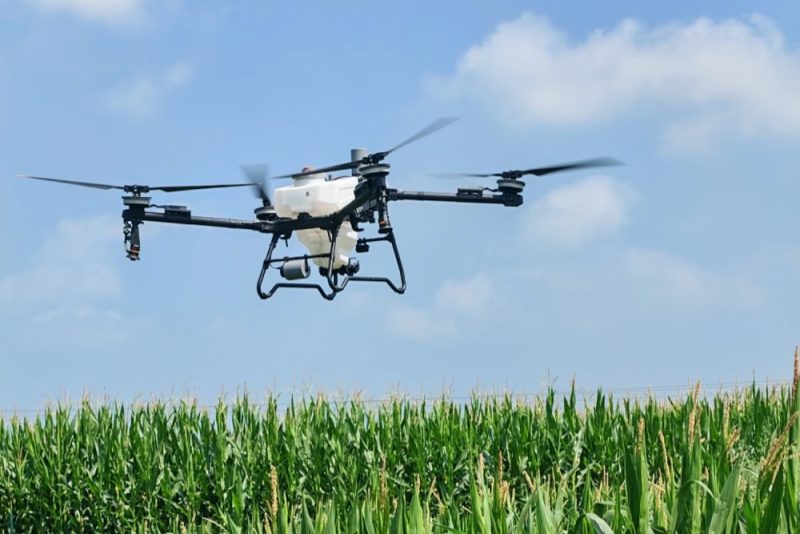
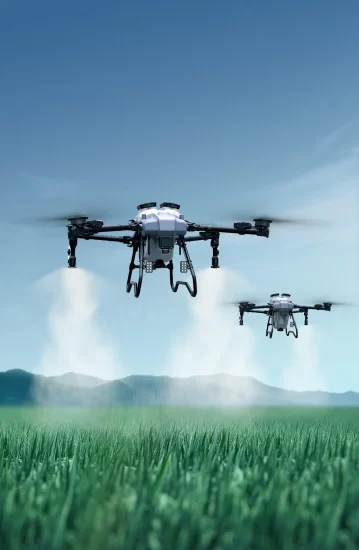
Different applications demand different payload approaches. In agricultural spraying, payload capacity directly translates to efficiency—a drone carrying 40kg of liquid can cover more area between refills than one limited to 10kg. For cinematography, payload capacity determines the quality of cameras that can be flown—from compact mirrorless cameras to professional cinema cameras requiring 5kg+ payload capabilities.
Infrastructure inspection presents particularly interesting payload challenges. While a basic visual inspection might require only a 200g camera, more comprehensive surveys might need thermal sensors (300-500g), LiDAR systems (500g-2kg), or even gas detection sensors. The drone’s payload capacity determines whether these can be carried individually or simultaneously in a multi-sensor payload.
The Weight-Versatility Equation
Perhaps the most significant aspect of payload capacity is how it enables versatility. Drones with substantial payload margins can adapt to evolving requirements without requiring aircraft replacement. A platform designed with 5kg payload capacity might initially carry a 2kg camera, leaving room for future sensor upgrades or additional equipment. This “payload headroom” represents not just current capability but future-proofing, allowing organizations to maximize their investment as technology evolves.
This versatility extends to operational flexibility. During search and rescue operations, a drone with ample payload capacity might carry both a high-zoom camera and a thermal imager, allowing responders to switch between sensor types based on conditions. In agricultural mapping, the same drone might alternate between multispectral and hyperspectral sensors depending on the specific crop and analysis requirements.
The Technical Trade-Offs
Increasing payload capacity inevitably involves trade-offs. Larger payloads typically require:
-
More powerful motors and larger propellers
-
Higher-capacity batteries, increasing overall weight
-
Reinforced airframes and landing gear
-
More sophisticated flight controllers to maintain stability
These additions create a cycle where increased payload capacity necessitates a heavier platform, which in turn requires more power to lift, potentially reducing flight time. The most sophisticated drone designs optimize this balance through advanced materials like carbon fiber composites and efficient aerodynamic profiles.
The Future of Payload Technology
The evolution of payload capacity is moving in two complementary directions. On one hand, sensors and equipment are becoming lighter and more compact, effectively increasing useful payload capacity without changing the drone itself. A thermal camera that weighed 500g five years ago might deliver better performance at 200g today.
Simultaneously, drone manufacturers are developing more efficient platforms that can carry heavier loads for the same size and power consumption. Innovations in propulsion efficiency, battery energy density, and structural design are gradually shifting the payload-capability equation. Some heavy-lift drones now boast payload capacities exceeding 50kg, opening applications from construction material delivery to emergency supply transport.
Conclusion: The Strategic Importance of Payload Planning
For organizations integrating drone technology, understanding payload capacity is strategic, not just technical. The right payload capacity ensures that drone solutions can not only meet current needs but adapt to future requirements. It represents the difference between a limited-purpose tool and a versatile platform capable of growing with an organization’s evolving operational needs.
As drone technology continues to mature, payload capacity will remain a key differentiator between consumer-grade toys and professional tools. The unseen weight-carrying capability of these aircraft ultimately determines their real-world value, making payload capacity not just a specification, but a critical business consideration in the age of aerial innovation.
Article Link:
Payload Capacity: The Unseen Engine of Drone Performance
THE END



No comments yet