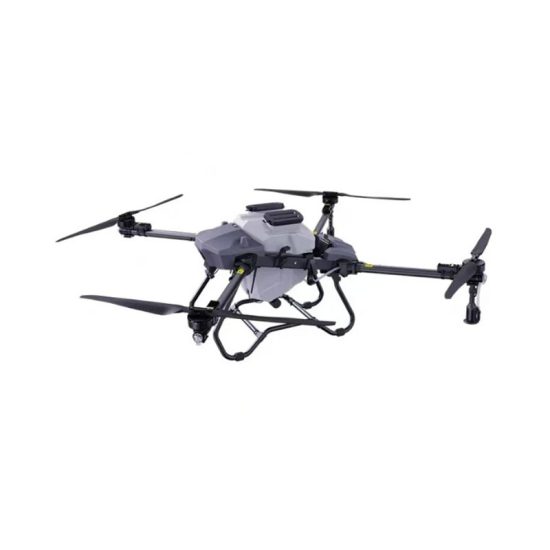


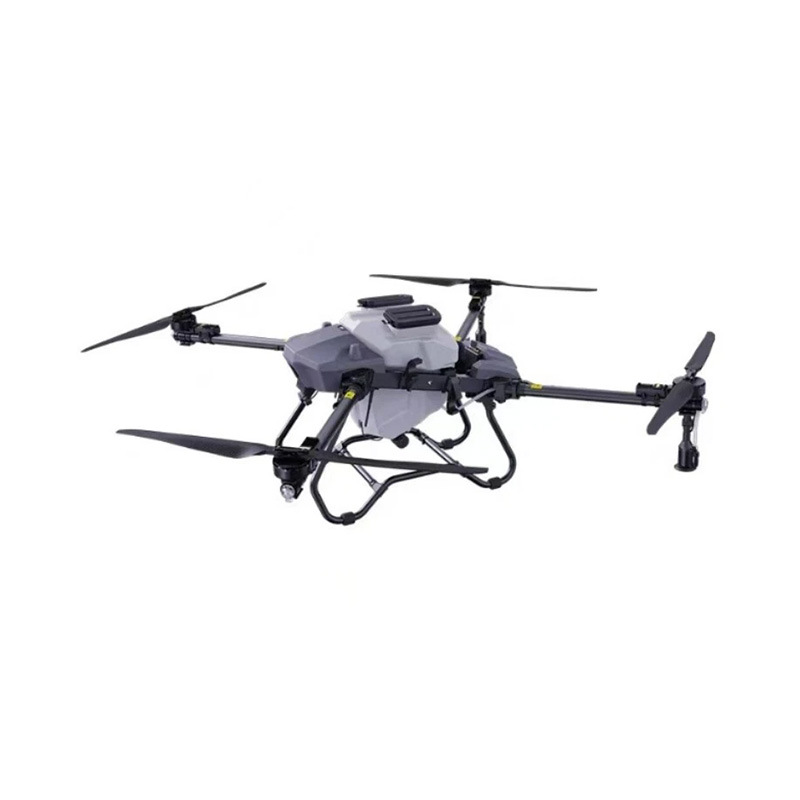
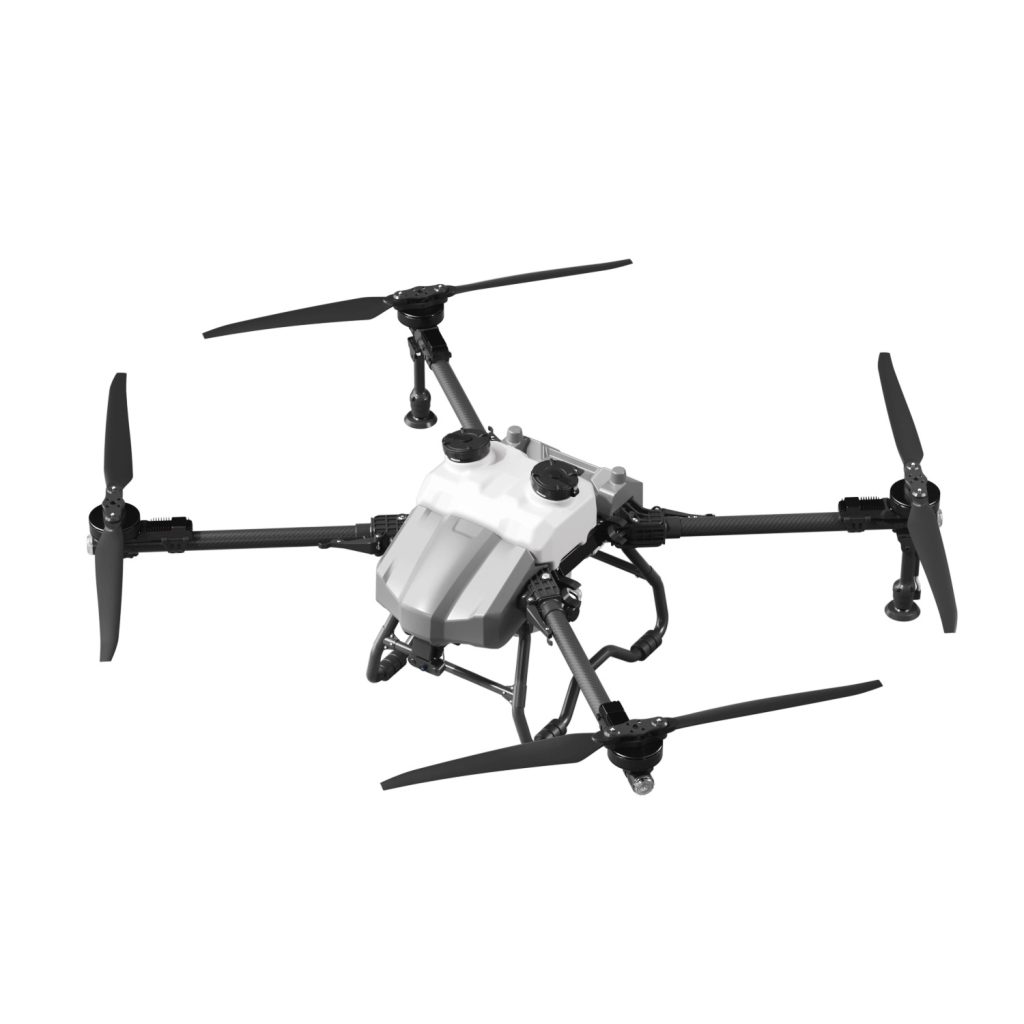

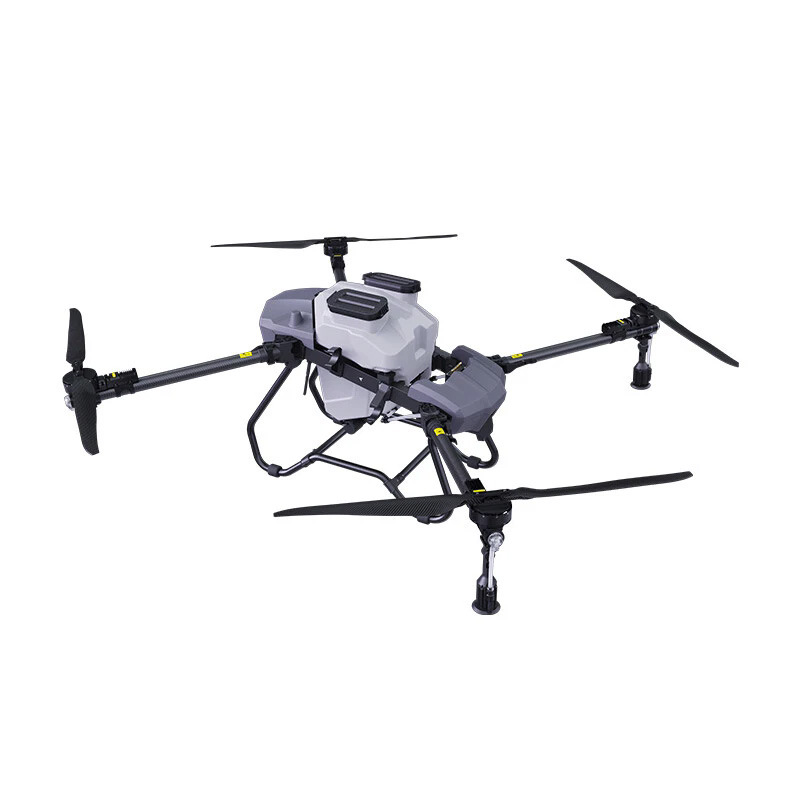
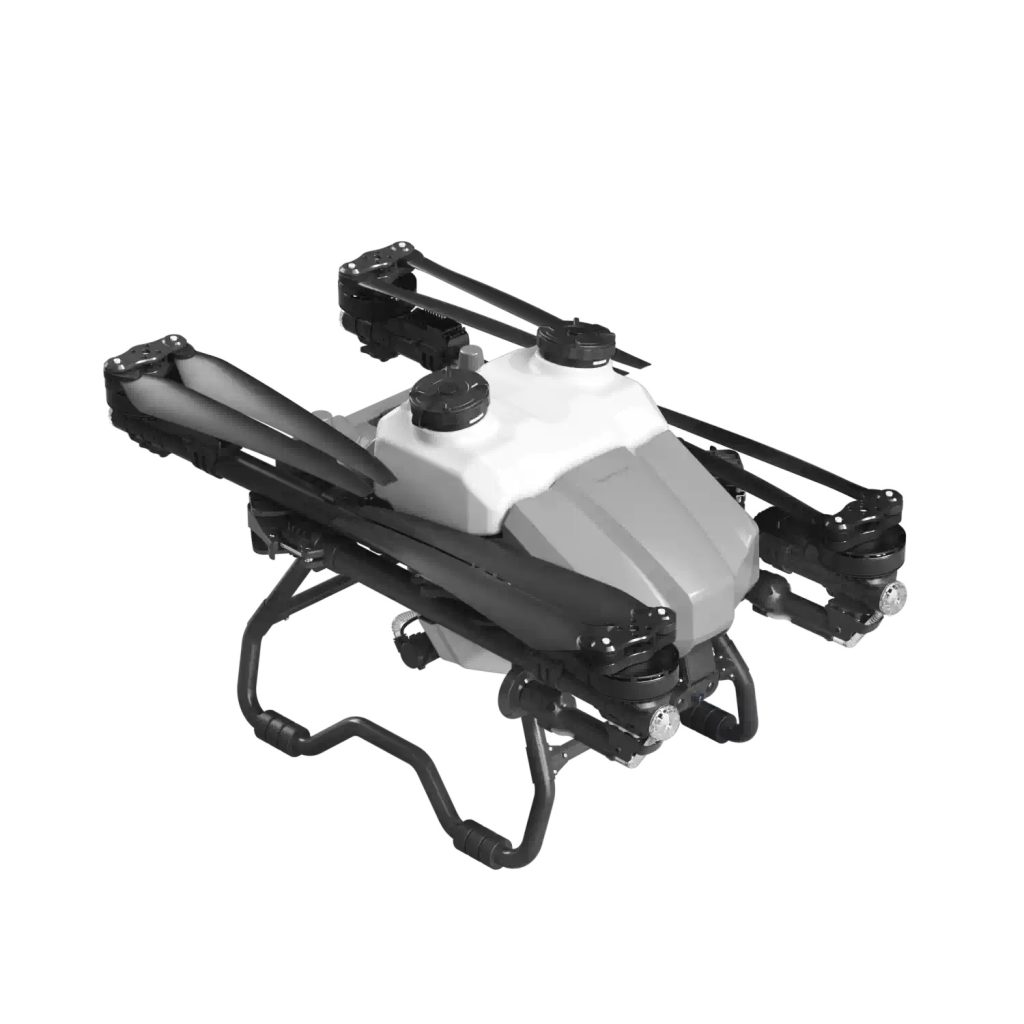
China’s agricultural sector has undergone a significant technological transformation over the past decade, with unmanned aerial vehicles (UAVs), or drones, leading the charge. For farmers and agricultural contractors looking to invest in spraying drones, the market can seem crowded and complex. While brand names are plentiful, identifying a truly reliable manufacturer requires looking beyond flashy advertisements and focusing on core engineering principles, service networks, and practical performance.
So, what separates a top-tier Chinese agricultural drone maker from the rest?
1. The Core of the Machine: Stability and Durability
In agriculture, conditions are rarely ideal. A good spraying drone must withstand dust, high humidity, pesticide corrosion, and rough handling. The best manufacturers prioritize robust airframe construction, often utilizing carbon fiber composites and aviation-grade aluminum alloys. More importantly, they focus on flight control systems. Superior drones feature centimeter-level positioning accuracy, which ensures stable hovering even in windy conditions and prevents “drift” during spraying—a critical factor for chemical application efficiency and environmental safety.
2. Spraying Efficiency and Precision
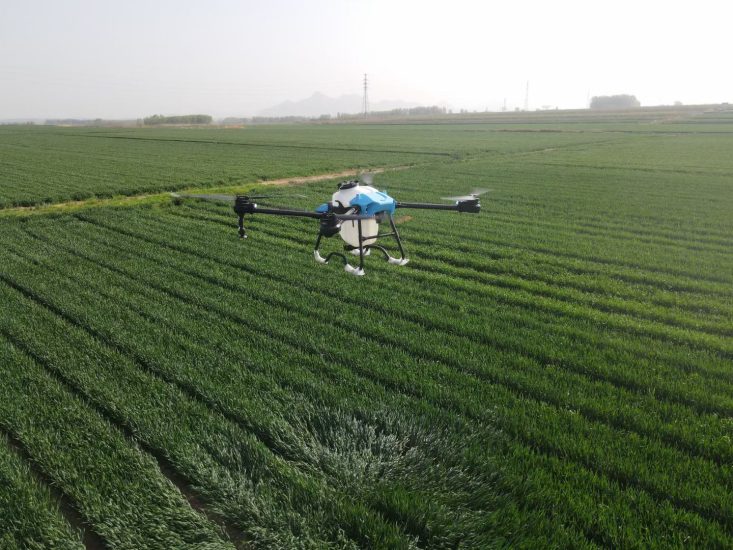
The primary job of these machines is to spray, so nozzle technology and pump consistency are vital. Leading manufacturers have moved away from simple pressure-based systems to more advanced centrifugal or electrostatic spraying systems. These innovations ensure that droplets are uniformly sized and properly atomized, allowing them to adhere effectively to plant leaves rather than drifting away. A quality drone will offer adjustable flow rates and spray widths to match different crop stages, from dense rice fields to tall fruit trees.
3. Battery Life and Swappable Systems
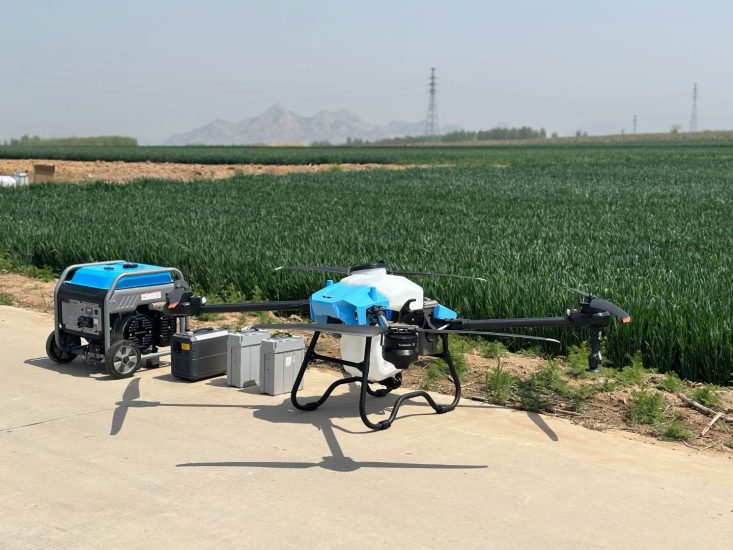
Time is money during the busy spraying season. The best drones are designed for endurance but also for speed. Top manufacturers equip their drones with intelligent battery management systems (BMS) that provide real-time health monitoring and fast charging capabilities. Furthermore, the ability to quickly swap batteries (often in under 30 seconds) is a hallmark of professional-grade equipment, minimizing downtime between flights.
4. After-Sales Service and Local Support
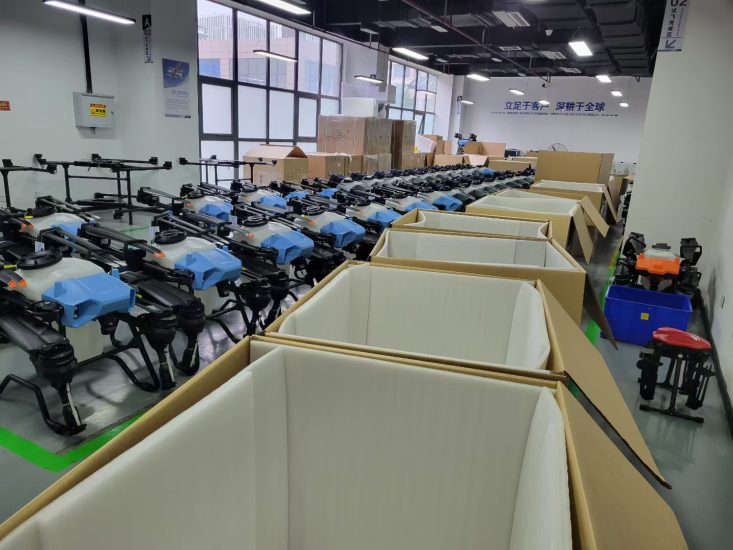
This is arguably the most critical factor. An agricultural drone is not a smartphone; it requires calibration, maintenance, and occasional repairs. A reputable manufacturer will have a widespread service network or authorized dealers deep within agricultural regions. They should offer comprehensive training programs for new pilots, readily available spare parts, and responsive technical support. Without this ecosystem, even the most technologically advanced drone becomes useless when a part breaks down during peak harvest.
5. Compliance and Safety Features
With increasing regulations surrounding drone usage, a responsible manufacturer builds in compliance features. This includes automatic obstacle avoidance systems (using radar or visual sensors), geofencing capabilities, and flight logs that can be accessed for regulatory reporting. Safety mechanisms that automatically return the drone to home (RTH) in case of low battery or signal loss are non-negotiable standards set by the industry leaders.
Conclusion
When searching for the “best” agricultural drone in China, it is less about finding a single famous name and more about identifying a manufacturer that excels in these five pillars: durable hardware, precise spraying technology, efficient power systems, accessible service, and smart safety features. By focusing on these tangible metrics rather than marketing hype, buyers can find a reliable partner capable of boosting productivity and modernizing their farming operations for years to come.
THE END


No comments yet