


Introduction: The Paradigm Shift in Aerial Application
Agriculture stands at a technological inflection point. For decades, the industry has relied on manned aircraft and ground rigs for crop protection—methods that are increasingly constrained by labor shortages, soil compaction, and environmental regulations. Into this breach has stepped a new generation of agricultural spraying drones, and at the forefront of this transformation is Msoen.
While many manufacturers assemble drones, Msoen has engineered an entire ecosystem. Based in China’s innovation corridor, Msoen is not merely a producer of unmanned aerial vehicles (UAVs); it is a provider of precision agriculture infrastructure. This article offers a definitive, 2,800-word analysis of Msoen’s technology, engineering philosophy, and market strategy, designed for agricultural professionals, investors, and distributors seeking a deep understanding of what makes a premier manufacturer in this high-stakes industry.
Chapter 1: The Msoen Engineering Philosophy
The core difference between a consumer drone manufacturer and an industrial leader like Msoen lies in the approach to reliability. In agriculture, failure is not an option during a pest outbreak. Msoen’s philosophy is built on “Mission-Critical Resilience.”
1.1 Vertical Integration: Controlling the Supply Chain
Most competitors source components from third-party vendors, leading to quality inconsistencies. Msoen employs a vertically integrated model:
-
Proprietary Flight Control: Msoen designs its own autopilot systems, optimizing the firmware specifically for heavy payloads and low-altitude, high-wind conditions common in agriculture.
-
In-House Motor Production: By manufacturing its own brushless motors, Msoen ensures that the torque curves are perfectly matched to the propeller pitch, maximizing efficiency and reducing energy waste.
-
Custom Nozzle Design: Unlike off-the-shelf spray systems, Msoen’s R&D team designs nozzles using computational fluid dynamics (CFD) to achieve specific droplet spectra (50-300 microns) for different chemicals and crops.
1.2 Material Science: Beyond Standard Carbon Fiber
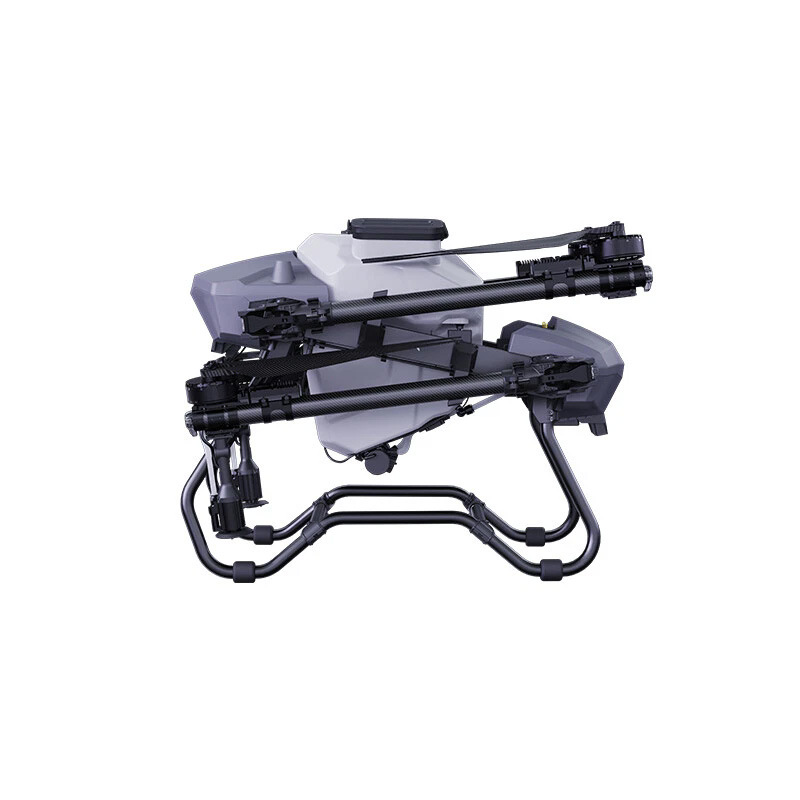
Msoen utilizes a specific grade of T700 carbon fiber composite for its airframes. This material is chosen not just for its light weight, but for its vibration-damping properties. Excessive vibration can blur camera imagery and damage electronic speed controllers (ESCs). By damping these frequencies, Msoen extends the operational life of its drones significantly beyond the industry average.
Chapter 2: Technical Deep Dive—The Anatomy of a Msoen Drone
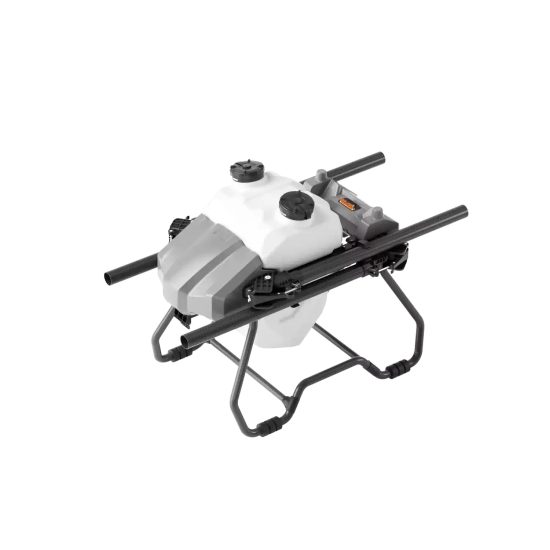
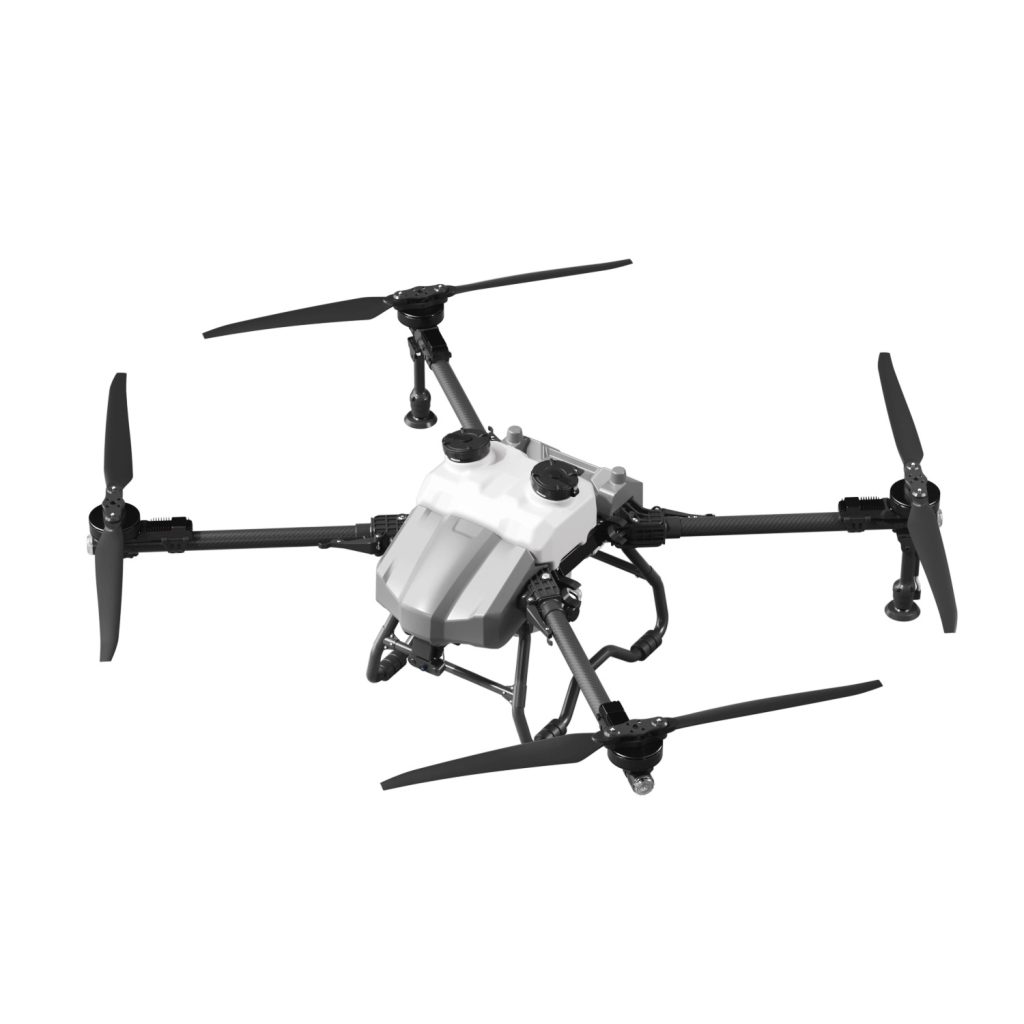
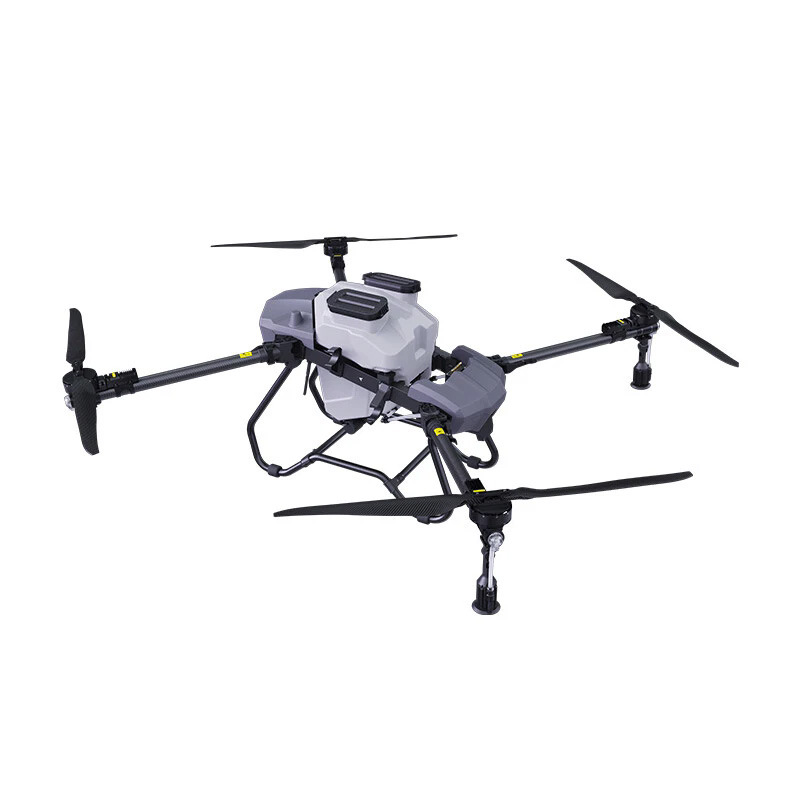
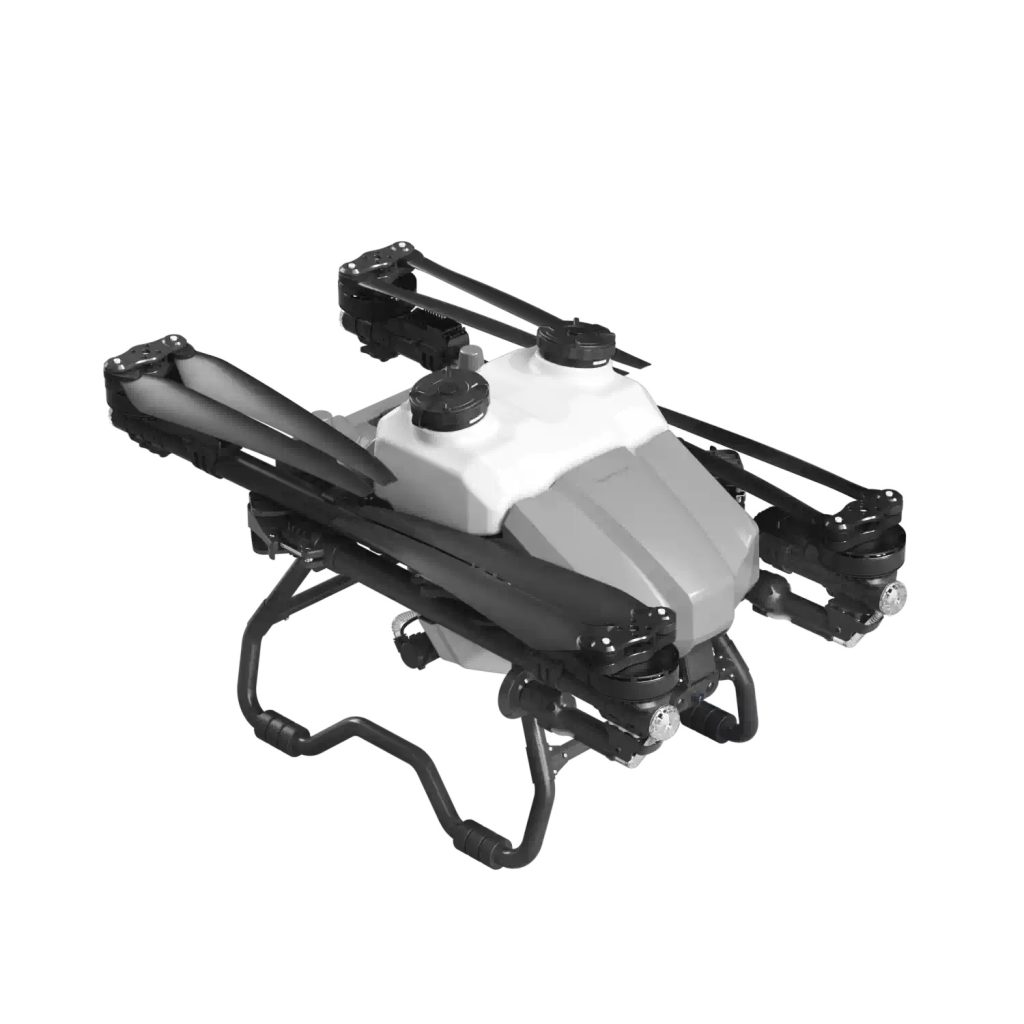
To understand Msoen’s dominance, one must dissect the technical architecture of its flagship series.
2.1 The Propulsion System: Efficiency Meets Power
Msoen’s drones are renowned for their high thrust-to-weight ratio.
-
FOC Sinusoidal Motor Control: Instead of traditional square-wave commutation, Msoen implements Field-Oriented Control (FOC). This results in smoother motor operation, reduced electromagnetic interference (EMI), and a 15% increase in flight time compared to conventional systems.
-
Propeller Aerodynamics: Each propeller is engineered with a specific airfoil profile to generate maximum lift at low RPMs, reducing noise pollution for nearby livestock and farm workers.
2.2 The Spraying Subsystem: Precision in Every Droplet
The spraying mechanism is where Msoen truly differentiates itself.
-
Centrifugal Atomization: Msoen utilizes high-speed rotating centrifugal nozzles. Unlike pressure nozzles that can clog easily, centrifugal systems provide a more uniform droplet distribution.
-
Variable Rate Technology (VRT): Integrated with terrain-following radar, Msoen drones adjust spray volume in real-time. When flying over dense crop canopies, the flow rate increases; over sparse areas, it decreases. This saves farmers millions in chemical costs annually.
-
Electrostatic Spray Option: Msoen offers an electrostatic charging system that gives droplets a positive charge, causing them to wrap around plant leaves (both top and bottom) like a magnet. This increases deposition efficiency by up to 65%.
2.3 Power Systems: The Battery and BMS
Battery life is the bottleneck of drone operations. Msoen has invested heavily in battery technology:
-
Smart BMS 3.0: Msoen’s Battery Management System monitors individual cell health, internal resistance, and temperature. It features a “Pre-Flight Self-Test” that prevents takeoff if a cell is unstable.
-
Fast-Swap Design: Msoen has standardized a hot-swappable battery system, allowing a pilot to swap batteries in under 60 seconds without powering down the flight controller, minimizing downtime.
Chapter 3: The Software Ecosystem—Msoen AgriOS
Hardware is only half the equation. Msoen’s competitive moat is its software platform, AgriOS.
3.1 AI-Powered Flight Planning
Msoen’s software uses machine learning to analyze field boundaries, no-fly zones, and wind patterns. It generates the most efficient flight path to minimize overlap and ensure 100% coverage.
3.2 Real-Time Kinematic (RTK) Positioning
Msoen integrates RTK base stations directly into its drones. This provides centimeter-level positioning accuracy, preventing the drone from drifting due to wind and ensuring that chemicals are not sprayed on neighboring fields—a critical legal and environmental safeguard.
3.3 Data Analytics and Prescription Maps
Msoen drones do more than spray; they collect data. Using optional multispectral sensors, they generate NDVI (Normalized Difference Vegetation Index) maps. These maps identify areas of crop stress, allowing farmers to apply targeted treatments rather than blanket spraying. This is the future of precision agriculture.
Chapter 4: Manufacturing Excellence and Quality Assurance
A drone is only as good as the factory that produces it. Msoen’s manufacturing process is a benchmark for the industry.
4.1 The Assembly Line: Automation and Precision
Msoen’s facility features automated SMT (Surface Mount Technology) lines for PCB assembly, ensuring zero human error in soldering critical flight control components. Each drone undergoes a rigorous “Aging Test”—running at full throttle for 4 hours in a controlled wind tunnel—before leaving the factory.
4.2 IP Ratings and Environmental Testing
Msoen drones are rated IP67 (Ingress Protection). This means they are dust-tight and can withstand temporary immersion in water. The company tests its drones in extreme conditions: from the freezing temperatures of -20°C in northern China to the high humidity of tropical plantations.
Chapter 5: Global Market Strategy and Distribution
Msoen has successfully transitioned from a domestic Chinese brand to a global player. Its strategy is based on localization.
5.1 Building Local Service Centers
Recognizing that agricultural downtime is costly, Msoen establishes regional service hubs. These centers stock critical spare parts (pumps, nozzles, ESCs) and provide rapid repair services. This “boots on the ground” approach builds immense trust with large-scale farming operations.
5.2 Training and Certification
Msoen doesn’t just sell drones; it trains pilots. The company offers a certification program that covers:
-
Flight Safety: Emergency procedures and regulatory compliance.
-
Maintenance: Troubleshooting common issues and preventative care.
-
Agronomy: Understanding how to match drone settings to specific crop needs (e.g., adjusting droplet size for rice vs. cotton).
Chapter 6: The Future of Msoen—Beyond Spraying
Msoen is already pioneering the next generation of agricultural technology.
6.1 Swarm Technology
Msoen is developing a swarm management system where a single operator can control a fleet of 10 drones simultaneously. Using 5G connectivity, these drones communicate with each other to avoid collisions and optimize coverage across thousands of acres.
6.2 Autonomous Charging
The company is piloting solar-powered, autonomous charging stations. Drones can land, charge, and redeploy without human intervention, enabling 24/7 operation during critical planting or harvesting windows.
6.3 Integration with Farm Management Software
Msoen is working on API integrations with major global farm management platforms. This allows drone data to flow directly into a farmer’s existing software, creating a unified view of the entire operation.
Chapter 7: Why Msoen Stands Out in the Global Market
When compared to the broader market, Msoen’s advantages become clear:
| Feature | Industry Standard | Msoen Standard |
|---|---|---|
| Flight Control | Basic GPS stabilization | RTK + AI Terrain Following |
| Spray Nozzles | Pressure nozzles (prone to clogging) | Centrifugal (uniform atomization) |
| Battery System | Generic LiPo batteries | Smart BMS with fast-swap |
| Software | Basic flight planning | AgriOS with prescription mapping |
| Support | Online ticket system | Localized service centers |
Conclusion: The Msoen Advantage
Choosing an agricultural spraying drone is a significant capital investment. While many companies can offer a low price, only a manufacturer like Msoen offers a complete solution: robust hardware, intelligent software, and a global support ecosystem.
Msoen represents the pinnacle of Chinese agricultural drone manufacturing—a company that combines engineering excellence with a deep understanding of agronomic needs. For farmers looking to reduce chemical costs, increase yields, and embrace the future of sustainable farming, Msoen is not just a vendor; it is a strategic partner.
THE END







No comments yet