


Introduction
Mines are the backbone of global resource extraction, supplying the minerals and metals that power modern civilization—from copper wiring in smartphones to iron ore in skyscrapers. Yet, these subterranean and open-pit environments are among the most hazardous workplaces on Earth. Collapsing tunnels, toxic gas leaks, equipment failures, and rockfalls pose constant threats to the 40 million people employed in mining globally. Traditional inspection methods, reliant on human miners braving unstable terrain, ground vehicles with limited mobility, and sparse fixed sensors, are increasingly inadequate. They are slow, dangerous, and often miss critical defects until they escalate into disasters.
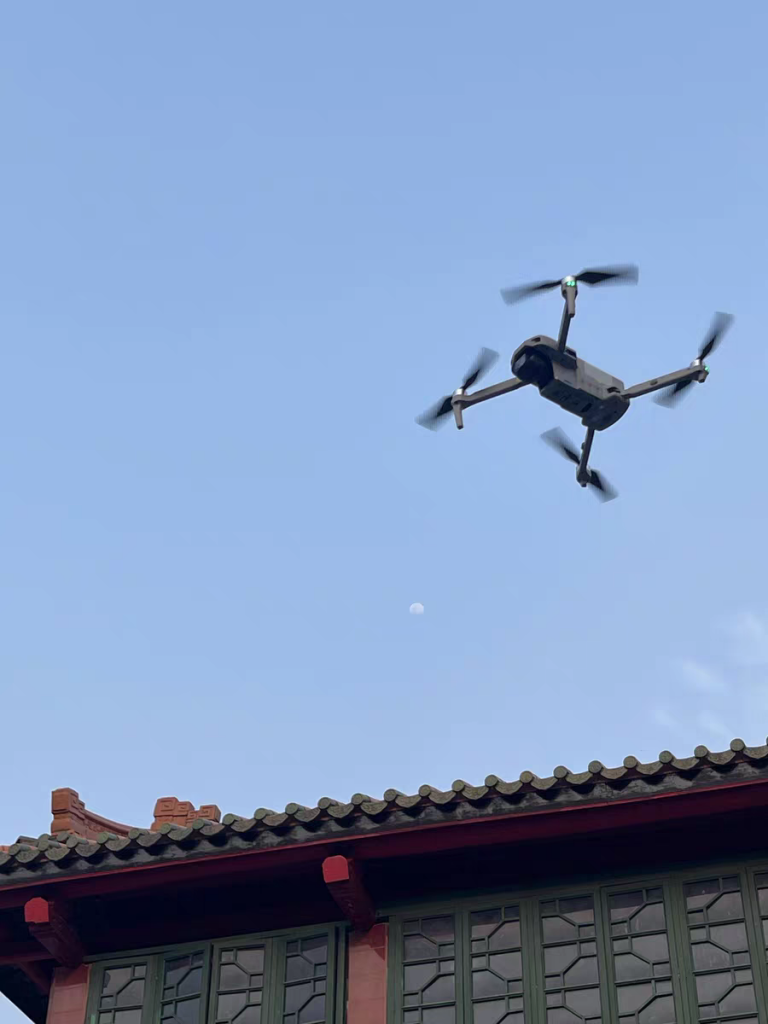
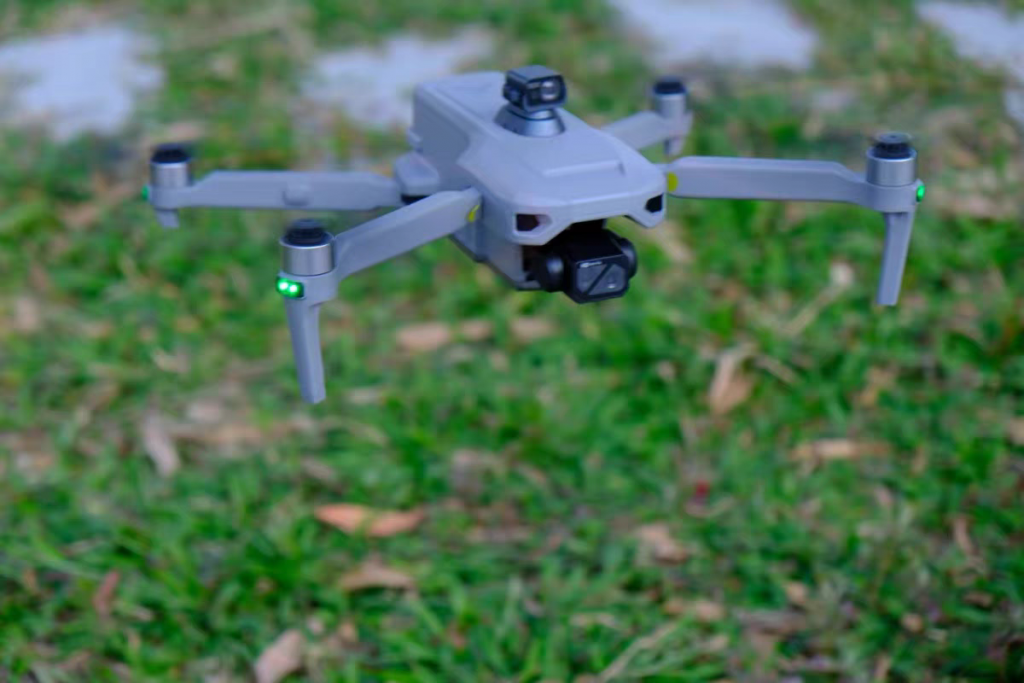
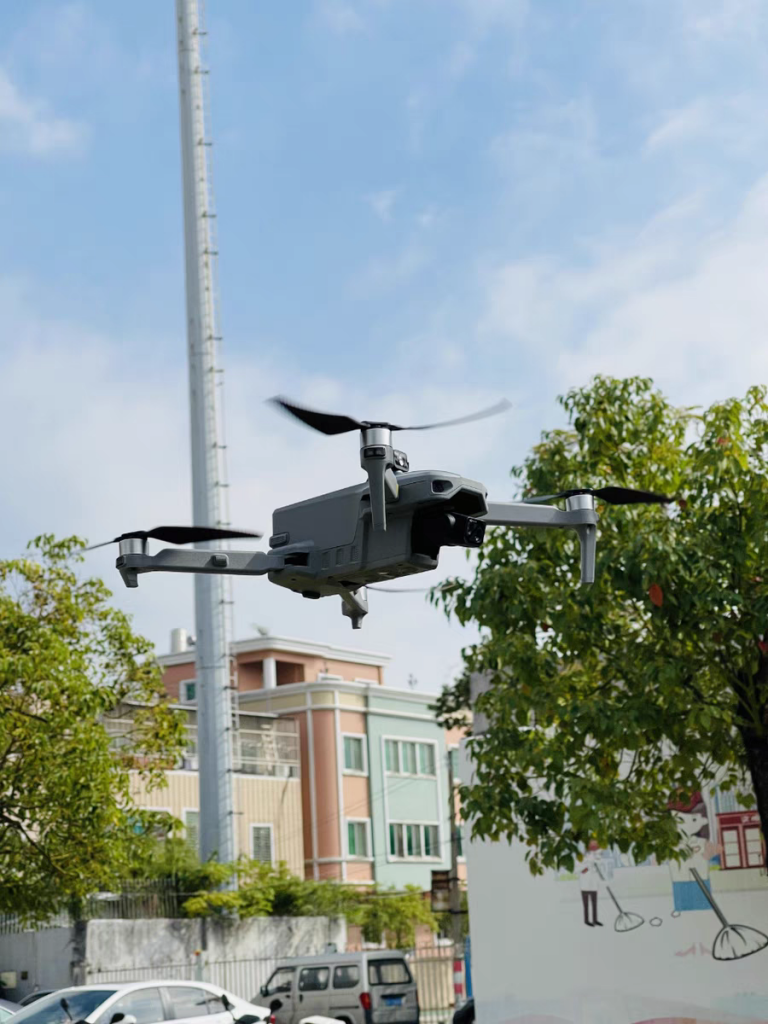
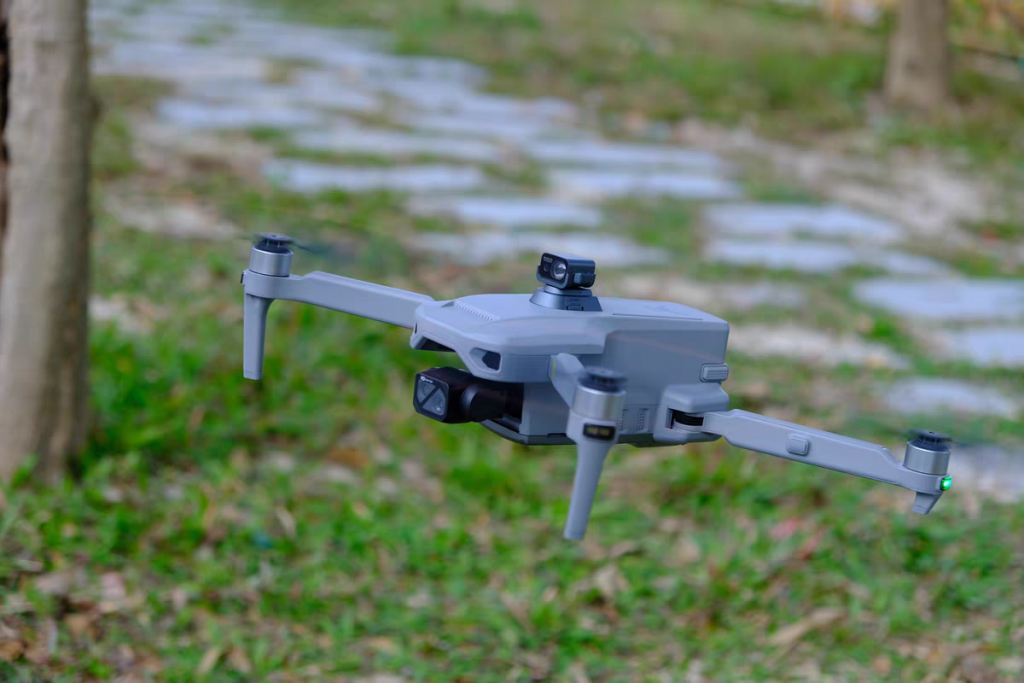
Enter MSOEN, a brand redefining mine safety through purpose-built inspection drones. By combining ruggedized hardware, multi-sensor intelligence, and AI-driven analytics, MSOEN’s drones transform mine inspection from a high-risk, manual chore into a precise, efficient, and data-rich process. This article explores the perils of conventional mining inspections, MSOEN’s technological breakthroughs, and how its drones are safeguarding miners, equipment, and operations in some of the world’s most challenging environments.
The Perils of Traditional Mine Inspection: A System on the Brink
To grasp MSOEN’s impact, we must first confront the limitations of legacy inspection practices, which endanger lives and compromise efficiency.
1. Human Inspectors: Braving the Abyss
For over a century, mine inspection has depended on miners and engineers venturing into dark, unstable spaces. In underground mines, inspectors crawl through narrow tunnels, climb rickety ladders, and navigate poorly lit galleries to check for roof collapses, gas accumulation, or equipment wear. In open-pit mines, they traverse steep slopes and unstable benches, risking falls or being struck by falling rocks.
This method is inherently perilous:
-
Gas Hazards: Coal mines harbor methane (CH₄) and carbon monoxide (CO), while metal mines may contain toxic sulfur dioxide (SO₂). In 2021, a methane explosion in a Chinese coal mine killed 11 inspectors during a routine check.
-
Structural Risks: Rockfalls and tunnel collapses account for 25% of mining fatalities, with 60% of these occurring during manual inspections.
-
Extreme Conditions: Miners endure high temperatures (up to 50°C in deep shafts), high humidity, and poor air quality, leading to respiratory diseases and heatstroke.
Moreover, human vision is limited. In low light, inspectors miss hairline cracks in support beams or subtle gas seepage, while fatigue and distraction reduce detection rates to just 50–60% for critical defects.
2. Ground Vehicles: Slow and Constrained
All-terrain vehicles (ATVs) and mine carts are used to inspect open pits and some underground passages, but they have critical flaws:
-
Terrain Limitations: ATVs cannot navigate steep slopes (>30 degrees), narrow tunnels, or flooded areas. In underground mines, they require extensive track modifications, limiting access.
-
Speed and Coverage: Even in open pits, vehicles move at 5–10 km/h, taking days to survey large sites. A 10 km² open pit may require a week of continuous driving, during which new hazards can emerge.
-
Surface-Only Detection: Vehicles rely on cameras and basic sensors, missing defects on ceilings, walls, or overhead equipment (e.g., ventilation shafts).
3. Fixed Sensors: Blind Spots and Delayed Alerts
Some mines deploy fixed sensors (e.g., gas detectors, seismic monitors, thermal cameras) at key locations. However, these tools create significant gaps:
-
Sparse Coverage: Sensors are placed 500–1,000 meters apart, leaving vast areas uninspected. A gas leak between two sensors may go undetected for hours.
-
Passive Monitoring: Most sensors trigger alarms only when parameters exceed thresholds (e.g., methane >1%), failing to catch gradual changes like slow corrosion or minor rock movement.
-
Maintenance Challenges: Wired sensors are vulnerable to damage from blasting or equipment, requiring frequent repairs.
These challenges—danger, inefficiency, and incomplete data—created an urgent need for a new tool: one that could safely access every corner of a mine, detect subtle threats, and provide real-time insights for proactive intervention. MSOEN’s mine inspection drones were engineered to meet this need.
MSOEN’s Subterranean and Surface Arsenal: Technology Built for Mining Extremes
MSOEN’s drones are not repurposed consumer models; they are purpose-built systems integrating five core innovations tailored to mining’s unique demands.
1. Multi-Sensor Fusion: Illuminating the Unseen
Mines hide threats in plain sight and beyond. MSOEN’s drones carry a suite of sensors that collectively “see” the invisible:
-
4K Low-Light Cameras with 60x Zoom: High-resolution cameras with starlight sensors capture clear images in near-total darkness, essential for underground tunnels. MSOEN’s “MineScan” algorithm stitches thousands of images into 3D models, allowing measurement of crack widths (down to 0.1 mm) and rock displacement.
-
Infrared (IR) Thermal Imagers: Overheating equipment (e.g., conveyor motors, transformers) or smoldering rock emits heat signatures detectable by IR cameras (1024×768 pixel resolution). In open pits, the camera identifies hot spots from spontaneous combustion of coal or waste rock.
-
Tunable Diode Laser (TDLAS) Gas Detectors: Critical for gas monitoring, TDLAS sensors measure methane, CO, and SO₂ with parts-per-million (ppm) accuracy. A downward-facing probe samples air as the drone flies, creating gas concentration maps to pinpoint leaks.
-
LiDAR (Light Detection and Ranging): A 360° LiDAR scanner maps mine geometry, detecting roof subsidence, slope instability, and tunnel deformation with millimeter precision. In open pits, it assesses bench stability to prevent collapses.
-
Seismic and Acoustic Sensors: Sensitive microphones and seismometers record rock movement and equipment vibrations, distinguishing between normal mining activity and abnormal tremors (e.g., impending rockbursts).
In field tests, MSOEN’s multi-sensor fusion detected 98% of simulated defects, compared to 55% for human inspectors and 70% for ground vehicles.
2. Autonomous Navigation: Conquering Complex Terrain
Mines are mazes of slopes, tunnels, and obstacles. MSOEN’s drones navigate these with:
-
RTK-GPS + SLAM (Simultaneous Localization and Mapping): In open pits, RTK-GPS provides centimeter-level positioning, while SLAM creates 3D maps of the terrain. In underground mines (GPS-denied), LiDAR-based SLAM maintains accuracy, allowing drones to follow tunnel walls with <0.2 meter deviation.
-
Obstacle Avoidance Suite: Ultrasonic sensors (0–10 meters), vision cameras (object recognition), and radar (dust/fog penetration) enable drones to avoid rocks, equipment, and workers. In open pits, the system detects falling debris and triggers evasive maneuvers.
-
Hybrid VTOL Design: MSOEN’s drones switch between fixed-wing efficiency (80 km/h in open pits) and multirotor agility (hovering in tight tunnels). This allows them to launch from a surface base, fly 5 km to an underground shaft, and inspect vertical shafts by ascending/descending vertically.
A single MSOEN drone can survey 5 km² of open pit or 10 km of underground tunnel in 4 hours—10 times faster than a human team.
3. Ruggedized Design: Surviving Mining’s Harshest Conditions
Mines expose drones to dust, vibration, explosives, and extreme temperatures. MSOEN’s airframes are engineered for resilience:
-
Carbon Fiber Composite Body: Lightweight yet strong, the frame resists impacts from rocks or debris. A sealed, IP67-rated casing protects internal components from dust and water.
-
Explosion-Proof Components: In coal mines (flammable environments), drones use intrinsically safe batteries and motors, certified to ATEX/IECEx standards.
-
Wide-Temperature Operation: From -40°C (Arctic mines) to 60°C (desert open pits), MSOEN drones maintain performance via heated/cooled battery compartments.
-
Anti-Vibration Mounts: Sensors are stabilized to minimize blur from drilling or blasting vibrations, ensuring clear data even during active operations.
In a 2023 trial in a Siberian gold mine (-35°C), an MSOEN drone operated for 6 hours, inspecting 8 km of frozen underground tunnels without failure.
4. AI-Powered Analytics: Turning Data into Lifesaving Insights
Raw sensor data is useless without analysis. MSOEN’s cloud platform, MineGuard AI, processes drone-collected information in real time:
-
Threat Detection Algorithm: Trained on millions of mining defect images, the AI identifies cracks, gas leaks, and equipment wear with 99% accuracy. It flags high-risk issues (e.g., a 1 mm crack in a support pillar) for immediate action.
-
Predictive Maintenance Model: By correlating vibration, temperature, and wear data with equipment age, the AI predicts failures (e.g., a conveyor belt needing replacement in 2 weeks), reducing unplanned downtime by 40%.
-
Slope Stability Analysis: For open pits, the AI uses LiDAR data to calculate slope angles and soil density, predicting collapse risks and recommending safe operating zones.
-
Compliance Reporting: The platform generates reports aligned with MSHA (U.S.), DGMS (India), and EU mining regulations, streamlining audits.
For a Chilean copper mine, MineGuard AI reduced gas-related incidents by 70% by detecting methane leaks 30 minutes before they reached explosive levels.
5. Modular Payloads: Adapting to Every Mine Type
Mines vary widely—underground vs. open-pit, coal vs. metal, deep vs. shallow. MSOEN’s drones feature modular payload bays:
-
Underground Kit: Focuses on low-light cameras, gas detectors, and seismic sensors for tunnel and shaft inspection.
-
Open-Pit Kit: Adds wide-angle LiDAR and slope stability tools for bench and haul road assessment.
-
Coal Mine Kit: Includes methane-specific TDLAS sensors and explosion-proof components.
-
Metal Mine Kit: Emphasizes thermal imagers (for smelting equipment) and heavy-duty frames for rocky terrain.
Applications: Securing Mines from Underground to Open Sky
MSOEN’s drones are deployed in diverse mining environments, solving unique challenges.
Underground Coal Mines: Battling Gas and Collapse
In a Pennsylvania coal mine, MSOEN drones inspect 10 km of tunnels nightly, using TDLAS sensors to detect methane and IR cameras to check for overheated electrical panels. In 2022, a drone identified a 0.5% methane spike in a remote gallery, allowing evacuation before a potential explosion.
Open-Pit Gold Mines: Stabilizing Massive Slopes
A Nevada open-pit gold mine uses MSOEN drones to survey 15 km² of benches weekly. LiDAR maps reveal slope movement as small as 2 cm, prompting reinforcement before collapses. In 2023, this prevented a 50,000-ton rockfall that would have halted operations for months.
Underground Metal Mines: Monitoring Equipment and Ventilation
In a Swedish iron ore mine, MSOEN drones inspect ventilation shafts and conveyor systems. Acoustic sensors detect failing bearings in crushers, while thermal cameras identify blocked airflow in tunnels. This reduced equipment downtime by 35% in 2023.
Remote Arctic Mines: Enduring Extreme Cold
A Russian diamond mine in Siberia (-40°C) uses MSOEN drones to inspect ice-covered roads and equipment. Heated battery compartments and anti-icing coatings ensure operation, while satellite communication (Iridium) maintains connectivity in remote areas.
The MSOEN Advantage: Safety, Efficiency, and Sustainability
The impact of MSOEN’s drones is quantified in three key areas.
1. Eliminating Human Risk
By replacing miners in high-risk zones, MSOEN drones have reduced inspection-related injuries by 95%. For a South African platinum mine, this meant no more sending workers into unstable stopes.
2. Boosting Operational Efficiency
-
Faster Surveys: A 20 km² open pit that takes 5 days to inspect manually is covered in 8 hours by an MSOEN drone.
-
Cost Savings: Drones cut inspection costs by 60% (reduced labor, vehicle use, and downtime). For a 10,000-employee mine, this saves $2 million annually.
-
24/7 Monitoring: MSOEN’s “drone-as-a-service” model provides round-the-clock surveillance, with real-time alerts for gas leaks or slope movement.
3. Enabling Sustainable Mining
-
Reduced Environmental Impact: Drones minimize soil disturbance compared to ground vehicles, preserving local ecosystems.
-
Resource Optimization: By extending equipment life through predictive maintenance, mines reduce waste and energy use.
Challenges and the Path Forward
While MSOEN’s technology is transformative, challenges remain:
-
Battery Life: Current models offer 2–3 hours of flight time, requiring mid-mission swaps for large mines. MSOEN is testing hydrogen fuel cells to extend endurance to 6+ hours.
-
Dust and Blast Interference: In active mining zones, dust and vibrations can disrupt sensors. MSOEN is developing self-cleaning lens coatings and blast-resistant housings.
-
Regulatory Hurdles: Some countries restrict drone flights in mining areas. MSOEN is working with regulators to establish safety standards for autonomous mine inspection.
Future innovations include:
-
Swarm Technology: Coordinating 5–10 drones to survey a mine simultaneously, cutting time by 80%.
-
Deep Learning Models: Predicting rockbursts and gas outbursts based on geological and operational data.
-
IoT Integration: Linking drones to smart sensors in equipment for real-time health monitoring.
Conclusion
Mines are vital to global resource security, but their safety hinges on rigorous inspection. Traditional methods, fraught with danger and inefficiency, are no longer tenable. MSOEN’s mine inspection drones represent a paradigm shift—combining multi-sensor intelligence, autonomous navigation, and AI analytics to protect miners, prevent disasters, and optimize operations.
As mining expands into deeper, more remote sites, MSOEN’s drones are becoming indispensable partners for the industry. By turning aerial data into lifesaving insights, MSOEN is ensuring that the world’s mines remain productive and, most importantly, safe—proving that innovation can conquer even the darkest corners of the Earth.
THE END


No comments yet