

Modern agriculture is under increasing pressure to improve application efficiency, reduce labor requirements, and manage crops more precisely. Agricultural spraying drones have become an important tool for crop protection because they can perform targeted aerial spraying without requiring large ground machines to enter the field.
MSOEN focuses on agricultural spraying drone solutions for farmers, agricultural service companies, distributors, and international buyers looking for professional crop-spraying equipment from China.
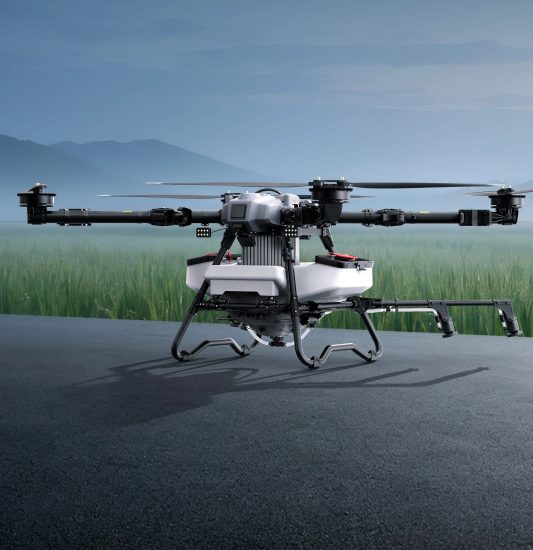
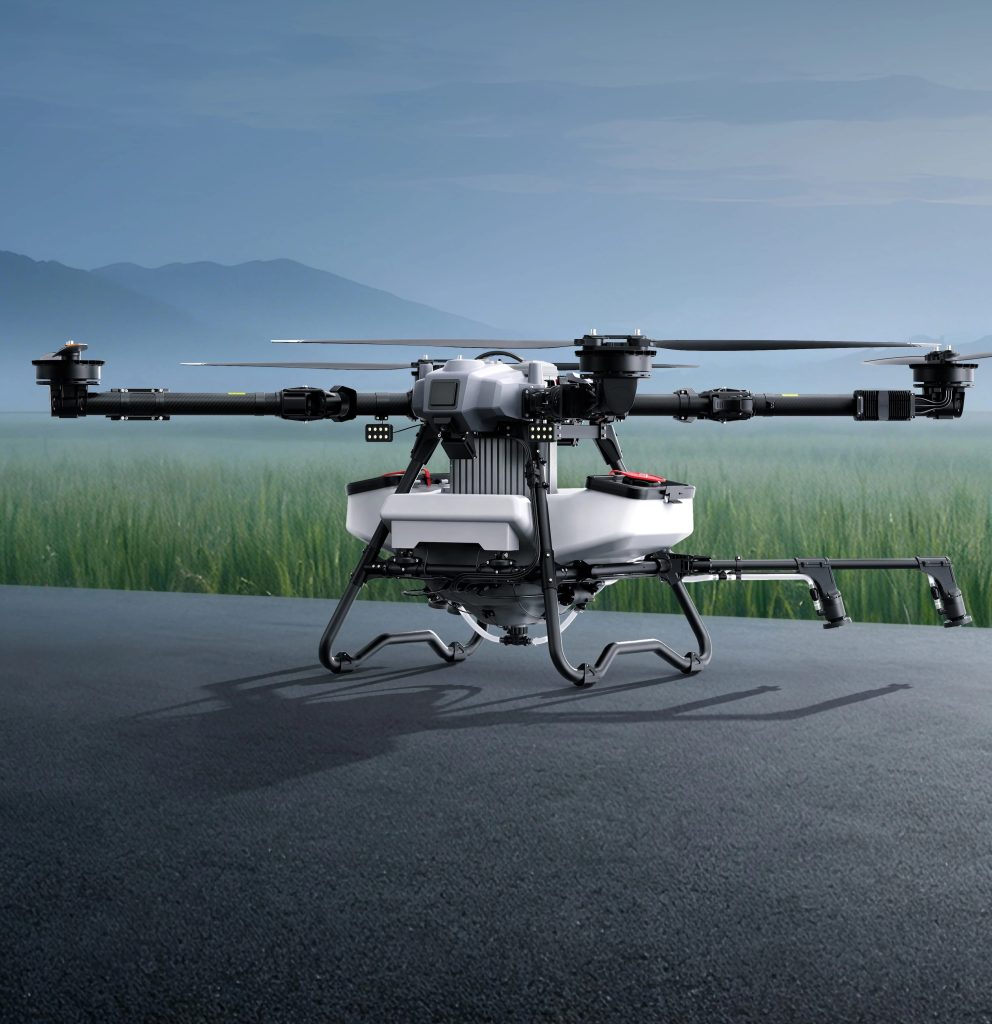
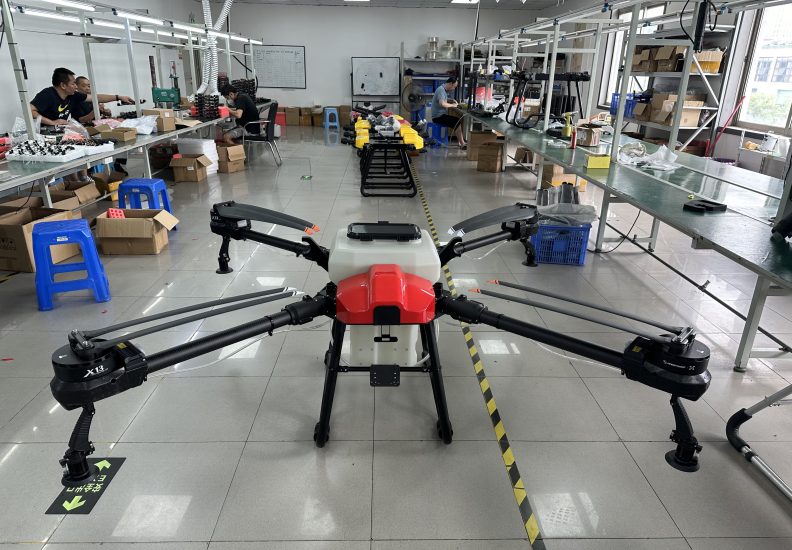
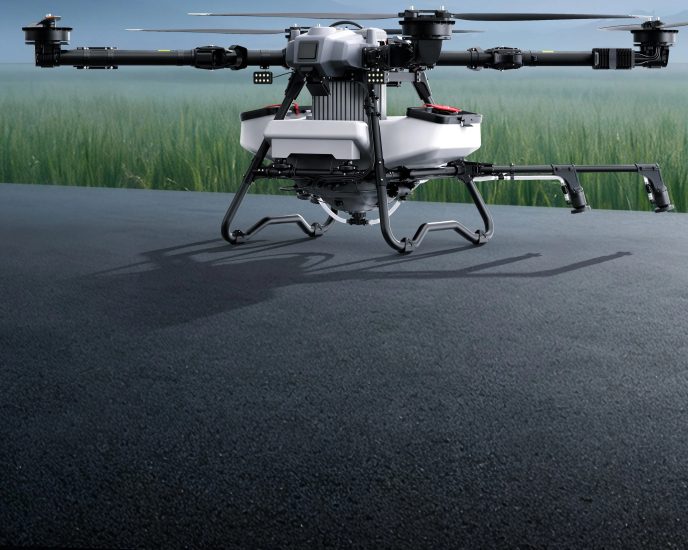
An agricultural spraying drone is an unmanned aerial vehicle equipped with a liquid tank, pumps, spray nozzles, flight-control system, and related agricultural equipment. Depending on the configuration, it can be used for applying crop-protection products, fertilizers, and other agricultural liquids.
The use of drones for crop monitoring, pesticide spraying, and precision agriculture has been documented extensively in agricultural research. FAO materials also recognize spraying and other targeted agricultural operations as important applications for agricultural drones.
What Is an Agricultural Spraying Drone?
An agricultural spraying drone is designed specifically for agricultural field operations rather than photography or general-purpose aerial applications.
A typical spraying system consists of:
-
Drone airframe
-
Flight-control system
-
Liquid tank
-
Pump system
-
Spray nozzles
-
Battery and power system
-
Remote controller
-
Positioning and navigation system
-
Obstacle-detection or terrain-following equipment, depending on configuration
-
Agricultural spraying software and flight-planning functions
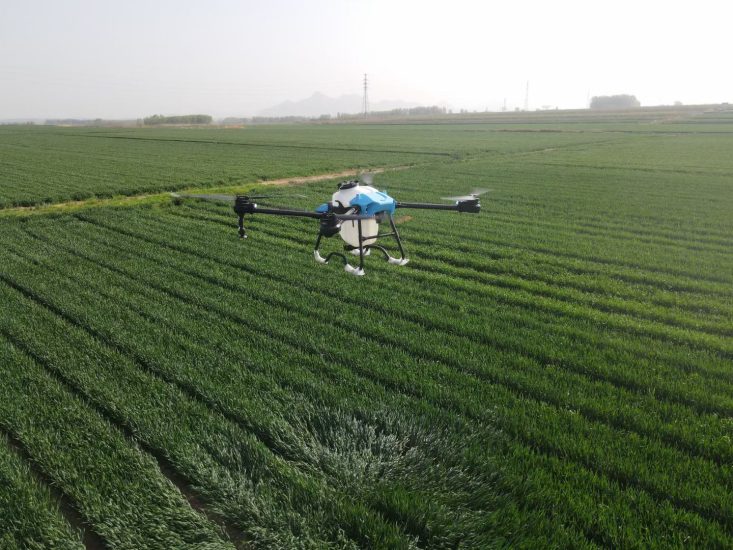
The drone carries the spraying liquid above or around the crop and distributes it through the spray system according to the selected operating parameters.
Unlike traditional backpack spraying, the operator does not need to carry the liquid tank through the field. Compared with some ground-based equipment, an aerial spraying drone can also operate without driving wheels or heavy machinery directly over the crop.
FAO’s 2026 review of agricultural drone applications notes that mechanical applications include targeted spraying or spreading of crop-protection products, as well as seeding and planting.
Why Are Farmers Using Agricultural Spraying Drones?
The main reason is operational efficiency.
Large agricultural fields can require substantial labor and equipment for crop protection. When crops become tall or field conditions are wet, operating ground equipment can also become difficult.
A spraying drone can fly above the crop and treat designated areas while minimizing physical contact with the field.
Potential advantages include:
1. Reduced Manual Labor
Traditional backpack spraying can require workers to carry equipment and repeatedly walk through agricultural fields.
A drone allows the operator to control the aircraft remotely, reducing the physical workload associated with carrying spraying equipment.
2. Less Crop Contact
Ground machinery can potentially damage crops when moving through fields.
An aerial platform does not need to drive between crop rows, which can be useful when crops are tall or sensitive to mechanical traffic.
3. Access to Difficult Terrain
Agricultural spraying drones can be useful in locations where conventional machinery is difficult to operate, such as:
-
Wet farmland
-
Sloped terrain
-
Narrow agricultural plots
-
Orchards
-
Areas with limited road access
-
Fields where crop height makes ground access difficult
4. More Flexible Application
The operator can plan flight paths according to the shape and size of the field.
Modern agricultural drones can combine positioning, flight planning, spraying control, and other technologies to support more precise field operations.
However, actual spraying performance depends on many factors, including nozzle selection, droplet characteristics, flight height, speed, weather, crop structure, formulation, and local operating conditions.
MSOEN Agricultural Spraying Drone Solutions
MSOEN provides agricultural spraying drone solutions for customers who require equipment for professional agricultural applications.
Rather than treating an agricultural drone as simply a flying machine, the spraying system should be considered as an integrated agricultural application platform.
Important components include the aircraft, liquid delivery system, spray pattern, control system, battery system, navigation functions, and operator workflow.
For international buyers, the right product should therefore be selected according to the intended crop, field conditions, application requirements, local regulations, and expected operating scale.
Agricultural Spraying Applications
Agricultural spraying drones can be used in different crop-protection operations.
Crop Spraying
Crop spraying is one of the most common applications.
Depending on the approved agricultural product and local regulations, drones may be used to apply crop-protection products to crops where aerial application is permitted.
Pesticide Application
Agricultural spraying drones can provide an alternative application method for certain pesticide operations.
The drone itself does not determine the correct pesticide dose. Operators must follow the pesticide label, local agricultural requirements, application instructions, and safety procedures.
FAO emphasizes that pesticides must be applied correctly and provides guidance covering aerial pesticide application and pesticide risk reduction.
Fertilizer Application
Some agricultural drones are configured for liquid fertilizer application.
The appropriate configuration depends on the fertilizer formulation, concentration, application rate, crop, and equipment compatibility.
Herbicide Application
Drone spraying can also be used for certain herbicide applications where the product and local regulations permit aerial application.
Because herbicides can affect non-target vegetation, operators need particularly careful control of application areas and weather conditions.
Which Crops Can Agricultural Spraying Drones Treat?
The suitable crop depends on the drone configuration and local agricultural practices.
Potential applications include:
-
Corn
-
Wheat
-
Rice
-
Soybeans
-
Cotton
-
Vegetables
-
Fruit trees
-
Orchards
-
Vineyards
-
Sugarcane
-
Tea
-
Other commercial crops
For orchard operations, the required spraying method can differ significantly from open-field spraying because tree canopy density, terrain, flight height, airflow, and penetration requirements affect spray deposition.
Therefore, buyers should select a drone based on their actual crop and application scenario instead of choosing a model solely according to tank capacity.
Important Agricultural Drone Specifications
When purchasing an agricultural spraying drone, international buyers should evaluate more than the advertised payload.
Spray Tank Capacity
Tank capacity determines how much liquid can be carried during each flight.
Common commercial configurations are available in different capacities, allowing buyers to select equipment according to field size and operating requirements.
A larger tank can reduce the number of refills, but it can also increase aircraft weight and affect flight performance.
Spray Width
Spray width influences field coverage and operational efficiency.
The actual effective spray width depends on nozzle configuration, flight altitude, speed, liquid characteristics, weather conditions, and crop structure.
Pump and Nozzle System
The pump must deliver a stable flow rate to the spray system.
Nozzle selection is equally important because droplet size and spray distribution affect application quality and drift risk.
Flight Time
Flight time is affected by:
-
Aircraft weight
-
Liquid load
-
Battery capacity
-
Weather
-
Flight speed
-
Flight path
-
Temperature
-
Operating altitude
Buyers should therefore evaluate flight time under realistic operating conditions rather than relying only on an unloaded laboratory figure.
Navigation and Positioning
Accurate navigation is important for repeatable field operations.
Depending on the configuration, agricultural drones may use satellite positioning and other navigation technologies to support route planning and field coverage.
Obstacle Detection
Obstacle-detection technology can help identify objects in the drone’s flight path.
However, obstacle sensors should never be treated as a replacement for trained operators and proper field inspection.
How to Choose an Agricultural Spraying Drone
Before purchasing, buyers should answer several practical questions.
What crops will be sprayed?
Different crops have different canopy structures and application requirements.
How large is the farm?
A small farm may prioritize portability and ease of operation, while a professional agricultural service provider may prioritize operating efficiency, battery logistics, and long-term durability.
What liquid will be applied?
The spraying system must be compatible with the intended agricultural formulation.
What is the local climate?
Wind, temperature, humidity, rainfall, and terrain can influence spraying performance.
What regulations apply?
Drone flight regulations and pesticide application rules differ between countries and regions.
Who will operate the drone?
Professional operators should receive appropriate training and understand both drone operation and agricultural chemical safety.
Safety Is a Critical Part of Drone Spraying
Agricultural spraying is not simply a matter of flying a drone over a field.
Operators need to consider:
-
Weather conditions
-
Wind direction and speed
-
Nearby people
-
Buildings
-
Roads
-
Water bodies
-
Power lines
-
Sensitive crops
-
Beneficial insects
-
Spray drift
-
Personal protective equipment
-
Chemical handling
-
Equipment cleaning
-
Waste disposal
FAO and WHO’s guidance on aerial pesticide application emphasizes safe and effective pesticide application practices.
Current agricultural authorities also continue to emphasize standardized inspection, operator protection, weather assessment, equipment maintenance, and environmental protection during agricultural drone spraying.
For this reason, MSOEN recommends that customers follow the laws, pesticide labels, aviation requirements, and agricultural application standards applicable in their country.
Agricultural Drone Regulations Vary by Country
One of the most important considerations for an international buyer is regulatory compliance.
A drone that can technically perform a spraying operation may not automatically be legally permitted to conduct that operation in every market.
Regulations can cover:
-
Drone registration
-
Pilot qualifications
-
Operating altitude
-
Flight zones
-
Remote identification
-
Insurance
-
Agricultural chemical application
-
Operator training
-
Pesticide registration
-
Environmental protection
-
Commercial operation
For example, China’s current unmanned-aircraft framework defines agricultural unmanned aircraft based on characteristics including operating height, speed, operating radius, and agricultural use.
International buyers should verify the requirements of their own aviation and agricultural authorities before purchasing and operating an agricultural spraying drone.
Why Work With a Chinese Agricultural Drone Manufacturer?
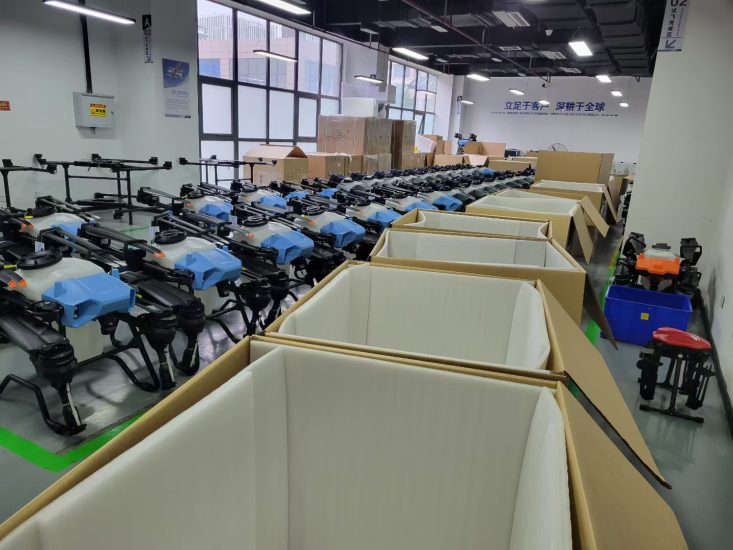
China has developed a large agricultural drone supply chain covering electronics, motors, batteries, flight-control systems, agricultural machinery, spraying components, and manufacturing.
For international buyers, purchasing directly from a Chinese manufacturer can provide opportunities to discuss:
-
Product configuration
-
OEM requirements
-
Branding
-
Packaging
-
Spare parts
-
Technical documentation
-
Training
-
Distributor cooperation
-
After-sales support
However, buyers should evaluate manufacturers based on product quality, testing procedures, technical support, spare-parts availability, documentation, export experience, and compliance support rather than price alone.
MSOEN for International Agricultural Drone Buyers
MSOEN is positioned around agricultural spraying drone applications and international B2B customers.
Potential customers include:
-
Agricultural equipment distributors
-
Drone dealers
-
Farm equipment companies
-
Agricultural service providers
-
Crop-protection companies
-
Large farms
-
Plantation operators
-
Agricultural technology companies
-
OEM customers
-
Regional importers
For distributors, product consistency and after-sales support are particularly important. A competitive agricultural drone business requires more than the initial equipment sale; customers also need access to replacement parts, technical information, operator training, and maintenance support.
What Should an International Buyer Ask Before Ordering?
Before placing an order, buyers should request detailed information about:
-
Aircraft dimensions and weight
-
Maximum takeoff weight
-
Tank capacity
-
Spray system configuration
-
Pump type
-
Nozzle type
-
Flow rate
-
Recommended operating parameters
-
Battery specifications
-
Charging system
-
Flight-control system
-
Navigation system
-
Obstacle-detection functions
-
Recommended maintenance schedule
-
Spare-parts availability
-
Warranty terms
-
Training options
-
Packaging specifications
-
Export documentation
-
Applicable certifications and compliance documents
These details allow buyers to compare agricultural spraying drones on technical capability rather than comparing only the headline price.
FAQ About MSOEN Agricultural Spraying Drones
What is an agricultural spraying drone?
An agricultural spraying drone is an unmanned aircraft equipped with a liquid tank and spraying system for agricultural applications such as crop protection and, where permitted, fertilizer or other agricultural liquid application.
Can agricultural drones spray pesticides?
They can be used for pesticide application where aerial drone spraying is legally permitted and where the specific pesticide is approved for the intended use. Operators must follow the product label and applicable local regulations.
Are agricultural spraying drones suitable for large farms?
They can be suitable for commercial agricultural operations, but the appropriate model depends on field size, crop type, terrain, battery logistics, refill infrastructure, operating regulations, and required application rate.
Can MSOEN agricultural drones be used in orchards?
Agricultural spraying drones can be configured for different agricultural scenarios, including orchards. However, orchard spraying requirements differ from open-field spraying, so the drone configuration and operating parameters should be selected according to the specific crop and canopy structure.
What tank capacity should I choose?
Tank capacity should be selected according to the crop, farm size, application rate, refill conditions, aircraft performance, and operating requirements. A larger tank is not automatically the best choice for every farm.
Can international companies buy agricultural spraying drones from China?
International buyers can source agricultural spraying drones from Chinese manufacturers, but the importer and operator must verify local aviation, pesticide, agricultural, customs, and certification requirements before commercial use.
Is operator training necessary?
Yes. Professional agricultural drone operation requires knowledge of flight safety, equipment operation, field assessment, spraying parameters, chemical handling, and local regulations.
Conclusion
Agricultural spraying drones are becoming an increasingly important component of precision agriculture. They can help agricultural operators perform targeted aerial applications while reducing manual workload and avoiding some of the limitations associated with conventional ground equipment. Research and agricultural organizations have recognized spraying, crop monitoring, and precision agriculture as important applications for drone technology.
However, successful drone spraying depends on the complete system—not simply the aircraft. The drone, spray equipment, flight planning, agricultural product, weather conditions, operator training, and local regulations all influence the final result.
MSOEN provides agricultural spraying drone solutions for international buyers seeking professional agricultural UAV equipment from China.
For product specifications, configurations, OEM requirements, distributor cooperation, and export inquiries, buyers can contact MSOEN to discuss the appropriate agricultural spraying drone solution for their market and application.
Article Link:
MSOEN Agricultural Spraying Drone Manufacturer in China
THE END


No comments yet