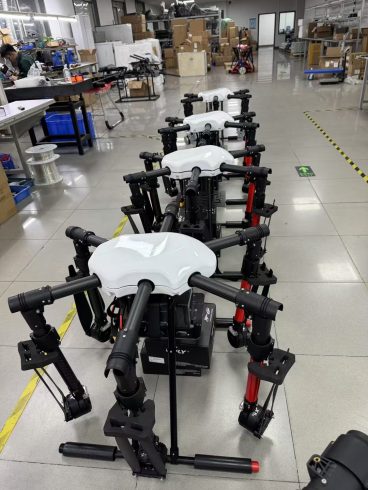


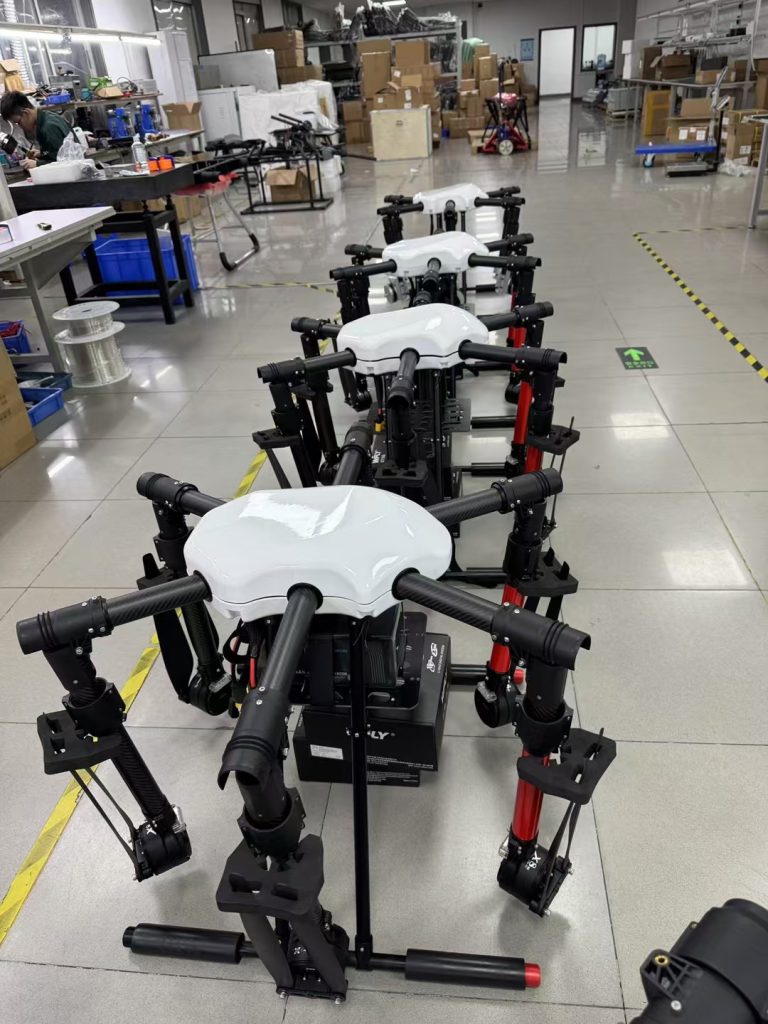
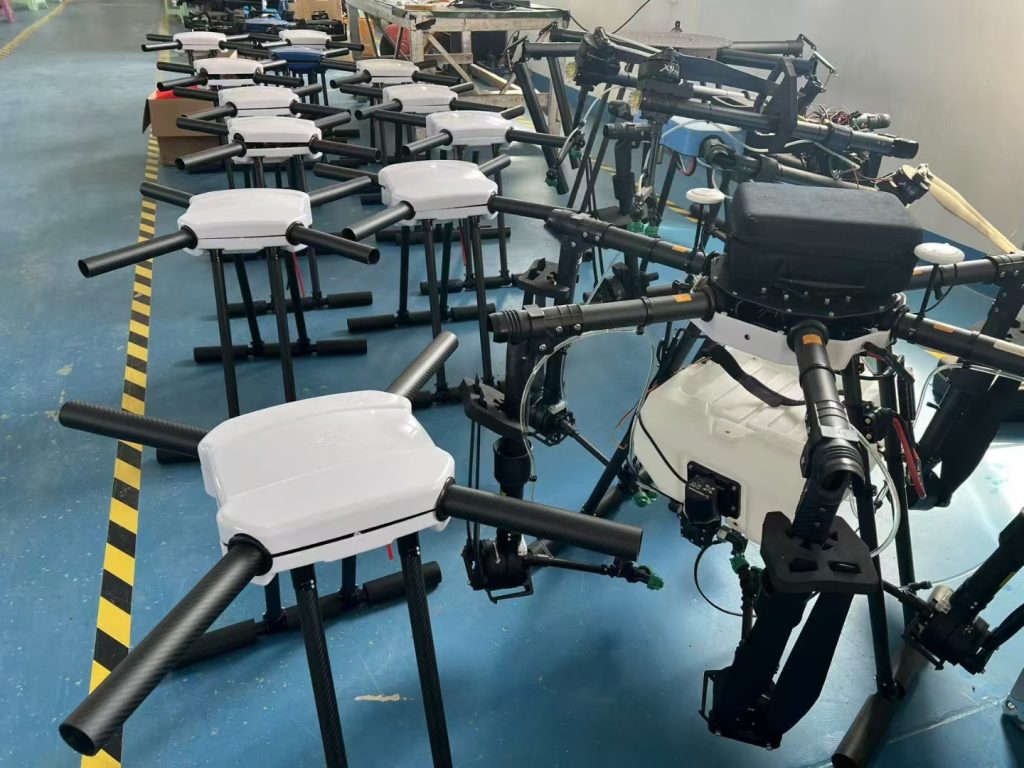
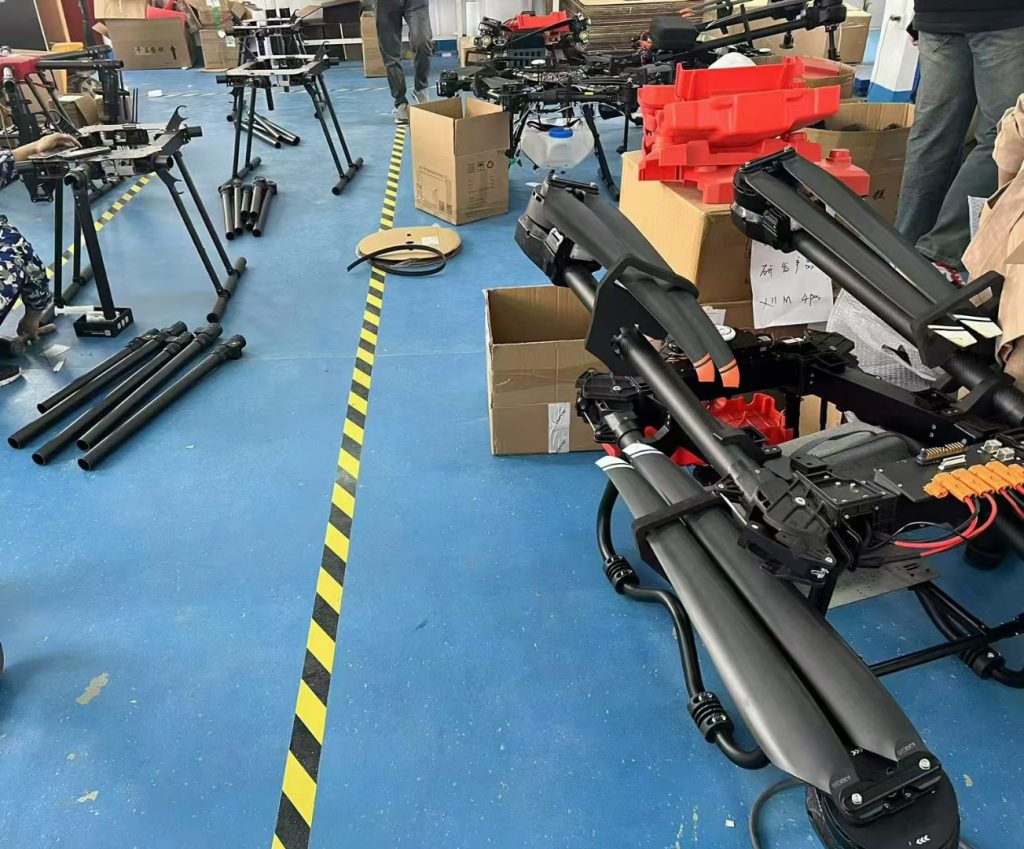
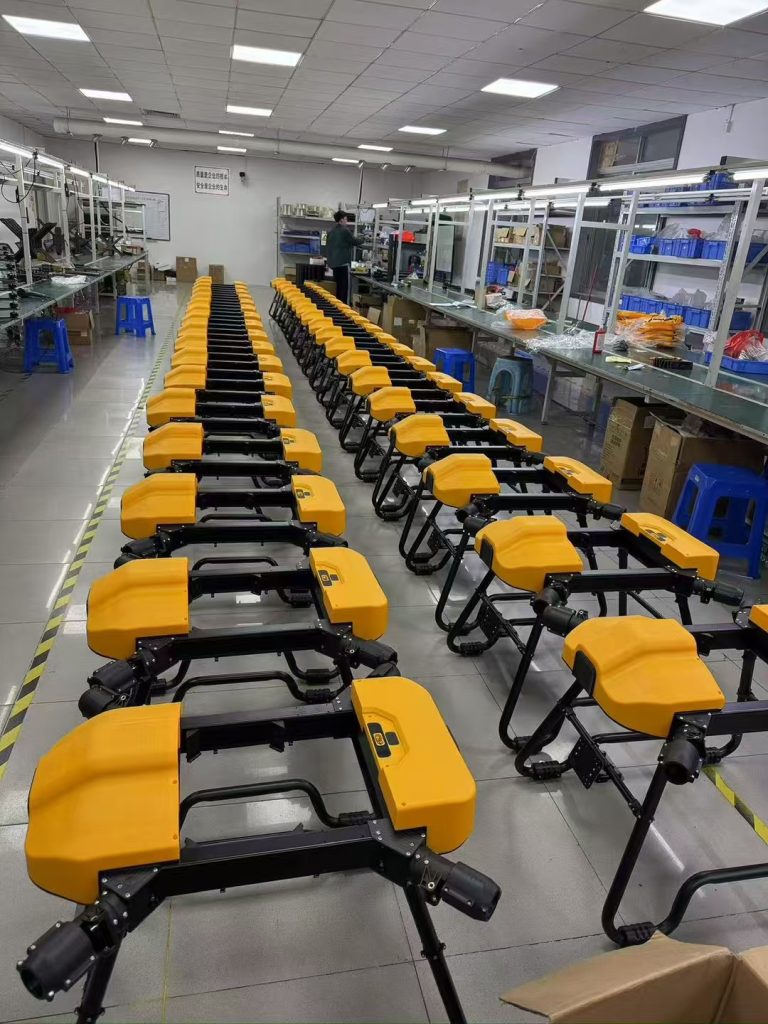
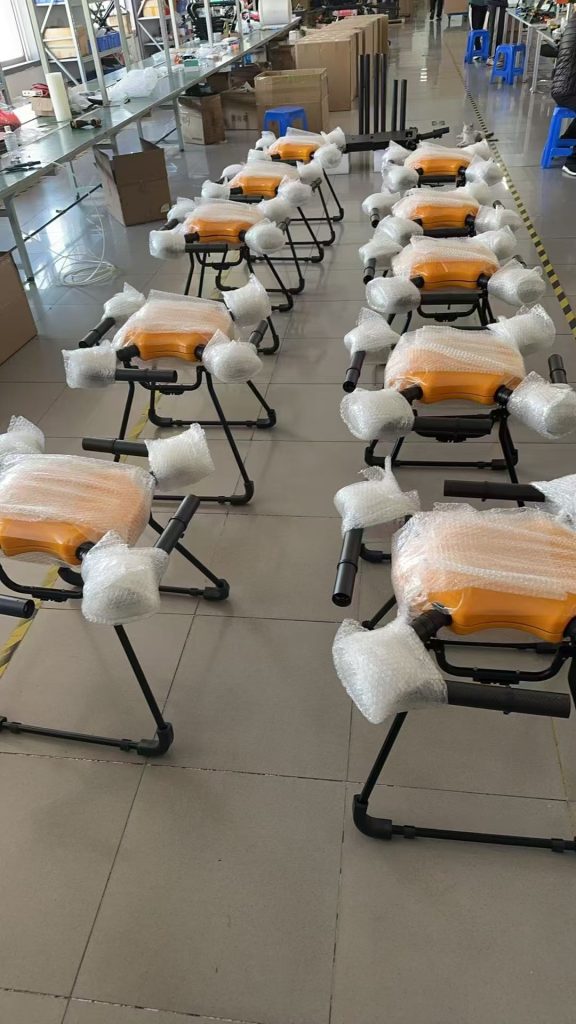
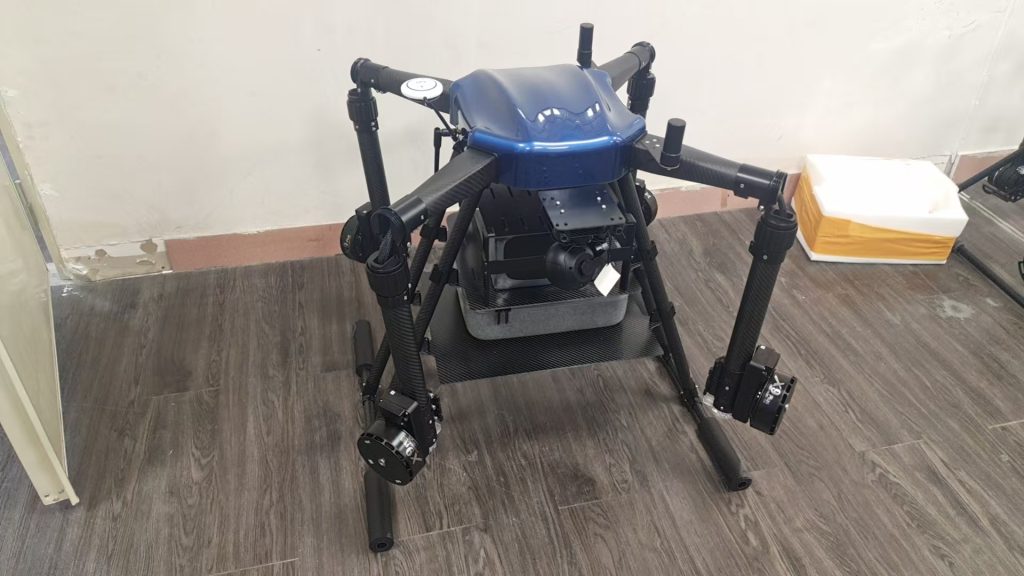
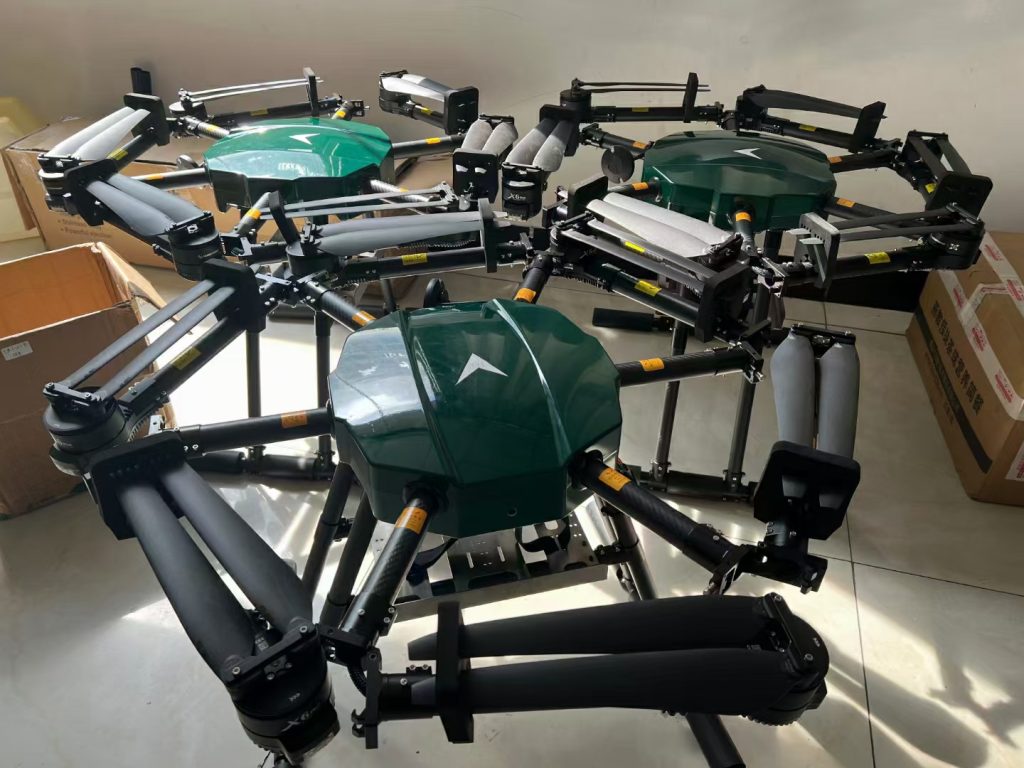
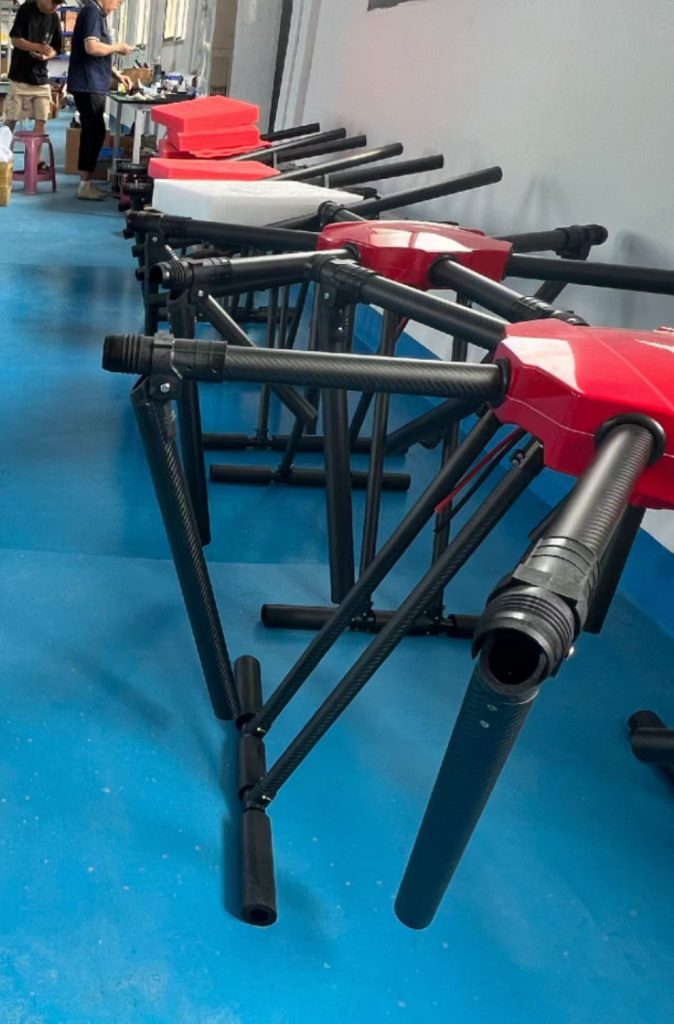
In the face of escalating global food demand, climate change-induced weather volatility, and labor shortages in agriculture, traditional farming methods are increasingly strained. The need for innovation has never been more urgent—and agricultural seeding drones have emerged as a transformative solution. Among these, MSOEN, a pioneering brand in precision agriculture technology, stands out with its cutting-edge seeding drones designed to optimize efficiency, reduce resource waste, and enhance crop yields. This article explores how MSOEN’s agricultural seeding drones are reshaping modern farming, their technical innovations, real-world applications, and the broader impact on sustainable agriculture.
The Evolution of Agricultural Seeding: From Manual Labor to Drone-Powered Precision
For centuries, seeding has relied on manual labor or mechanized equipment like tractors. While tractors improved speed over hand-sowing, they still suffer from limitations: soil compaction (which harms root growth), uneven seed distribution (leading to wasted seeds or patchy germination), and high fuel consumption. In regions with small plots, hilly terrain, or fragile ecosystems, traditional methods are often impractical or environmentally damaging.
The rise of drone technology in agriculture began in the early 2010s, initially for crop monitoring via multispectral imaging. However, as sensors, navigation systems, and payload capacities advanced, drones evolved into multi-functional tools—including seeding. Today, seeding drones address the core challenges of traditional methods by enabling precise, targeted, and scalable operations. MSOEN entered this space with a mission to bridge the gap between technological potential and practical farm needs, developing drones that are not just tools but intelligent partners for farmers.
MSOEN’s Technological Edge: Engineering for Efficiency and Adaptability
MSOEN’s agricultural seeding drones are built on three pillars: precision, adaptability, and user-centric design. Unlike generic drones repurposed for seeding, MSOEN models are purpose-engineered to handle the unique demands of distributing seeds across diverse terrains and crops.
1. Precision Seeding Mechanism
At the heart of MSOEN’s drones is an advanced seeding system that ensures uniform seed placement. Traditional broadcast seeding scatters seeds randomly, leading to overcrowding (competition for nutrients) or gaps (lost yield). MSOEN’s drones use a combination of GPS-guided flight paths and variable-rate seeding technology. Each drone is equipped with a hopper containing seeds, which are dispensed through adjustable nozzles calibrated to release seeds at optimal intervals (e.g., 5–15 cm apart, depending on crop type). For example, when planting corn, the drone can maintain a consistent spacing of 20 cm between rows and 10 cm within rows, mimicking the precision of manual transplanting but at scale.
To further enhance accuracy, MSOEN integrates real-time feedback sensors. These sensors monitor seed flow rate and adjust dispensing speed dynamically, compensating for wind gusts or changes in altitude. This prevents over- or under-seeding, reducing seed waste by up to 30% compared to conventional methods.
2. Terrain Adaptability and Flight Stability
Farms rarely offer flat, obstacle-free surfaces. MSOEN’s drones are designed to navigate challenging terrain, including hillsides, wetlands, and fragmented fields. Key features include:
-
Obstacle Avoidance Sensors: LiDAR and ultrasonic sensors detect trees, rocks, or irrigation channels, allowing the drone to autonomously reroute without human intervention.
-
Variable Altitude Control: The drone adjusts its flying height (typically 1–3 meters above ground) based on terrain, ensuring seeds land at the ideal depth for germination (e.g., shallow for lettuce, deeper for beans).
-
All-Weather Performance: Waterproof casings and robust motors enable operation in light rain or dusty conditions, extending the seeding window beyond what is possible with ground machinery.
3. Intelligent Planning and Data Integration
MSOEN’s drones do not operate in isolation; they are part of a smart farming ecosystem. Farmers input field boundaries, soil type data, and crop-specific requirements into MSOEN’s companion app. Using satellite imagery and historical yield data, the app generates optimized flight plans—avoiding areas with poor drainage, focusing on high-potential zones, or adjusting seeding rates for nutrient-rich patches. Post-seeding, the drone captures aerial images to verify coverage, identifying missed spots for follow-up. This closed-loop system turns raw data into actionable insights, empowering farmers to make informed decisions.
Applications Across Crops and Scales: From Smallholders to Large Estates
One of MSOEN’s key strengths is its versatility. Its seeding drones cater to farms of all sizes and crop types, addressing diverse agricultural needs.
Smallholder Farms: Affordability and Accessibility
Small-scale farmers, who manage 80% of global farmland but often lack access to expensive machinery, benefit greatly from MSOEN’s compact models. These drones are lightweight (under 25 kg), easy to assemble, and operated via a smartphone app—no specialized training required. For instance, a farmer growing vegetables on a 2-hectare plot can cover the entire area in 2–3 hours, compared to a full day with manual sowing. The low operational cost (minimal fuel, reduced labor) makes MSOEN drones accessible even to resource-limited farmers, boosting their productivity and income.
Large-Scale Agriculture: Efficiency at Scale
On large estates (100+ hectares), MSOEN’s heavy-duty drones shine. Equipped with larger hoppers (holding up to 50 kg of seeds) and extended battery life (up to 90 minutes per charge), these drones can seed 10–15 hectares per hour. For crops like wheat or soybeans, where uniformity is critical for mechanical harvesting, MSOEN’s precision ensures straight rows and consistent plant density—reducing post-harvest losses and simplifying combine operations. A case study in Brazil’s soybean belt showed that using MSOEN drones cut seeding time by 60% and increased yield by 8% due to better germination rates.
Specialty Crops: Tailored Solutions
MSOEN also serves niche markets, such as organic farms or those growing high-value crops like medicinal herbs. For organic farming, where chemical inputs are restricted, precise seeding minimizes competition between plants, reducing the need for weeding. For delicate seeds (e.g., carrots or lettuce), the drone’s gentle dispensing mechanism prevents damage, improving germination success. In reforestation projects, MSOEN drones have been used to plant tree saplings in remote areas, accessing steep slopes where manual planting is impossible.
Environmental and Economic Benefits: Beyond Yield Improvement
The impact of MSOEN’s seeding drones extends far beyond faster planting. They contribute to sustainability and economic resilience in multiple ways.
Reducing Resource Waste
Traditional seeding often leads to overuse of seeds, fertilizers, and water. MSOEN’s precision reduces seed waste by 25–40%, lowering costs for farmers. Additionally, by avoiding soil compaction (a common issue with tractors), the drones preserve soil structure, enhancing water infiltration and reducing erosion. This is particularly vital in arid regions, where every drop of water counts.
Lower Carbon Footprint
Drones run on electricity (charged via solar panels or grid power), eliminating fossil fuel emissions associated with tractors. A single MSOEN drone can replace the work of 5–10 laborers or a small tractor, cutting CO₂ emissions by up to 70% per hectare. As governments worldwide push for carbon-neutral agriculture, MSOEN’s technology aligns with global sustainability goals.
Empowering Rural Communities
By reducing reliance on manual labor, MSOEN drones help mitigate the effects of rural-to-urban migration. Smallholder farmers, especially women and elderly individuals who may struggle with heavy equipment, gain independence and control over their operations. In Kenya, a pilot program providing MSOEN drones to women-led cooperatives increased their crop yields by 35% and enabled them to sell surplus produce at higher prices.
Challenges and Future Innovations
While MSOEN’s seeding drones have proven transformative, challenges remain. Battery life limits continuous operation, requiring frequent recharging—though advancements in lithium-sulfur batteries promise longer endurance. Regulatory hurdles, such as airspace restrictions in some countries, also slow adoption. Additionally, initial investment costs (ranging from $5,000 to $20,000 per drone) may be prohibitive for very small farms, though leasing programs and government subsidies are helping to bridge this gap.
Looking ahead, MSOEN is investing in AI-driven enhancements. Future models will integrate machine learning algorithms to predict optimal seeding times based on weather forecasts and soil moisture levels. Swarm technology—coordinating multiple drones to seed large areas simultaneously—could further boost efficiency. There are also plans to expand into complementary tasks, such as fertilizer application and pest monitoring, creating an all-in-one farming drone platform.
Conclusion
Agricultural seeding drones represent a paradigm shift in how we grow food. MSOEN, with its focus on precision, adaptability, and sustainability, has positioned itself as a leader in this revolution. By enabling farmers to plant smarter—using less resources, adapting to changing climates, and increasing yields—MSOEN’s drones are not just tools but catalysts for a more resilient and equitable agricultural future. As technology continues to evolve, the partnership between farmers and intelligent machines like MSOEN’s seeding drones will play a pivotal role in feeding a growing world while protecting our planet.
THE END







No comments yet