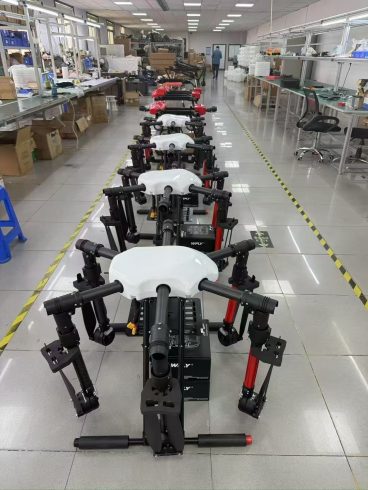


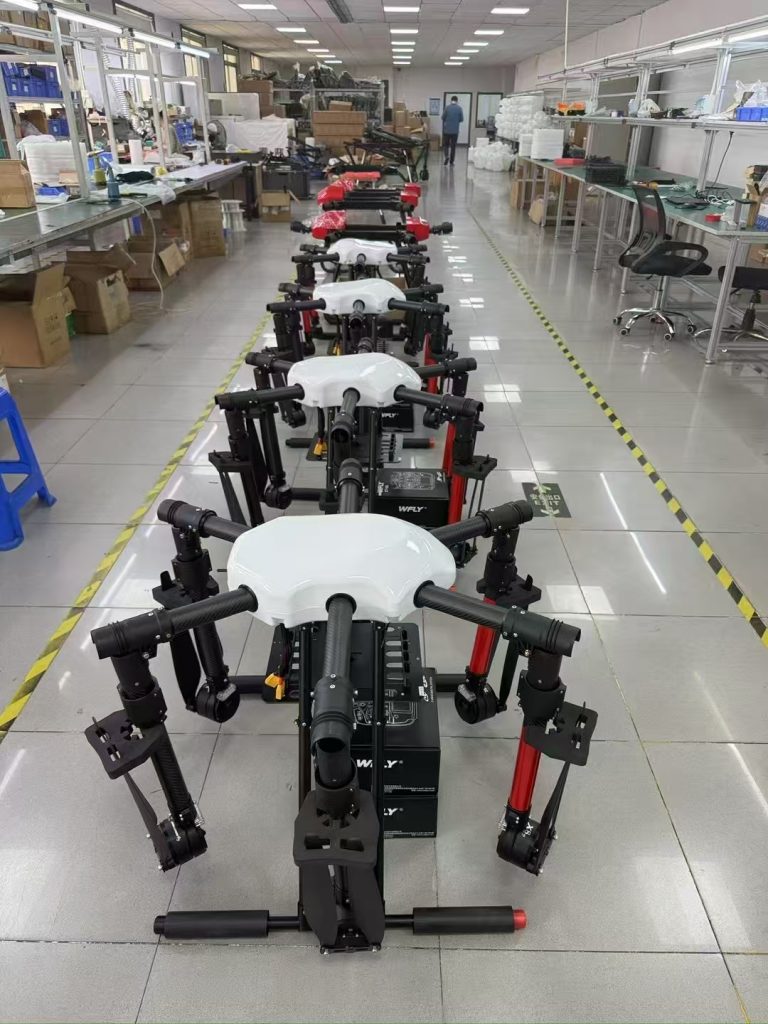
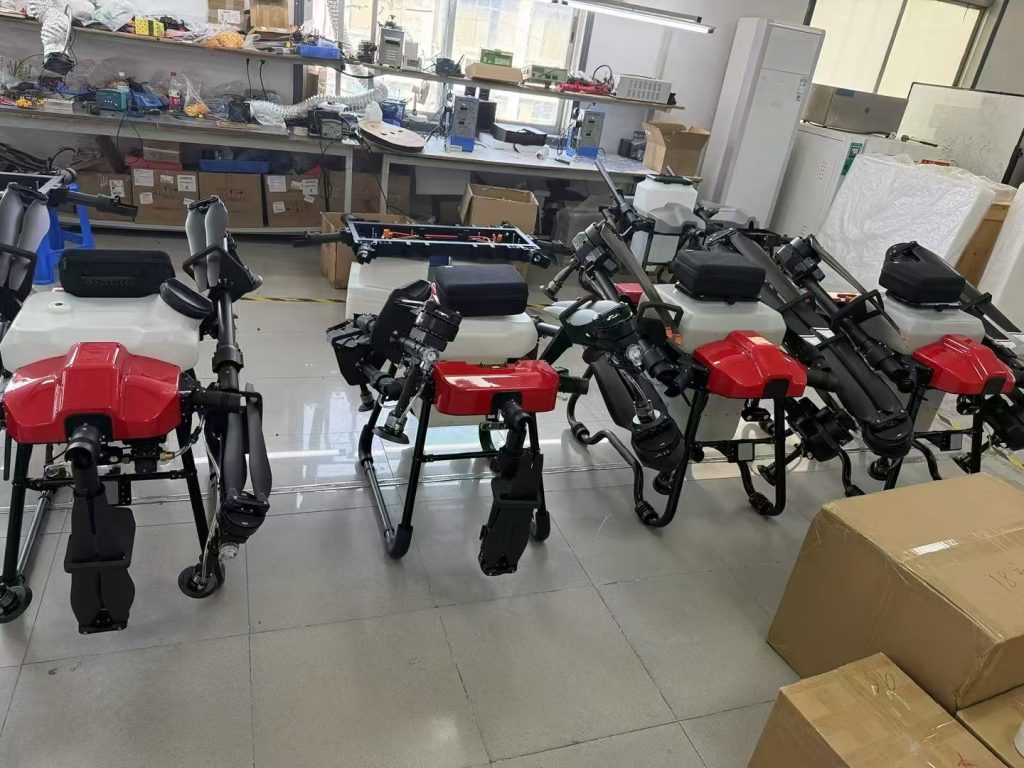
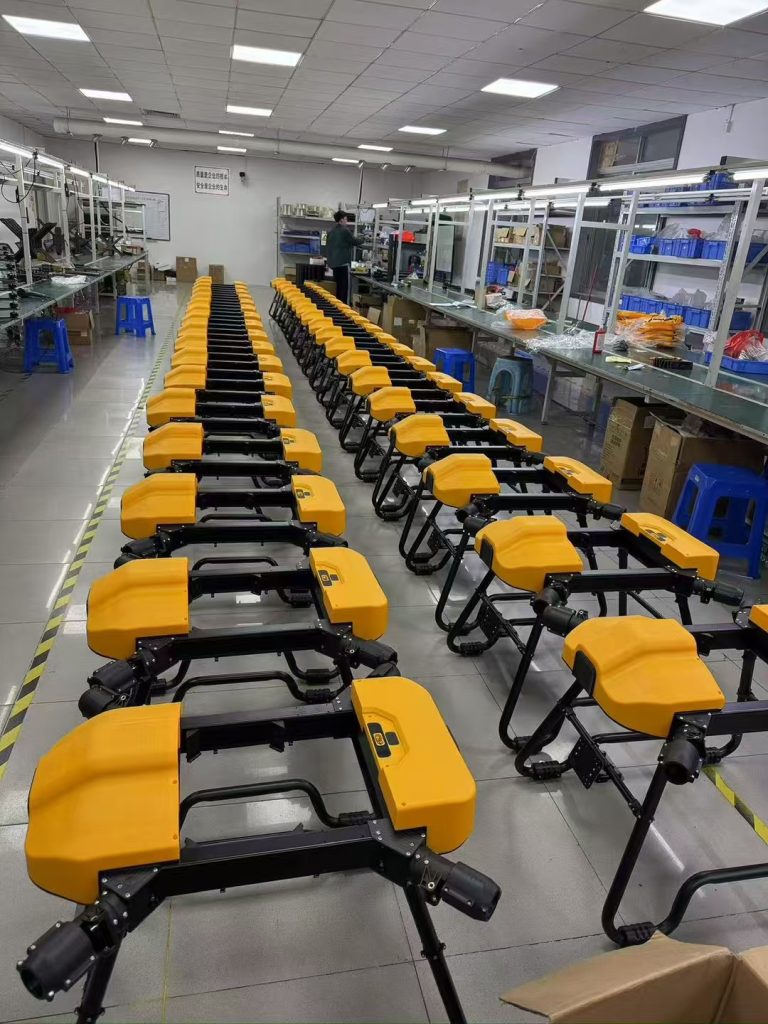
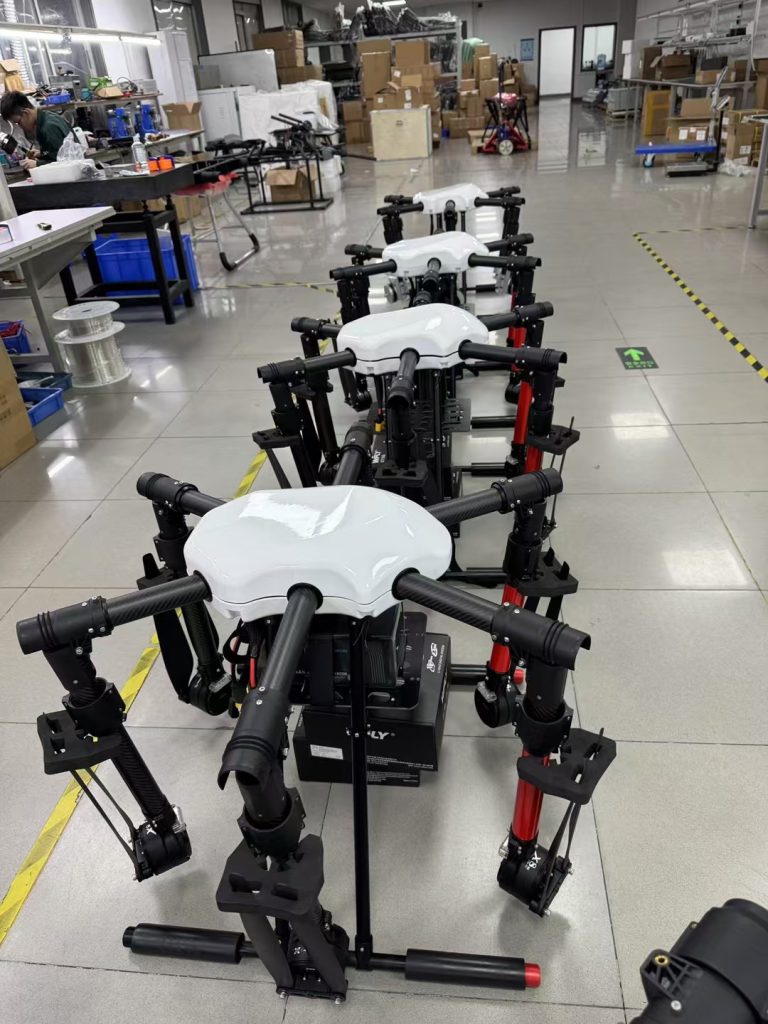
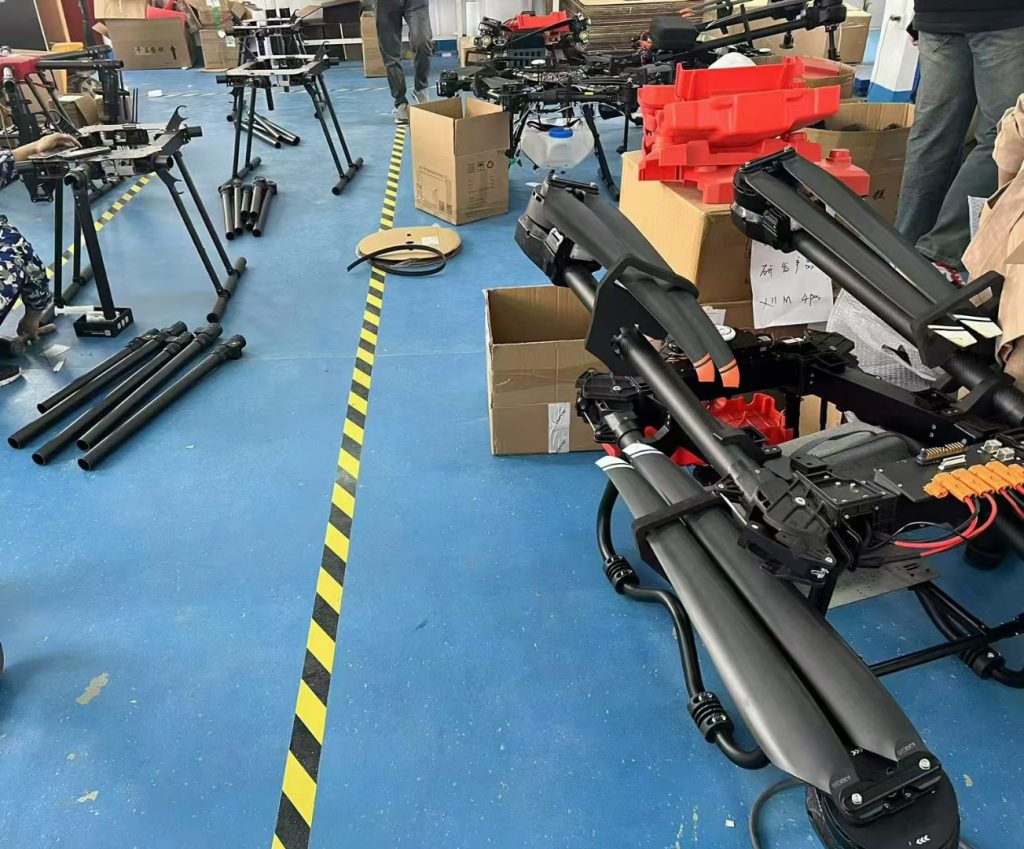
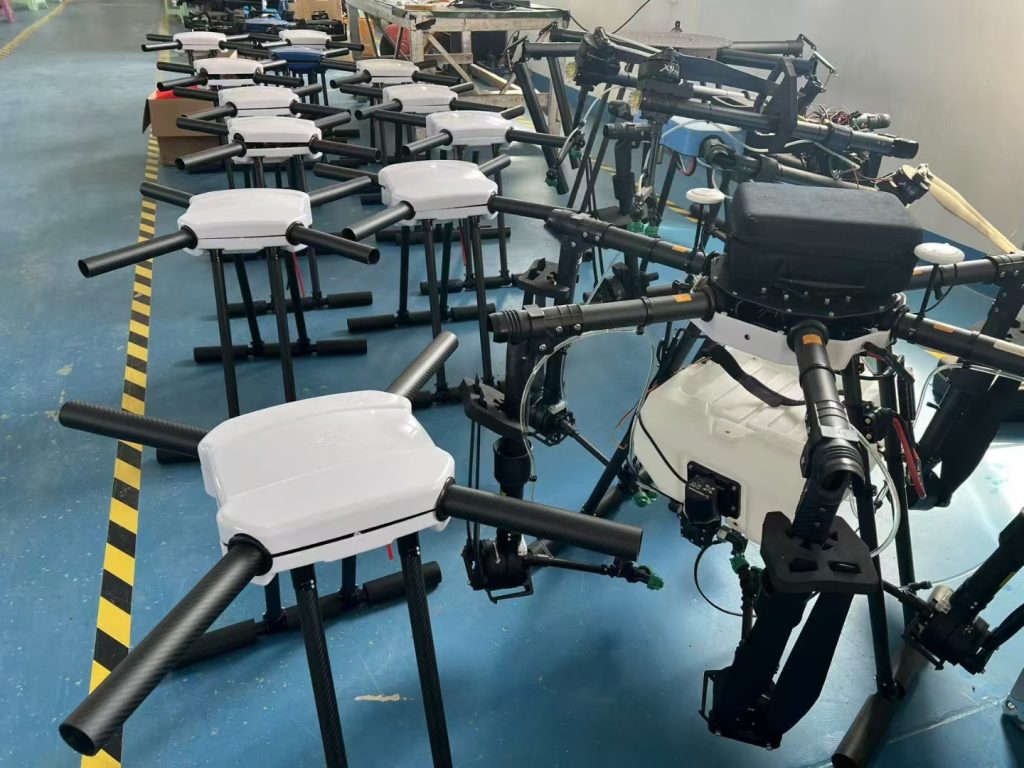
In modern agriculture, nutrient management is a balancing act: too little fertilizer leads to stunted growth and low yields, while excess application pollutes waterways, degrades soil health, and wastes resources. With global fertilizer use projected to rise by 20% by 2050 to meet food demand, the need for smarter, more efficient application methods has become critical. Enter MSOEN, a trailblazer in agricultural drone technology, whose fertilization drones are transforming how farmers deliver nutrients to crops. By combining precision engineering, real-time data integration, and eco-conscious design, MSOEN’s drones are not only optimizing yields but also reducing environmental harm—ushering in a new era of sustainable farming.
The Challenge of Traditional Fertilization: Inefficiency and Environmental Cost
Conventional fertilization relies heavily on ground-based machinery (e.g., spreaders, sprayers) or manual application. While effective for large, flat fields, these methods suffer from significant drawbacks:
-
Uneven Distribution: Ground equipment often leaves “hotspots” of excess fertilizer and “cold spots” of deficiency, as it struggles to adapt to terrain variations (e.g., hills, depressions). This inconsistency reduces nutrient uptake by plants, forcing farmers to apply more fertilizer than necessary.
-
Soil Compaction: Heavy machinery compresses soil, impairing root growth and water infiltration—key factors in plant health.
-
Environmental Pollution: Runoff from over-applied fertilizers carries nitrogen and phosphorus into rivers, lakes, and oceans, causing algal blooms, dead zones, and biodiversity loss. According to the UN Food and Agriculture Organization (FAO), agricultural runoff contributes to 70% of global water pollution.
-
Labor and Fuel Costs: Operating tractors or hiring workers for manual application is time-consuming and expensive, especially for small or fragmented farms.
These challenges have driven the search for alternatives, and fertilization drones have emerged as a game-changer. Unlike ground tools, drones can fly low, adjust to terrain, and target specific areas with pinpoint accuracy—addressing the core flaws of traditional methods.
MSOEN’s Fertilization Drones: Engineering for Precision and Intelligence
MSOEN’s approach to fertilization drones is rooted in three principles: precision (delivering the right amount of nutrients to the right place), adaptability (working across diverse crops and terrains), and sustainability (minimizing environmental impact). Unlike generic drones retrofitted for spreading, MSOEN’s models are purpose-built for the unique demands of fertilizer application, integrating advanced hardware and software.
1. Dual-Mode Spreading System: Versatility for All Fertilizer Types
A key innovation of MSOEN’s drones is their dual-mode spreading system, which handles both granular and liquid fertilizers.
-
Granular Fertilizer Spreader: For solid nutrients (e.g., urea, ammonium nitrate), the drone uses a centrifugal disc with adjustable vanes. The disc spins at 1,200–1,800 RPM, flinging granules outward in a controlled pattern. Farmers can set the spread width (1–6 meters) and rate (5–50 kg/ha) via the MSOEN app, ensuring even coverage. A patented “air-assist” feature uses a small fan to direct particles downward, preventing drift in windy conditions.
-
Liquid Fertilizer Nozzle: For liquid formulations (e.g., NPK solutions, micronutrients), the drone employs a micro-nozzle array with pressure regulators. This allows fine-tuning of droplet size (50–200 microns) to match crop needs—smaller droplets for foliar feeding (quick absorption) or larger ones for soil drenching (slow release). The system also includes a filter to prevent nozzle clogging, a common issue with viscous liquids.
This dual capability eliminates the need for separate machines, saving farmers time and money.
2. Real-Time Sensing and Variable-Rate Application
MSOEN’s drones go beyond simple spreading—they intelligently adjust fertilizer rates based on real-time field data. Equipped with multispectral cameras and soil sensors, the drones capture information on:
-
Crop Health: Multispectral imaging detects chlorophyll levels (indicating nitrogen deficiency), leaf stress, and pest damage. Areas with yellowing leaves receive extra nitrogen; healthy zones get less.
-
Soil Moisture and Nutrient Levels: Ground-penetrating radar (GPR) and electrochemical sensors measure soil pH, organic matter, and existing nutrient concentrations. For example, if a section of the field already has high potassium, the drone skips or reduces application there.
Using this data, the MSOEN app generates a variable-rate prescription map, guiding the drone to apply fertilizer at 1–5 kg/ha increments. This “see-and-spray” technology cuts fertilizer use by 20–35% compared to uniform application, while boosting nutrient uptake by 15–25%.
3. Terrain Adaptation and Flight Stability
Fertilization requires consistent height and speed to ensure even distribution—challenging in uneven fields. MSOEN’s drones address this with:
-
LiDAR Terrain Following: A LiDAR sensor scans the ground 10 times per second, maintaining a steady altitude (1–4 meters) above crops or soil. On slopes, the drone tilts its body to keep the spreader parallel to the ground, preventing over-application on downhill edges.
-
Wind Compensation Algorithms: Ultrasonic anemometers measure wind speed and direction, adjusting the drone’s flight path and spreader speed to counteract drift. For example, in a 5 m/s crosswind, the drone might increase its forward speed slightly to keep granules on target.
-
All-Terrain Mobility: Lightweight yet durable frames (carbon fiber and aluminum alloy) allow operation in muddy, rocky, or wet conditions. The drones can take off and land vertically, avoiding damage to crops during takeoff/landing.
4. Smart Planning and Data Integration
MSOEN’s ecosystem starts before the drone even takes flight. Farmers upload field maps (via GPS or satellite imagery) to the MSOEN Cloud Platform, along with crop type, growth stage, and soil test results. The platform uses AI to generate optimized flight paths, avoiding obstacles (trees, buildings) and prioritizing high-need areas (e.g., young seedlings, stressed plants).
Post-application, the drone returns to capture post-fertilization images, comparing them to pre-flight data to verify coverage. Any missed spots are flagged for follow-up, ensuring 95%+ field coverage. Over time, the platform builds a historical database, helping farmers track nutrient trends and refine future applications.
Applications Across Crops and Farm Sizes: From Row Crops to Orchards
MSOEN’s fertilization drones are designed for versatility, serving farms of all scales and crop types.
Large-Scale Row Crops: Wheat, Corn, and Soybeans
For vast fields (100+ hectares), MSOEN’s heavy-duty models (e.g., the MSOEN F-500) excel. With a 50-liter liquid tank or 30-kg granular hopper, these drones can cover 12–15 hectares per hour. Variable-rate application is critical here: for example, in a cornfield, the drone applies more nitrogen during the vegetative stage (to promote leaf growth) and shifts to phosphorus during flowering (to support kernel development). A trial in Ukraine’s wheat belt showed that MSOEN drones reduced fertilizer use by 28% while increasing yields by 11% due to better nutrient timing.
High-Value Horticulture: Fruits, Vegetables, and Vineyards
Horticultural crops (e.g., tomatoes, grapes, berries) require precise nutrient delivery to avoid burning delicate roots or foliage. MSOEN’s compact drones (e.g., the MSOEN F-200) are ideal for these settings. Their low-altitude flights (1–2 meters) and fine-tuned spreaders ensure liquid fertilizers land directly on the soil around each plant, minimizing waste. In a Spanish vineyard, MSOEN drones applied potassium sulfate to grapevines, resulting in 18% higher sugar content in the fruit—translating to premium prices at harvest.
Smallholder Farms: Affordability and Simplicity
Small farms (1–10 hectares) often lack access to expensive machinery. MSOEN’s entry-level model, the F-100, addresses this with a 10-liter liquid tank, smartphone app control, and a price point 40% lower than competitors. A farmer in India growing okra used the F-100 to apply a nitrogen-phosphorus blend, cutting labor costs by 50% and increasing yield by 22% in one season. The drone’s portability (fits in a car trunk) and quick setup (5-minute assembly) make it accessible even to first-time users.
Specialty Applications: Reforestation and Organic Farming
Beyond row crops, MSOEN drones serve niche needs. In reforestation, they plant tree saplings with attached slow-release fertilizer pellets, improving survival rates in dry or degraded soils. For organic farms, the drones apply compost tea or biofertilizers, avoiding synthetic chemicals while maintaining precision.
Environmental and Economic Benefits: A Win-Win for Farmers and the Planet
The impact of MSOEN’s fertilization drones extends far beyond convenience—they drive measurable progress in sustainability and profitability.
Reducing Environmental Harm
-
Lower Nutrient Runoff: By applying fertilizer only where needed, MSOEN drones cut nitrogen and phosphorus runoff by 30–50%, protecting local water sources. A study in the Netherlands found that drone-applied fertilizer reduced nitrate leaching into groundwater by 42% compared to tractor spreaders.
-
Minimized Soil Disturbance: Unlike tractors, drones leave soil structure intact, preserving earthworms and beneficial microbes. This enhances long-term soil fertility.
-
Carbon Footprint Reduction: Drones run on electric batteries, emitting zero direct CO₂. A single MSOEN drone replaces 3–5 hours of tractor use, cutting fuel consumption and associated emissions by 60–80% per hectare.
Boosting Farmer Profits
-
Cost Savings: Reduced fertilizer use (20–35%) and labor (50–70%) translate to annual savings of $50–$200 per hectare, depending on crop type. For a 50-hectare farm, this adds up to $2,500–$10,000 in extra profit.
-
Higher Yields: Precise nutrient delivery improves plant health and reduces stress, leading to yield increases of 10–25%. In rice paddies, MSOEN drones increased grain weight by 15% by targeting nitrogen during tillering.
-
Access to Premium Markets: Organic and sustainably certified farms using MSOEN drones can command higher prices for their products, as consumers prioritize eco-friendly practices.
Challenges and Future Innovations
While MSOEN’s drones have transformed fertilization, challenges remain:
-
Battery Life: Current models offer 45–60 minutes of flight time, limiting continuous operation. MSOEN is testing hydrogen fuel cells and solar-powered charging stations to extend endurance to 2+ hours.
-
Regulatory Hurdles: Airspace regulations in some countries restrict drone flights over populated areas or beyond visual line of sight (BVLOS). MSOEN is working with governments to develop frameworks for safe, large-scale drone use.
-
Initial Investment: Drones cost $8,000–$25,000, which may be prohibitive for very small farms. MSOEN offers leasing programs and partnerships with agricultural cooperatives to improve accessibility.
Looking ahead, MSOEN is investing in AI-driven innovations:
-
Predictive Analytics: Machine learning models will forecast nutrient needs based on weather, soil, and crop data, enabling proactive application.
-
Swarm Technology: Coordinating 5–10 drones to fertilize a field simultaneously could cut application time by 80%.
-
Integrated Pest Management: Future drones may combine fertilization with pest detection and targeted pesticide application, creating a “one-stop” farming tool.
Conclusion
Agricultural fertilization is at a crossroads: the old way of over-applying nutrients is unsustainable, but the new way—led by MSOEN’s drones—offers precision, efficiency, and environmental stewardship. By turning fertilizer application from a blunt instrument into a surgical process, MSOEN is helping farmers grow more with less, protect their land, and build resilient operations. As the world faces the dual challenges of feeding a growing population and combating climate change, MSOEN’s fertilization drones are not just a technological marvel—they are a critical tool for a sustainable food future.
THE END







No comments yet