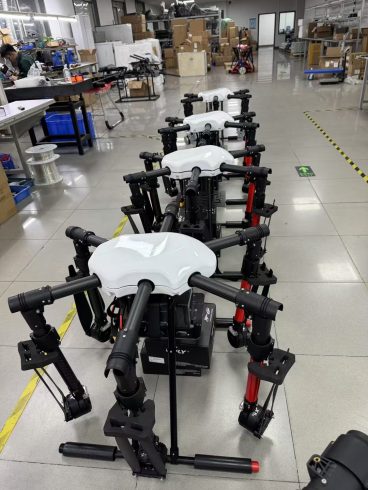


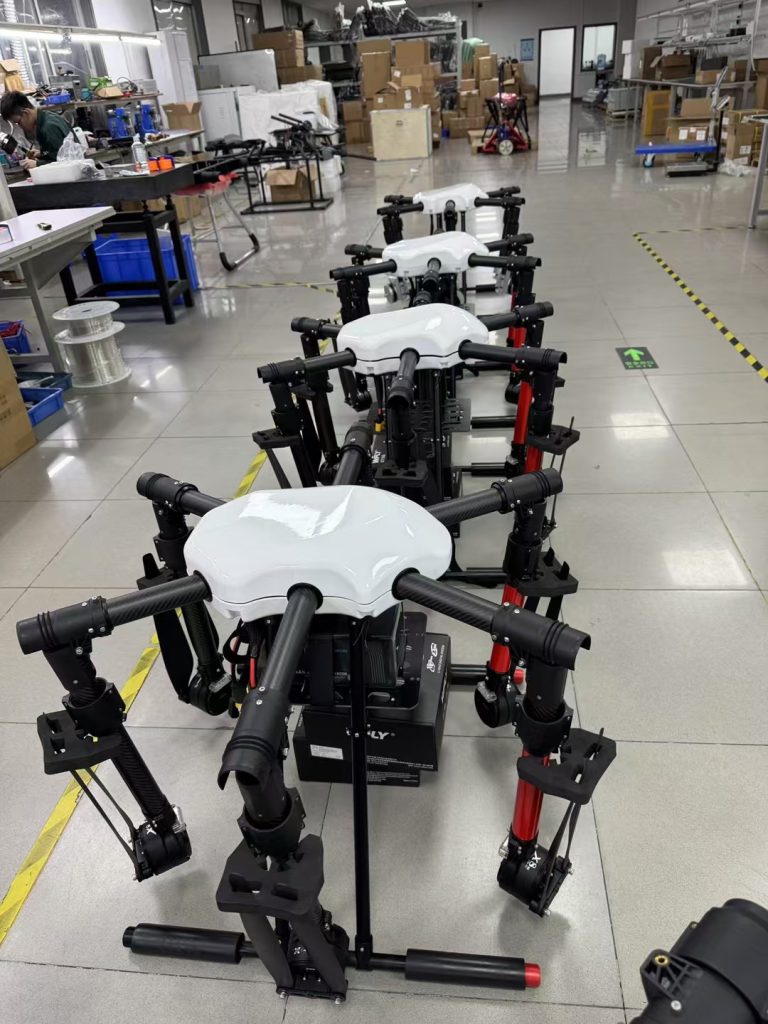
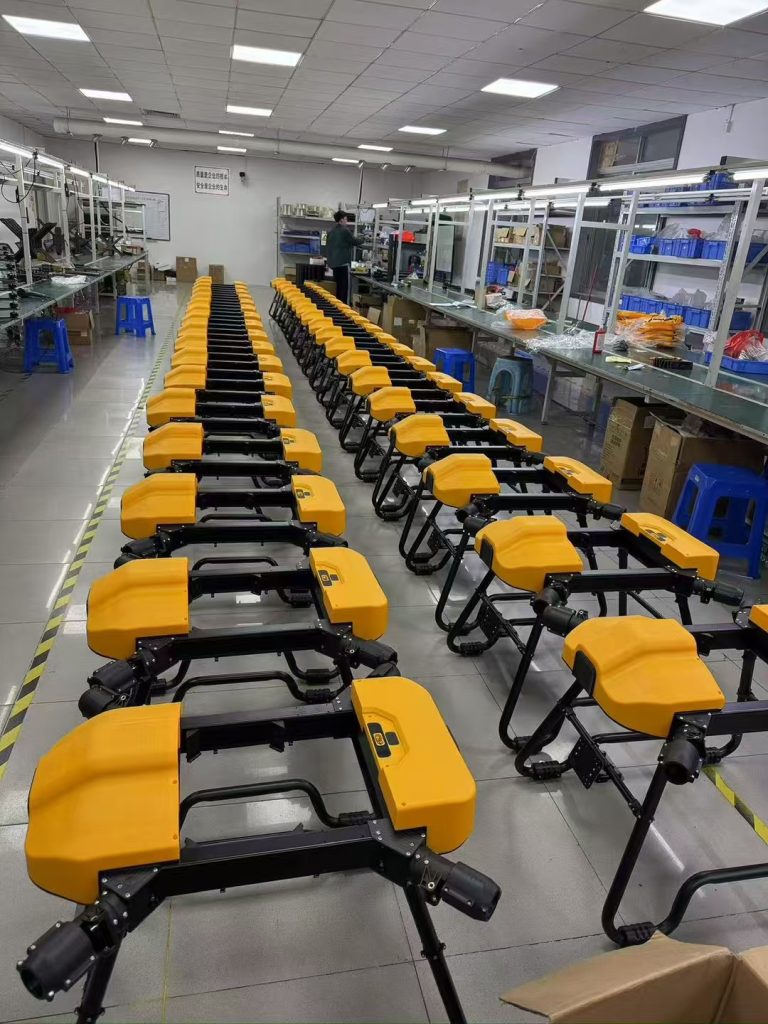
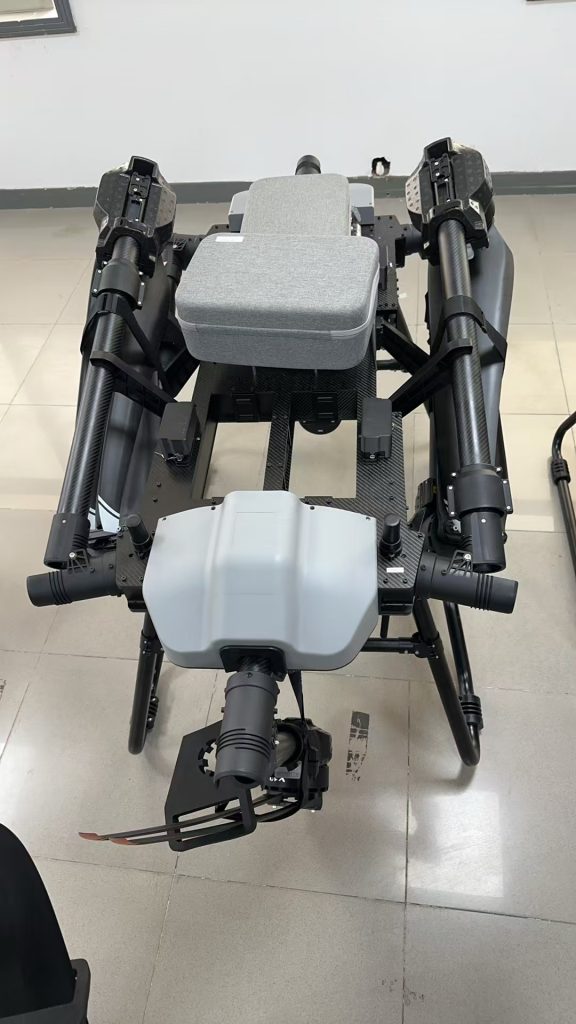
In the intricate dance of modern agriculture, nutrient management is the rhythm that determines whether a crop thrives or merely survives. For decades, farmers have relied on ground-based spreaders and sprayers to deliver fertilizers—tools that, while functional, often err on the side of excess. This “better safe than sorry” approach has led to a paradox: while global fertilizer use has tripled since 1970, only 30–50% of applied nutrients are actually absorbed by plants. The rest leaches into waterways, volatilizes into the atmosphere, or accumulates in soil, degrading ecosystems and wasting billions of dollars annually.
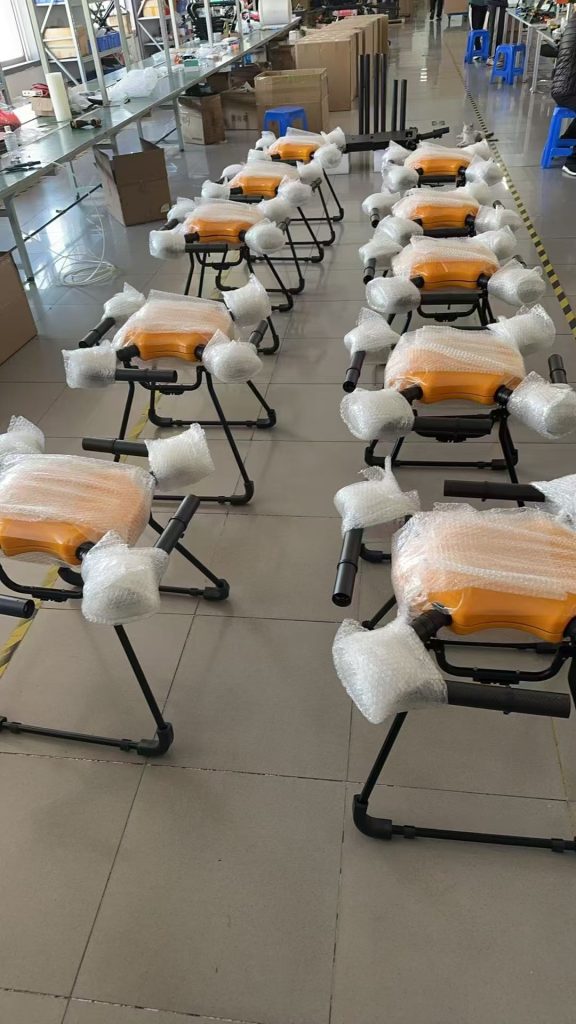
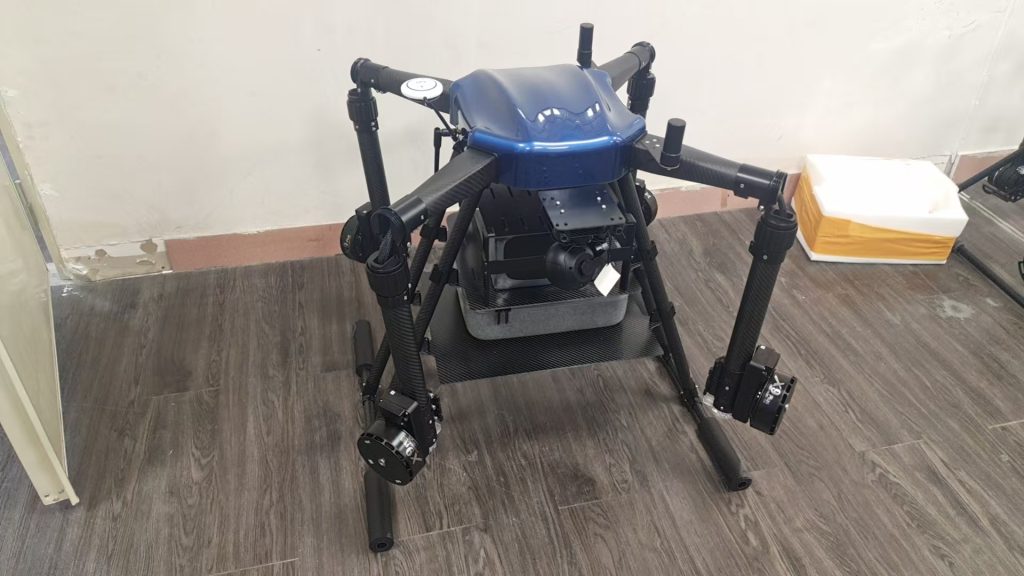
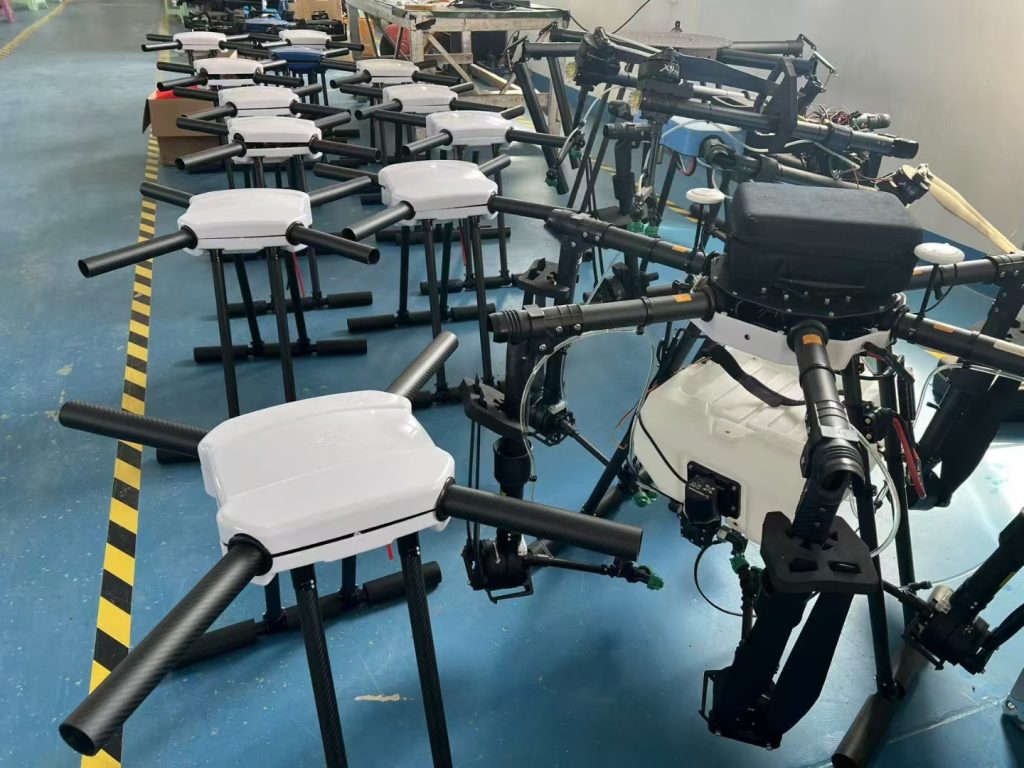
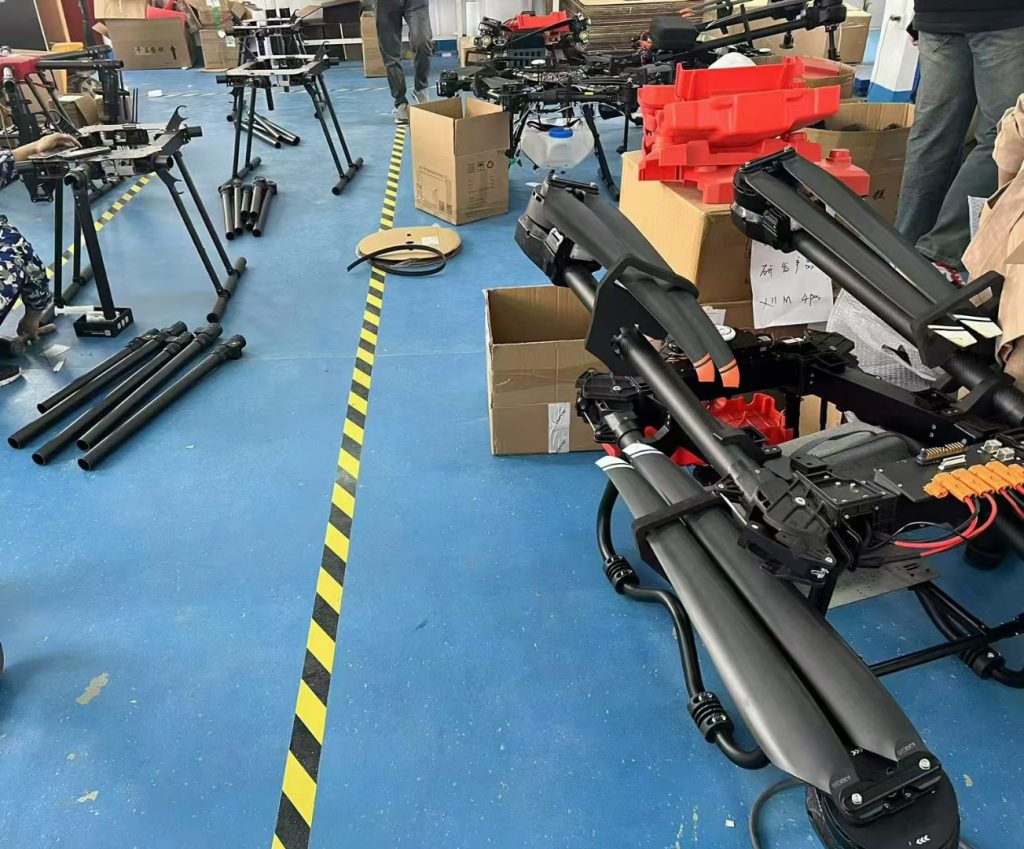
Enter MSOEN, a brand redefining fertilization through intelligent drone technology. By merging precision engineering, real-time data analytics, and eco-conscious design, MSOEN’s agricultural fertilization drones are transforming nutrient delivery from a blunt, wasteful practice into a surgical, sustainable process. This article explores how MSOEN’s drones are solving the age-old challenges of fertilization, their cutting-edge innovations, and their role in building a more resilient food system.
The Flaws of Traditional Fertilization: A System Out of Sync
To understand MSOEN’s impact, it helps to first dissect the inefficiencies of conventional fertilization methods.
1. Uniform Application, Uneven Results
Ground spreaders and sprayers apply fertilizer uniformly across entire fields, ignoring natural variations in soil fertility, crop health, and topography. A section of a field with rich loam may receive the same nutrient load as a patch of sandy soil that drains quickly—leading to over-fertilization in the former (wasting resources) and under-fertilization in the latter (limiting yield). Studies show this “one-size-fits-all” approach results in 20–40% of applied fertilizer being unnecessary.
2. Environmental Fallout
Excess nitrogen and phosphorus from over-applied fertilizers are the primary drivers of eutrophication, a process where water bodies become choked with algae, depleting oxygen and killing aquatic life. The U.S. Environmental Protection Agency estimates that agricultural runoff contributes to 70% of nutrient pollution in rivers and streams. Additionally, soil compaction from heavy machinery disrupts root systems and reduces water retention, exacerbating drought vulnerability.
3. Labor and Cost Intensity
Operating ground equipment requires skilled labor, fuel, and maintenance—expenses that strain smallholder farmers in particular. In regions with labor shortages (a growing global trend), manual fertilization becomes impractical, leaving fields undernourished. For large estates, the time required to cover thousands of hectares with tractors delays application, missing critical growth stages.
These challenges created a clear need for a new paradigm: one that delivers nutrients with the precision of a scalpel, not the force of a sledgehammer. MSOEN answered this call with drones engineered specifically for the complexities of fertilization.
MSOEN’s Technological Mastery: Engineering for Precision and Intelligence
MSOEN’s fertilization drones are not repurposed hobbyist aircraft; they are purpose-built systems designed to tackle the unique physics and logistics of nutrient delivery. At their core lie four innovations that set them apart:
1. Dual-Mode Adaptive Spreading System: One Drone, All Fertilizers
Fertilizers come in two main forms—granular (solid) and liquid—each requiring distinct application techniques. MSOEN’s drones solve this with a patented dual-mode system that seamlessly switches between the two.
-
Granular Mode: For solid fertilizers like urea or diammonium phosphate, the drone uses a centrifugal spreading disc fitted with adjustable vanes. The disc spins at 1,500–2,000 RPM, flinging granules outward in a controlled arc. A key innovation here is the “air-assist channel,” a small fan that directs airflow downward to counteract wind drift, ensuring granules land within a 1–5 cm margin of error. Farmers can adjust spread width (1–6 meters) and rate (5–50 kg/ha) via the MSOEN app, tailoring delivery to crop needs.
-
Liquid Mode: For liquid fertilizers (e.g., NPK solutions, micronutrient chelates), the drone deploys a micro-nozzle array with pressure regulators. This allows fine-tuning of droplet size (50–300 microns): smaller droplets for foliar feeding (rapid absorption by leaves) or larger ones for soil drenching (slow release). A self-cleaning filter prevents clogging from viscous liquids, a common issue in field conditions.
This dual capability eliminates the need for separate machines, saving farmers up to $3,000 in equipment costs per farm.
2. Real-Time Sensing: “See-and-Spray” Intelligence
What truly distinguishes MSOEN’s drones is their ability to think while flying. Equipped with a suite of sensors, they collect real-time data to adjust fertilizer application on the fly.
-
Multispectral Imaging: A high-resolution camera captures light in wavelengths invisible to the human eye, revealing crop stress (e.g., nitrogen deficiency appears as yellowing in near-infrared bands). The drone identifies “hotspots” of need and boosts fertilizer rates there, while skipping healthy zones.
-
Soil Sensors: Miniature probes on the drone’s underside measure soil moisture, pH, and existing nutrient levels (nitrogen, phosphorus, potassium) as it flies. If a section of soil already has high potassium, the drone reduces or skips application, preventing toxicity.
-
Weather Monitoring: An onboard anemometer and hygrometer track wind speed, direction, and humidity. If winds exceed 5 m/s, the drone automatically slows its flight speed or narrows the spread width to avoid drift.
This data feeds into MSOEN’s AI algorithm, which generates a “prescription map” in real time, varying fertilizer rates by 1–5 kg/ha increments. The result: 25–40% less fertilizer use, with 15–30% higher nutrient uptake by plants.
3. Terrain-Following Agility: Conquering Complex Landscapes
Farms are rarely flat. Hills, valleys, and obstacles like trees or irrigation channels make uniform application nearly impossible for ground machines. MSOEN’s drones overcome this with:
-
LiDAR Terrain Mapping: A LiDAR sensor scans the ground 20 times per second, creating a 3D map of the terrain. The drone adjusts its altitude (1–4 meters above ground) to maintain a consistent distance from crops, ensuring even coverage on slopes. On a 30-degree incline, for example, it tilts its body to keep the spreader parallel to the slope, preventing over-application on downhill edges.
-
Obstacle Avoidance: Ultrasonic and vision sensors detect obstacles up to 10 meters away, allowing the drone to autonomously reroute or hover until the path is clear. This is critical in orchards or fragmented fields.
-
Lightweight Durability: Carbon fiber frames and corrosion-resistant coatings enable operation in rain, dust, or high heat (up to 45°C), extending the fertilization window beyond what ground equipment can handle.
4. End-to-End Smart Farming Ecosystem
MSOEN’s drones do not work in isolation. They are part of a cloud-based platform that integrates planning, execution, and analysis:
-
Pre-Flight Planning: Farmers upload field maps (via GPS or satellite imagery) and input crop type, growth stage, and soil test results. The platform uses historical yield data to identify high-potential zones and generate optimized flight paths, avoiding low-yield areas.
-
In-Flight Adjustments: The drone communicates with the platform in real time, receiving updates on weather changes or new field data. If a sudden rainstorm is detected, it can pause application and return to the launch point.
-
Post-Flight Analysis: After fertilizing, the drone captures post-application images to verify coverage. The platform compares these to pre-flight data, flagging any missed spots (e.g., under trees) for follow-up. Over time, it builds a database of nutrient trends, helping farmers refine future applications.
Applications: From Small Plots to Global Fields
MSOEN’s versatility makes it suitable for farms of all sizes and types, addressing diverse agricultural needs.
Smallholder Farms: Accessible Innovation
Small-scale farmers (managing 1–10 hectares) often lack access to expensive machinery. MSOEN’s entry-level model, the F-150, is designed for them: lightweight (18 kg), portable (fits in a car trunk), and operated via a smartphone app with intuitive controls. A farmer in Kenya growing kale used the F-150 to apply a liquid nitrogen-phosphorus blend, cutting labor costs by 60% (from 8 hours to 3 hours per hectare) and increasing yield by 28% due to precise nutrient timing. The drone’s low price point ($7,500, 30% below competitors) and leasing options make it accessible even to resource-limited households.
Large-Scale Row Crops: Efficiency at Scale
On large estates (100+ hectares), MSOEN’s heavy-duty F-600 model shines. With a 60-liter liquid tank or 40-kg granular hopper, it covers 15–20 hectares per hour—twice as fast as a tractor. Variable-rate application is critical here: in a Brazilian soybean field, the F-600 applied more nitrogen during the vegetative stage (to boost leaf growth) and shifted to phosphorus during pod filling (to enhance seed development). The result: 32% less fertilizer use and 14% higher yields, saving the farm $12,000 in input costs per season.
High-Value Horticulture: Nurturing Delicate Crops
Orchards, vineyards, and vegetable greenhouses require gentle, precise fertilization to avoid damaging fragile roots or foliage. MSOEN’s F-250 compact drone excels here, with a low-altitude flight mode (1–2 meters) and fine-tuned spreaders. In a Spanish olive grove, the F-250 applied a potassium-rich liquid fertilizer directly to the soil around each tree, increasing oil yield by 19% and qualifying the olives for premium organic certification. For greenhouse tomatoes, the drone’s foliar spraying mode delivered micronutrients (iron, zinc) directly to leaves, correcting deficiencies in 48 hours—far faster than soil application.
Specialty Uses: Beyond Crops
MSOEN’s drones also serve niche applications:
-
Reforestation: In arid regions, they plant tree saplings with attached slow-release fertilizer pellets, improving survival rates by 50% compared to manual planting.
-
Organic Farming: They apply compost tea or biofertilizers (e.g., nitrogen-fixing bacteria), avoiding synthetic chemicals while maintaining precision.
-
Sports Turf Management: Golf courses and stadiums use MSOEN drones to fertilize grass evenly, avoiding brown patches and reducing water use.
Environmental and Economic Wins: A Double Dividend
The impact of MSOEN’s drones extends beyond the farm gate, delivering benefits for both the planet and farmers’ bottom lines.
Environmental Stewardship
-
Reduced Nutrient Runoff: By targeting fertilizer only where needed, MSOEN drones cut nitrogen and phosphorus runoff by 35–55%, protecting rivers and groundwater. A pilot in the Netherlands found that drone-applied fertilizer reduced nitrate leaching into drinking water sources by 48%.
-
Soil Health Preservation: Unlike tractors, drones do not compact soil, preserving its structure and the microbial communities that support plant growth. This enhances long-term fertility, reducing the need for synthetic inputs over time.
-
Lower Carbon Footprint: Drones run on electric batteries, emitting zero direct CO₂. A single F-600 drone replaces 4–6 hours of tractor use, cutting fuel consumption and associated emissions by 70% per hectare.
Farmer Profitability
-
Cost Savings: Reduced fertilizer use (25–40%) and labor (50–70%) translate to annual savings of $60–$250 per hectare. For a 50-hectare farm, this adds up to $3,000–$12,500 in extra profit.
-
Yield Increases: Precise nutrient delivery improves plant health, leading to yield gains of 10–25%. In Indian rice paddies, MSOEN drones increased grain weight by 17% by timing nitrogen application to the tillering stage.
-
Market Access: Farms using MSOEN drones can earn certifications (organic, sustainable) that command higher prices. A cooperative in Mexico saw a 20% price premium for their avocados after adopting the technology.
Challenges and the Road Ahead
While MSOEN’s drones have revolutionized fertilization, challenges remain:
-
Battery Life: Current models offer 50–70 minutes of flight time, limiting continuous operation. MSOEN is testing hydrogen fuel cells and solar-powered charging stations to extend endurance to 3+ hours.
-
Regulatory Hurdles: Airspace rules in some countries restrict beyond-visual-line-of-sight (BVLOS) flights, slowing large-scale adoption. MSOEN is partnering with governments to develop safety protocols for autonomous drone swarms.
-
Initial Investment: Drones cost $7,500–$30,000, which may be prohibitive for very small farms. MSOEN’s leasing programs and microfinance partnerships aim to bridge this gap.
Looking ahead, MSOEN is investing in next-gen innovations:
-
AI Predictive Analytics: Machine learning models will forecast nutrient needs based on weather, soil, and crop data, enabling proactive application before deficiencies appear.
-
Swarm Technology: Coordinating 10+ drones to fertilize a field simultaneously could cut application time by 85%.
-
Integrated Crop Care: Future models will combine fertilization with pest detection and targeted pesticide application, creating a “one-drone” farming solution.
Conclusion
Agricultural fertilization is at a turning point. The old model of excess and inefficiency is no longer viable in a world of climate change, resource scarcity, and rising food demand. MSOEN’s fertilization drones represent a bold step forward—turning nutrient delivery from a guessing game into a science. By delivering the right amount of fertilizer, to the right place, at the right time, MSOEN is helping farmers grow more with less, protect their land, and build businesses that thrive for generations. As the technology evolves, MSOEN’s drones will remain at the forefront of a global shift toward smarter, more sustainable farming—proving that innovation, paired with nature, can feed the world without harming it.
THE END


No comments yet