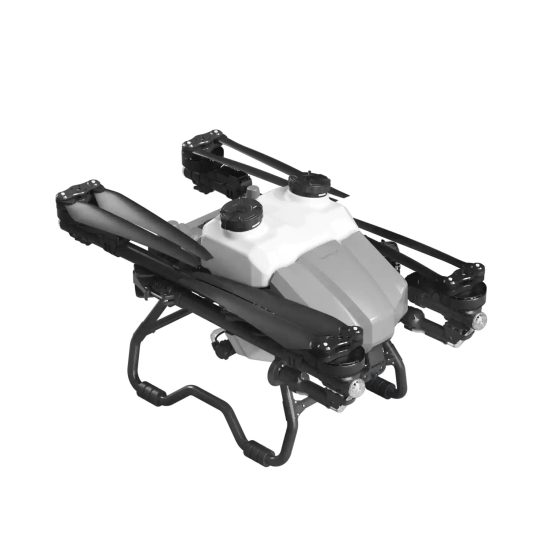


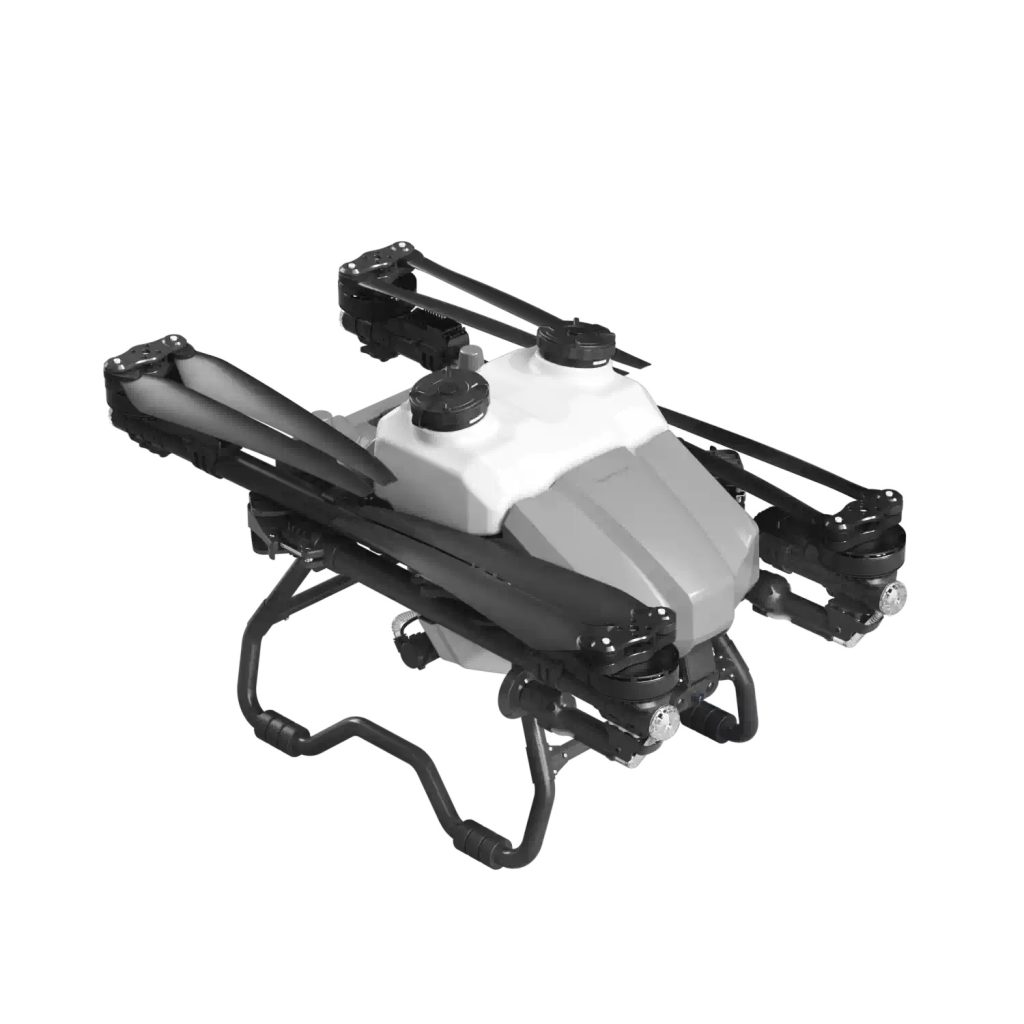
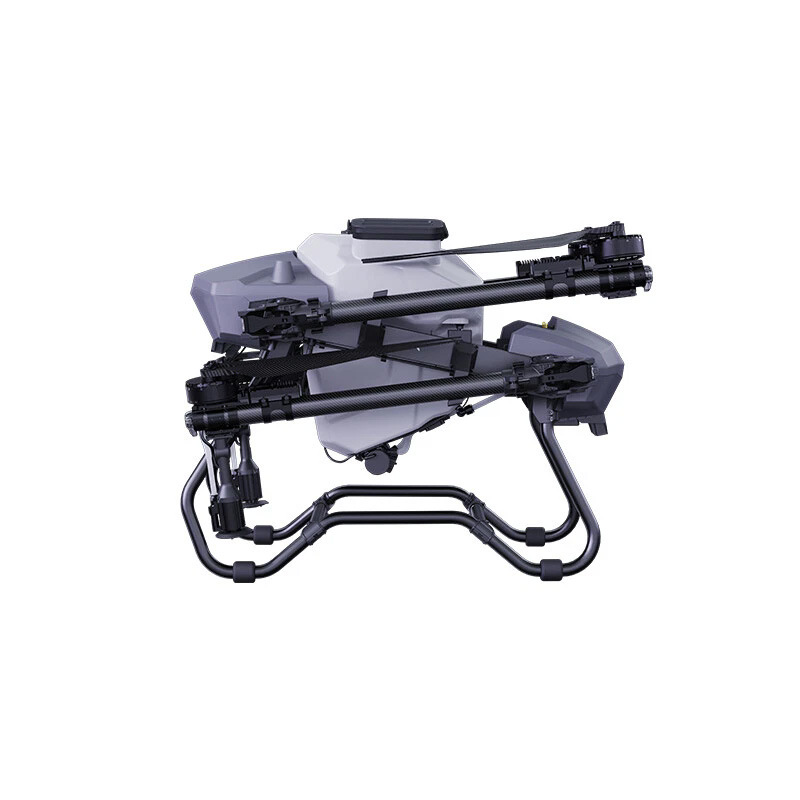
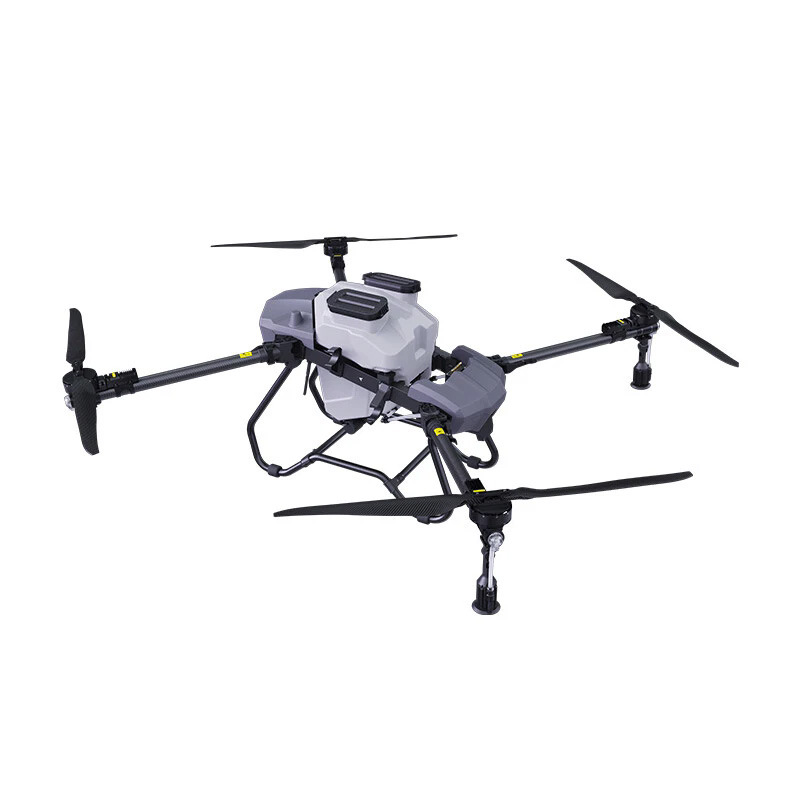

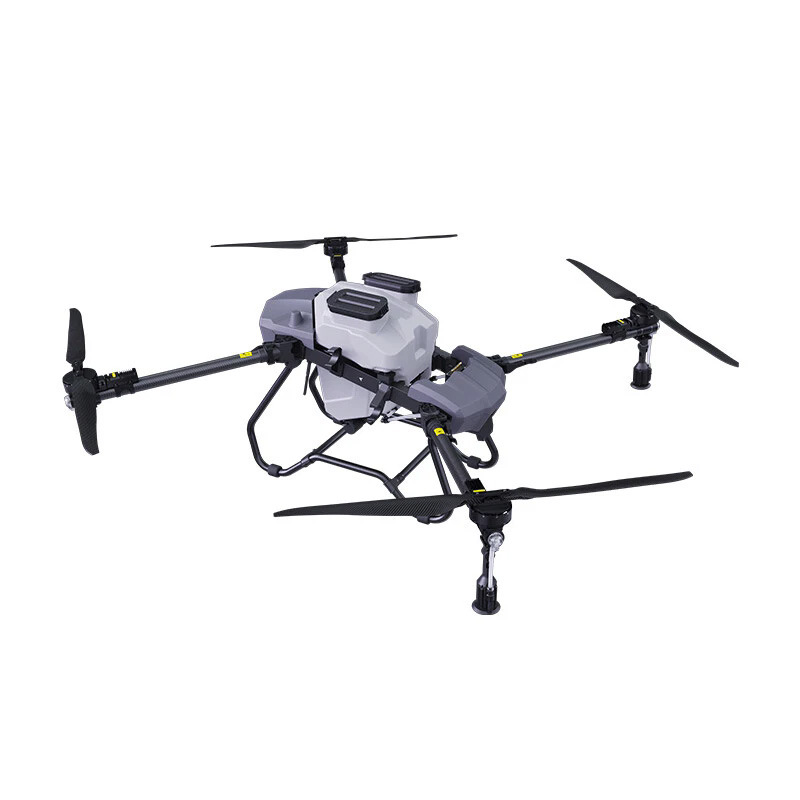
In the evolving landscape of modern agriculture, the transition from manual backpack spraying to unmanned aerial systems (UAS) represents a quantum leap in efficiency and sustainability. For agribusinesses managing thousands of hectares, sourcing from a China agricultural drone manufacturer offers a strategic advantage in reducing chemical usage and labor costs. However, the market is cluttered with consumer-grade quadcopters masquerading as industrial tools. Selecting the wrong crop spraying drone supplier can lead to disastrous consequences: chemical drift damaging neighboring crops, premature motor failure, or inadequate coverage leading to pest outbreaks.
This guide provides a technical framework for B2B buyers. We will move beyond surface-level specifications to examine the engineering principles that define a true industrial-grade agricultural UAV, ensuring your investment delivers measurable ROI in the field.
Aerodynamic Stability: Hexacopter vs. Quadcopter Configurations
The choice of airframe is dictated by the operational environment and payload requirements. When consulting with a China farming drone factory, the first technical discussion should center on redundancy and stability.
1. Hexacopter (Six Rotors)
-
Safety Redundancy: In agricultural operations, a motor failure is a critical risk. A hexacopter can maintain stable flight and execute a controlled landing with the loss of one motor, protecting the expensive payload and the crops below.
-
Wind Resistance: The additional rotors provide greater thrust-to-weight ratio, allowing the drone to maintain position in crosswinds up to 8-10 m/s, which is common in open farmland.
-
Application: Best suited for high-value crops like orchards and vineyards where precision and safety are paramount.
2. Quadcopter (Four Rotors)
-
Economic Efficiency: Lower initial cost and simpler maintenance.
-
Agility: Easier to transport and deploy in smaller fields.
-
Application: Ideal for large, flat expanses of row crops like wheat, corn, or soybeans where the risk of obstacles is lower.
Fluid Dynamics: Centrifugal Nozzles vs. Pressure Nozzles
The spraying system is the business end of the drone. The goal is to achieve Variable Droplet Size (VDS) to match the target canopy.
-
Centrifugal Nozzles: The industry standard for premium drones. These nozzles use a spinning disk to atomize the liquid. They offer superior control over droplet size (50–500 microns) and are less prone to clogging from particulate matter in the tank mix.
-
Pressure Nozzles: Similar to traditional sprayers. They rely on pressure to force liquid through an orifice. They are cheaper but offer less control over droplet size and are more susceptible to clogging.
Radar Terrain Following
A critical E-E-A-T factor is the drone’s ability to maintain a consistent altitude over uneven terrain.
-
Dual Radar System: Professional drones use downward-facing millimeter-wave radar to track the ground distance in real-time. This ensures the spray pattern remains consistent whether flying over a ditch or a hill, preventing chemical pooling or missed spots.
Power Systems: The Battery Cycle Challenge
Flight endurance is the bottleneck of agricultural drones. A professional China agricultural UAV supplier must offer intelligent battery solutions.
| Feature | Standard LiPo Battery | Intelligent Smart Battery |
|---|---|---|
| Cycle Life | 200-300 flights | 500-800 flights |
| Charging Speed | 90 mins (Standard Charger) | 15-20 mins (Fast Charger) |
| BMS (Battery Mgmt) | Basic protection | Active cell balancing, temp monitoring |
| Hot Swapping | Not supported | Yes (Allows continuous operation) |
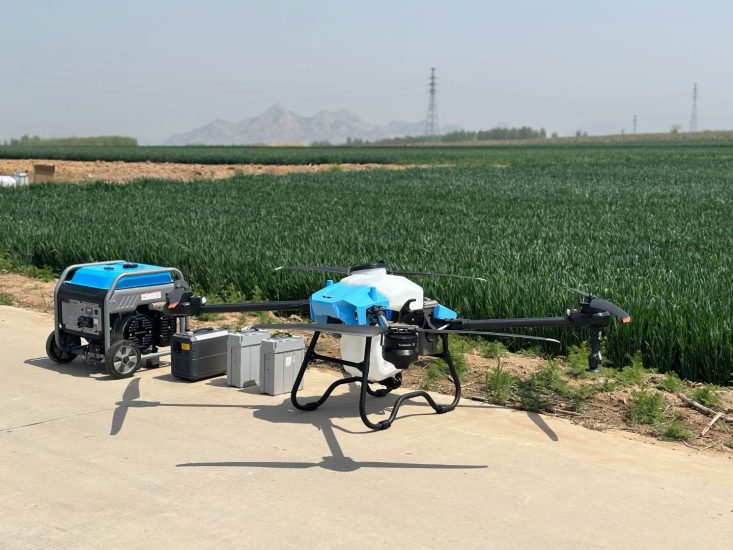
Ground Support Equipment: For large-scale operations, a mobile charging station is essential. This is typically a generator paired with a multi-bay fast charger capable of charging 6-8 batteries simultaneously, ensuring zero downtime during the critical spraying window.
Precision Navigation: RTK and GNSS Integration
Standard GPS has a positional error of 1-2 meters, which leads to gaps or overlaps in spraying.
-
RTK (Real-Time Kinematic): This technology uses a base station and rover to achieve centimeter-level accuracy (1-2 cm). This allows the drone to fly the exact same route on subsequent passes or missions, preventing double-spraying and ensuring complete coverage.
-
Obstacle Avoidance: Binocular vision sensors are necessary for navigating around trees, power lines, and silos, especially in complex orchard environments.
Compliance and Certification
Importing agricultural drones involves navigating complex regulatory frameworks.
-
CE/FCC Certification: Mandatory for radio frequency compliance and electromagnetic interference.
-
Local Aviation Authority Registration: Ensure the supplier provides documentation that helps you register the drone with bodies like the FAA (USA), EASA (Europe), or CAAC (China).
-
Spreading System Compliance: If adding a granular spreading system for seeds or fertilizer, ensure it is certified for the specific materials used.
The Customization Workflow
A key advantage of sourcing from a China agricultural drone manufacturer is the ability to tailor the UAV to specific crops.
-
Nozzle Boom Length: Customizing the width of the spray boom to match the row spacing of crops like grapes or cotton.
-
Software Localization: Ensuring the Ground Control Station (GCS) software is available in the local language and supports local coordinate systems.
-
Payload Modules: Switching between a liquid tank (spraying) and a granular hopper (spreading) in under 10 minutes.
FAQ: Technical Due Diligence for Agri-Businesses
These are the critical questions experienced buyers ask when vetting a China agricultural spraying drone supplier.
Q1: What is the effective coverage area per hour and per battery charge?
A: A 16L drone typically covers 10-15 acres per hour. With intelligent batteries and a ground crew, you can achieve 3-4 flights per hour (rotating batteries), covering 30-60 acres per hour.
Q2: How do you handle warranty for crash damage?
A: Agricultural drones operate in harsh environments. Look for a supplier offering “Care Refresh” or similar programs where you pay a deductible fee for replacement parts (motors, ESCs, frames) after a crash.
Q3: Can the drone be used for both liquid spraying and solid spreading?
A: Yes, most industrial models offer modular payloads. You can switch between a liquid tank and a granular spreading hopper in under 10 minutes.
Q4: What is the Minimum Order Quantity (MOQ) for a fleet purchase?
A: For standard models, there is usually no MOQ. For customizations (specific color, branding, or software modifications), the MOQ is typically 10-20 units.
Q5: Do you provide pilot training and after-sales support?
A: Reputable suppliers provide comprehensive online training and a library of video tutorials. For large orders (50+ units), they often dispatch a technician to your location for on-site training.
Why Direct Factory Partnership Drives Operational Efficiency
Partnering directly with a China agricultural drone supplier ensures you have access to firmware updates that optimize flight algorithms for specific crops. This direct line of communication is vital for troubleshooting issues like nozzle clogging or GPS signal interference, minimizing downtime during the critical spraying season.
Don’t let outdated equipment limit your yield potential. Upgrade your fleet with precision technology today.
Ready to request a demo or a fleet quotation?
Contact our agricultural specialists to discuss your farm’s specific needs. We offer free flight demonstrations and a detailed ROI analysis comparing drone spraying to traditional methods. Let’s cultivate the future of farming together. 🚜
Review 1:
User: Carlos M. 🇧🇷
Avatar: 🌾
Order ID: #AGRO-BR-7741
Date: April 22, 2026
Rating: ⭐⭐⭐⭐⭐
Comment: “Purchased 5 units for our soybean farm in Mato Grosso. The RTK accuracy is flawless, and the obstacle avoidance works perfectly around our irrigation pivots. The local Portuguese software interface is a huge plus.”
Review 2:
User: David L. 🇺🇸
Avatar: 🚜
Order ID: #AGRO-US-5520
Date: March 15, 2026
Rating: ⭐⭐⭐⭐
Comment: “The 16L hexacopters are powerful. Battery life is solid. The only issue was the initial setup of the spreading system for rice seeds, but the tech support team guided us through a firmware update that fixed it.”
Review 3:
User: Kenji T. 🇯🇵
Avatar: 🍚
Order ID: #AGRO-JP-9912
Date: February 08, 2026
Rating: ⭐⭐⭐⭐⭐
Comment: “We use these drones for our rice paddies. The terrain following radar is excellent for maintaining a consistent 1.5m height above the water. The build quality is industrial-grade. Very satisfied.”
Review 4:
User: Elena R. 🇫🇷
Avatar: 🍇
Order ID: #AGRO-FR-6633
Date: January 12, 2026
Rating: ⭐⭐⭐⭐
Comment: “Sourced drones for viticulture in Bordeaux. The centrifugal nozzles provide the perfect mist for grape leaves. The charging station is robust. Delivery to France was smooth with all CE documentation.”
Review 5:
User: Marco V. 🇮🇹
Avatar: 🌻
Order ID: #AGRO-IT-4488
Date: December 05, 2025
Rating: ⭐⭐⭐⭐⭐
Comment: “The after-sales support is exceptional. We had a minor crash, and they shipped the replacement arms immediately. The drones have increased our spraying efficiency by 400% compared to tractors.”
THE END


No comments yet