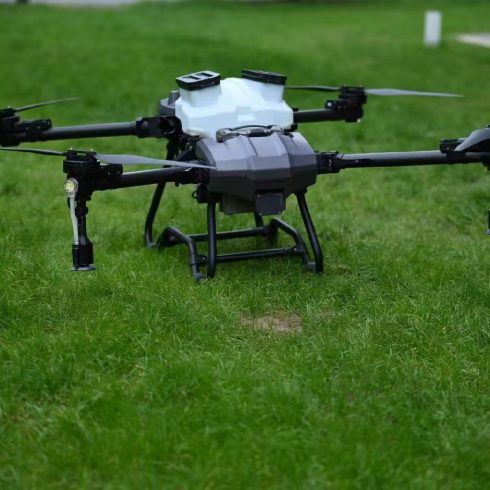


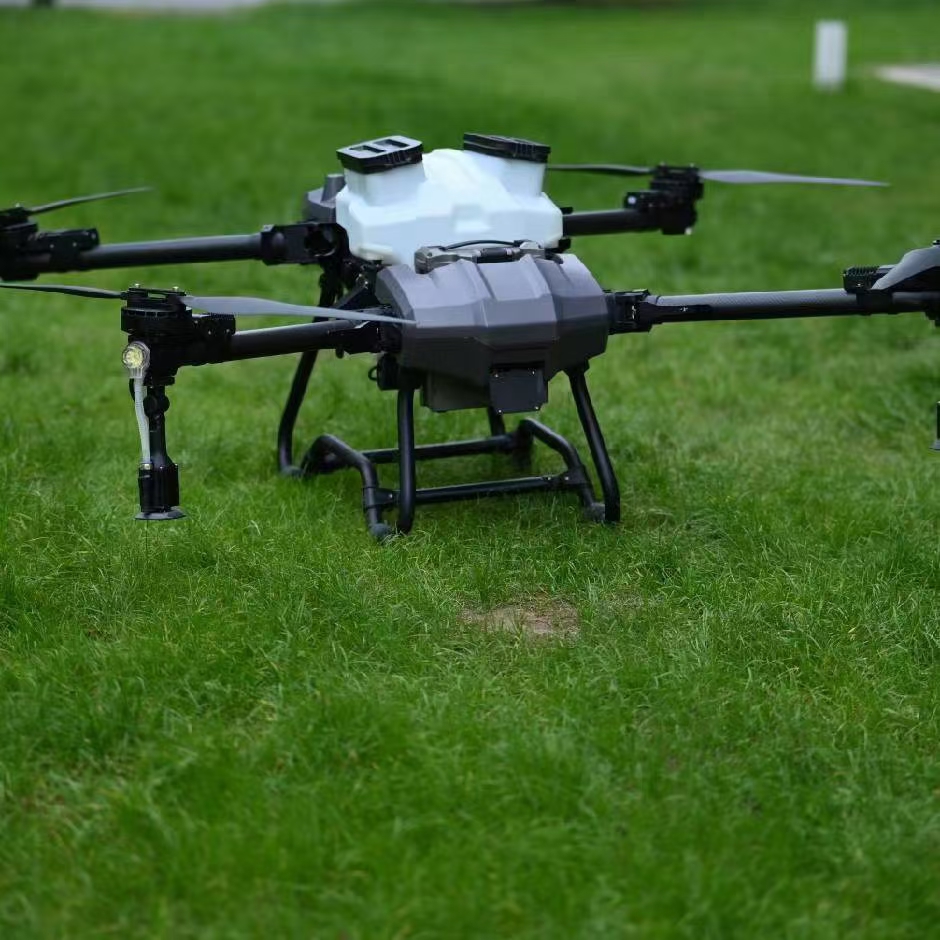
xplore how low-altitude crop spraying revolutionizes farming with precision, reduces chemical waste, and cuts costs. Discover drone-driven solutions for smarter, eco-friendly agriculture.
—
Introduction
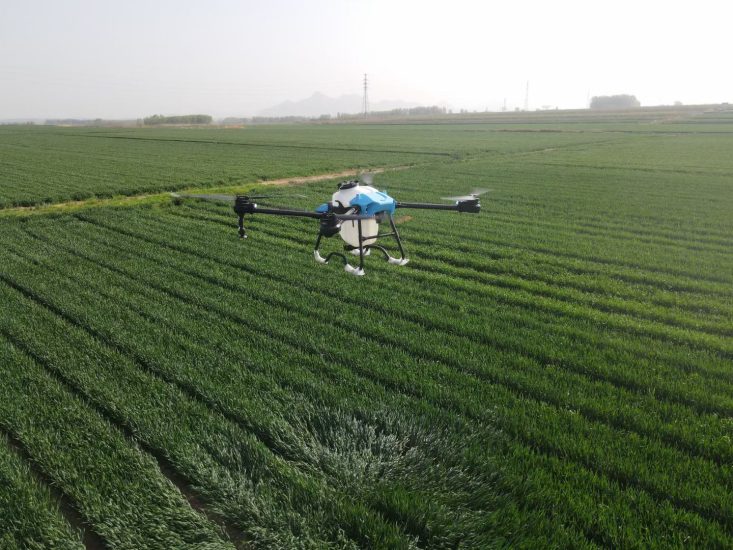
Traditional crop spraying methods—ground rigs, airplanes, and tower sprayers—are increasingly becoming obsolete in the face of rising costs, labor shortages, and environmental concerns. Low-altitude crop spraying (LACS) emerges as a cutting-edge solution, leveraging drones and low-flying robotics to deliver agrochemicals with unparalleled precision. By operating at heights of 1–10 meters, LACS minimizes drift, optimizes coverage, and slashes operational expenses. This article unpacks how low-altitude technology works, its transformative benefits, and why it’s critical for sustainable farming.
—
1. The Limitations of Traditional Spraying Methods
Conventional spraying struggles with:
– Chemical Drift: Wind carries up to 40% of chemicals beyond target areas, wasting resources and harming ecosystems.
– High Costs: Fuel, labor, and equipment maintenance drain up to 50% of spraying budgets.
– Inefficiency: Uneven terrain and dense canopies reduce coverage, leaving crops vulnerable.
For instance, a 2023 USDA report found that traditional methods waste $3.2 billion annually in oversprayed chemicals.
—
2. How Low-Altitude Crop Spraying Works
LACS systems combine drones, sensors, and AI to deliver targeted, efficient applications:
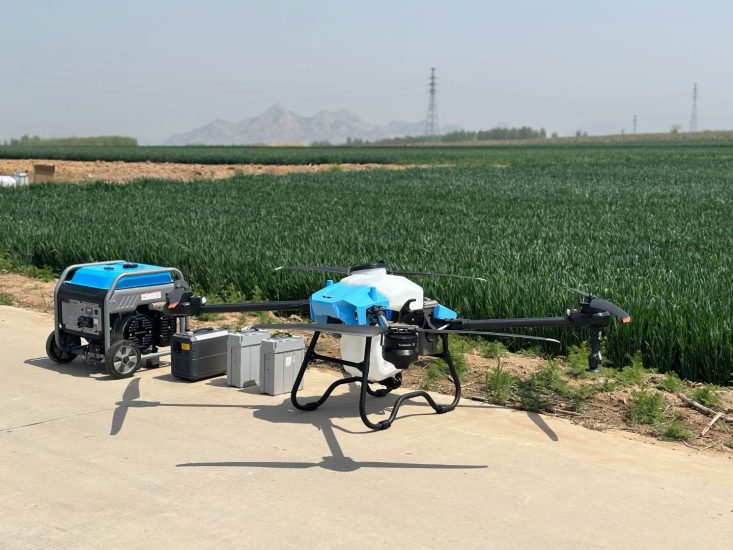
Low-Flying Drones & Robotics
– Compact Drones: Equipped with high-pressure nozzles for even distribution at low heights.
– Autonomous Ground Robots: Navigate rows of crops for ground-level precision.
Smart Navigation & Sensors
– LiDAR & Multispectral Imaging: Map fields in real time to avoid obstacles and identify high-risk zones.
– GPS & RTK: Ensure centimeter-level accuracy, even in dense fields or uneven terrain.
Adaptive Spraying Technology
– Variable Rate Controllers: Adjust chemical flow based on plant density and pest severity.
– Air-Assisted Nozzles: Atomize chemicals into fine droplets (100–200 microns) to reduce drift.
—
3. Advantages of Low-Altitude Crop Spraying
Precision & Reduced Chemical Waste
– Targeted Application: Delivers chemicals only to affected areas, cutting agrochemical use by 30–50%.
– Minimal Drift: Low-altitude spraying reduces airborne particles, preventing runoff into waterways.
Cost Efficiency
– Lower Fuel & Labor Costs: Drones consume 80% less fuel than tractors; one drone replaces 10 manual sprayers.
– Reduced Equipment Wear: No heavy machinery maintenance or fuel expenses.
Environmental & Regulatory Compliance
– Eco-Friendly: Protects pollinators and non-target plants by limiting chemical exposure.
– Global Standards: Meets strict EU, EPA, and FAO regulations for pesticide use.
Improved Yields
– Healthier Crops: Timely, precise treatments prevent disease spread and nutrient deficiencies.
– Timely Response: Deploy drones immediately during outbreaks, halting yield losses.
—
4. Real-World Applications
Case Study 1: Rice Farms in China
A farm in Jiangsu Province adopted LACS to combat rice blast disease:
– Result: Reduced fungicide use by 50%, increased yields by 25%, and cut costs by $15,000/year.
Case Study 2: Orchards in Spain
Low-altitude drones treated apple trees for scab disease:
– Impact: Achieved 98% disease control with 40% fewer chemicals, earning organic certification.
—
5. Overcoming Adoption Challenges
– Initial Costs: Leasing programs and ROI calculators ease upfront investments.
– Skill Gaps: Free training apps and remote support simplify drone operation.
– Regulatory Hurdles: Pre-certified drones comply with local airspace laws.
—
6. The Future: AI, IoT, and Beyond
– AI-Predictive Spraying: Algorithms forecast pest risks using weather and soil data.
– Swarm Robotics: Fleets of drones autonomously cover thousands of acres.
– IoT Integration: Syncs with soil moisture sensors for real-time, adaptive applications.
—
Conclusion
Low-altitude crop spraying is redefining precision agriculture, offering a scalable, sustainable solution to modern farming challenges. By combining cutting-edge technology with eco-conscious practices, LACS empowers farmers to protect profits, comply with regulations, and meet global food demand. Embrace this innovation to future-proof your farm and lead the transition to smarter, greener agriculture.
Call to Action:
Upgrade to low-altitude drone sprayers today. Request a free demo to see how our AI-driven system delivers precision, savings, and sustainability for your crops.


No comments yet