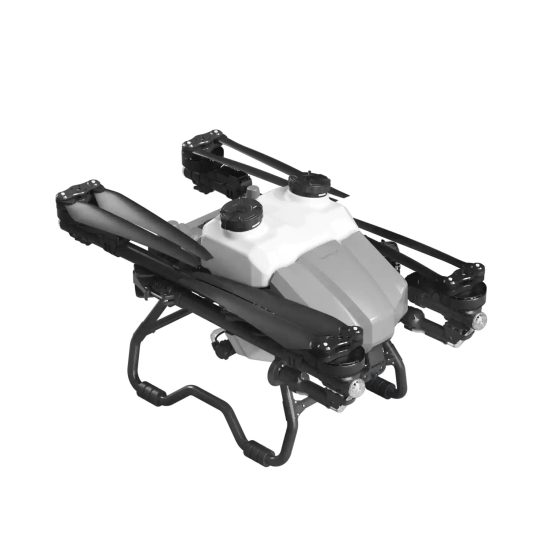


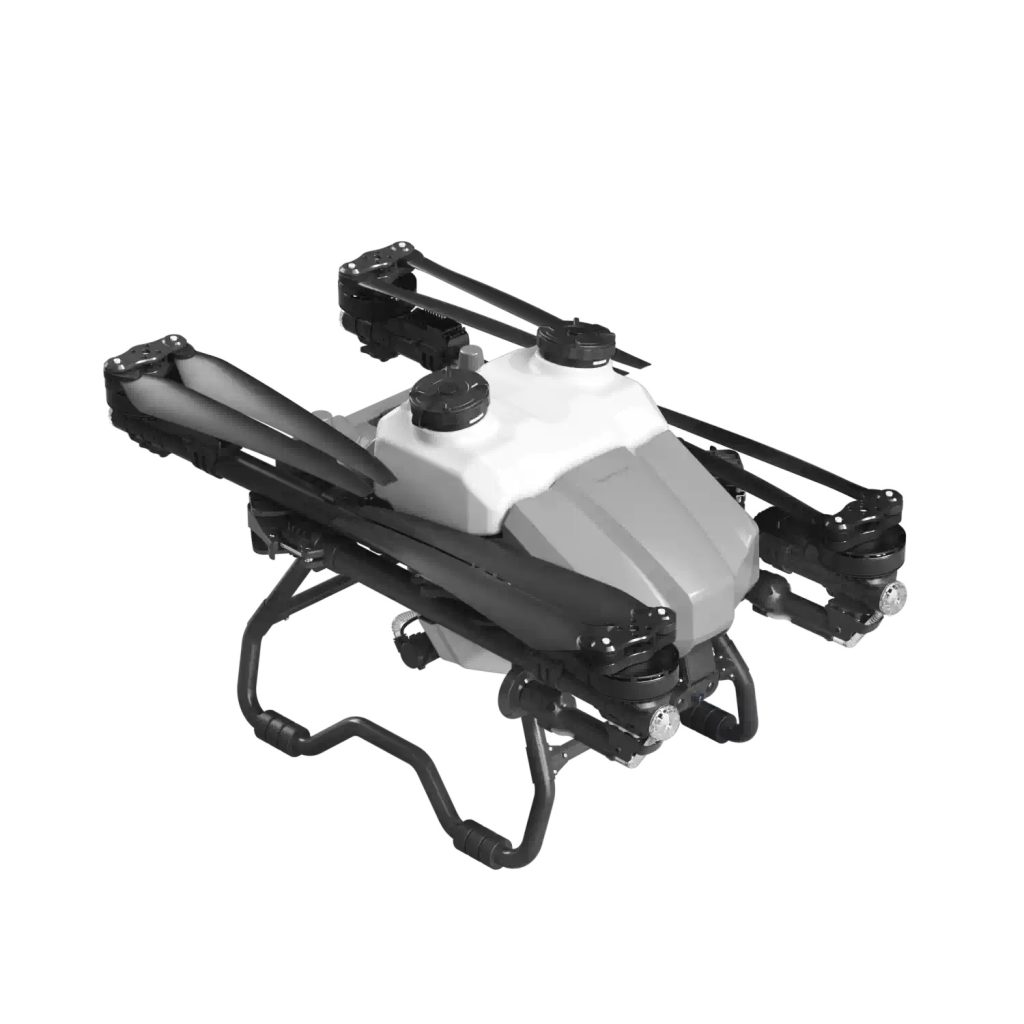
Rising labor costs and the demand for higher crop yields are major challenges facing modern agriculture. Traditional farming methods often require large workforces, significant amounts of water and chemicals, and long operating hours. As labor shortages become more common, many farmers are turning to multi-function agricultural drones to improve efficiency and profitability.
But can agricultural drones really reduce labor costs and increase crop yields?
The answer is yes. Modern multi-function agricultural drones provide a practical solution for spraying, fertilizer spreading, and seed broadcasting while improving precision and reducing waste.
Why Labor Costs Are Increasing
Farmers around the world are facing several challenges:
- Shortage of skilled workers.
- Rising labor expenses.
- Limited spraying periods.
- High fuel and machinery costs.
- Increasing demand for food production.
Traditional manual spraying often requires multiple workers and many hours to complete large fields. Agricultural drones can accomplish the same tasks faster and more efficiently.
How Agricultural Drones Reduce Labor Costs
Replace Manual Spraying
One agricultural drone operator can perform the work of several workers.
Benefits include:
- Lower labor expenses.
- Reduced exposure to chemicals.
- Faster operation.
- Improved safety.
This is especially valuable during busy farming seasons.
Faster Field Coverage
Multi-function agricultural drones can cover large areas quickly.
Advantages include:
- Reduced operating time.
- Higher daily productivity.
- Lower manpower requirements.
Large-capacity drones can complete tasks that would otherwise require multiple workers and machines.
Reduced Fuel and Equipment Costs
Traditional tractors and sprayers consume fuel and require frequent maintenance.
Agricultural drones offer:
- Lower operating costs.
- Reduced maintenance expenses.
- No soil compaction.
- Better accessibility in muddy fields.
This helps farmers lower overall production costs.
How Agricultural Drones Increase Crop Yield
Precise Spraying
Modern drones provide uniform spray coverage and accurate application.
Benefits include:
- Better pest control.
- Reduced chemical waste.
- Improved crop health.
- Higher productivity.
Uniform application ensures crops receive the right amount of protection.
Timely Operations
Weather conditions often limit spraying opportunities.
Agricultural drones allow farmers to:
- Complete spraying quickly.
- Avoid pest outbreaks.
- Protect crops during critical growth stages.
Timely operations contribute directly to higher yields.
Better Fertilizer Management
Multi-function drones support fertilizer spreading with adjustable application rates.
Advantages include:
- Balanced nutrient distribution.
- Reduced fertilizer waste.
- Healthier crops.
- Increased production.
Proper nutrient management improves overall crop performance.
Multi-Function Drones Provide Greater Value
Modern agricultural drones support multiple applications:
Crop Spraying
For:
- Herbicides.
- Fungicides.
- Insecticides.
Fertilizer Spreading
Suitable for:
- Granular fertilizers.
- Compound fertilizers.
- Organic fertilizers.
Seed Broadcasting
Used for:
- Rice.
- Grass seeds.
- Cover crops.
One drone can perform multiple operations, reducing equipment investment and maximizing return on investment.
Suitable Crops for Agricultural Drones
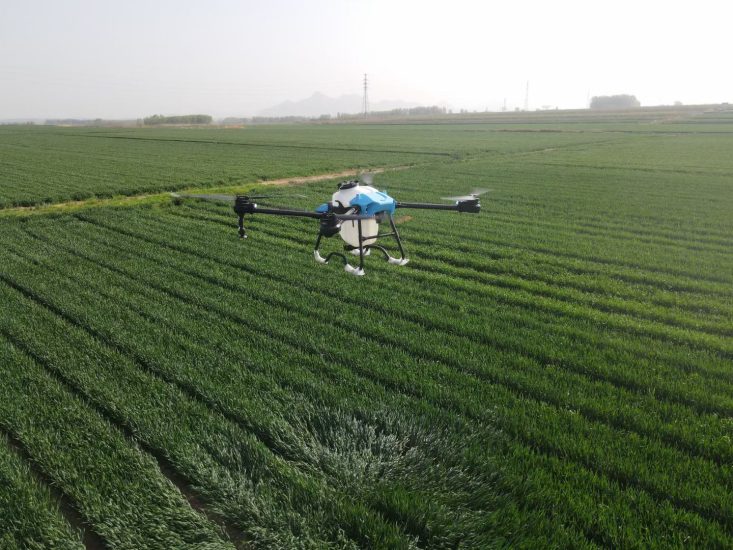
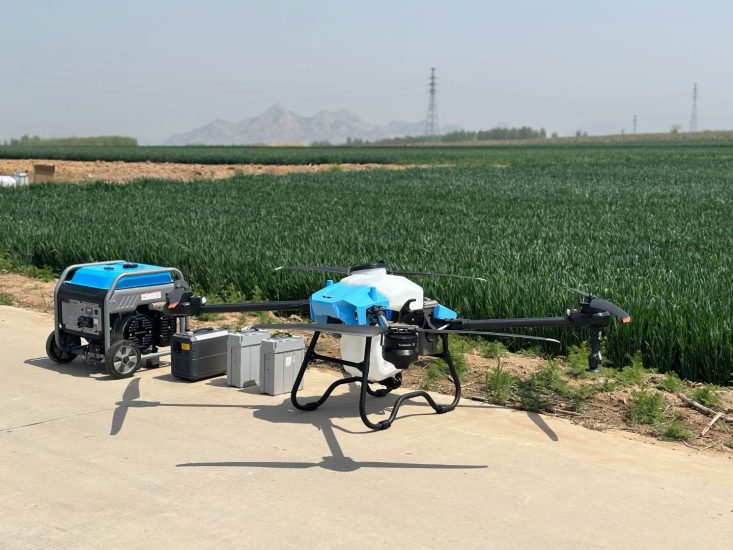
Multi-function agricultural drones are widely used in:
- Rice fields.
- Wheat farms.
- Corn plantations.
- Soybean farms.
- Cotton fields.
- Sugarcane farms.
- Fruit orchards.
- Vegetable farms.
Their flexibility makes them suitable for different climates and terrains.
Advanced Technologies Improve Efficiency
Professional agricultural drones are equipped with:
- RTK positioning systems.
- Terrain-following radar.
- Obstacle avoidance technology.
- Intelligent route planning.
- Automatic flow control.
- High-capacity batteries.
These technologies improve spraying accuracy and maximize productivity.
Why Agricultural Cooperatives and Service Providers Choose Drones
Agricultural drones are ideal for:
- Large farms.
- Agricultural cooperatives.
- Crop protection companies.
- Government agricultural projects.
- Drone service providers.
Their high efficiency allows businesses to complete more work while reducing operating costs.
Looking for High-Performance Agricultural Drone Solutions?
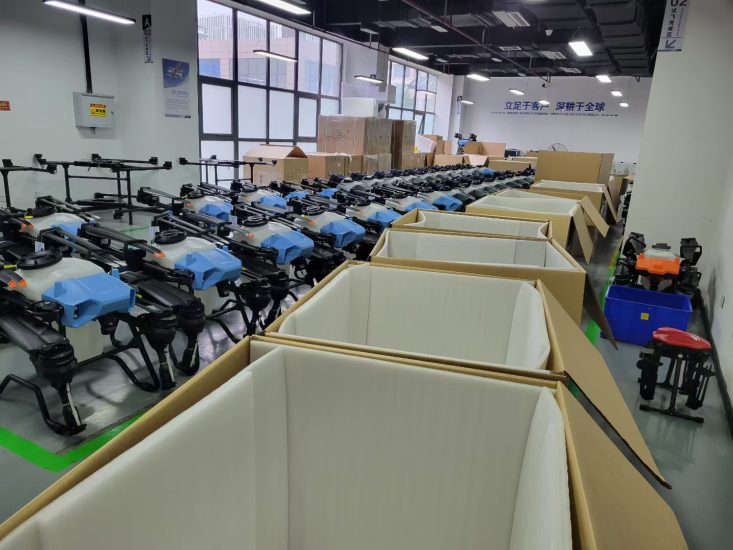
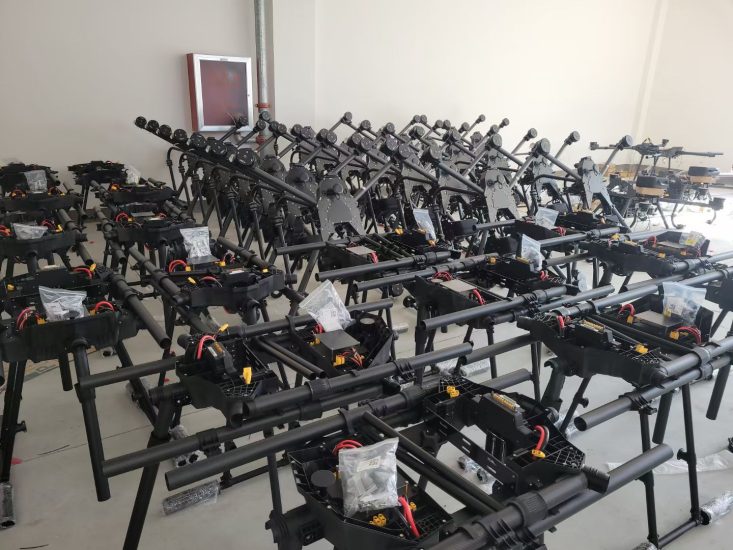
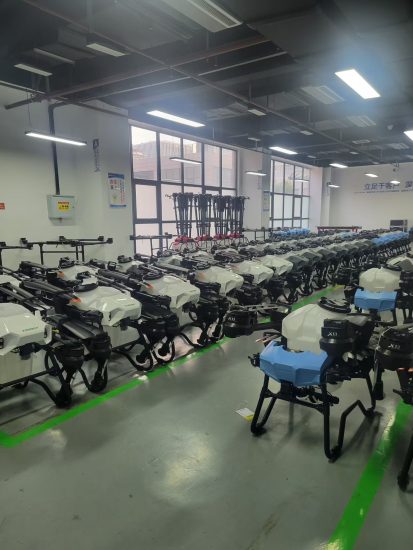
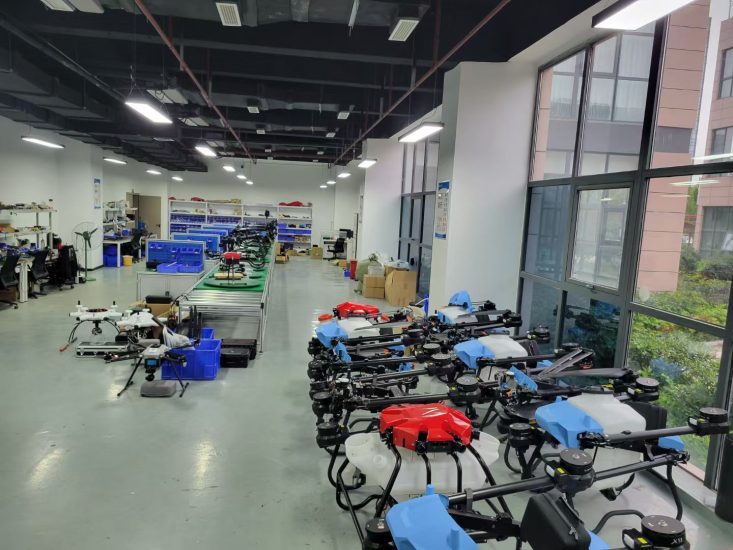
Whether you are a farm owner, distributor, or agricultural service provider, multi-function agricultural drones can help you reduce labor costs and increase yields.
We provide:
- High-capacity agricultural drones.
- Spraying and fertilizer spreading systems.
- Seed broadcasting solutions.
- OEM and ODM customization.
- Technical support and spare parts supply.
- Global distribution cooperation.
Contact us today to receive factory pricing and customized agricultural drone solutions for your market.
FAQ
Can agricultural drones really reduce labor costs?
Yes. One drone operator can replace several workers and complete spraying tasks much faster.
How do agricultural drones increase crop yields?
By improving spraying accuracy, reducing chemical waste, and allowing timely crop protection operations.
Can one drone spray and spread fertilizer?
Yes. Multi-function agricultural drones support spraying, fertilizer spreading, and seed broadcasting.
Which crops are suitable for agricultural drones?
Rice, wheat, corn, soybeans, cotton, vegetables, orchards, and many other crops.
Are agricultural drones suitable for large farms?
Yes. High-capacity drones are widely used by large farms and agricultural cooperatives.
Do you provide OEM and custom agricultural drone services?
Yes. OEM and ODM services are available for distributors, dealers, and agricultural projects worldwide.


No comments yet