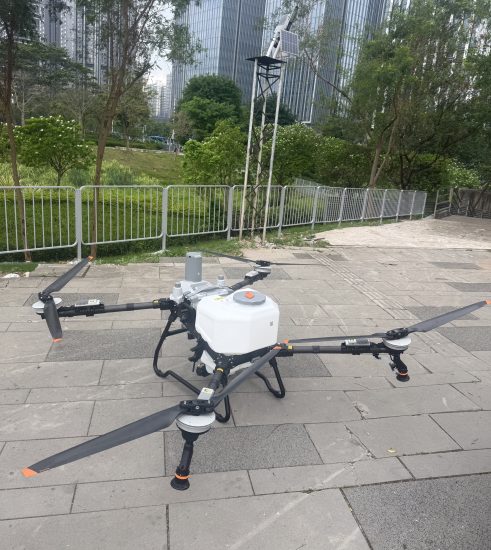



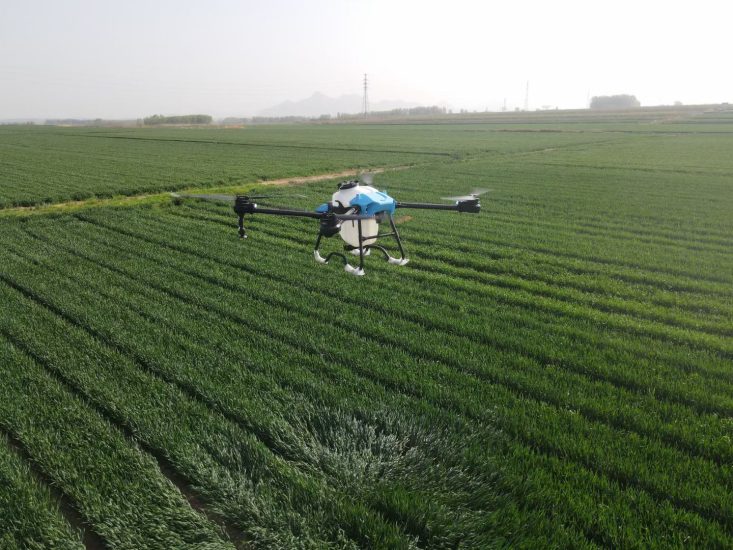
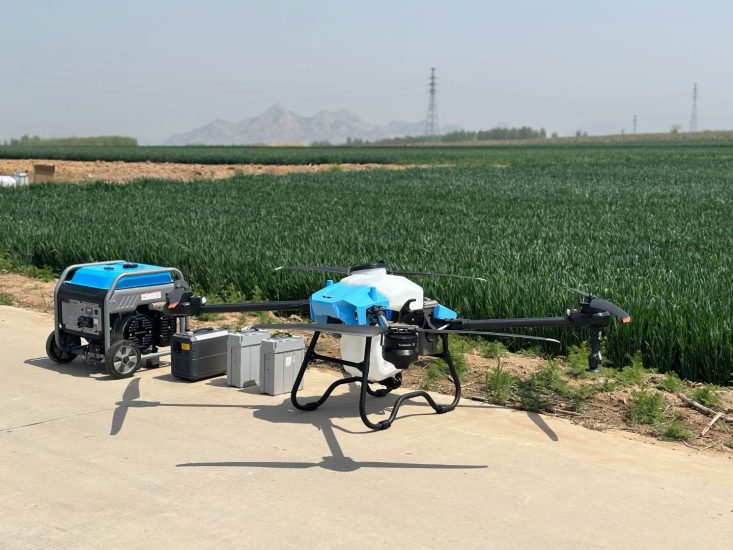
Crop spraying drones have become an essential part of modern agriculture, helping farmers improve spraying efficiency, reduce labor costs, and increase crop yields. As the world’s leading manufacturing hub for agricultural drones, China supplies advanced UAV solutions to distributors, importers, agricultural contractors, government agencies, and commercial farms across the globe.
However, importing crop spraying drones involves more than simply placing an order. Buyers must evaluate suppliers, understand product specifications, verify certifications, arrange international shipping, and comply with local import regulations.
This comprehensive guide explains the complete import process step by step, helping international buyers source agricultural drones from China safely and efficiently.
Step 1: Define Your Requirements
Before contacting suppliers, clearly identify your business needs.
Consider the following:
-
Farm size
-
Crop type
-
Terrain
-
Daily spraying area
-
Local aviation regulations
-
Budget
-
After-sales service requirements
You should also determine the payload capacity that best fits your market.
Typical options include:
Payload |
Suitable For |
|---|---|
20L |
Small farms |
30L |
Medium-sized farms |
40L |
Agricultural service companies |
50L |
Commercial farming |
70L |
Large-scale agricultural projects |
Step 2: Find a Reliable China Crop Spraying Drone Supplier
Selecting the right manufacturer is the most important decision.
A reliable supplier should offer:
-
Manufacturing experience
-
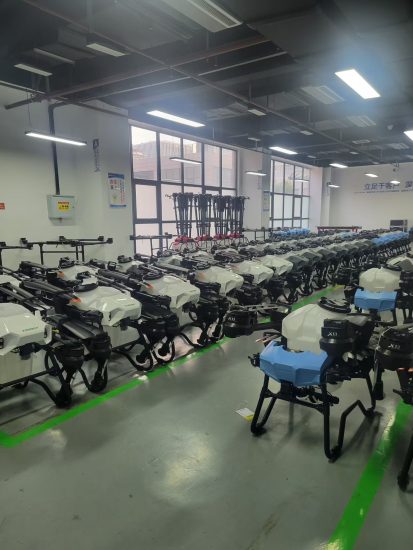
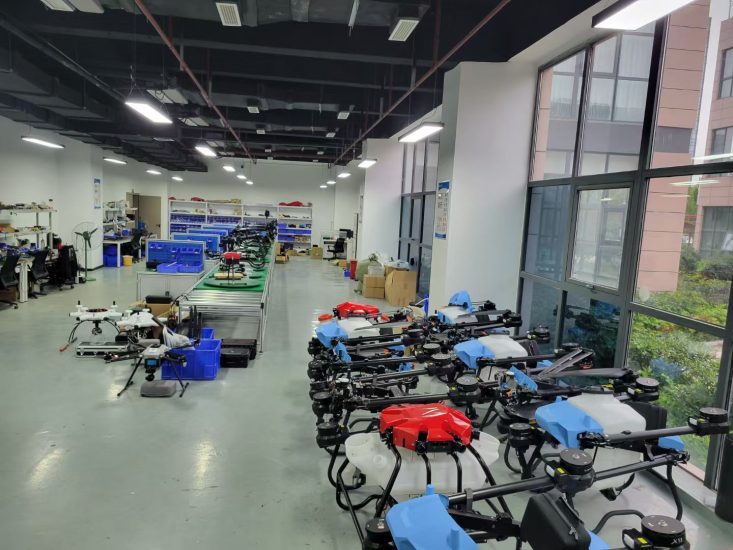
Modern production facilities
-
Strong R&D capability
-
International certifications
-
Stable quality control
-
Export experience
-
Spare parts support
-
Professional technical service
Avoid selecting suppliers based only on the lowest quotation.
Step 3: Verify the Manufacturer
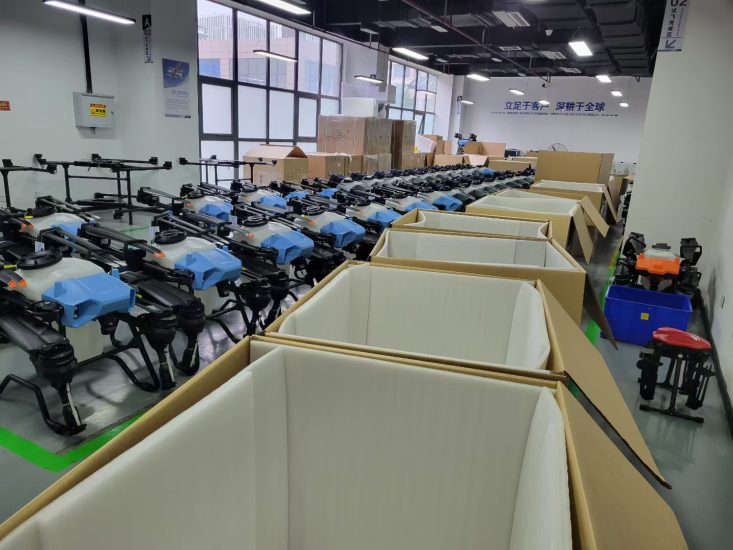
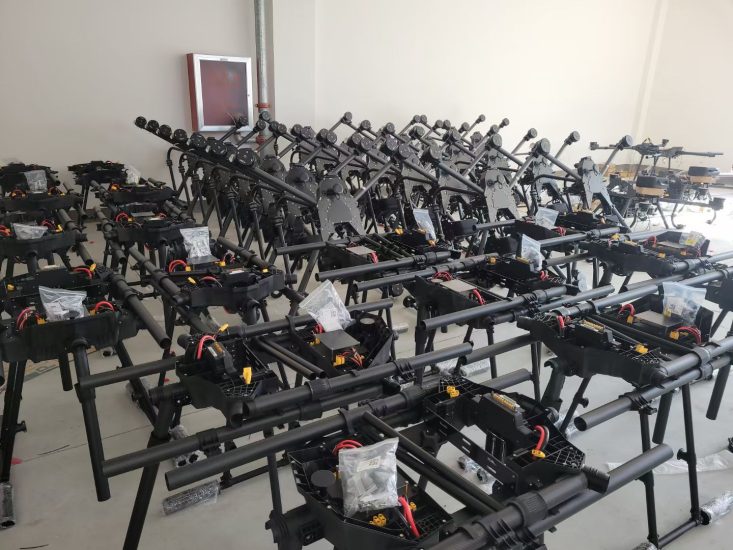
Always verify that the supplier is an actual manufacturer rather than only a trading company.
Ask for:
-
Factory photos
-
Production videos
-
Company certificates
-
Business license
-
Product testing reports
-
Customer references
If possible, arrange a factory inspection or request a live video tour.
Step 4: Choose the Right Drone Model
Different applications require different drone configurations.
Consider:
Payload Capacity
-
20L
-
30L
-
40L
-
50L
-
70L
Flight System
Look for features such as:
-
GPS navigation
-
RTK positioning
-
Automatic route planning
-
Return-to-home
-
Terrain following
-
Obstacle avoidance
Spraying System
Evaluate:
-
Pump performance
-
Spray width
-
Flow rate
-
Nozzle quality
-
Atomization performance
Step 5: Confirm Product Certifications
Check whether the drone complies with your country’s requirements.
Common certifications include:
-
CE
-
FCC
-
RoHS
-
ISO 9001
-
UN38.3
-
MSDS
Some countries may require additional aviation or radio approvals before commercial operation.
Step 6: Request Samples or Demonstrations
Before placing a large order, it is advisable to:
-
Test a sample unit
-
Watch flight demonstrations
-
Review spraying performance
-
Evaluate software
-
Test battery charging
-
Verify spare parts quality
This reduces purchasing risks.
Step 7: Discuss OEM & ODM Customization
If you are building your own brand, discuss customization options early.
Common OEM services include:
-
Company logo
-
Product color
-
Packaging
-
User manuals
-
Software interface
-
Remote controller branding
Customized products generally require additional production time.
Step 8: Confirm Pricing and Payment Terms
Request a detailed quotation including:
-
Drone price
-
Battery price
-
Charger price
-
Spare parts
-
Packaging
-
Shipping costs
Common international payment methods include:
-
T/T (Bank Transfer)
-
Letter of Credit (L/C)
-
Alibaba Trade Assurance (if applicable)
Always confirm payment milestones before production begins.
Step 9: Arrange International Shipping
Agricultural drones contain lithium batteries, so transportation requires special handling.
Common shipping methods include:
Air Freight
Advantages:
-
Fast delivery
-
Suitable for urgent orders
Disadvantages:
-
Higher transportation costs
-
Battery restrictions
Sea Freight
Advantages:
-
Lower shipping cost
-
Suitable for bulk orders
Disadvantages:
-
Longer transit time
Experienced suppliers can recommend the most suitable logistics solution.
Step 10: Prepare Export Documents
Professional manufacturers usually provide:
-
Commercial Invoice
-
Packing List
-
Bill of Lading or Air Waybill
-
Certificate of Origin (if required)
-
CE Certificate
-
UN38.3 Battery Report
-
MSDS
-
Product Manual
Accurate documentation helps speed up customs clearance.
Step 11: Customs Clearance
Import procedures vary by country.
You may need:
-
Import license
-
Customs declaration
-
Product certification
-
Duty payment
-
VAT or GST payment
Consult your customs broker before shipment arrives.
Step 12: Installation and Training
After receiving the equipment, proper training is essential.
Reliable suppliers usually provide:
-
Installation guidance
-
Flight operation manuals
-
Maintenance instructions
-
Online training
-
Remote technical support
-
Firmware updates
Well-trained operators improve both safety and efficiency.
Maintenance After Import
Regular maintenance extends drone lifespan.
Recommended maintenance includes:
-
Cleaning spray tanks
-
Inspecting propellers
-
Checking motors
-
Updating firmware
-
Monitoring battery health
-
Replacing worn nozzles
-
Tightening screws
-
Calibrating sensors
Preventive maintenance minimizes unexpected downtime.
Common Mistakes to Avoid
Many first-time buyers make avoidable mistakes.
Do not:
-
Purchase only based on price
-
Ignore certifications
-
Skip product testing
-
Forget spare parts
-
Ignore warranty policies
-
Underestimate battery transport regulations
A reliable supplier will guide you through each step.
Why Work Directly with Chinese Manufacturers?
Direct factory cooperation offers several benefits:
-
Better pricing
-
Faster communication
-
Technical support
-
OEM customization
-
Stable product quality
-
Reliable spare parts
-
Long-term business partnership
Working directly with manufacturers also improves supply chain efficiency.
Future Trends
Agricultural drone technology continues to advance.
Future developments include:
-
Artificial intelligence
-
Autonomous fleet management
-
Precision agriculture
-
Variable-rate spraying
-
Smart farm integration
-
Cloud data analysis
-
Longer battery endurance
-
Improved environmental sustainability
These innovations will further increase farming productivity worldwide.
Conclusion
Importing crop spraying drones from China is a straightforward process when buyers work with experienced manufacturers and follow a structured purchasing procedure. From selecting the right supplier and verifying certifications to arranging shipping and after-sales support, every step plays an important role in ensuring a successful import.
By partnering with a professional China crop spraying drone supplier, international buyers can gain access to advanced agricultural technology, competitive pricing, OEM customization, reliable technical support, and long-term business opportunities in the growing precision agriculture market.
Frequently Asked Questions (FAQ)
1. Can I import crop spraying drones directly from China?
Yes. Many Chinese manufacturers export directly to distributors, agricultural companies, and government agencies worldwide.
2. Which shipping method is better?
Air freight is faster for urgent deliveries, while sea freight is more economical for bulk orders.
3. Are lithium batteries difficult to ship?
Lithium batteries are classified as regulated goods, but experienced suppliers can arrange compliant air or sea transportation with the required documentation.
4. Can I customize the drones with my own brand?
Yes. Most manufacturers provide OEM and ODM services, including custom logos, colors, packaging, manuals, and software branding.
5. What documents are normally provided?
Typical export documents include the Commercial Invoice, Packing List, Bill of Lading or Air Waybill, Certificate of Origin (if required), CE certificate, UN38.3 battery report, MSDS, and product manuals.
6. How long does production usually take?
Standard models generally require 7–20 days, while customized OEM orders typically take 20–35 days, depending on the order quantity and customization requirements.
THE END


No comments yet