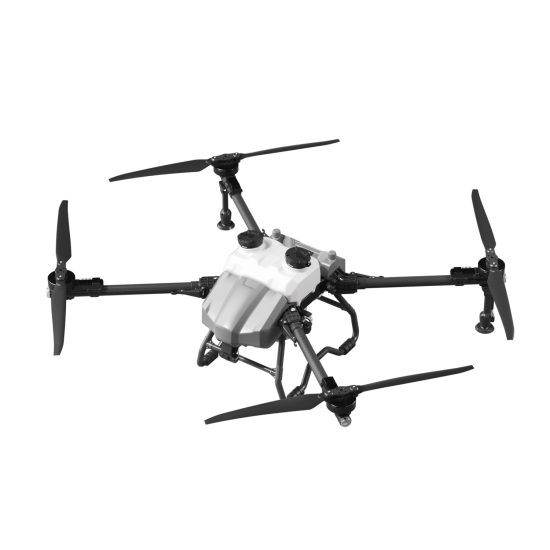


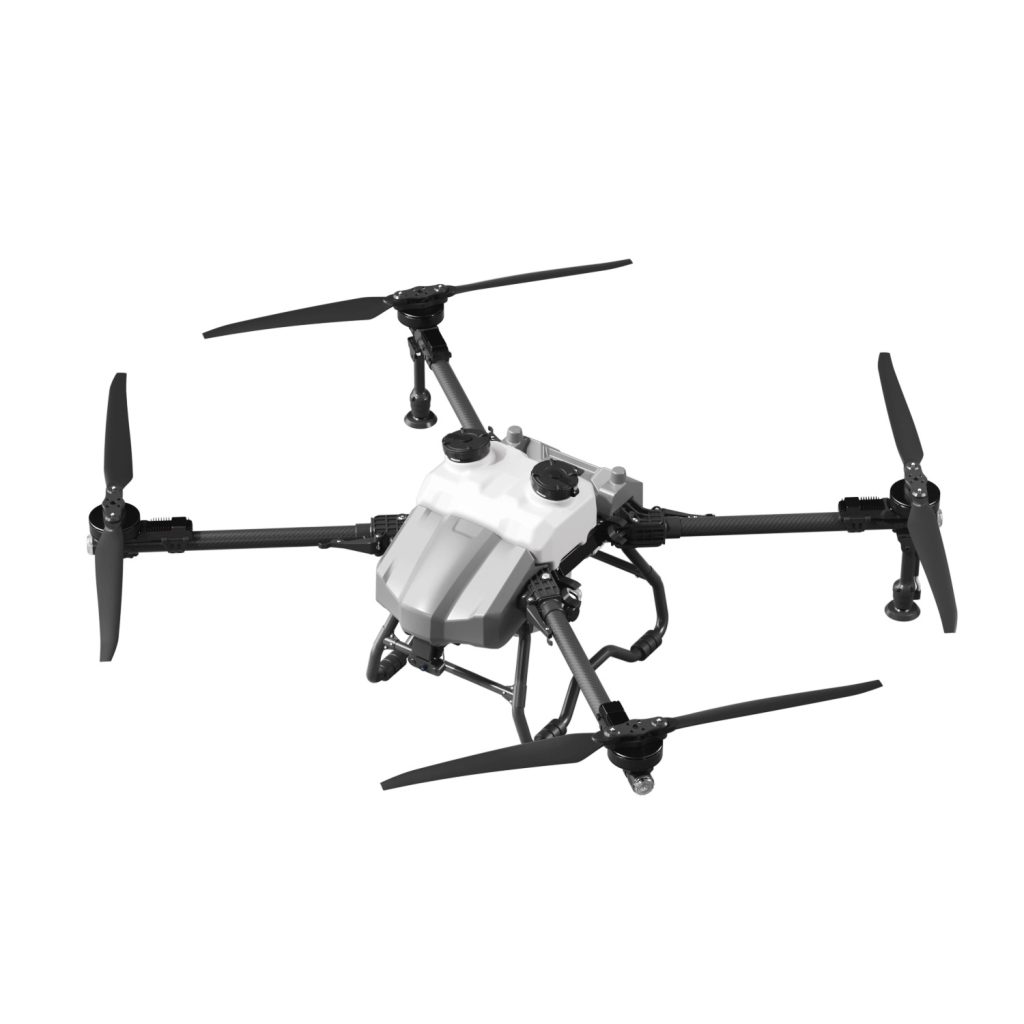

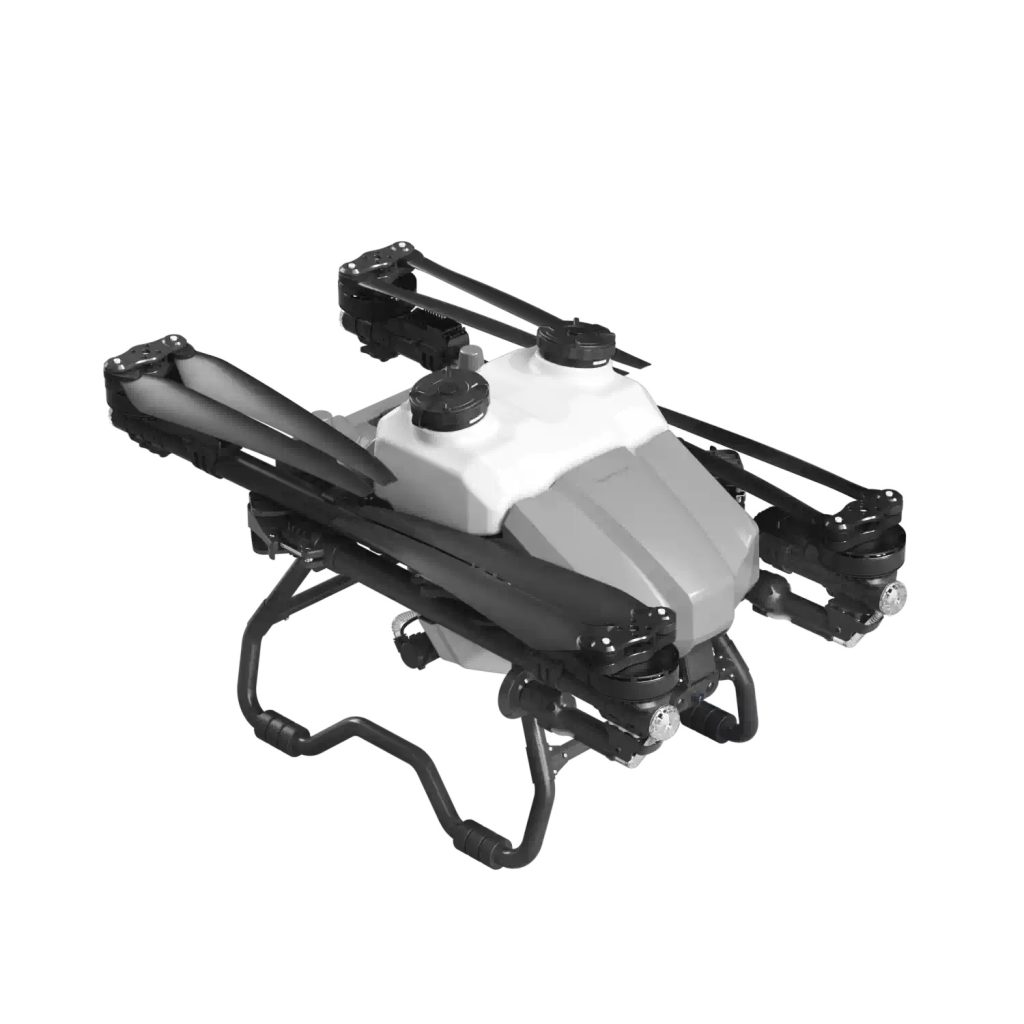
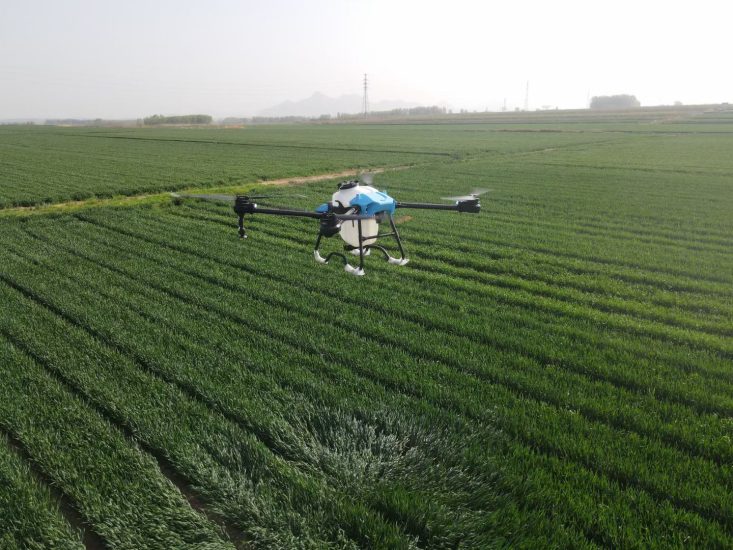
Importing agricultural drones from China can provide farmers, distributors, agricultural service providers, and equipment businesses with access to a wide range of products and configurations.
However, international buyers need to consider more than the product price. Product selection, battery transportation, export documents, shipping, customs clearance, local regulations, and after-sales support can all affect the success of an import order.
This guide explains the main steps global buyers should understand before importing agricultural drones from China.
1. Define Your Agricultural Drone Requirements
Before contacting a supplier, clearly define what type of agricultural drone you need.
Important information may include:
- Crop type
- Farm size
- Daily spraying area
- Required payload capacity
- Expected flight time
- Battery requirements
- Operating environment
- Order quantity
- Destination country
- OEM requirements
For example, a small farm may require a compact configuration, while a professional agricultural service provider may need a higher-capacity drone for continuous daily operations.
Clear requirements help suppliers provide more accurate product recommendations and quotations.
2. Choose the Right Agricultural Drone Configuration
Agricultural drones are available in different configurations.
Buyers may need to compare:
- Payload capacity
- Spraying system
- Flight time
- Battery capacity
- Charging system
- Flight control functions
- Obstacle detection
- Spare parts
The most expensive configuration is not always the best choice.
The right product should match the actual crops, farm size, terrain, and daily workload.
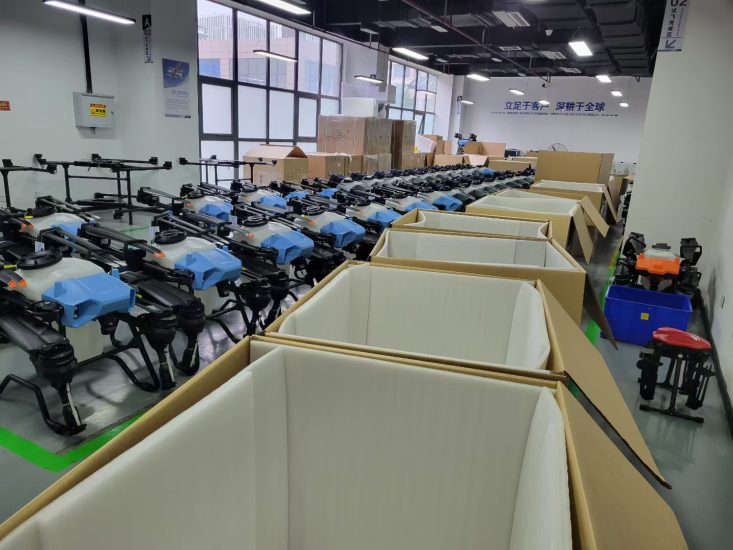
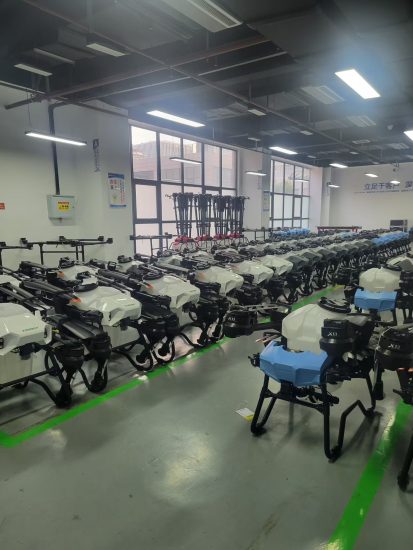
3. Find a Suitable Agricultural Drone Manufacturer
Before importing, buyers should evaluate the supplier carefully.
Important factors include:
- Product quality
- Production capability
- Technical support
- Spare-parts availability
- OEM services
- Delivery capability
- Export experience
Buyers can request:
- Product specifications
- Product videos
- Factory information
- Technical documents
- Warranty details
- Spare-parts information
For larger orders, buyers may also consider product testing or factory inspection before placing the order.
4. Confirm the Complete Product Configuration
Before requesting a final quotation, confirm exactly what is included.
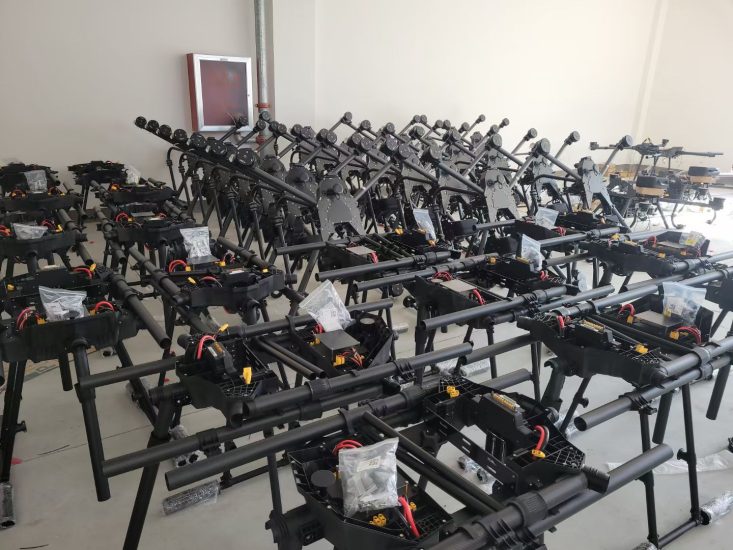
A complete agricultural drone package may include:
- Drone body
- Battery
- Charger
- Remote controller
- Spraying system
- Standard accessories
- Spare parts
Different suppliers may offer different configurations.
Therefore, buyers should compare quotations based on the complete package rather than comparing only the basic product price.
5. Ask About Batteries and Transportation
Many agricultural drones use high-capacity batteries.
International buyers should pay particular attention to battery transportation requirements.
Before ordering, ask about:
- Battery specifications
- Packaging
- Shipping requirements
- Available transportation methods
- Required documents
Battery transportation may require special handling depending on the shipping method and destination country.
A supplier with international export experience can help buyers better understand the available shipping arrangements.
6. Confirm Export Documents
Before shipment, buyers should confirm the required documents.
Depending on the destination and shipping method, documents may include:
- Commercial invoice
- Packing list
- Shipping documents
- Product specifications
- Battery information
- User manuals
Import requirements vary between countries.
Buyers should check the requirements of their local customs and aviation or agricultural authorities before placing a large order.
7. Check Local Import Regulations
Before importing an agricultural drone, check the regulations in your destination country.
Some countries may have requirements related to:
- Drone registration
- Operator certification
- Agricultural spraying
- Radio frequency equipment
- Importation
- Battery transportation
The rules can differ depending on the country and the intended use.
Buyers should confirm local requirements before arranging shipment.
8. Choose a Suitable Shipping Method
The shipping method can affect cost, delivery time, and documentation requirements.
Possible options may include:
- Air transportation
- Sea transportation
- Other international logistics solutions
The most suitable method depends on:
- Order quantity
- Destination
- Urgency
- Battery requirements
- Budget
For a small sample order, speed may be more important.
For a larger commercial order, buyers may focus more on total transportation cost.
9. Understand Customs Clearance and Import Costs
The product quotation may not include all destination-country costs.
Buyers should consider:
- International freight
- Customs clearance
- Import duties
- Local taxes
- Destination delivery
- Handling charges
The final landed cost may be higher than the original product price.
Before confirming the order, buyers should estimate the total cost from the supplier to the final destination.
10. Consider OEM and Private Label Requirements
Distributors may want to import agricultural drones under their own brand.
Possible OEM requirements include:
- Logo
- Packaging
- Product labels
- User manuals
- Language customization
- Product appearance
OEM projects may require additional preparation time.
Therefore, buyers should discuss customization requirements before confirming production.
11. Confirm the Production Lead Time
Before placing an order, ask about:
- Production time
- Customization time
- Testing time
- Packaging time
- Estimated shipping time
For standard products, the production schedule may be different from customized products.
If you have a specific delivery deadline, communicate it clearly before placing the order.
12. Prepare for Product Installation and Training
After receiving the agricultural drone, operators may need to learn:
- Assembly
- Battery installation
- Flight control
- Spraying settings
- Route planning
- Maintenance
Before purchasing, ask whether the supplier provides:
- User manuals
- Training videos
- Remote technical support
- Operating guidance
Proper training can help reduce operating errors.
13. Plan for Spare Parts and Maintenance
International buyers should consider spare parts before placing an order.
Common spare parts may include:
- Propellers
- Motors
- Pumps
- Nozzles
- Batteries
- Chargers
- Electronic components
Some buyers choose to purchase commonly used spare parts together with the initial order.
This can help reduce downtime and simplify future maintenance.
14. Check Warranty and After-Sales Support
Before importing, understand the warranty terms.
Ask:
- What parts are covered?
- How long is the warranty?
- What situations are excluded?
- How are technical problems handled?
- How can replacement parts be purchased?
Reliable after-sales support is especially important for overseas buyers.
15. Common Mistakes When Importing Agricultural Drones
Mistake 1: Choosing Only by Price
The cheapest quotation may not include the same configuration as a higher-priced quotation.
Always compare the complete product package.
Mistake 2: Ignoring Battery Transportation
High-capacity batteries may require specific shipping arrangements.
Confirm transportation requirements in advance.
Mistake 3: Failing to Check Local Regulations
The importation and operation of agricultural drones may be regulated in some countries.
Check local requirements before ordering.
Mistake 4: Not Preparing Spare Parts
Waiting for spare parts after a failure can cause unnecessary downtime.
Consider purchasing important replacement components in advance.
Mistake 5: Not Confirming the Final Landed Cost
Product price, freight, duties, taxes, and local delivery may all affect the final cost.
Calculate the complete cost before making a purchasing decision.
16. Importing Agricultural Drones from China: Step-by-Step Process
A typical import process may include:
Step 1: Define Your Requirements
Specify crop type, farm size, capacity, quantity, and destination.
Step 2: Find a Suitable Supplier
Evaluate product quality, production capability, and support.
Step 3: Request Product Information
Ask for specifications, configurations, and quotations.
Step 4: Confirm the Product
Choose the suitable model and accessories.
Step 5: Confirm the Order
Discuss quantity, payment, production time, and customization.
Step 6: Prepare Export Documents
Confirm the documents required for shipment.
Step 7: Arrange Transportation
Select a suitable shipping method.
Step 8: Complete Customs Clearance
Handle destination-country import procedures.
Step 9: Receive and Inspect the Products
Check the product and accessories after delivery.
Step 10: Begin Operation and Maintenance
Follow the operating instructions and maintenance recommendations.
Final Import Checklist
Before importing agricultural drones from China, check:
- [ ] Product configuration
- [ ] Payload capacity
- [ ] Battery requirements
- [ ] Charger
- [ ] Spare parts
- [ ] Product documents
- [ ] Shipping method
- [ ] Customs requirements
- [ ] Import duties and taxes
- [ ] Local regulations
- [ ] Production time
- [ ] Warranty
- [ ] Technical support
Request an Agricultural Drone Import Quotation
Importing agricultural drones from China requires careful planning.
The most important steps are choosing the right configuration, confirming the supplier, checking battery transportation requirements, preparing the correct documents, understanding import costs, and arranging suitable after-sales support.
If you are planning to import agricultural drones for farming, distribution, or commercial agricultural services, provide the following information when making an inquiry:
- Destination country
- Required drone capacity
- Estimated quantity
- Crop type
- Intended application
- OEM requirements
This information can help the supplier provide a suitable product configuration and quotation.
Request agricultural drone product information, export support, and an international quotation for your market.


No comments yet