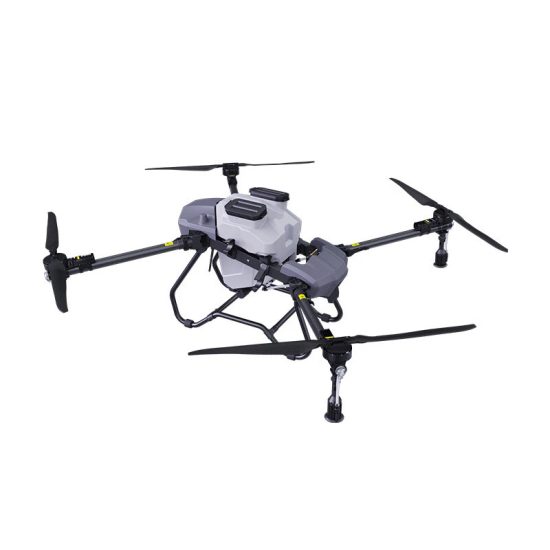


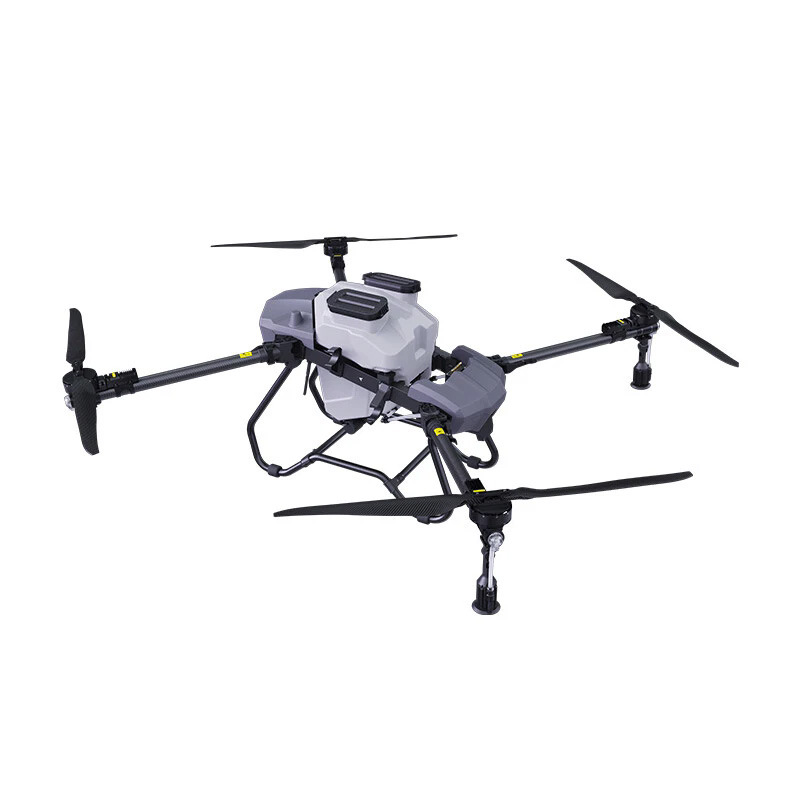

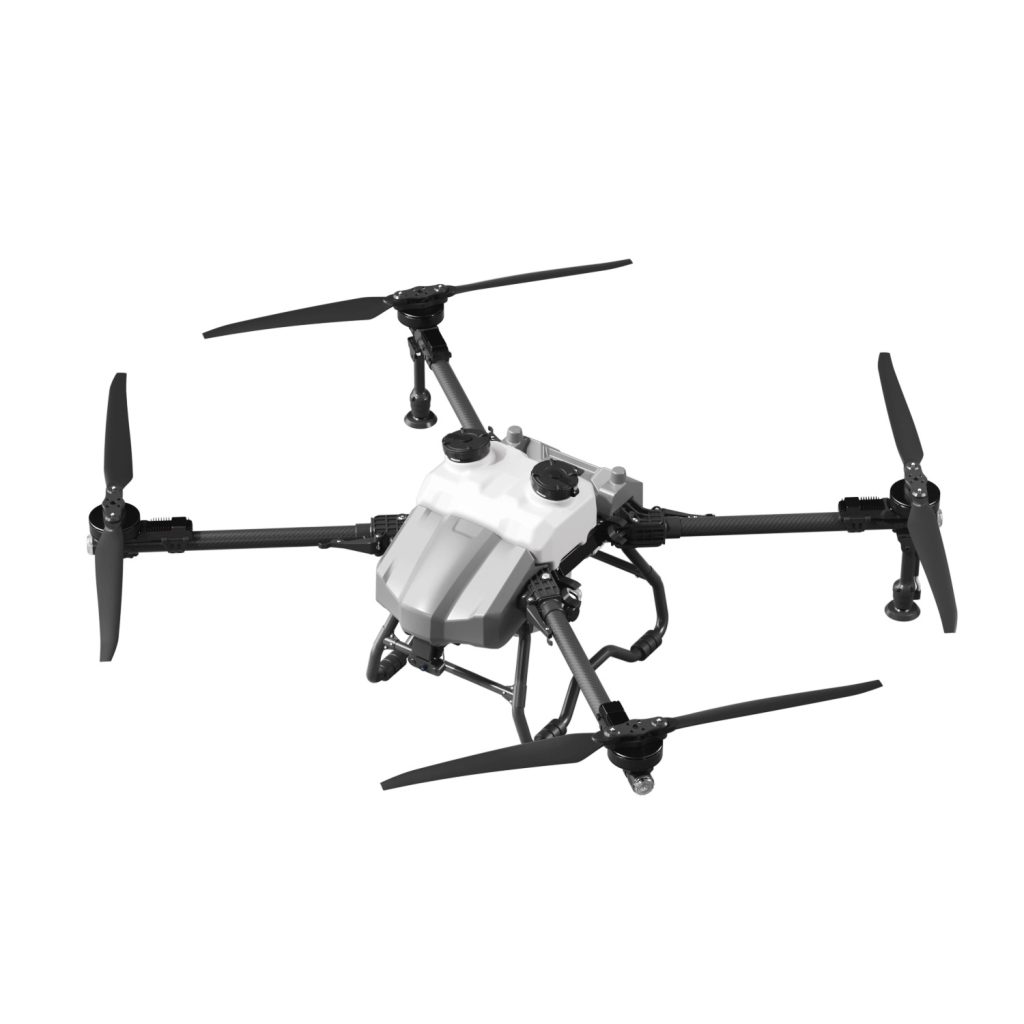
Large-scale farming is rapidly shifting toward precision agriculture, and drones have become one of the most important tools in modern crop management. However, choosing the right farming drone is not always easy. Different models vary in payload capacity, battery life, spraying efficiency, and smart control systems.
This guide will help you understand how to choose the best farming drone for large-scale agriculture so you can improve productivity, reduce costs, and make a smarter investment decision.
Why Farming Drones Are Important for Large Farms
For large-scale agriculture, traditional spraying methods are often slow, expensive, and inefficient. Farming drones solve these problems by:
- Covering large areas quickly
- Reducing labor costs
- Improving spraying accuracy
- Minimizing chemical waste
- Increasing crop yield efficiency
They are especially useful for rice fields, wheat farms, corn plantations, and orchards with uneven terrain.
Key Factors to Consider When Choosing a Farming Drone
1. Payload Capacity (Very Important)
Payload refers to how much liquid or fertilizer the drone can carry.
- Small farms: 10–20L capacity
- Medium farms: 20–30L capacity
- Large-scale farms: 30–50L+ capacity
👉 For large-scale agriculture, higher payload capacity reduces refill frequency and improves efficiency.
2. Battery Life and Flight Time
Battery performance directly affects work efficiency.
Look for:
- Long flight time per battery (10–25 minutes per flight)
- Fast battery swapping system
- High-cycle lithium batteries
Longer flight time = fewer interruptions in field operations.
3. Spraying System Efficiency
A good agricultural drone should have:
- Adjustable nozzle system
- Even droplet distribution
- Strong wind resistance spraying
- Precise flow control
This ensures chemicals are applied evenly across crops.
4. GPS and Smart Navigation System
Modern farming drones rely on intelligent flight control systems.
Important features include:
- RTK high-precision GPS
- Auto flight path planning
- Obstacle avoidance system
- Terrain following mode
These features are essential for large and complex farmlands.
5. Durability and Weather Resistance
Agricultural drones must operate in tough environments.
Check for:
- Waterproof and dustproof design
- Heat-resistant materials
- Strong frame structure
Durability ensures long-term return on investment.
Types of Farming Drones for Large-Scale Agriculture
1. Spraying Drones
Used for pesticide and fertilizer spraying. Most common type.
2. Spreading Drones
Used for seed and granular fertilizer spreading.
3. Mapping Drones
Used for crop monitoring and field analysis.
4. Multi-Function Drones
Combine spraying, spreading, and mapping functions.
OEM Farming Drone Option for Business Buyers
If you are a distributor or brand owner, OEM/ODM farming drones are highly recommended.
You can customize:
- Logo branding
- Color and design
- Software system
- Tank size and battery configuration
This helps you build your own drone brand in your local market.
Cost Considerations for Farming Drones
The price of farming drones depends on:
- Payload size
- Technology level
- GPS system (standard vs RTK)
- Brand and manufacturer
Generally:
- Entry-level drones: lower cost, basic functions
- Professional drones: higher cost, advanced automation
- Industrial drones: highest cost, full smart farming systems
Common Mistakes to Avoid When Buying Farming Drones
- Choosing low-quality batteries
- Ignoring after-sales support
- Buying without OEM upgrade options
- Overlooking spare parts availability
- Selecting wrong payload size for farm scale
Avoiding these mistakes can save significant long-term costs.
FAQ (Frequently Asked Questions)
Q1: What is the best drone size for large farms?
For large-scale agriculture, 30–50L payload drones are usually the most efficient choice.
Q2: Can farming drones work in windy conditions?
Yes, but performance depends on wind resistance design and flight stability system.
Q3: Do I need training to operate agricultural drones?
Yes. Most manufacturers provide training for safe and efficient operation.
Q4: How long does an agricultural drone last?
Typically 3–5 years with proper maintenance and battery care.
Choosing the right farming drone for large-scale agriculture depends on payload capacity, smart navigation, battery performance, and durability. For commercial buyers, working with a reliable OEM manufacturer can also help reduce cost and build a strong brand advantage.
With the right drone system, large farms can significantly increase efficiency and move toward fully automated precision agriculture.







No comments yet