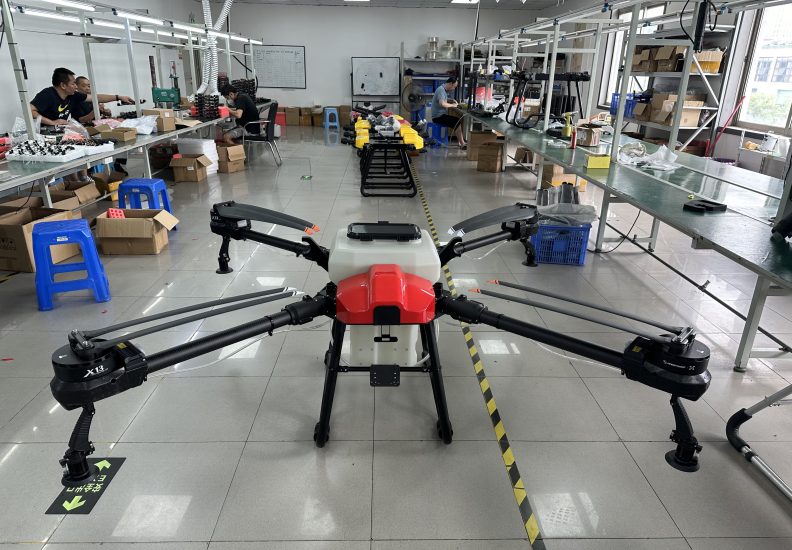


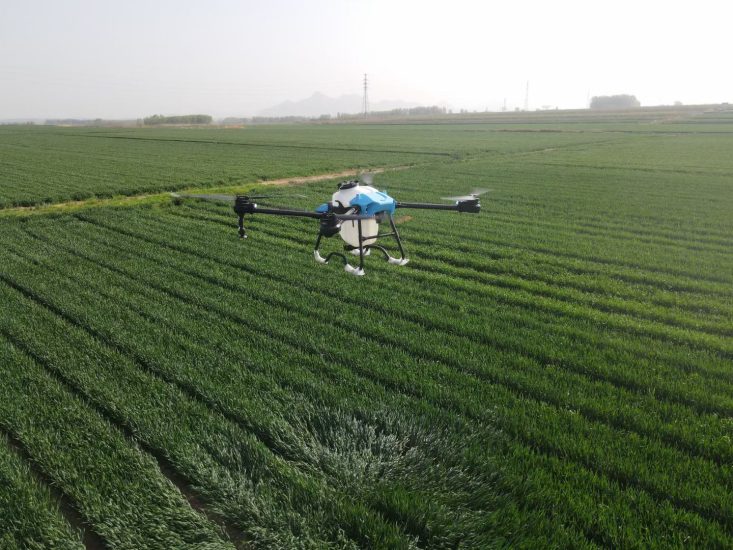
Agricultural drones have become an essential tool for modern farming. They improve spraying efficiency, reduce labor costs, minimize chemical waste, and help farmers achieve more uniform crop protection. As global demand for precision agriculture continues to grow, China has become the world’s largest manufacturing hub for crop spraying drones, supplying distributors, agricultural service companies, government projects, and commercial farms across Asia, Africa, Europe, South America, and the Middle East.
However, not all suppliers offer the same level of quality, technical expertise, or after-sales support. Choosing the right China crop spraying drone supplier is critical for ensuring long-term business success.
This guide explains the key factors international buyers should evaluate before selecting a supplier.
Why Choose a China Crop Spraying Drone Supplier?
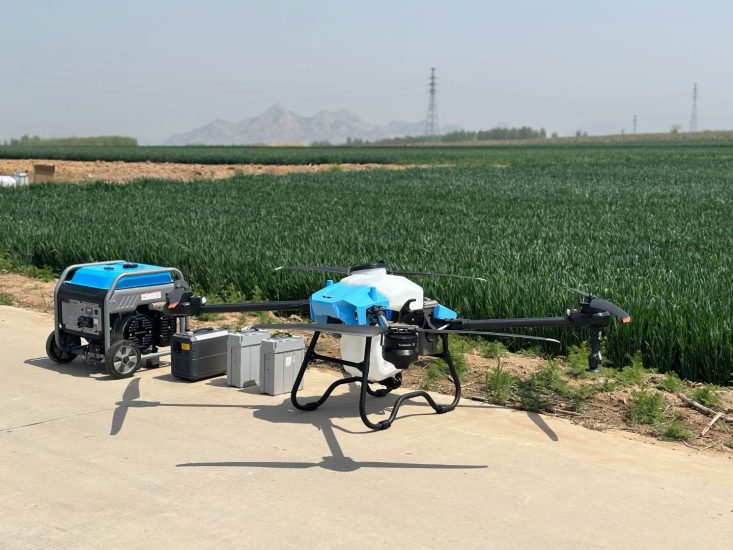
Chinese manufacturers have invested heavily in agricultural UAV technology over the past decade. Many factories now offer complete drone solutions rather than simply selling aircraft.
Advantages include:
-
Competitive factory-direct pricing
-
Mature manufacturing supply chain
-
Large production capacity
-
Continuous product innovation
-
OEM and ODM customization
-
Global shipping experience
-
CE, FCC and other international certifications
-
Complete spare parts supply
-
Professional technical support
Many suppliers also provide software updates, flight training, maintenance manuals, and remote troubleshooting.
Understand Your Agricultural Needs First
Before contacting suppliers, define your project requirements.
Consider the following:
Crops
Different crops require different spraying solutions.
Examples include:
-
Rice
-
Wheat
-
Corn
-
Cotton
-
Sugarcane
-
Coffee
-
Tea
-
Vineyards
-
Citrus
-
Apple orchards
-
Oil palm
-
Banana plantations
Farm Size
Farm size determines the appropriate drone capacity.
Farm Size |
Recommended Drone |
|---|---|
Small farms |
10L–20L |
Medium farms |
20L–30L |
Large farms |
40L–50L |
Commercial operations |
50L–70L |
Larger tanks reduce refill frequency and improve productivity.
Terrain
Consider whether operations will take place in:
-
Flat farmland
-
Hills
-
Mountain areas
-
Orchards
-
Forest plantations
-
Terraced fields
Obstacle avoidance and terrain-following radar become increasingly important in complex environments.
Key Features to Evaluate
Payload Capacity
Popular payload options include:
-
20L
-
30L
-
40L
-
50L
-
70L
Higher payloads improve efficiency but also require larger batteries and more powerful motors.
Flight Control System
A professional agricultural drone should include:
-
GPS
-
RTK positioning
-
Automatic route planning
-
Return-to-home
-
Terrain following
-
Intelligent waypoint flight
-
Automatic obstacle avoidance
Stable flight control reduces operational risk.
Spraying System
Check:
-
Pump type
-
Flow rate
-
Nozzle quality
-
Spray width
-
Atomization performance
-
Anti-drip design
Uniform droplet distribution improves pesticide utilization and crop coverage.
Battery Technology
Modern agricultural drones generally use intelligent lithium batteries.
Look for:
-
Fast charging
-
High-capacity batteries
-
Battery health monitoring
-
Multiple charging options
-
Long cycle life
-
Safety protection systems
Efficient battery management reduces downtime.
Frame Material
A durable frame extends service life.
Common materials include:
-
Aviation aluminum
-
Carbon fiber
-
Engineering plastics
The frame should resist corrosion from agricultural chemicals.
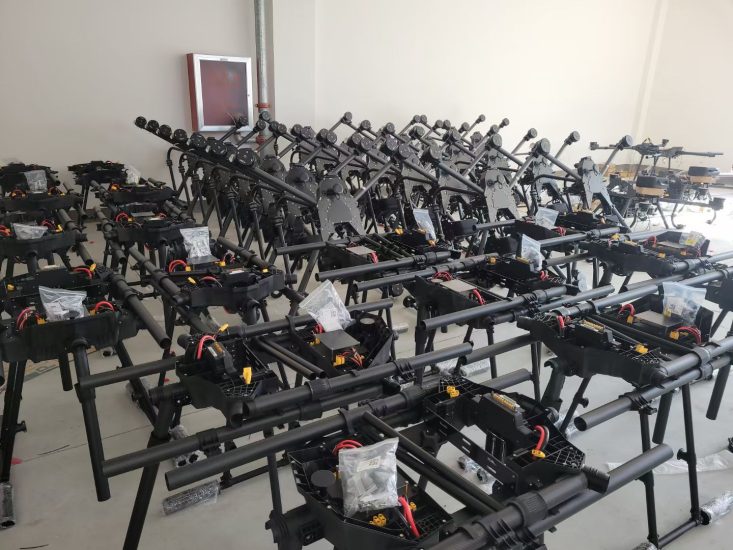
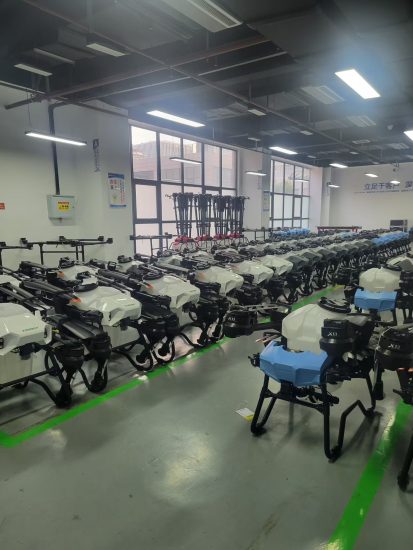
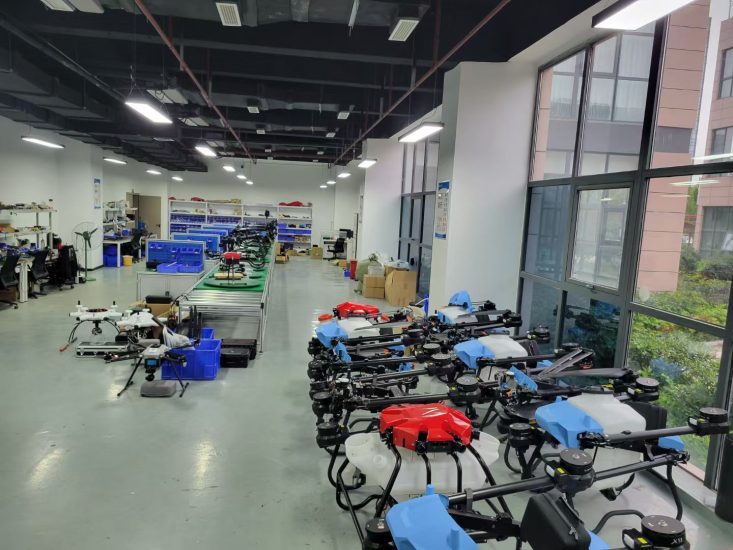
Verify Factory Manufacturing Capability
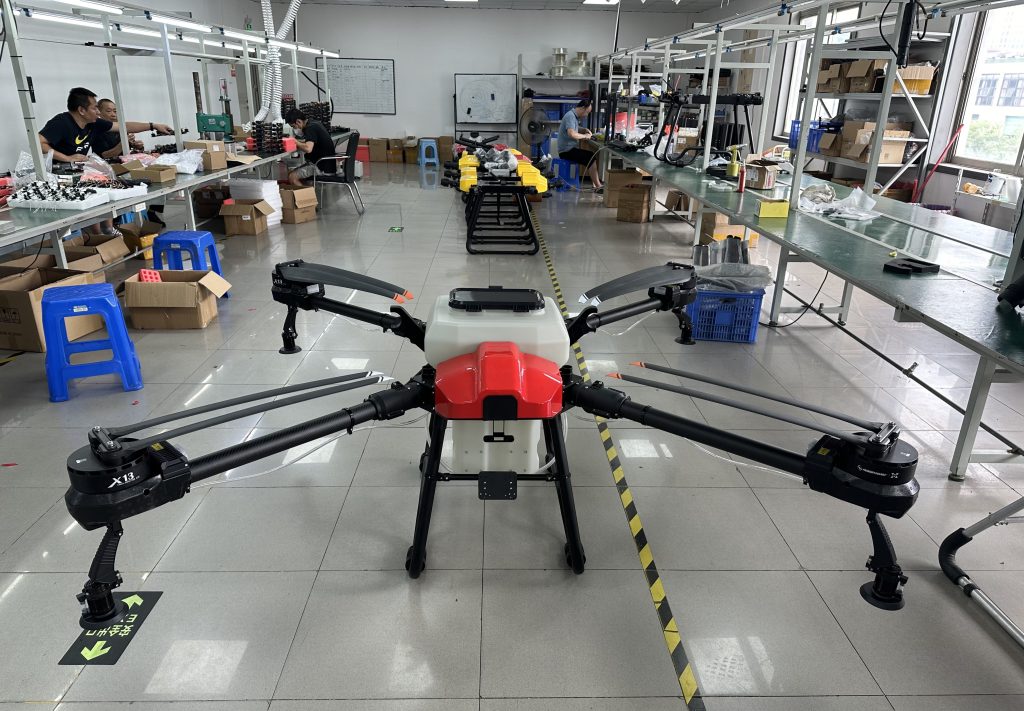
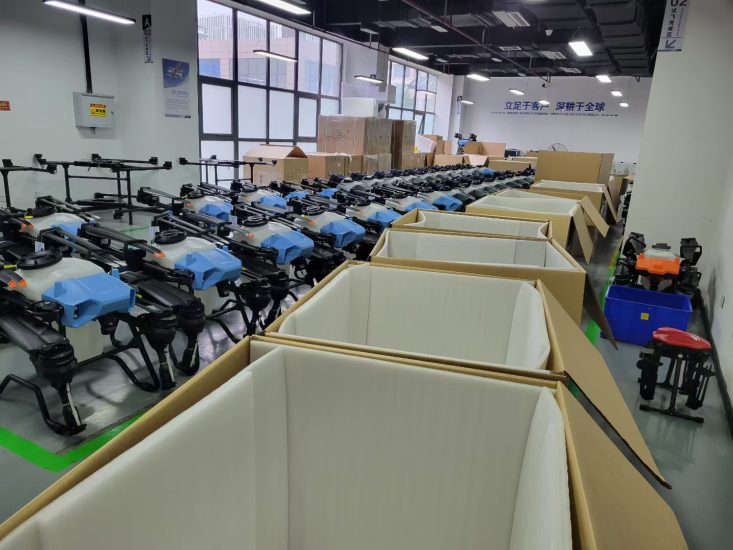
A reliable supplier should have its own production facilities.
Ask about:
-
Factory size
-
Number of employees
-
Production lines
-
Monthly production capacity
-
Quality inspection process
-
Assembly procedures
-
Testing standards
Factories with complete production management generally offer more consistent product quality.
Check Certifications
International certifications demonstrate product compliance.
Common certifications include:
-
CE
-
FCC
-
RoHS
-
ISO 9001
-
UN38.3 (battery transport)
-
MSDS (battery documentation)
Some countries may require additional local approvals before import.
Evaluate Research and Development Strength
Strong R&D capability indicates long-term competitiveness.
Ask suppliers about:
-
Engineering team size
-
Software development
-
Firmware updates
-
New product releases
-
Patent portfolio
Manufacturers investing in innovation usually provide better long-term support.
OEM and ODM Services
Many international distributors require customized products.
Typical customization includes:
-
Company logo
-
Product color
-
Packaging
-
User manuals
-
Software interface
-
Remote controller branding
OEM services help distributors build their own brand.
Spare Parts Availability
Agricultural drones operate in demanding environments.
Ensure the supplier stocks:
-
Motors
-
ESCs
-
Propellers
-
Pumps
-
Nozzles
-
Radar modules
-
Flight controllers
-
Landing gear
-
Batteries
-
Chargers
Quick spare parts supply minimizes downtime.
Technical Support
After-sales service is just as important as the product itself.
Reliable suppliers typically provide:
-
Installation guidance
-
Flight training
-
Maintenance manuals
-
Video tutorials
-
Online technical support
-
Remote diagnostics
-
Firmware upgrades
Fast technical assistance helps customers resolve issues quickly.
Shipping and Export Experience
Choose suppliers familiar with international logistics.
Important considerations include:
-
Export packaging
-
Battery shipping regulations
-
Air freight
-
Sea freight
-
Customs documentation
-
Commercial invoice
-
Packing list
-
Certificate of Origin
Experienced exporters reduce shipping delays.
Questions to Ask Before Ordering
Before making a purchase, ask:
-
Are you the manufacturer or a trading company?
-
How many years have you produced agricultural drones?
-
What certifications do your products have?
-
What is your warranty policy?
-
Do you provide spare parts?
-
Can you offer OEM services?
-
What is your production lead time?
-
Can you provide customer references?
-
What training is included?
-
Which countries have you exported to?
Common Mistakes Buyers Should Avoid
Many buyers focus only on price.
Avoid these mistakes:
-
Choosing the lowest quotation
-
Ignoring after-sales service
-
Failing to verify certifications
-
Not testing sample units
-
Overlooking spare parts availability
-
Buying from inexperienced exporters
A slightly higher initial investment often results in lower operating costs over time.
Future Trends in Agricultural Spraying Drones
The industry continues to evolve with new technologies.
Future developments include:
-
AI-assisted flight
-
Precision variable-rate spraying
-
Multi-sensor integration
-
Cloud fleet management
-
Autonomous operation
-
RTK centimeter-level navigation
-
Improved battery efficiency
-
Smart farm ecosystem integration
These innovations will further increase productivity and reduce input costs.
Conclusion
Choosing a reliable China crop spraying drone supplier involves much more than comparing prices. Buyers should evaluate manufacturing capability, certifications, product quality, technical support, spare parts availability, export experience, and long-term partnership potential.
A dependable supplier can provide high-performance agricultural drones, comprehensive training, reliable after-sales service, and customized OEM solutions that support your business growth. By carefully assessing these factors before placing an order, distributors and commercial growers can build a successful and sustainable partnership with a trusted Chinese manufacturer.
FAQ
1. Why are crop spraying drones from China popular?
China offers advanced agricultural drone technology, competitive pricing, strong manufacturing capacity, and comprehensive OEM services.
2. Which drone payload is best?
It depends on farm size. Small farms typically use 20L models, while large commercial operations often choose 40L–70L drones.
3. Can Chinese suppliers provide OEM branding?
Yes. Many manufacturers offer customized logos, packaging, manuals, software interfaces, and product colors.
4. What certifications should I check?
Look for CE, FCC, RoHS, ISO 9001, UN38.3, and other certifications required by your country’s regulations.
5. How long is the production lead time?
Standard orders are typically completed within 7–30 days, depending on model availability, customization requirements, and order quantity.
6. What warranty is usually provided?
Most professional manufacturers provide a warranty covering major components, along with technical support and spare parts availability. Always confirm the warranty terms before placing an order.
THE END


No comments yet