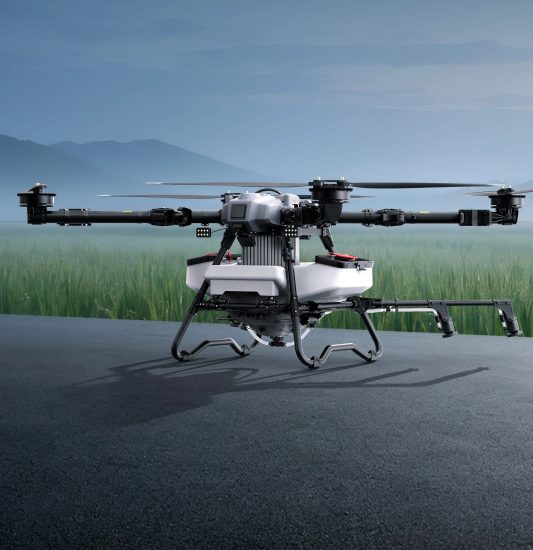


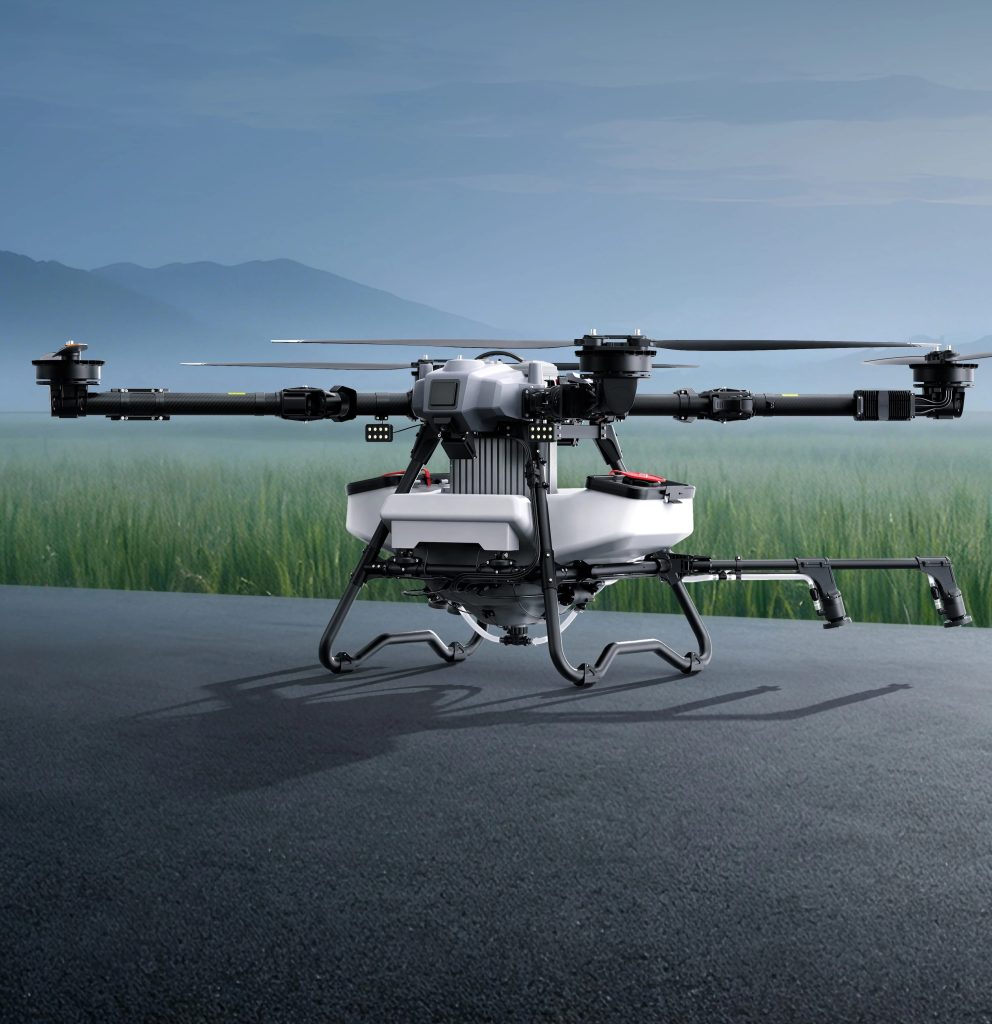
Orchard spraying drones are becoming an important tool for fruit growers who want to reduce manual labor and improve spraying efficiency. However, one of the first questions buyers usually ask is:
How much does an orchard spraying drone cost?
The answer depends on tank capacity, flight performance, spraying technology, batteries, sensors, charger configuration, and whether the buyer needs a standard model or a customized professional system.
In this guide, we explain the typical price range and the costs buyers should consider before purchasing.
1. Orchard Spraying Drone Price Range
As a general purchasing reference, agricultural spraying drones can fall into the following price ranges:
Tank Capacity |
Indicative Price Range |
|---|---|
5–10 L |
US$2,000–5,000 |
10–16 L |
US$3,500–7,000 |
16–25 L |
US$5,000–10,000 |
25–40 L |
US$8,000–15,000+ |
40 L+ / Professional Systems |
US$12,000–25,000+ |
These figures are indicative budget ranges, not fixed quotations.
The actual factory price can be higher or lower depending on the manufacturer, configuration, battery quantity, charger, remote controller, spraying system, sensors, spare parts, OEM requirements, shipping terms, taxes, and certifications.
For international buyers, the final landed cost can also include freight, customs duties, and local taxes.
2. Why Do Orchard Spraying Drones Have Such Different Prices?
Two drones may look similar but have significantly different prices.
The difference can come from:
-
Tank capacity
-
Flight-control system
-
Motor and propeller configuration
-
Battery technology
-
Number of batteries
-
Charging system
-
Pump performance
-
Nozzle configuration
-
Positioning system
-
Obstacle sensing
-
Terrain-following technology
-
Remote controller
-
Software
-
Spare parts
-
After-sales service
Therefore, comparing drones based only on the advertised price can be misleading.
3. How Much Does a Small Orchard Spraying Drone Cost?
A 5–10 L spraying drone may cost approximately:
US$2,000–5,000
This type of drone can be suitable for:
-
Small fruit farms
-
Family orchards
-
Small agricultural contractors
-
Narrow orchard rows
-
Difficult terrain
-
Trial operations
The biggest advantage is flexibility.
A smaller aircraft can be easier to transport and maneuver around trees.
The main disadvantage is that the tank needs to be refilled more frequently.
4. How Much Does a 10–16 L Drone Cost?
A 10–16 L model may typically fall around:
US$3,500–7,000
This capacity can provide a good balance between:
-
Payload
-
Maneuverability
-
Battery consumption
-
Purchase price
-
Daily productivity
For many small and medium-sized commercial orchards, this can be a practical category to consider.
5. How Much Does a 16–25 L Drone Cost?
A 16–25 L agricultural drone may cost approximately:
US$5,000–10,000
This class is often more appropriate for commercial operations where the operator wants to reduce refilling frequency.
Potential applications include:
-
Apple orchards
-
Citrus orchards
-
Mango orchards
-
Avocado orchards
-
Pear orchards
-
Peach orchards
-
Other commercial fruit farms
The actual suitability depends on the tree structure, terrain, row spacing, and spraying requirements.
6. How Much Does a 25–40 L Drone Cost?
Large agricultural spraying drones can cost approximately:
US$8,000–15,000 or more
They are generally more suitable for:
-
Large commercial farms
-
Agricultural service providers
-
Professional spraying contractors
-
Large orchard operations
The advantage is greater liquid capacity.
The operator can potentially cover more area between refills.
However, the larger aircraft may also require:
-
More powerful batteries
-
More charging capacity
-
Greater transportation capability
-
More maintenance
-
Higher initial investment
7. Why Are Batteries So Important?
Some buyers focus on the drone price but forget the battery system.
Agricultural spraying drones consume substantial energy because they must carry both the aircraft and liquid payload.
A professional setup may require multiple batteries.
For example:
Battery A → flying
Battery B → charging
Battery C → ready
This can significantly improve operational continuity.
When requesting a quotation, ask:
-
How many batteries are included?
-
What is the battery capacity?
-
What is the expected cycle life?
-
How long does charging take?
-
What is the replacement battery price?
8. Is the Charger Included?
Not every quotation has the same configuration.
Some suppliers may quote the drone body only, while others provide a complete operating package.
A complete quotation should clearly specify whether it includes:
-
Drone
-
Remote controller
-
Flight battery
-
Charger
-
Spraying system
-
Nozzles
-
Spare propellers
-
Spare pumps
-
Tools
-
Carrying cases
-
Other accessories
This is particularly important when comparing prices from different manufacturers.
9. What About Obstacle Avoidance and Terrain Following?
Advanced features can increase the equipment price.
For orchard applications, buyers may consider:
Obstacle Sensing
Useful for detecting potential hazards such as branches, poles, or other obstacles.
Terrain Following
Useful for orchards located on slopes or uneven terrain.
Automatic Route Planning
Can help the drone follow predefined orchard routes.
Accurate Positioning
Helps maintain consistent flight paths.
These features can provide practical value, but buyers should ask manufacturers for actual performance data instead of judging a system solely by the feature name.
10. OEM and Customized Orchard Spraying Drones
Some buyers are not looking for a standard agricultural drone.
They may need:
-
Custom branding
-
Customized color
-
Private labeling
-
Different tank capacity
-
Customized remote controller
-
Customized software
-
Special battery configuration
-
Customized packaging
OEM and private-label requirements can increase the total cost.
For large orders, however, manufacturers may provide different pricing depending on:
-
Order quantity
-
Customization level
-
Component selection
-
Packaging requirements
-
Certification requirements
Buyers should request a detailed OEM quotation rather than assuming that customization is included in the standard price.
11. Shipping Costs Should Also Be Considered
The factory price is not necessarily the final cost.
International buyers may need to pay for:
-
Export packaging
-
International freight
-
Customs clearance
-
Import duties
-
Local taxes
-
Local delivery
If the drone uses lithium batteries, transportation can require additional documentation and handling procedures.
Therefore, buyers should calculate the total landed cost.
For example:
Drone price + accessories + batteries + shipping + customs + taxes = total landed cost
12. How Much Does It Cost to Operate an Orchard Drone?
The purchase price is only part of the investment.
Operating expenses can include:
-
Electricity
-
Battery replacement
-
Maintenance
-
Spare parts
-
Operator labor
-
Transportation
-
Nozzles
-
Pumps
-
Equipment depreciation
A drone with a low purchase price may not necessarily have the lowest long-term operating cost.
13. Calculate Cost Per Acre
One of the best ways to compare drones is to calculate the estimated cost per acre or hectare.
For example, suppose:
-
Equipment investment: US$8,000
-
Annual operating and maintenance costs: US$3,000
-
Annual spraying area: 2,000 acres
The farm should calculate the equipment depreciation and annual operating costs over the expected service life.
The objective is to determine:
Total annual drone cost ÷ annual spraying area = estimated cost per acre
This provides a more meaningful comparison than simply looking at the purchase price.
14. Should You Buy the Cheapest Drone?
Not necessarily.
A low-priced drone may have:
-
Fewer batteries
-
Basic positioning
-
Limited sensors
-
Lower pump capacity
-
Fewer spare parts
-
Less software functionality
-
Limited after-sales support
For a small farm, a basic model may be completely adequate.
For a commercial spraying business, reliability and productivity may be more important than the lowest initial price.
A better question is:
What is the total cost of ownership?
15. What Questions Should You Ask the Supplier?
Before buying, ask the manufacturer for:
-
Complete drone price
-
Tank capacity
-
Actual spraying flight time
-
Battery quantity
-
Battery price
-
Charger price
-
Spray width
-
Pump flow rate
-
Nozzle specifications
-
Obstacle-sensing configuration
-
Terrain-following capability
-
Spare-parts list
-
Warranty period
-
Training and technical support
-
OEM customization options
-
Export packaging
-
Shipping weight and dimensions
-
Recommended maintenance schedule
-
Real orchard field-test data
-
Complete quotation based on your destination
FAQ
What is the cheapest orchard spraying drone?
Small 5–10 L agricultural spraying drones may start around US$2,000–5,000, depending on configuration and supplier.
How much does a 20 L orchard spraying drone cost?
A 16–25 L system may generally fall within approximately US$5,000–10,000, although actual prices depend on configuration.
How much does a 40 L spraying drone cost?
A 25–40 L professional system may cost approximately US$8,000–15,000+, with advanced or customized systems potentially costing more.
Does the price include batteries?
Not necessarily. Buyers should confirm exactly how many batteries, chargers, and accessories are included in the quotation.
Are batteries expensive?
Agricultural drone batteries can represent a significant portion of the total equipment cost because high-capacity batteries are required to carry the aircraft and liquid payload.
Can I buy an OEM orchard spraying drone?
Yes, some manufacturers provide OEM and private-label solutions. The final price depends on order quantity and customization requirements.
What is more important than price?
For commercial applications, consider reliability, actual spraying efficiency, battery performance, spare-parts availability, software, safety features, and after-sales support, not just the initial purchase price.
Conclusion
The price of an orchard spraying drone can range from approximately US$2,000 for a small system to more than US$25,000 for advanced professional or customized equipment.
The right choice depends on your:
-
Orchard size
-
Fruit tree type
-
Terrain
-
Canopy density
-
Daily spraying area
-
Required payload
-
Budget
-
Labor costs
Before placing an order, request a complete configuration and quotation that includes the drone, batteries, charger, spraying system, accessories, warranty, and shipping requirements.
Most importantly, compare the total cost of ownership and cost per acre, not simply the initial purchase price. A slightly more expensive drone can provide better long-term value if it offers higher productivity, better reliability, and lower operating costs.
THE END







No comments yet