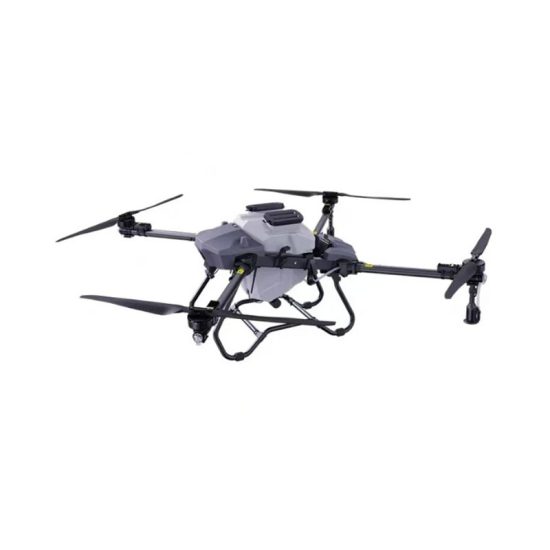


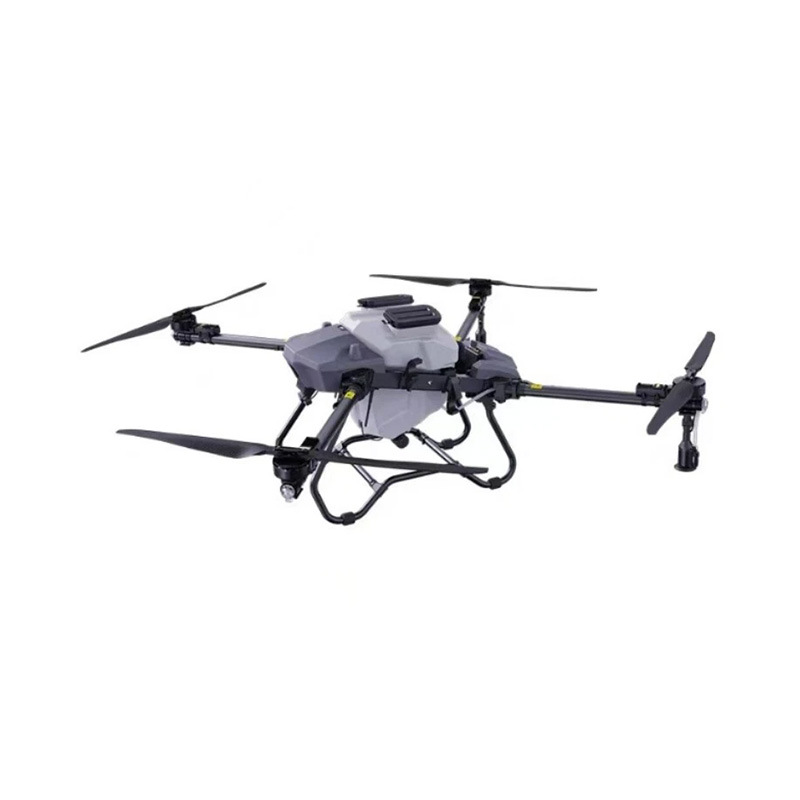
The price of an agricultural spraying drone is one of the first questions asked by farmers, agricultural service providers, distributors, and importers. However, the actual cost of an agricultural drone depends on much more than the drone itself.
Payload capacity, battery configuration, spraying technology, intelligent flight functions, accessories, spare parts, customization, and shipping requirements can all affect the final purchase cost.
This guide explains the main factors that determine agricultural spraying drone prices and what buyers should consider before requesting a quotation.
1. What Is the Typical Price of an Agricultural Spraying Drone?
Agricultural spraying drones are available in different configurations and price levels.
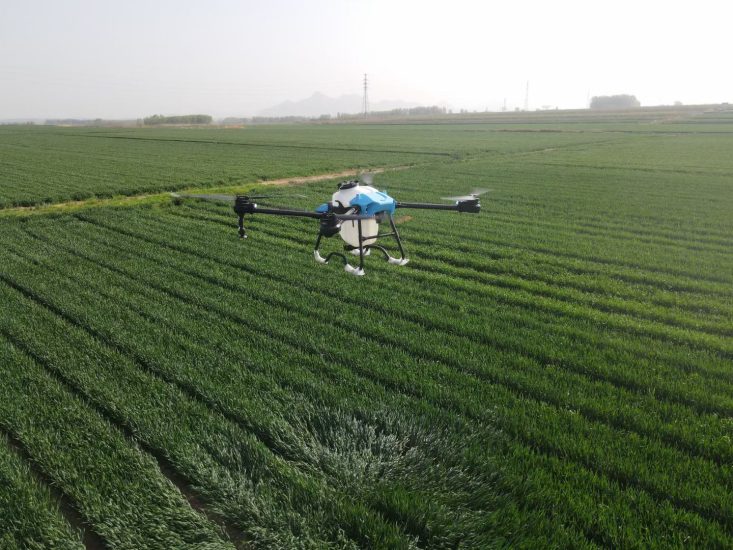
A basic agricultural drone may be suitable for smaller farms and simple spraying operations. More advanced models may offer larger payload capacity, longer operating time, intelligent route planning, obstacle detection, terrain-following functions, and more efficient spraying systems.
The final price may depend on:
- Payload capacity
- Drone configuration
- Battery quantity
- Charger type
- Remote controller
- Spraying system
- Intelligent functions
- Accessories
- Spare parts
- Customization requirements
- Order quantity
Because of these differences, it is usually difficult to provide one fixed price for every buyer.
A better approach is to choose the correct configuration based on the actual application and then request a detailed quotation.
2. Payload Capacity Has a Major Impact on Price
Payload capacity is one of the most important factors affecting the price of an agricultural spraying drone.
A smaller-capacity drone generally requires less power and may have a lighter structure. A larger-capacity model may require:
- More powerful motors
- Larger propellers
- A stronger frame
- Higher-capacity batteries
- More powerful pumps
- A larger spraying system
As a result, a higher-capacity agricultural drone may have a higher purchase cost.
However, a larger drone may also improve working efficiency by reducing the number of refilling operations.
Buyers should not simply choose the cheapest model. The better question is:
Which payload capacity provides the best balance between purchase cost and working efficiency for my operation?
3. Battery and Charger Costs Should Be Included
The drone itself is only part of the complete system.
Agricultural drone buyers should also consider the cost of:
- Flight batteries
- Intelligent batteries
- Fast chargers
- Charging equipment
- Battery storage accessories
Battery quantity is especially important for professional users.
If the drone is used continuously throughout the day, one battery may not be enough. Additional batteries can help maintain continuous operation while other batteries are being charged.
The total battery investment can therefore have a significant impact on the final purchase cost.
Before ordering, ask whether the quotation includes:
- Drone
- Battery
- Charger
- Remote controller
- Spraying components
- Standard accessories
This helps avoid unexpected additional costs.
4. Spraying System Design Can Affect the Price
Different agricultural drones may use different spraying systems.
The total cost can be affected by:
- Pump type
- Number of spray nozzles
- Spray flow rate
- Spray width
- Droplet adjustment
- Automatic flow control
A basic spraying system may be suitable for standard applications.
More advanced systems may provide better control over spraying volume and operating parameters.
The right choice depends on the crops and application requirements.
For example, a drone used for large-area field crops may have different spraying requirements from one used in orchards or complex terrain.
5. Intelligent Features Can Increase the Overall Cost
Modern agricultural drones may include intelligent functions that improve ease of operation and efficiency.
These may include:
- Automatic route planning
- Field mapping
- Obstacle detection
- Terrain following
- Automatic return
- Flight path recording
- Automatic spraying control
These functions can help operators work more efficiently.
However, buyers should evaluate whether they actually need all available functions.
A professional agricultural service provider may benefit from advanced automation, while a small farm may prefer a simpler and more cost-effective configuration.
The best solution is to pay for functions that provide real value to your operation.
6. Accessories and Spare Parts Also Affect the Total Investment
When comparing agricultural drone prices, buyers should not focus only on the main unit.
Additional components may include:
- Spare propellers
- Extra spray nozzles
- Pumps
- Motors
- Landing components
- Batteries
- Chargers
- Protective parts
Some buyers choose to purchase spare parts together with the initial order.
This can be useful for remote agricultural areas where obtaining replacement components may take longer.
A complete quotation should clearly explain which accessories are included and which items are optional.
7. OEM and Private Label Requirements May Change the Price
Distributors and agricultural equipment companies may require customized products.
Common customization requirements include:
- Logo printing
- Custom packaging
- Product color
- User manuals
- Product labels
- Software language
- Customized accessories
The cost of customization may depend on:
- Order quantity
- Customization complexity
- Packaging requirements
- Product development requirements
Buyers should explain their OEM requirements at the beginning of the inquiry process.
This allows the supplier to provide a more accurate quotation.
8. Order Quantity Can Affect the Unit Price
The number of drones ordered may also affect the final unit cost.
A single unit for testing may have a different price from a bulk order.
Different buyers may have different requirements:
Sample or Trial Order
Suitable for:
- Testing the product
- Market research
- Demonstration
- Product evaluation
Small Batch Order
Suitable for:
- Local distributors
- Agricultural service providers
- Initial market development
Large Quantity Order
Suitable for:
- Established distributors
- Large agricultural projects
- OEM cooperation
Buyers should provide an estimated quantity when requesting a quotation.
This can help suppliers provide more accurate pricing.
9. Shipping and Import Costs Should Be Considered
The purchase price is not always the final landed cost.
Buyers should also consider:
- Packaging
- International transportation
- Insurance
- Customs clearance
- Import duties
- Local taxes
- Destination delivery
The final cost can vary significantly depending on the destination country.
When requesting a quotation, provide:
- Destination country
- City
- Required quantity
- Preferred shipping method
This allows the supplier or logistics provider to calculate the total delivery cost more accurately.
10. The Cheapest Agricultural Drone Is Not Always the Best Choice
Price is important, but it should not be the only purchasing factor.
A low-cost drone may have:
- Limited battery life
- Lower spraying efficiency
- Fewer spare parts
- Less technical support
- Higher maintenance costs
A slightly higher initial investment may provide better long-term value if the drone offers:
- Better durability
- Higher operating efficiency
- Stable performance
- Reliable spare parts
- Technical support
The correct way to compare prices is to evaluate the total cost of ownership.
11. Questions to Ask Before Requesting a Quotation
To receive an accurate price, buyers should provide as much information as possible.
Useful information includes:
- What crops will be sprayed?
- How large is the farming area?
- How many acres or hectares need to be treated?
- How many drones are required?
- What payload capacity is preferred?
- What is the destination country?
- Is OEM customization required?
- Are extra batteries needed?
- Are spare parts required?
- What is the expected delivery schedule?
The more detailed the requirements, the more accurate the quotation can be.
12. How to Choose the Right Agricultural Drone for Your Budget
A practical purchasing strategy is to first define your application.
Small Farm
Prioritize:
- Affordable initial investment
- Easy operation
- Simple maintenance
- Suitable payload capacity
Medium-Sized Agricultural Operation
Prioritize:
- Balanced performance
- Efficient spraying
- Battery management
- Reliable components
Large Farm
Prioritize:
- High working efficiency
- Larger payload capacity
- Multiple batteries
- Fast charging
- Durable design
Agricultural Service Provider
Prioritize:
- Daily operating efficiency
- Long-term durability
- Fast battery replacement
- Spare parts
- Technical support
Distributor
Prioritize:
- Stable product quality
- Competitive pricing
- OEM options
- Product supply capacity
- After-sales support
Final Checklist Before Buying
Before placing an order, check:
- [ ] Drone payload capacity
- [ ] Battery quantity
- [ ] Charger configuration
- [ ] Spraying system
- [ ] Flight time
- [ ] Working efficiency
- [ ] Intelligent functions
- [ ] Spare parts
- [ ] Warranty
- [ ] Technical support
- [ ] OEM requirements
- [ ] Shipping cost
- [ ] Import costs
- [ ] Total landed cost
Request an Agricultural Drone Price
The price of an agricultural spraying drone depends on the complete configuration and the buyer’s specific requirements.
Instead of asking only, “How much does an agricultural drone cost?”, buyers should provide details about their application, required capacity, order quantity, destination country, and customization needs.
This allows the supplier to recommend a suitable configuration and provide a more accurate quotation.
If you are looking for an agricultural spraying drone for farming, distribution, commercial spraying services, or OEM cooperation, you can send your requirements for a customized product recommendation and quotation.
Request an agricultural drone quotation based on your application and budget.


No comments yet