

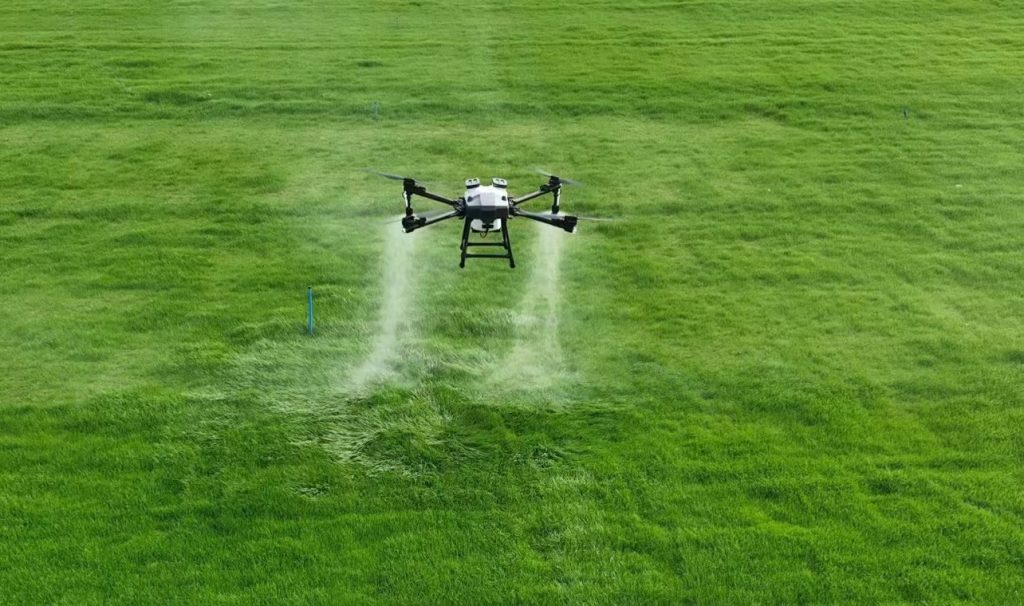
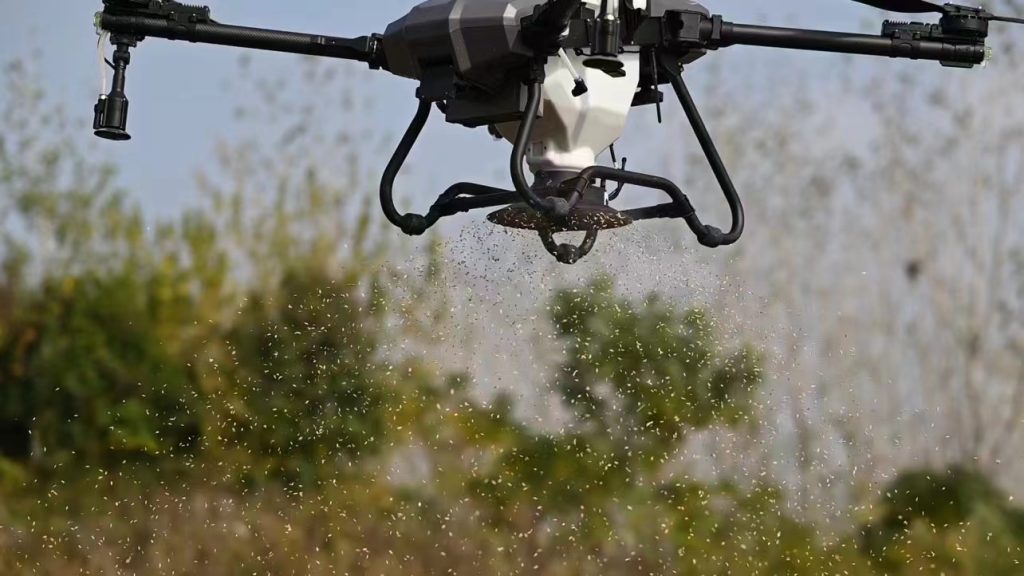
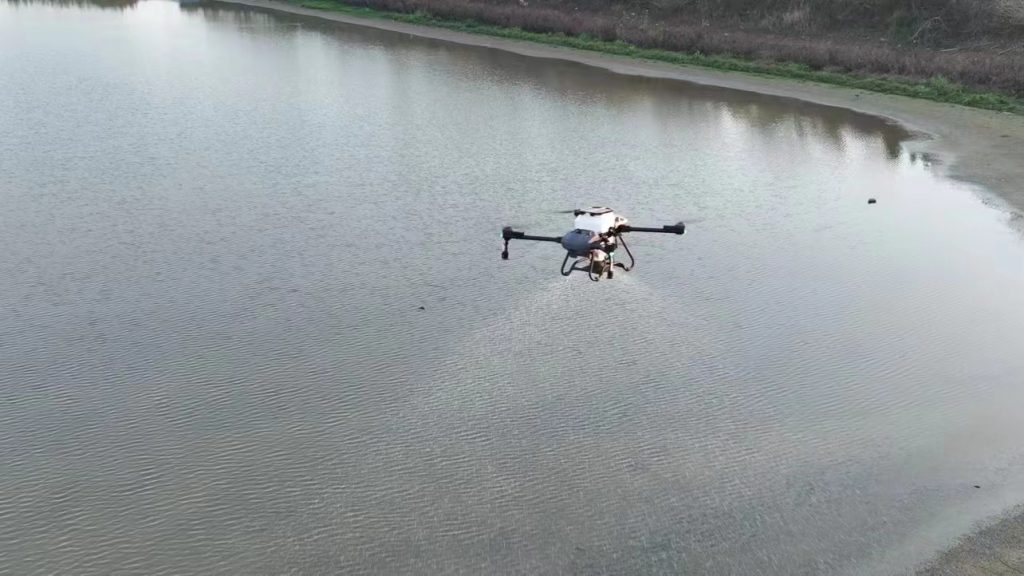
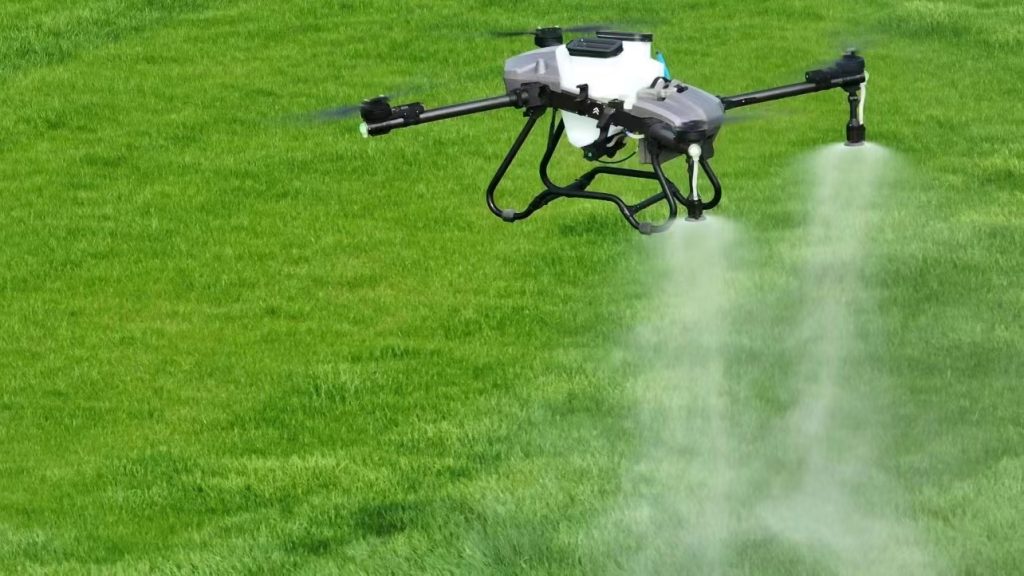
Pesticides represent one of the largest variable costs in modern agriculture, often accounting for 15–20% of total production expenses. Yet, traditional application methods suffer from systemic inefficiencies: spray drift wastes 20–40% of chemicals, overlapping passes double-dose certain areas, and blanket spraying treats entire fields uniformly regardless of actual pest pressure. Enter crop spraying drones—unmanned aerial vehicles (UAVs) equipped with precision delivery systems that are fundamentally reshaping pesticide economics. Far beyond a technological novelty, these drones deliver quantifiable cost reductions through enhanced targeting, reduced waste, and data-driven decision-making. This article examines the multi-layered mechanisms by which spraying drones cut pesticide expenditures, supported by operational data and economic modeling.
1. Minimizing Chemical Waste via Targeted Application
Eliminating Spray Drift
Traditional tractor-mounted sprayers lose 15–30% of pesticides to airborne drift due to wind interference and high-pressure nozzles. Drones operate at lower altitudes (1.5–3 meters above crops) with optimized droplet sizes (150–300 microns), dramatically reducing drift. Field studies in Brazil’s soybean farms showed drone applications achieved <5% drift versus 25% with conventional methods. By keeping chemicals on target, farmers apply only what is necessary.
Preventing Overlap and Gaps
Human-operated sprayers frequently duplicate coverage in headlands and field edges, while missing irregular patches. Drones use RTK-GPS for sub-centimeter positioning, creating contiguous spray swaths with <1% overlap. In India’s cotton belt, this reduced redundant spraying by 18%, directly cutting chemical use.
Variable Rate Application (VRA)
Drones integrate with prescription maps generated from multispectral imagery, soil sensors, or historical infestation data. This enables VRA—applying pesticides only where needed. A 2023 trial in Thailand’s rice paddies demonstrated:
-
High-infestation zones: 100% labeled rate
-
Moderate zones: 60% rate
-
Low-risk zones: 0% (no spray)Result: 32% less pesticide used versus uniform application.
2. Optimizing Water Usage and Formulation Efficiency
Ultra-Low Volume (ULV) Spraying
Drones use 90% less water than tractors. While conventional sprayers require 200–400 L/ha, drones operate at 5–20 L/ha. This allows:
-
Concentrated formulations: Higher active ingredient (AI) concentration per liter, reducing total carrier volume.
-
Reduced energy costs: Less water pumping and transport.
-
Access to water-scarce regions: Critical in drought-prone areas.
Electrostatic Charging
Advanced drones impart a positive charge to droplets, causing them to wrap around leaf undersides and stems. This improves coverage by 35% compared to standard nozzles, allowing lower AI concentrations. Trials in French vineyards confirmed 20% less fungicide was needed for equivalent disease control.
3. Enabling Early Detection and Timely Intervention
Proactive Pest Management
Drones equipped with multispectral sensors detect pest/disease signatures days before visual symptoms appear. The Normalized Difference Vegetation Index (NDVI) identifies stressed plants, while thermal cameras spot insect hotspots. Early intervention prevents exponential pest spread, reducing required treatment intensity.
Case Study: A California almond grower used drone scouting to identify spider mite clusters at 0.5% incidence. Spot-spraying with a drone saved $85/acre versus waiting two weeks (when infestation reached 5%) and requiring full-field treatment.
Automated Alerts
AI-powered platforms analyze drone imagery and trigger alerts when pest thresholds are breached. This replaces calendar-based spraying with need-based action, avoiding unnecessary prophylactic treatments.
4. Reducing Operational Expenditures
Labor Savings
One drone operator can manage 3–5 units simultaneously, replacing 4–6 manual sprayer workers. Labor typically constitutes 25–40% of pesticide application costs. In Vietnam’s Mekong Delta, drone adoption cut labor expenses by $60/hectare.
Fuel and Machinery Costs
Tractors consume 5–8 L/ha of diesel. Drones run on electricity ($0.05–0.10 per charge). Eliminating fuel, maintenance, and depreciation for heavy machinery yields additional savings.
Minimized Soil Compaction
Tractor traffic compresses soil, impairing root growth and increasing runoff. Drones leave zero footprint, preserving soil structure and reducing long-term yield penalties.
5. Enhancing Regulatory Compliance and Risk Mitigation
Drift Reduction Compliance
Strict EPA/FIFRA regulations penalize off-target contamination. Drones’ precision minimizes drift-related fines and litigation risks. In Iowa, a drone-spraying corn farmer avoided a $12,000 penalty after regulators verified minimal drift via droplet sampling.
Documentation for Audits
Drones log spray locations, volumes, and timestamps. Cloud-based reports satisfy traceability mandates (e.g., EU Farm to Fork Strategy), avoiding compliance fees.
Economic Modeling: Quantifying the Savings
Consider a 500-hectare corn farm spending $150/hectare on pesticides:
| Cost Factor | Conventional Sprayer | Drone System | Savings/Risk Reduction |
|---|---|---|---|
| Pesticide Volume | 100% baseline | 65% of baseline | 35% reduction |
| Water Usage | 300 L/ha | 10 L/ha | 290 L/ha saved |
| Labor | $45/hectare | $15/hectare | $30/hectare saved |
| Fuel/Machine Dep. | $28/hectare | $3/hectare | $25/hectare saved |
| Penalty Avoidance | Potential $10/hectare | Near-zero risk | Risk mitigation |
| Total Savings | – | – | ~$105/hectare |
Annual Saving: 500 ha × $105 = $52,500
(ROI Break-even: ~14 months at $35,000 drone cost)
Challenges and Mitigation Strategies
-
Initial Investment: $20,000–$50,000 for prosumer drones. Solution: Leasing programs and pay-per-hectare services.
-
Battery Life: 15–25 min flight time limits coverage. Solution: Swappable batteries and multi-drone fleets.
-
Regulatory Hurdles: Line-of-sight rules limit scalability. Solution: BVLOS waivers in progress (e.g., FAA Part 107 updates).
The Future: AI-Driven Cost Optimization
Next-generation drones will integrate:
-
Real-time AI analysis: Onboard processors identifying pests and adjusting spray rates mid-flight.
-
Swarm technology: 10+ drones coordinating to treat 200+ hectares/day.
-
Biocontrol Delivery: Transporting beneficial insects (e.g., predatory mites) to replace chemicals.
Conclusion: From Cost Center to Profit Driver
Crop spraying drones transform pesticides from a fixed cost burden into a dynamic, optimized input. By slashing chemical use 30–50%, eliminating waste, and enabling data-driven interventions, they deliver direct savings of $80–$120 per hectare annually. Beyond economics, they reduce environmental harm and enhance farm resilience—proving that precision agriculture is not a luxury, but a competitive necessity. For farmers facing thin margins and climate volatility, adopting drone technology is a strategic imperative to turn pesticide expenditure from a liability into a calculated investment.
THE END







No comments yet