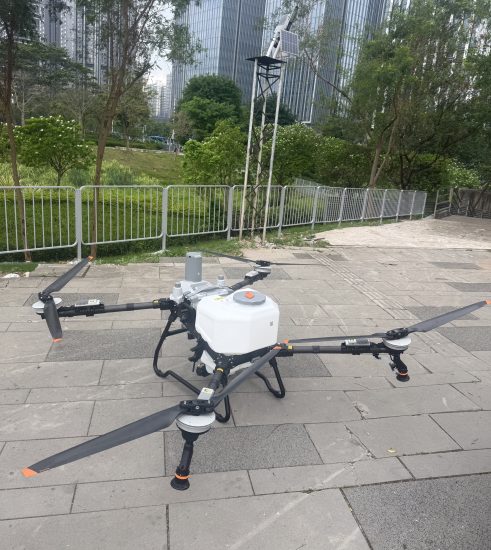



Modern agriculture is under increasing pressure to produce more food while reducing labor costs, minimizing chemical waste, and protecting the environment. As labor shortages and rising production costs continue to affect farms worldwide, crop spraying drones have become one of the most valuable tools in precision agriculture.
Compared with traditional manual spraying and tractor-mounted sprayers, agricultural spraying drones provide faster application, greater accuracy, and lower operating costs. Farmers, agricultural contractors, cooperatives, and distributors are increasingly adopting drone technology to improve productivity and maximize return on investment.
This guide explains how crop spraying drones improve farming efficiency, reduce costs, and support sustainable agricultural development.
What Is a Crop Spraying Drone?
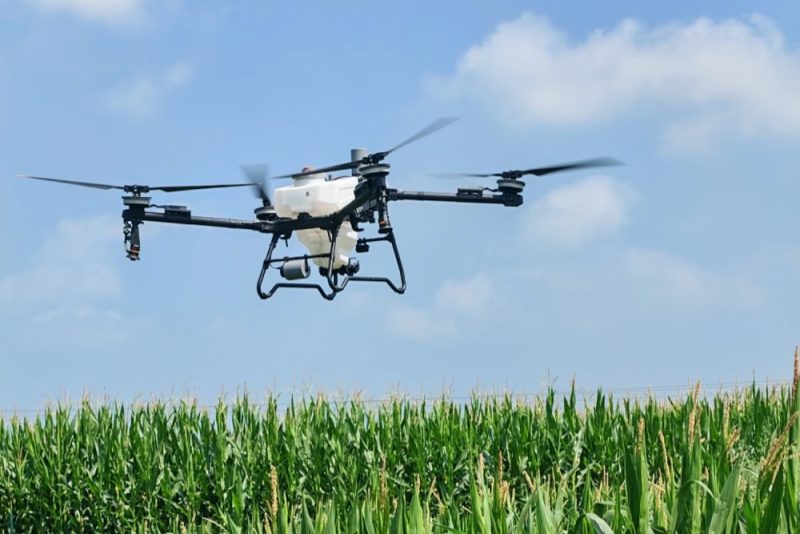
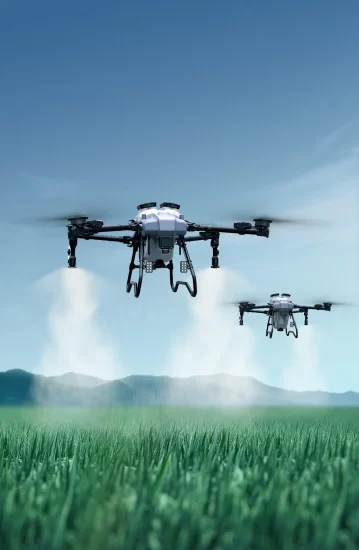
A crop spraying drone is an unmanned aerial vehicle (UAV) specifically designed to apply pesticides, herbicides, fungicides, foliar fertilizers, and other liquid agricultural products. Equipped with GPS navigation, intelligent flight control, precision spraying systems, and high-capacity batteries, these drones can automatically follow planned routes while maintaining consistent spray coverage.
Modern agricultural drones are widely used in:
-
Rice fields
-
Wheat farms
-
Corn fields
-
Cotton farms
-
Soybean fields
-
Sugarcane plantations
-
Tea gardens
-
Coffee plantations
-
Fruit orchards
-
Vineyards
-
Vegetable farms
Their ability to operate in complex terrain makes them suitable for both small family farms and large commercial agricultural operations.
1. Significantly Improve Spraying Efficiency
One of the greatest advantages of agricultural spraying drones is their exceptional work efficiency.
Compared with manual backpack sprayers, drones can complete spraying tasks much faster while maintaining consistent application quality.
Typical benefits include:
-
Cover large fields in a shorter time
-
Reduce repeated spraying
-
Maintain uniform spray patterns
-
Minimize downtime through intelligent flight planning
Depending on drone size and field conditions, a professional spraying drone can cover 100–300 hectares per day, greatly increasing productivity during busy growing seasons.
2. Reduce Labor Costs
Finding skilled agricultural workers has become increasingly difficult in many countries. Crop spraying drones allow a single trained operator to perform work that previously required multiple laborers.
Labor-saving advantages include:
-
Fewer workers required
-
Lower seasonal labor expenses
-
Faster completion of spraying tasks
-
Reduced physical workload
For commercial farms and agricultural service providers, these labor savings can significantly reduce operating costs over time.
3. Reduce Pesticide and Fertilizer Consumption
Traditional spraying methods often result in uneven coverage, overspraying, and chemical waste.
Modern agricultural drones use intelligent flow control and precision navigation to apply chemicals accurately.
Benefits include:
-
Reduced pesticide consumption
-
Lower fertilizer waste
-
Uniform droplet distribution
-
Better crop coverage
-
Reduced environmental contamination
By applying only the required amount of chemicals, farmers can lower input costs while improving crop protection.
4. Improve Crop Health and Yield
Consistent spraying helps crops receive uniform protection against insects, diseases, and weeds.
Advantages include:
-
Better disease prevention
-
Improved pest management
-
Reduced crop stress
-
Healthier plant growth
-
Higher crop quality
-
Increased harvest potential
Precision application contributes to healthier crops throughout the growing season.
5. Access Difficult Terrain
Ground spraying equipment cannot easily operate in muddy fields, steep hills, orchards, or flooded rice paddies.
Crop spraying drones can safely work in:
-
Mountain farms
-
Terraced fields
-
Orchards
-
Vineyards
-
Wetlands
-
Rice paddies
-
Narrow crop rows
This flexibility allows farmers to protect crops regardless of terrain.
6. Reduce Crop Damage
Heavy tractors and ground machinery may damage crops during spraying operations.
Drone spraying eliminates wheel traffic, helping protect growing plants.
Benefits include:
-
No soil compaction
-
No tire damage
-
Reduced plant breakage
-
Better field conditions after rainfall
Protecting crops from mechanical damage can improve overall productivity.
7. Improve Operator Safety
Agricultural chemicals may present health risks during manual application.
Drone technology helps reduce direct exposure by allowing operators to control spraying from a safe distance.
Safety features include:
-
Remote operation
-
Automatic flight paths
-
Intelligent return-to-home
-
Obstacle avoidance systems
-
Emergency landing protection
These technologies create a safer working environment for farm personnel.
8. Lower Long-Term Operating Costs
Although purchasing an agricultural drone requires an initial investment, long-term savings often outweigh the purchase price.
Potential savings include:
-
Lower labor costs
-
Reduced chemical usage
-
Lower fuel expenses
-
Less equipment maintenance
-
Faster field operations
-
Higher operational efficiency
Many farms recover their investment within one to three growing seasons through improved productivity and reduced operating expenses.
9. Support Precision Agriculture
Modern crop spraying drones integrate with digital farming technologies.
Advanced features include:
-
RTK centimeter-level positioning
-
GPS navigation
-
Automatic route planning
-
Variable-rate spraying
-
Terrain following
-
Flight data recording
-
Remote software updates
These technologies help farmers make more informed management decisions while improving operational accuracy.
10. Increase Business Opportunities
Agricultural spraying drones are not only valuable for farmers but also create new business opportunities.
Potential users include:
-
Agricultural spraying contractors
-
Equipment rental companies
-
Agricultural cooperatives
-
Government agricultural projects
-
Importers and distributors
-
Precision farming service providers
Offering drone spraying services can generate additional income while meeting the growing demand for modern agricultural solutions.
Choosing the Right Agricultural Spraying Drone
Before purchasing, consider the following factors:
-
Tank capacity (20L, 30L, 50L)
-
Battery performance
-
Flight stability
-
Spraying system quality
-
RTK positioning
-
Obstacle avoidance
-
Waterproof design
-
Spare parts availability
-
Technical support
-
Warranty coverage
Selecting the right model ensures reliable performance and long-term value.
Frequently Asked Questions (FAQ)
1. Do crop spraying drones really save money?
Yes. They reduce labor costs, decrease pesticide waste, improve spraying efficiency, and lower long-term operating expenses.
2. Can agricultural drones spray fertilizers?
Yes. Most professional spraying drones can apply pesticides, herbicides, fungicides, foliar fertilizers, and other liquid crop treatments.
3. How much land can a spraying drone cover each day?
Depending on the drone model, battery configuration, and field conditions, professional agricultural drones can typically spray 100–300 hectares per day.
4. Are crop spraying drones suitable for orchards?
Yes. Many drones include terrain-following radar and obstacle avoidance technology, making them ideal for orchards, vineyards, and plantations.
5. Can distributors order OEM agricultural drones?
Yes. Many manufacturers provide OEM and ODM services, including custom branding, packaging, software, and private-label production for distributors worldwide.
Crop spraying drones have transformed modern agriculture by improving spraying efficiency, reducing labor costs, minimizing chemical waste, and supporting precision farming practices. Whether used on small family farms or large commercial operations, these intelligent UAVs help farmers maximize productivity while lowering operating expenses. As agricultural technology continues to evolve, investing in a high-quality crop spraying drone is no longer just an equipment upgrade—it is a strategic investment in the future of sustainable and profitable farming.
THE END


No comments yet