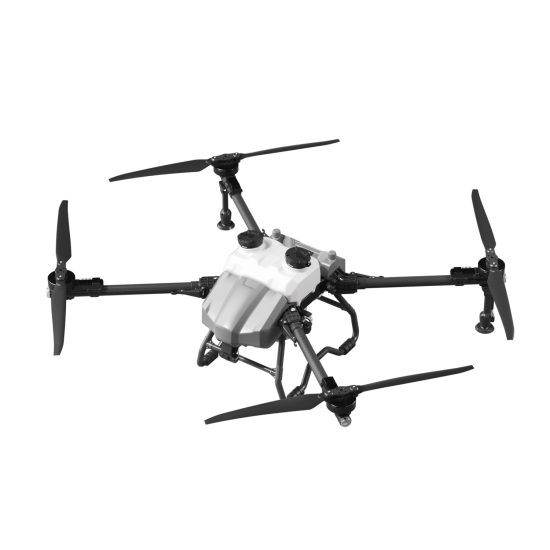


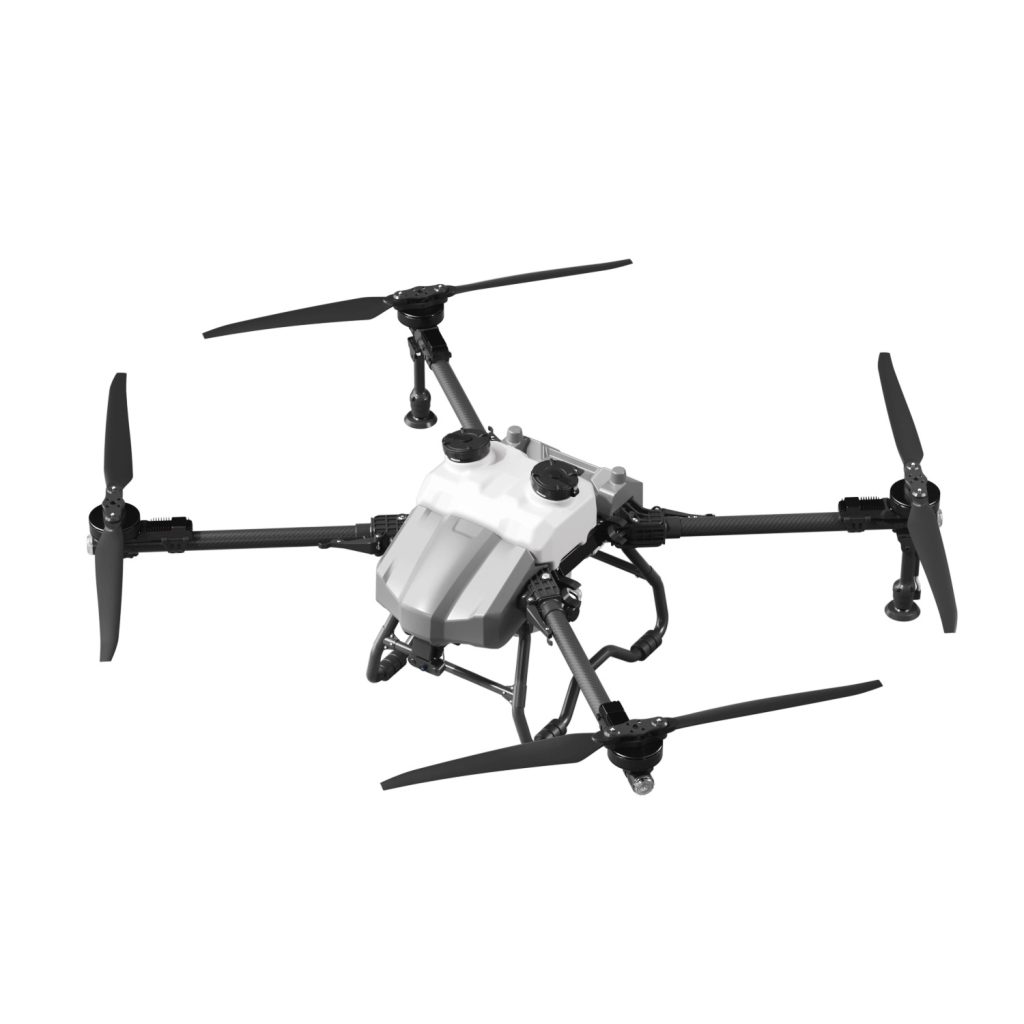
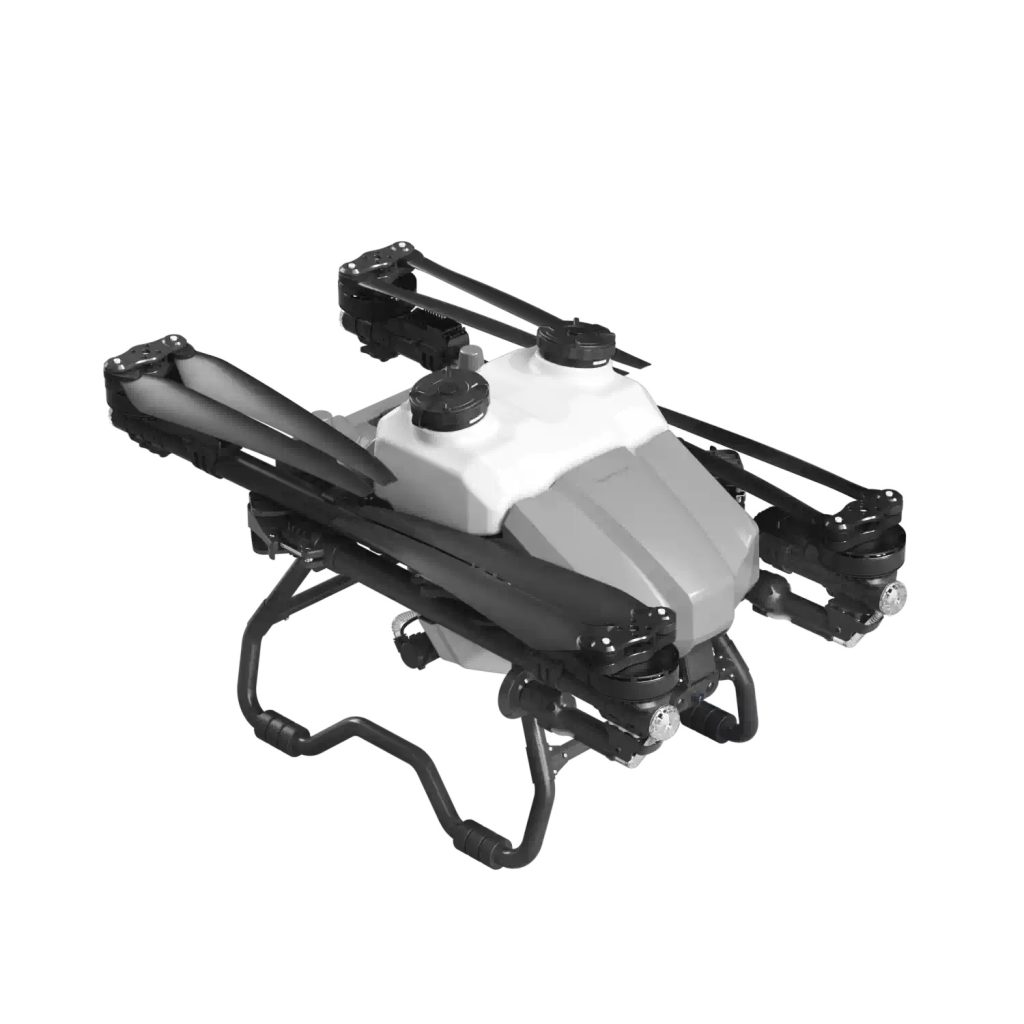

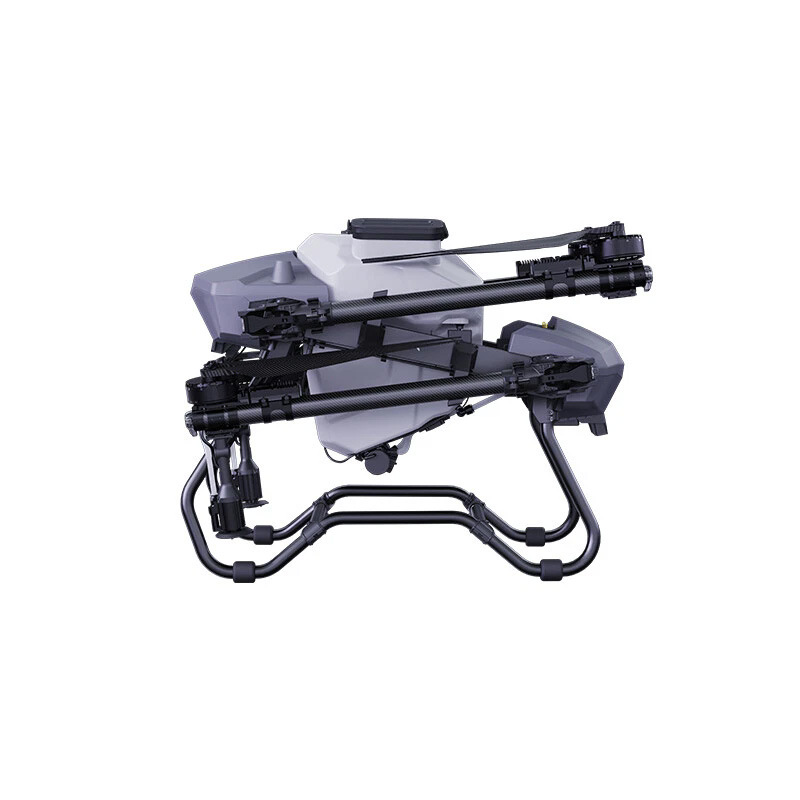
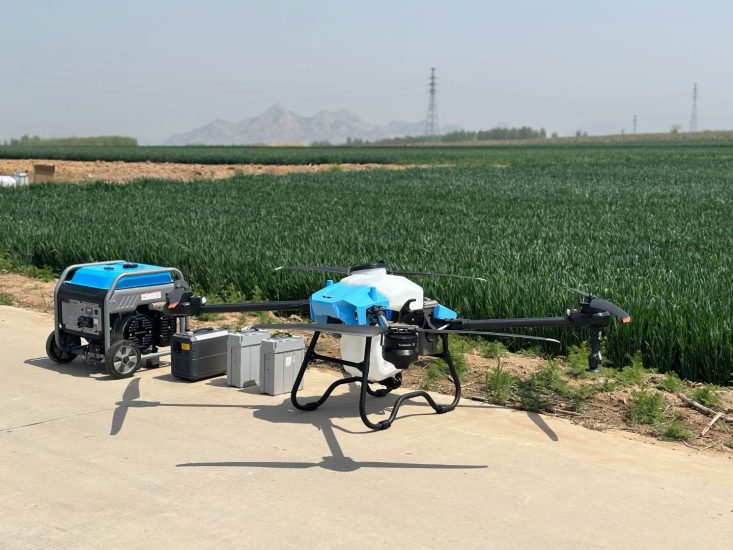
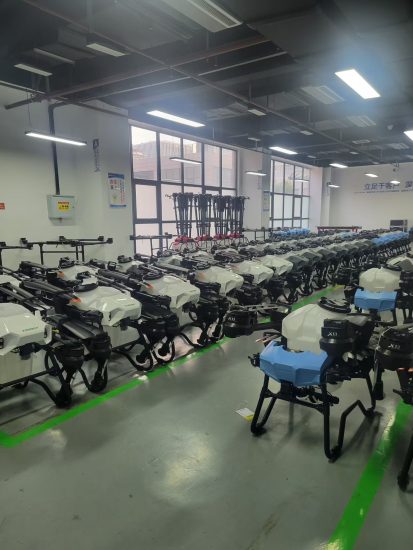
In recent years, agricultural spraying drones have become a key tool in modern farming. As the demand for higher productivity and sustainable practices grows, farmers are turning to drone technology to improve crop yield and operational efficiency. These advanced UAVs are reshaping traditional farming methods and enabling precision agriculture at scale.
The Role of Drones in Modern Agriculture
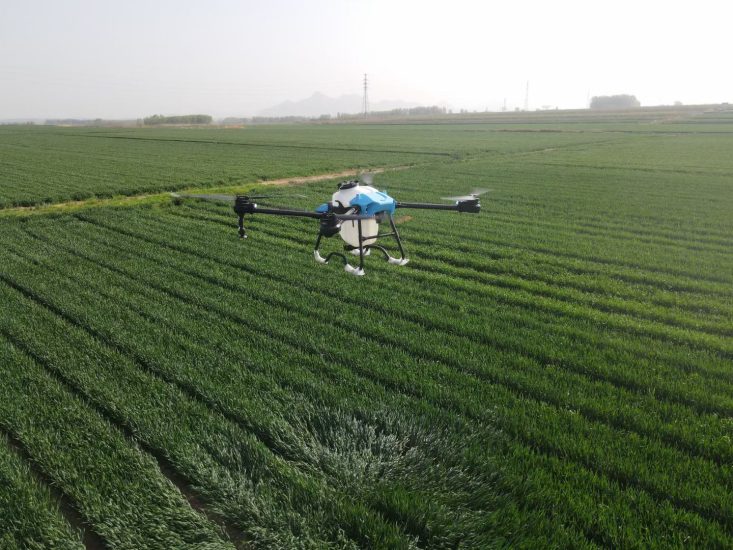
Agricultural spraying drones are designed to apply pesticides, fertilizers, and herbicides with high precision. Unlike conventional spraying methods, drones can operate autonomously, follow pre-programmed routes, and adjust spraying based on crop conditions.
By combining GPS technology, sensors, and intelligent software, drones ensure accurate application, reducing waste and maximizing effectiveness.
How Drones Improve Crop Yield
1. Precision Application of Chemicals
One of the biggest advantages of spraying drones is their ability to apply chemicals precisely. Instead of spraying entire fields uniformly, drones can target specific areas where crops need treatment.
This targeted approach leads to:
- Healthier crops
- Reduced chemical overuse
- Better pest and disease control
As a result, crop yields increase significantly.
2. Timely Operations
Timing is critical in agriculture. Delayed spraying can lead to pest outbreaks or nutrient deficiencies.
Drones allow farmers to:
- Spray crops quickly
- Respond immediately to issues
- Operate even in wet or muddy conditions
This ensures crops receive treatment at the optimal time, improving overall productivity.
3. Uniform Coverage
Traditional spraying methods often result in uneven coverage due to human error or equipment limitations.
Drones use automated flight paths and advanced spraying systems to ensure:
- Even distribution of chemicals
- Consistent droplet size
- Complete field coverage
Uniform spraying leads to better crop growth and higher yields.
How Drones Increase Farming Efficiency
1. Faster Field Coverage
Agricultural drones can cover large areas in a short time. Compared to manual labor, drones can complete spraying tasks up to 10 times faster.
This allows farmers to manage more land with fewer resources.
2. Reduced Labor Dependency
Labor shortages are a growing concern in agriculture. Drones reduce the need for large spraying teams.
Benefits include:
- Lower labor costs
- Simplified farm management
- Increased operational efficiency
One trained operator can control multiple drones, making large-scale farming more manageable.
3. Lower Input Costs
By applying chemicals only where needed, drones help reduce:
- Pesticide usage
- Fertilizer waste
- Water consumption
This not only saves money but also supports environmentally friendly farming practices.
4. Data-Driven Farming
Many modern drones are equipped with sensors and imaging systems that collect valuable data about crop health.
Farmers can use this data to:
- Identify problem areas
- Monitor crop growth
- Make informed decisions
This data-driven approach improves efficiency and long-term farm performance.
Environmental Benefits
Agricultural spraying drones contribute to sustainable farming by:
- Minimizing chemical runoff
- Reducing soil compaction (no heavy machinery needed)
- Lowering carbon emissions
These benefits make drones an eco-friendly solution for modern agriculture.
Real-World Applications
Farmers around the world are using spraying drones for:
- Rice and wheat farming
- Corn and soybean fields
- Orchards and vineyards
- Vegetable farms
Drones are especially useful in areas with complex terrain where traditional equipment cannot operate effectively.
Challenges and Considerations
While agricultural drones offer many advantages, there are some factors to consider:
- Initial investment cost
- Training and operation skills
- Battery limitations
- Local regulations
However, as technology advances, these challenges are becoming easier to overcome.
Future Outlook
The future of agricultural spraying drones is promising. Innovations such as AI-powered automation, swarm drone systems, and cloud-based farm management platforms will further enhance efficiency and productivity.
As adoption continues to grow, drones will become an essential part of smart farming ecosystems.
Conclusion
Agricultural spraying drones are revolutionizing the farming industry by improving crop yield and operational efficiency. Through precision application, faster operations, and data-driven insights, these drones help farmers achieve better results with fewer resources.
For modern farmers looking to stay competitive, investing in agricultural drone technology is no longer optional—it is a strategic necessity.
agricultural spraying drones, crop yield improvement drone, farm efficiency drone, precision agriculture UAV, pesticide spraying drone, smart farming drone, agriculture technology, UAV crop spraying, fertilizer drone, drone farming solutions


No comments yet