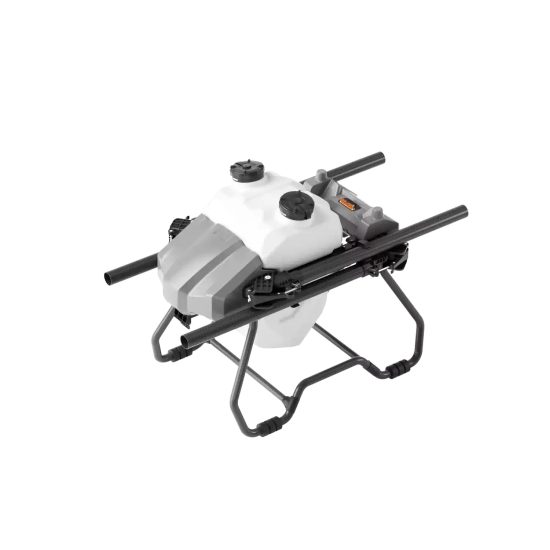



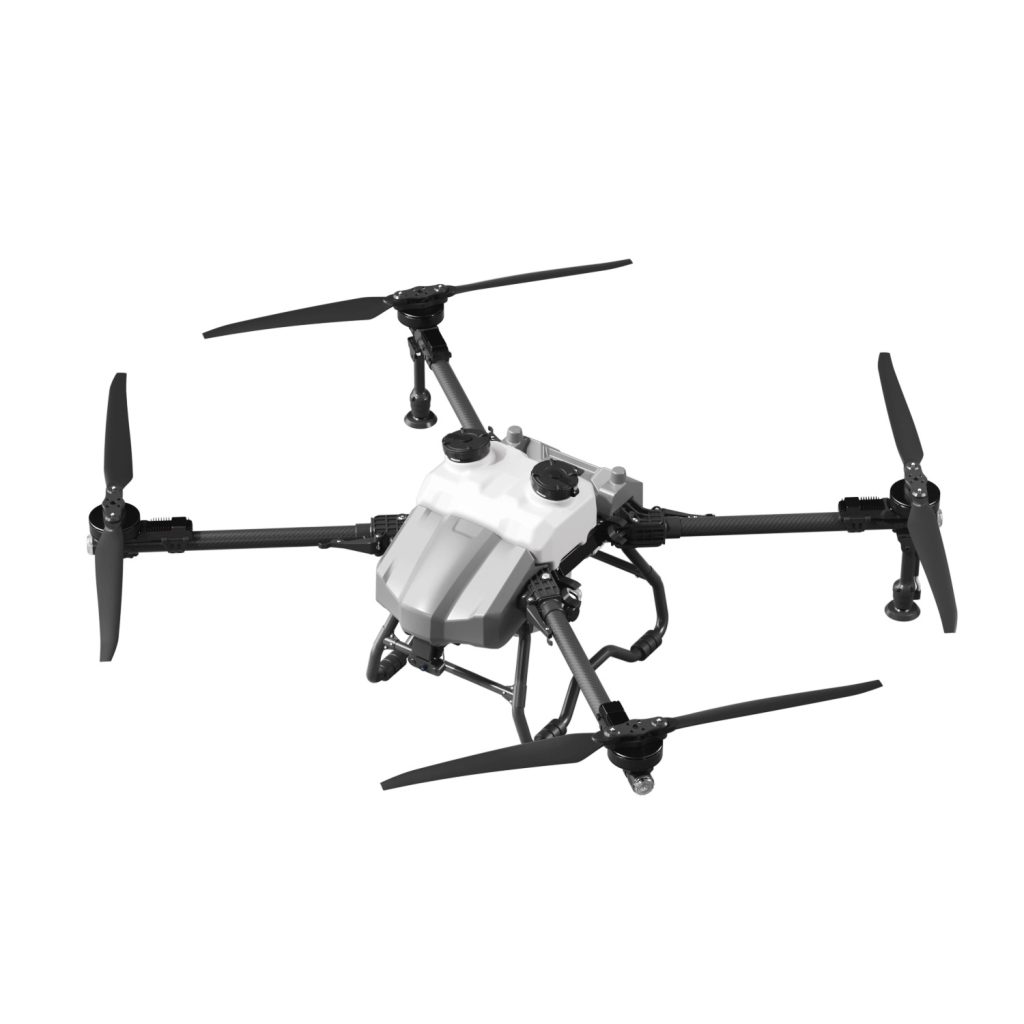
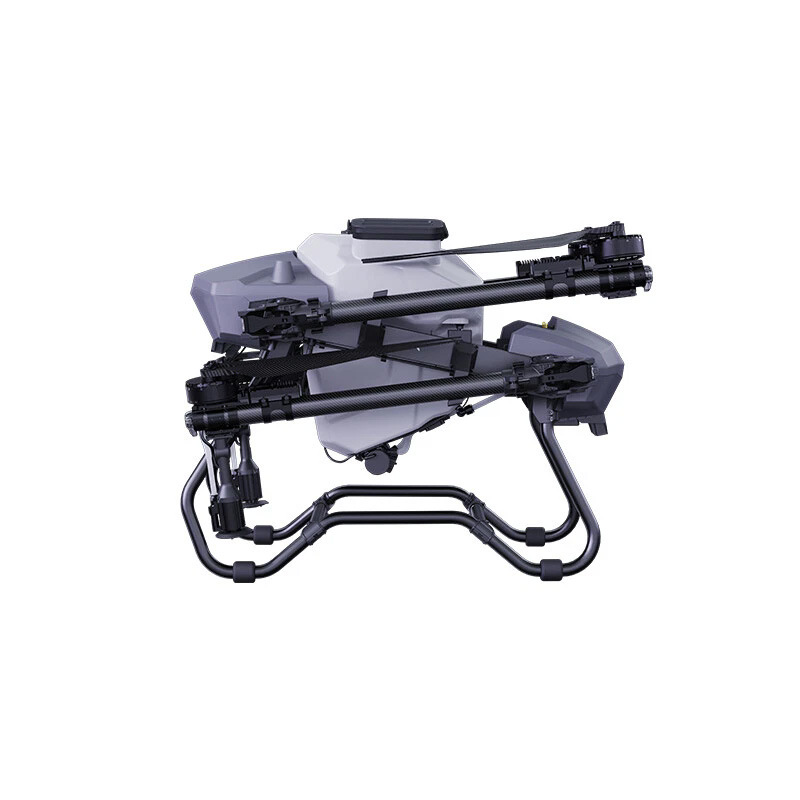
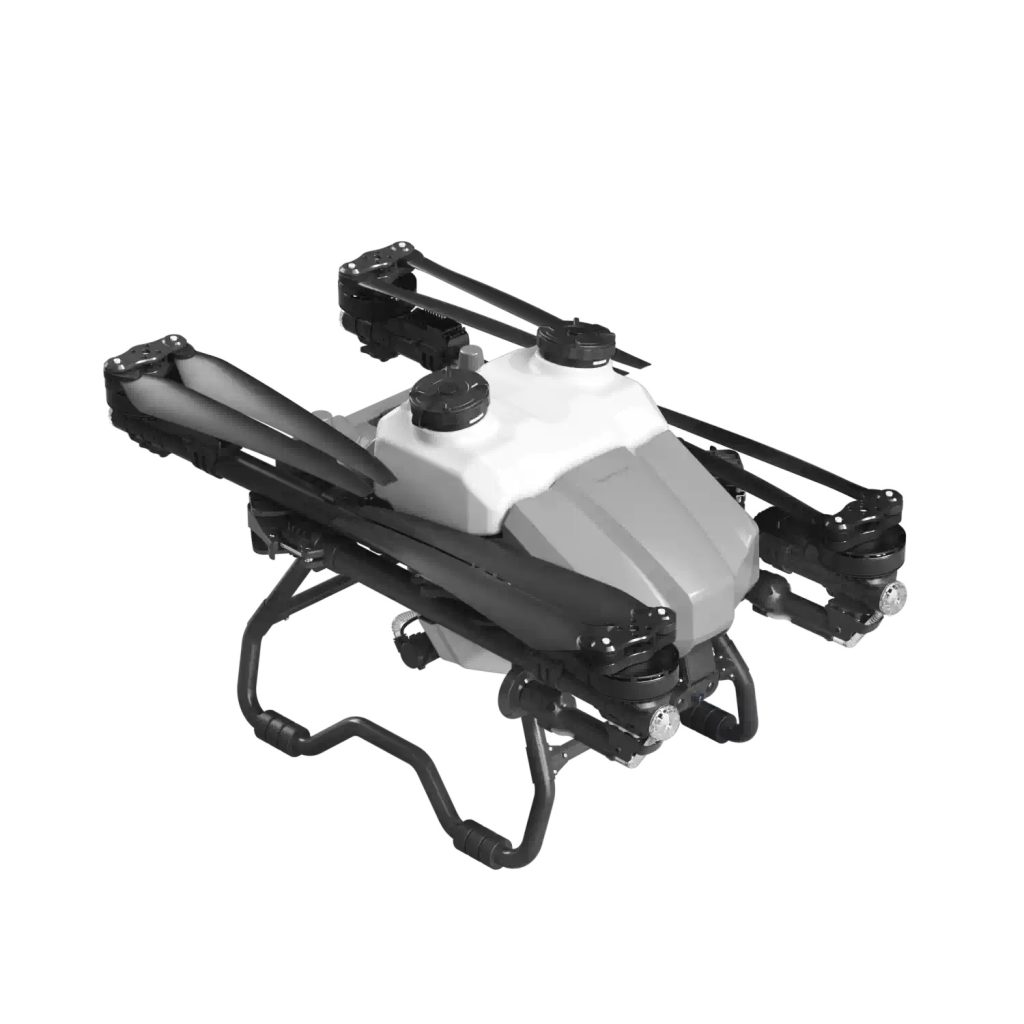
Labor shortages have become a major challenge for farms around the world. Many agricultural regions are facing rising wages, aging farm workers, and difficulties hiring seasonal labor during busy spraying periods.
Because of this, more farms are introducing agricultural drones into daily operations to improve efficiency and reduce labor dependence. Modern spraying drones are now widely used for pesticide spraying, fertilizer spreading, and field management across large farming areas.
Agricultural drones are especially popular in:
- rice farming
- wheat plantations
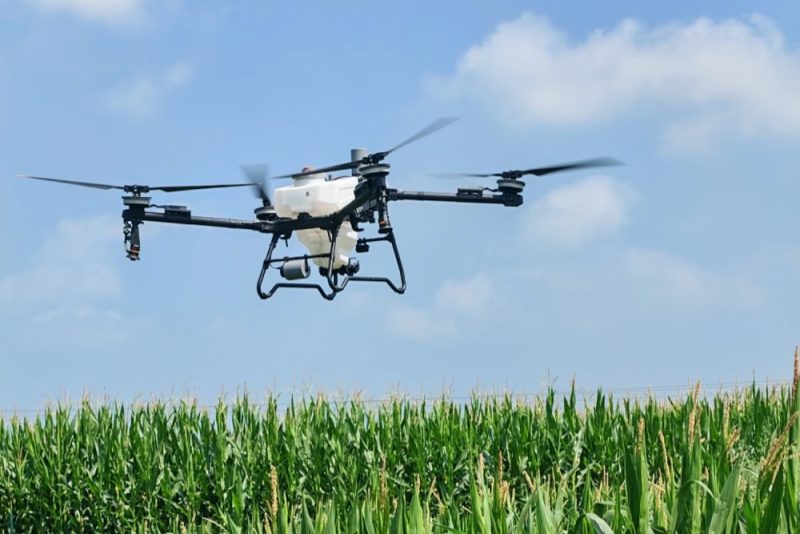
- corn farms
- sugarcane fields
- palm plantations
- orchard management
Why Labor Costs Are Increasing in Agriculture
Traditional farm spraying often requires:
- multiple workers
- heavy manual equipment
- long working hours
- transportation support
During peak farming seasons, labor demand increases quickly, especially when farms must complete spraying within a short weather window.
In some countries, younger workers are also leaving agricultural jobs, making it harder for farms to maintain stable labor teams.
How Agricultural Drones Improve Efficiency
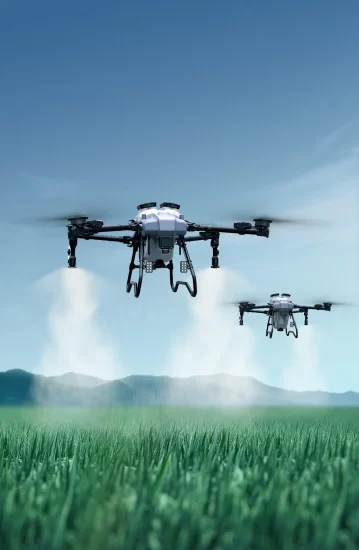
Agricultural drones help farms complete spraying tasks more efficiently by reducing manual operation time.
Compared with backpack sprayers, drones can:
- cover larger areas faster
- reduce physical labor
- improve spraying consistency
- access difficult farmland conditions
Large farms often use drones to maintain regular spraying schedules during disease control periods.
In muddy rice fields or uneven terrain, drones can continue operation without damaging crops or requiring ground vehicles.
Real Farm Working Conditions
Many farms operate under changing weather conditions, especially during rainy seasons.
Agricultural drones help improve flexibility because they can:
- deploy quickly
- operate above wet farmland
- reach narrow field areas
- spray difficult terrain
Some farms use multiple drones together during busy periods to improve daily field coverage.
Common Drone Sizes for Large Farms
Different farms require different drone capacities depending on field size and crop type.
Popular agricultural drone models include:
- 16L spraying drones
- 30L agricultural drones
- 50L crop spraying drones
Large farms often prefer 30L or 50L models because they reduce refill interruptions and improve spraying efficiency.
Labor Savings in Rice Farming
Rice farming is one of the biggest agricultural drone markets in Asia.
Traditional rice field spraying can require:
- heavy manual work
- walking through muddy fields
- high labor intensity
Agricultural drones reduce these problems by flying directly above crops while maintaining stable spraying routes.
This helps farms reduce labor pressure during peak spraying seasons.
Reduced Pesticide Exposure for Workers
Worker safety is another important reason farms adopt agricultural drones.
Manual pesticide spraying may expose workers to chemicals during long operating hours.
Agricultural drones help reduce:
- direct chemical exposure
- heat-related fatigue
- physical carrying work
Operators can control drones from a safer distance while monitoring field operations.
Battery and Daily Workflow Management
Battery management is important for efficient drone operation.
Many farms prepare:
- several batteries
- fast charging stations
- portable generators
Battery replacement is usually simple and quick, helping maintain continuous spraying during busy agricultural periods.
Experienced operators also plan spraying routes before operation to reduce unnecessary flight time.
Precision Agriculture Benefits
Modern agricultural drones are becoming part of precision farming systems.
Features may include:
- GPS route planning
- RTK positioning
- terrain following radar
- obstacle avoidance
- intelligent spraying control
These systems help improve spraying accuracy while reducing material waste.
OEM Agricultural Drone Opportunities
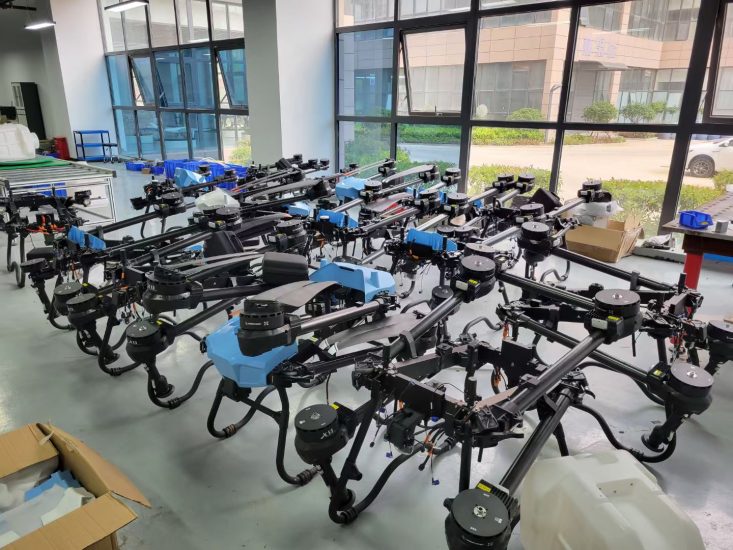
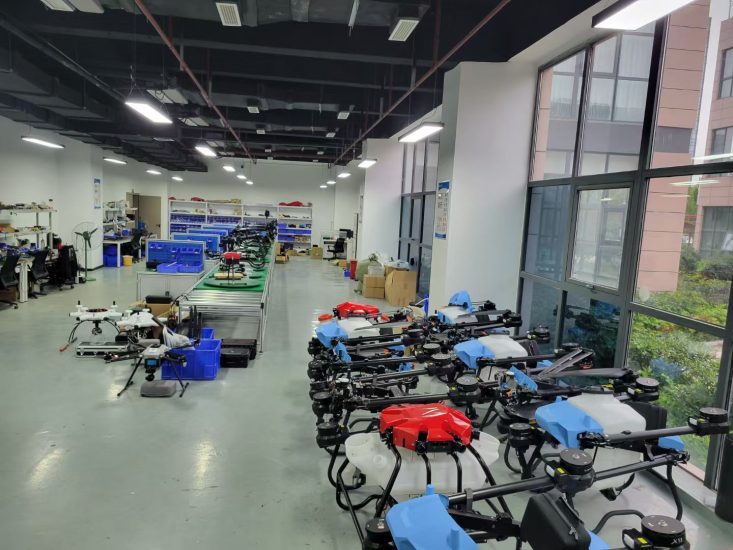
Many agricultural distributors are now building local drone businesses through OEM cooperation.
OEM agricultural drone services may include:
- private label branding
- logo customization
- software customization
- local language support
- spare parts supply
Reliable after-sales support is important for distributors serving commercial farms.
Future of Farm Automation
Agricultural automation continues to expand globally.
Many farms are now combining:
- drone spraying
- smart route planning
- farm mapping
- data management systems
As labor shortages continue, agricultural drones are expected to become standard equipment for many large farms worldwide.
FAQ
How do agricultural drones reduce labor costs?
Agricultural drones reduce the number of workers needed for spraying and improve daily field efficiency.
Are agricultural drones suitable for large farms?
Yes. 30L and 50L agricultural drones are widely used for large-scale commercial farming operations.
Can drones operate in muddy rice fields?
Yes. Agricultural drones can fly above muddy farmland without damaging crops or requiring ground vehicle access.
Why are farms switching to spraying drones?
Many farms are facing labor shortages, rising labor costs, and shorter spraying windows during farming seasons.
OEM & Distribution Cooperation
MSOEN supports OEM and ODM agricultural drone cooperation for global distributors, agricultural projects, and commercial farms.
Factory testing, export support, spare parts supply, and technical assistance are available for international partners.



No comments yet