



Introduction
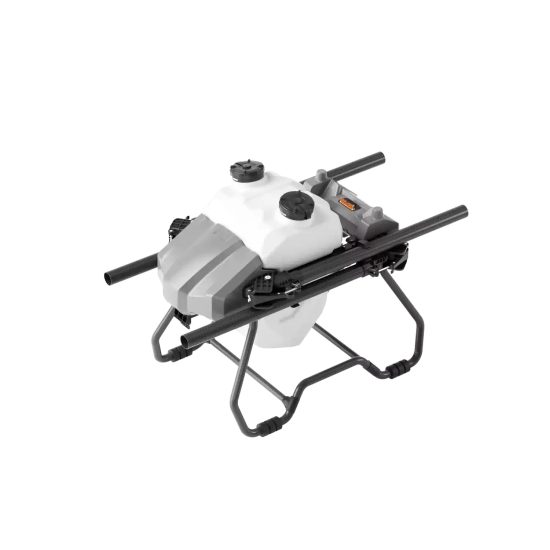
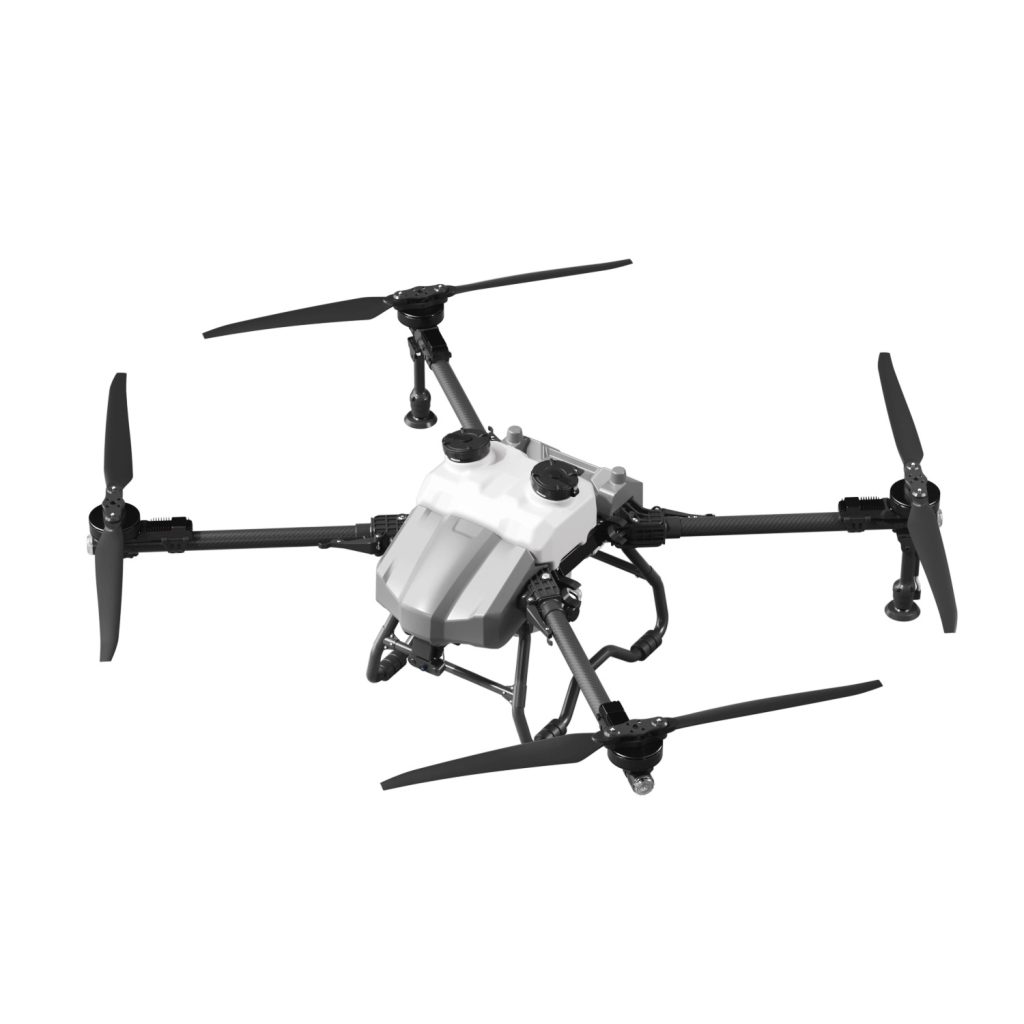
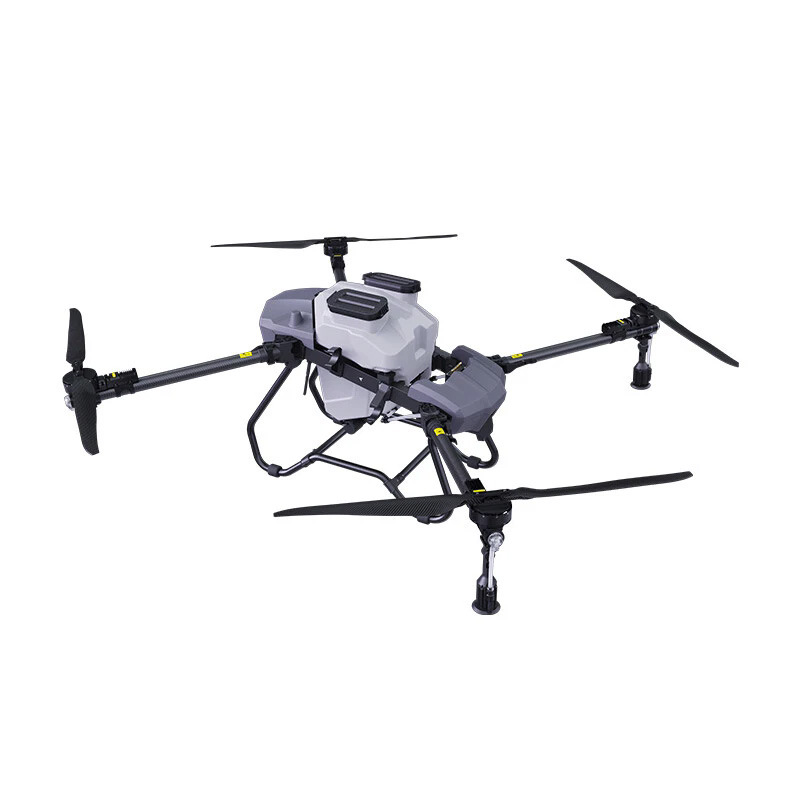
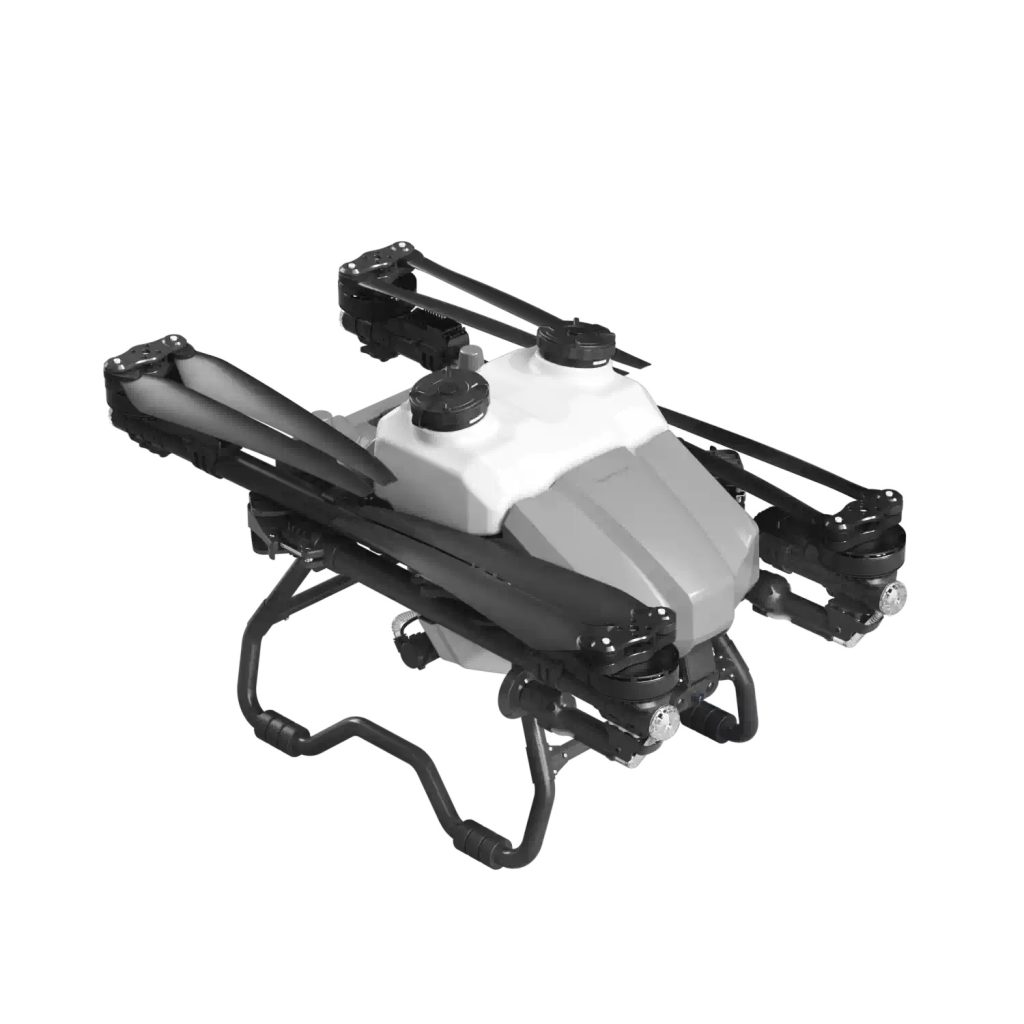
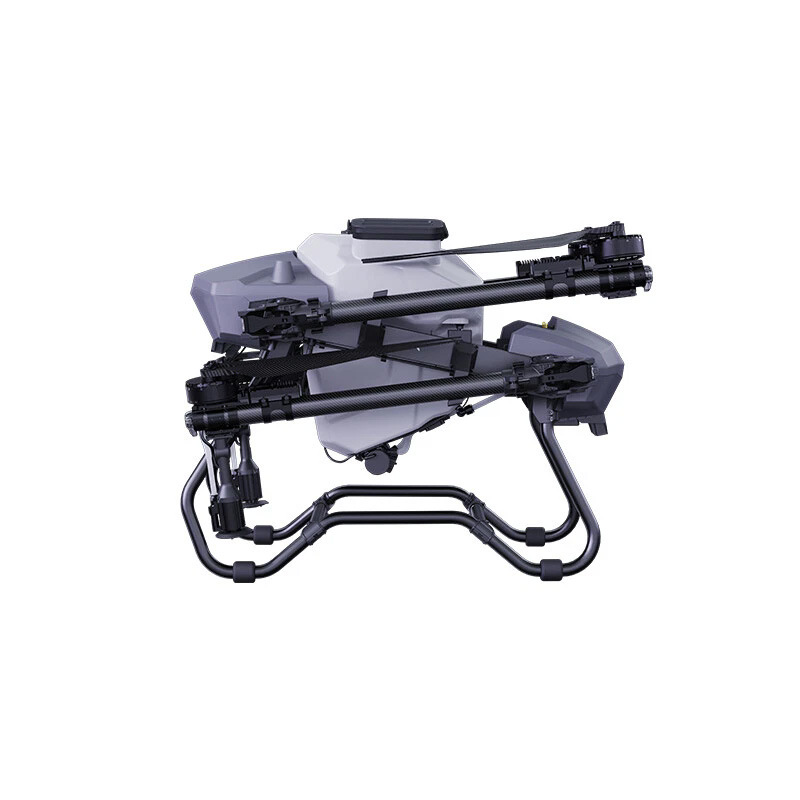
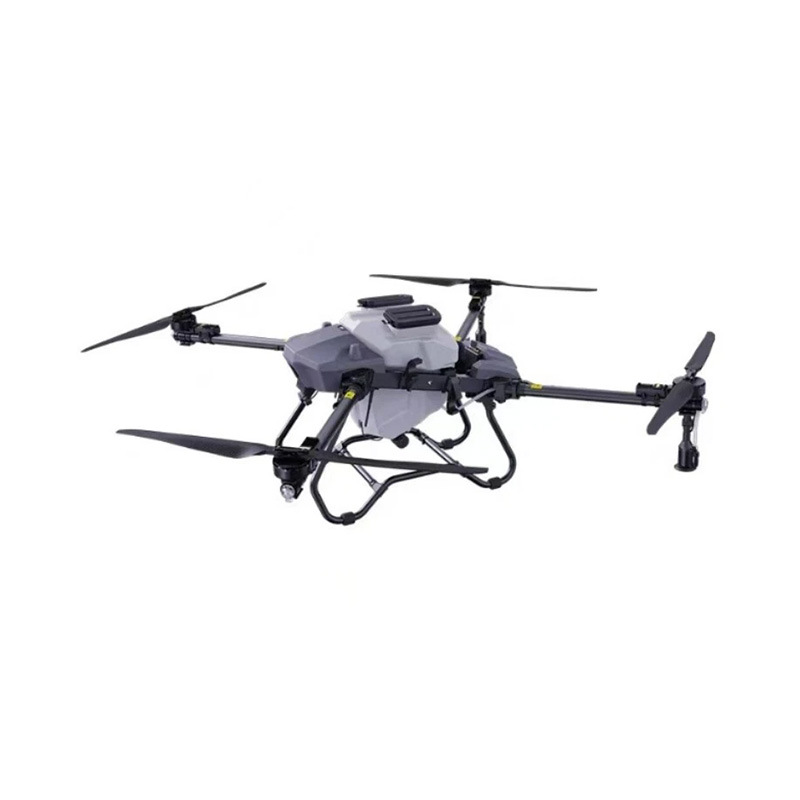
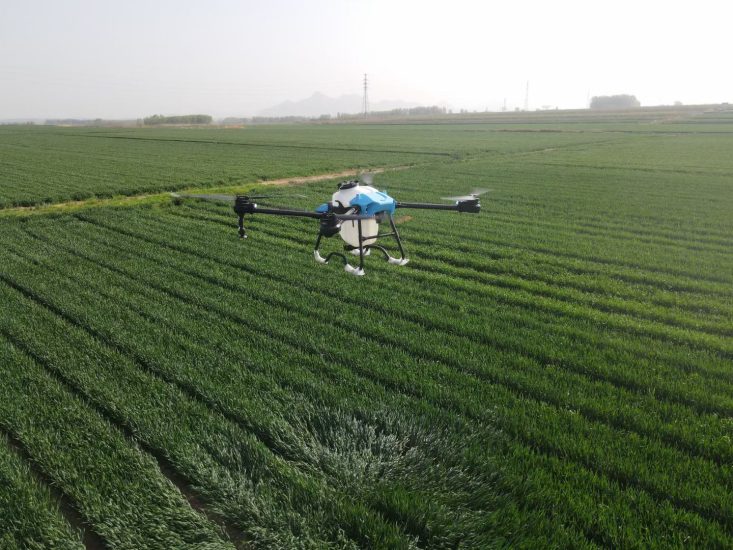
Agriculture is entering a new era driven by automation, artificial intelligence, and precision technology. Among the most advanced tools shaping this transformation are high-end agricultural drones. These drones are no longer simple spraying machines—they are intelligent farming systems capable of mapping, analyzing, and executing precision crop protection tasks.
China has become the global leader in agricultural drone innovation, offering a wide range of high-end UAV systems for professional farming, large plantations, and commercial agricultural service providers.
This article provides a complete 2026 analysis of high-end agricultural drone technology in China, including supplier comparison, core technologies, performance factors, and market trends.
What Defines a High-End Agricultural Drone?
A high-end agricultural drone is not defined only by price or size. It is defined by advanced technology integration, precision performance, and intelligent automation capabilities.
Key Characteristics
- RTK centimeter-level positioning
- AI-powered flight planning
- Intelligent obstacle avoidance
- High payload capacity (30L–50L+)
- Precision spraying control system
- Fully autonomous operation capability
These drones are designed for large-scale, high-efficiency agricultural operations.
Why China Leads in High-End Agricultural Drone Technology
China dominates this sector due to a combination of industrial strength and rapid technological innovation.
1. Advanced UAV Industrial Ecosystem
China has a complete supply chain for UAV manufacturing:
- Carbon fiber structural materials
- High-performance motors
- RTK navigation modules
- AI flight control chips
- Smart spraying systems
- Industrial-grade batteries
This integration allows faster innovation cycles.
2. Strong R&D Investment
Leading Chinese manufacturers invest heavily in:
- Artificial intelligence algorithms
- Precision navigation systems
- Autonomous flight optimization
- Smart agricultural analytics
This results in drones that continuously improve in intelligence and efficiency.
3. Large-Scale Manufacturing Capability
China can produce:
- High-end commercial drones
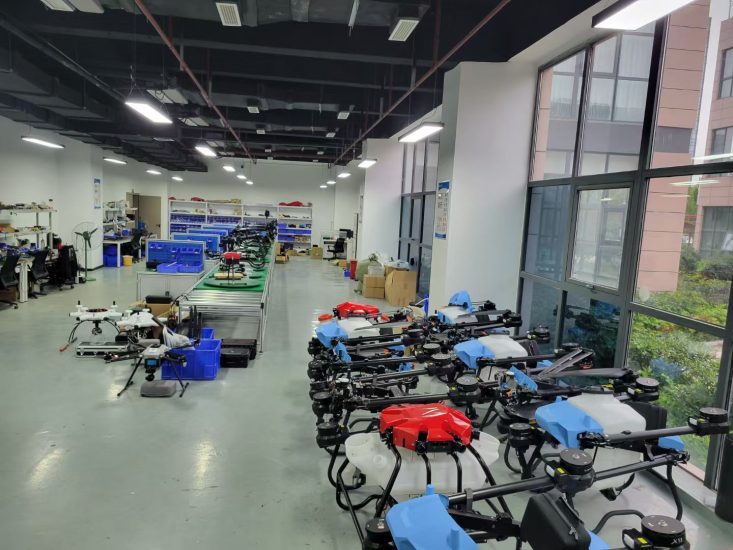
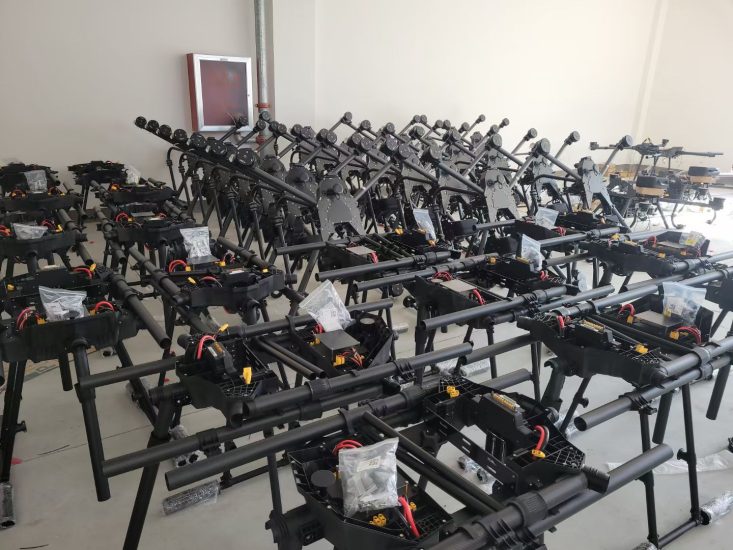
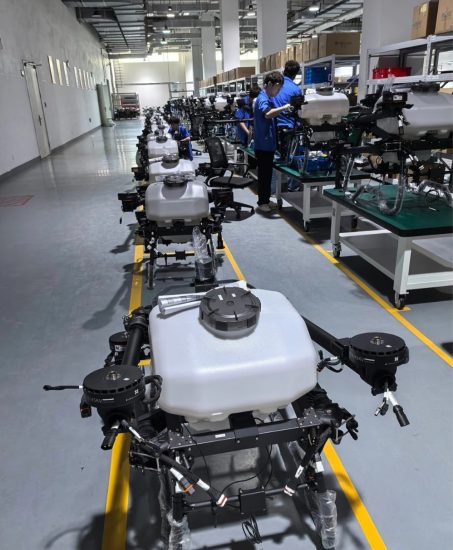
- Industrial agricultural UAV fleets
- Custom OEM/ODM solutions for global brands
This scalability is critical for international projects.
4. Competitive Innovation Speed
Compared to other regions, Chinese suppliers release new drone models faster, often upgrading:
- Flight systems
- Spraying technology
- Battery performance
- AI integration
Core Technologies in High-End Agricultural Drones
1. RTK Precision Positioning System
RTK (Real-Time Kinematic) technology enables centimeter-level positioning accuracy, which is essential for precision agriculture.
Benefits:
- Extremely accurate flight paths
- Reduced overlap in spraying
- Improved chemical efficiency
- Better crop protection results
2. AI-Based Flight Planning
High-end drones use AI systems to:
- Automatically analyze field size
- Generate optimized flight routes
- Adjust spraying density in real time
- Avoid obstacles dynamically
This reduces human error and increases efficiency.
3. Intelligent Spraying System
Modern systems include:
- Variable droplet control
- Smart pressure regulation
- Wind compensation algorithms
- Targeted spraying zones
This ensures chemicals are applied only where needed.
4. High-Payload Drone Architecture
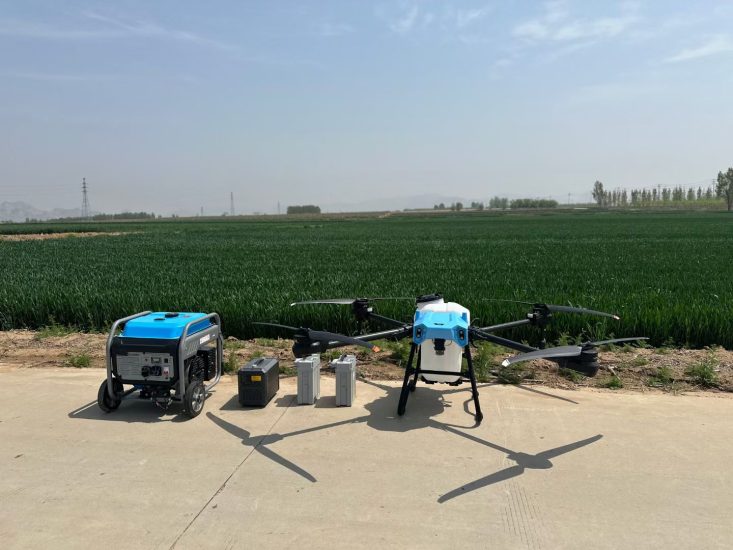
High-end agricultural drones often support 30L to 50L payload systems, allowing them to cover large areas quickly.
Advantages:
- Higher efficiency per flight
- Reduced number of takeoffs
- Lower operational time cost
5. Obstacle Avoidance System
Advanced sensors include:
- Radar systems
- LiDAR modules
- Vision-based AI detection
These systems prevent collisions with trees, poles, and terrain.
Comparison of High-End Drone Supplier Types in China
1. Top-Tier Technology Manufacturers
These companies focus on innovation and advanced engineering.
Strengths:
- Strong AI integration
- High-end hardware development
- Global R&D teams
- Premium product stability
Best for:
- Government projects
- Large agricultural enterprises
- High-end distributors
2. Industrial Drone Factories
These suppliers focus on large-scale production.
Strengths:
- Stable manufacturing capacity
- Competitive pricing for high-end systems
- OEM/ODM support
- Fast production cycles
Best for:
- Agricultural service companies
- Regional distributors
3. Emerging Smart Drone Brands
These companies focus on flexible innovation.
Strengths:
- Fast feature updates
- Software-driven improvements
- Lower entry barriers
Best for:
- New market entrants
- Small to medium distributors
Key Performance Factors in High-End Agricultural Drones
1. Flight Stability
High-end drones must operate in:
- Strong wind conditions
- Uneven terrain
- Large-scale farmland environments
Stability directly impacts spraying accuracy.
2. Spraying Precision
Precision is measured by:
- Droplet size consistency
- Coverage uniformity
- Chemical efficiency
3. Battery Efficiency
High-performance batteries should offer:
- Long flight time
- Fast charging
- High cycle durability
4. Software Intelligence
Modern drones rely heavily on software systems for:
- Route optimization
- Real-time adjustments
- Data analysis
5. Durability and Environmental Resistance
High-end drones must withstand:
- Heat
- Moisture
- Dust
- Chemical corrosion
Market Applications of High-End Agricultural Drones
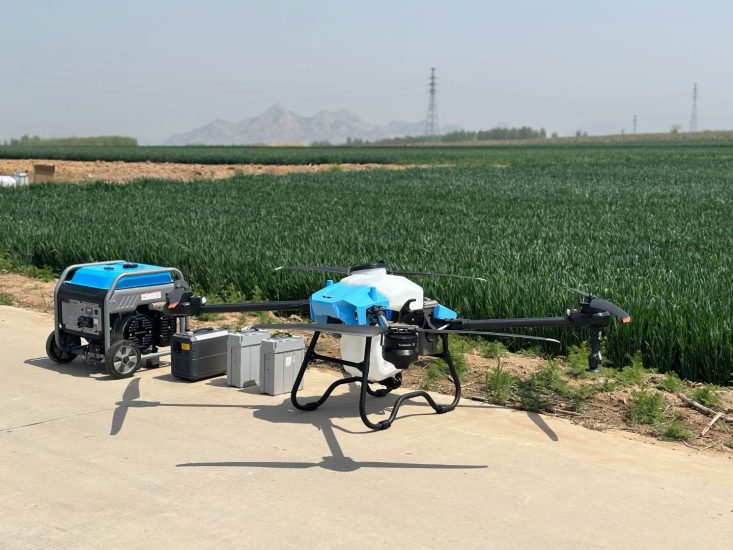
1. Large-Scale Farming
Used in:
- Wheat
- Corn
- Rice
- Soybean plantations
2. Plantation Agriculture
Common in:
- Rubber
- Tea
- Palm oil
- Fruit orchards
3. Government Agricultural Projects
Used for:
- Pest control programs
- Food security initiatives
- Rural modernization programs
4. Agricultural Service Companies
Drones are used for:
- Contract spraying services
- Large-area farming operations
Global Trends in High-End Agricultural Drones (2026)
1. Full Automation Systems
Drones will operate with minimal human intervention.
2. AI Crop Intelligence
Future drones will analyze:
- Crop health
- Soil conditions
- Pest risks
3. Cloud-Based Farm Management
Farmers will control fleets via mobile and cloud platforms.
4. Integration with Smart Agriculture Ecosystems
Drones will connect with:
- Satellites
- Ground sensors
- Agricultural AI platforms
Advantages of High-End Chinese Drone Suppliers
1. Advanced Technology Access
Buyers get access to cutting-edge agricultural UAV systems.
2. Strong Customization Capability
OEM/ODM support allows full branding and system customization.
3. Cost Advantage Compared to Western Markets
High-end drones from China remain more cost-efficient.
4. Rapid Product Development
Frequent upgrades ensure competitive advantages.
Common Mistakes When Choosing High-End Drone Suppliers
1. Choosing Based Only on Specifications
Real performance matters more than technical numbers.
2. Ignoring Software Stability
Hardware is important, but software determines intelligence.
3. Not Evaluating After-Sales Support
High-end systems require continuous maintenance.
4. Overlooking Spare Parts Availability
Long-term operation depends on reliable parts supply.
How to Select the Right High-End Supplier in China
1. Evaluate R&D Strength
Check whether the supplier has:
- Engineering teams
- AI development capability
- Testing laboratories
2. Analyze Export Experience
Global experience ensures smoother cooperation.
3. Test Real Field Performance
Always request real-world demonstration videos or samples.
4. Check System Integration Capability
Ensure drones can integrate with:
- Farm management software
- Mapping systems
- Data platforms
Future of High-End Agricultural Drones
1. Fully Autonomous Farming
Drones will manage entire fields independently.
2. AI Decision-Making Systems
Machines will decide:
- When to spray
- What to spray
- Where to spray
3. Drone Swarm Technology
Multiple drones will operate in synchronized fleets.
4. Sustainability and Green Agriculture
Precision spraying will reduce chemical waste significantly.
Frequently Asked Questions (FAQ)
1. Are high-end agricultural drones worth the investment?
Yes, they significantly improve efficiency and reduce labor costs.
2. Can Chinese suppliers support global customization?
Yes, OEM and ODM services are widely available.
3. How long do high-end drones last?
Typically 3–5 years or more with proper maintenance.
4. Do these drones require professional operators?
Basic training is required, but automation reduces complexity.
5. Can drones work in all weather conditions?
They are designed for most agricultural environments, but extreme weather may limit operation.
Conclusion
High-end agricultural drone technology in China represents the most advanced segment of global smart farming equipment. With strong AI integration, RTK precision systems, and powerful automation capabilities, Chinese suppliers continue to lead global innovation in 2026.
For buyers and distributors, success depends on choosing the right supplier based on:
- Technology level
- R&D capability
- Software intelligence
- After-sales support
- Long-term scalability
High-end agricultural drones are not just tools—they are becoming the foundation of future global precision agriculture.


No comments yet