


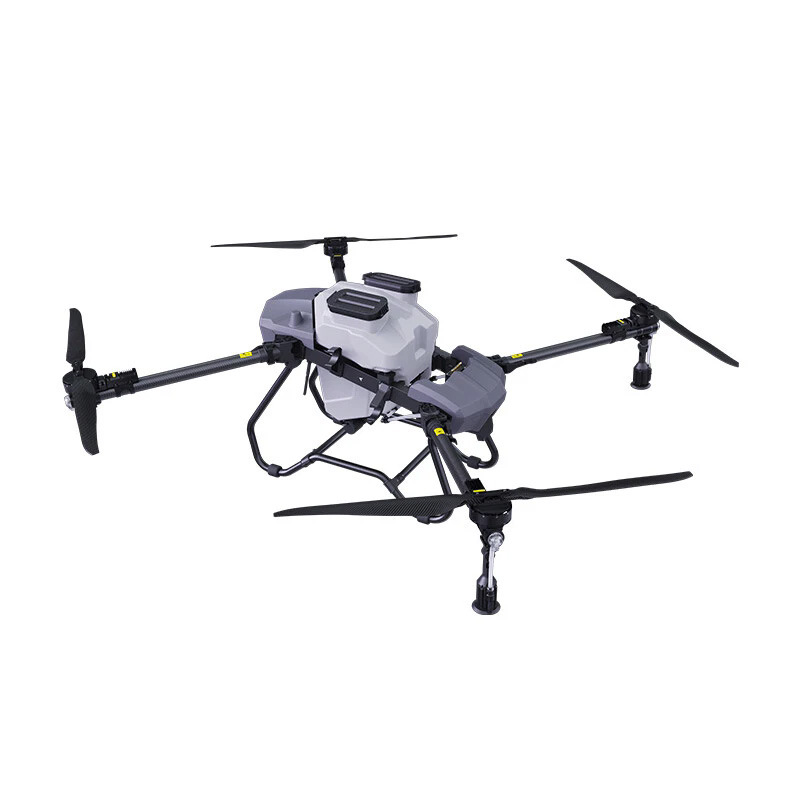
Introduction
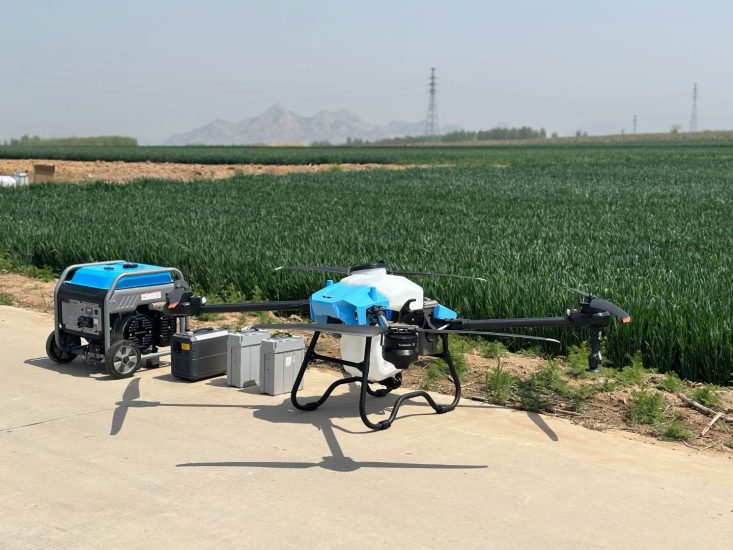
Vietnam is one of the world’s leading rice producers, with millions of hectares dedicated to rice cultivation. As the demand for higher productivity and sustainable farming grows, agricultural spraying drones are becoming essential tools for modern rice farming.
In Vietnam, where rice paddies are often wet, muddy, and difficult to access, traditional spraying methods are inefficient and labor-intensive. High-efficiency spraying drones offer a smarter, faster, and more precise solution.
Challenges of Rice Farming in Vietnam
1. Wet and Muddy Terrain
Rice fields are usually flooded, making it difficult for machinery and workers to operate efficiently.
2. High Labor Intensity
Manual spraying requires significant labor, which increases costs and reduces efficiency.
3. Health Risks from Pesticides
Farmers are often exposed to harmful chemicals during manual spraying.
4. Weather Constraints
Vietnam’s tropical climate means frequent rain, requiring fast and flexible spraying solutions.
Why Spraying Drones Are Ideal for Rice Fields
1. Fast and Efficient Coverage
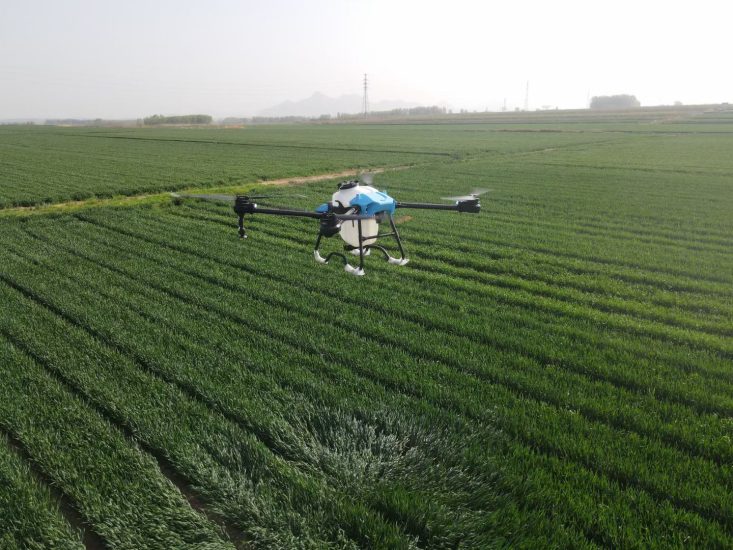
Drones can spray large rice fields in a fraction of the time required by manual labor.
2. No Ground Contact
Unlike tractors or workers, drones do not damage crops or get stuck in muddy fields.
3. Precision Spraying
Advanced nozzles and GPS systems ensure even and controlled pesticide application.
4. Reduced Chemical Usage
Drones optimize spray distribution, reducing pesticide waste and environmental impact.
Key Features for Rice Field Spraying Drones
1. Medium to Large Tank Capacity (10L–30L)
Suitable for typical rice farm sizes in Vietnam.
2. Strong Downwash Airflow
Ensures chemicals penetrate dense rice crops effectively.
3. GPS and Autonomous Flight
Allows accurate route planning and consistent spraying.
4. Waterproof and Corrosion-Resistant Design
Essential for humid and wet environments.
5. Easy Operation and Maintenance
Important for local farmers and operators with limited technical experience.
Applications in Vietnam’s Rice Farming Regions
Mekong Delta
The largest rice-producing region in Vietnam, where drones are widely used for pesticide and fertilizer spraying.
Red River Delta
Drones help improve efficiency in densely cultivated rice areas.
Central Vietnam
Used in smaller but complex rice farming zones with varying terrain.
Benefits of Using Spraying Drones in Rice Fields
- Increase efficiency by 5–10 times
- Reduce labor costs significantly
- Improve crop yield and quality
- Minimize human exposure to chemicals
- Enable precision agriculture practices
Why MSOEN Spraying Drones Are Suitable for Vietnam
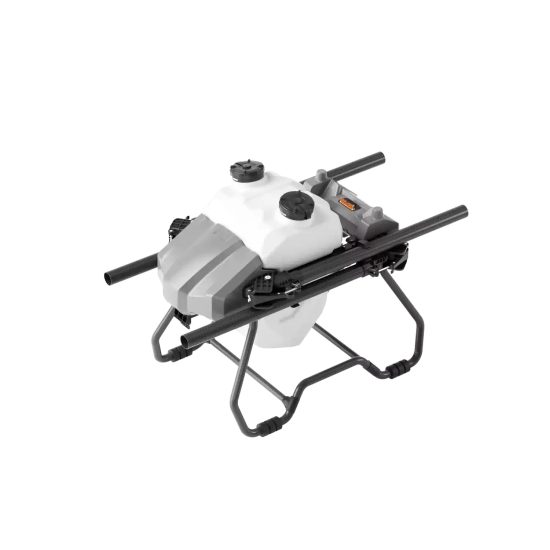
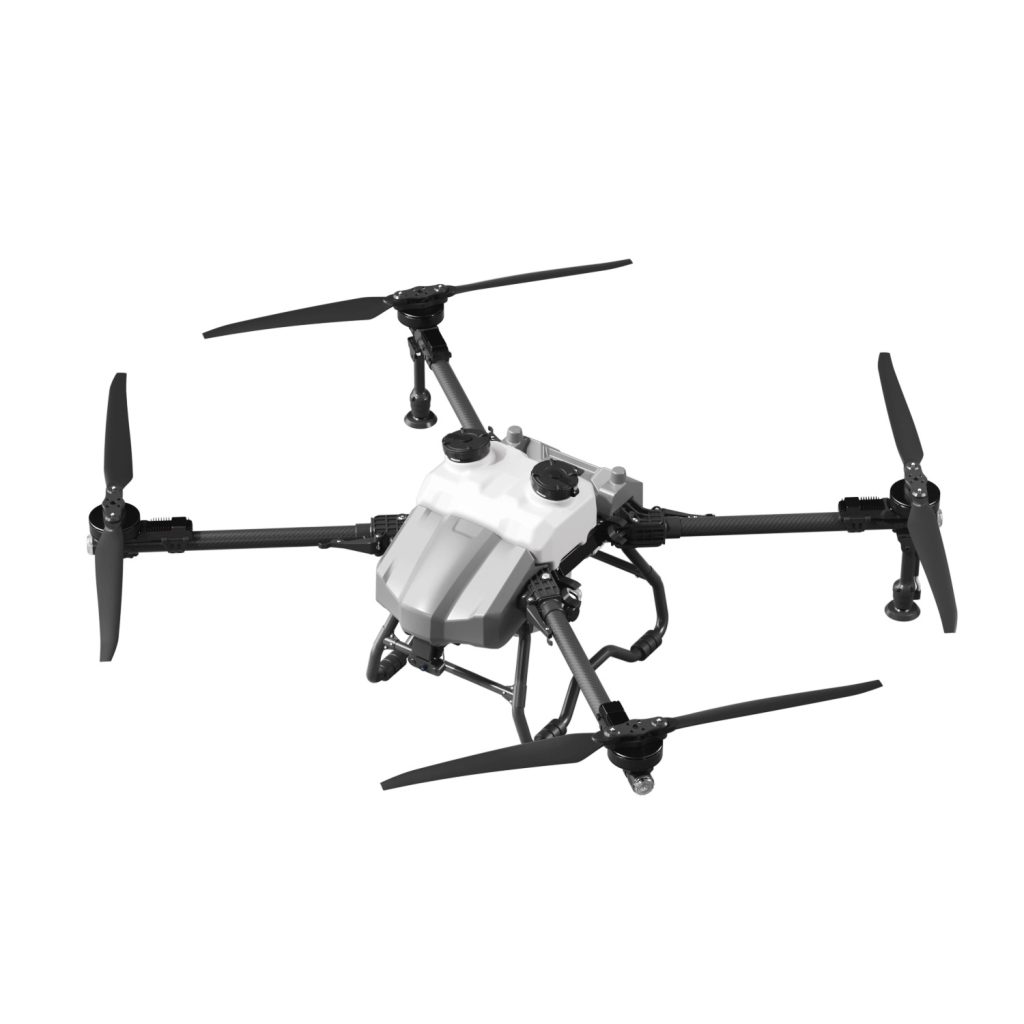
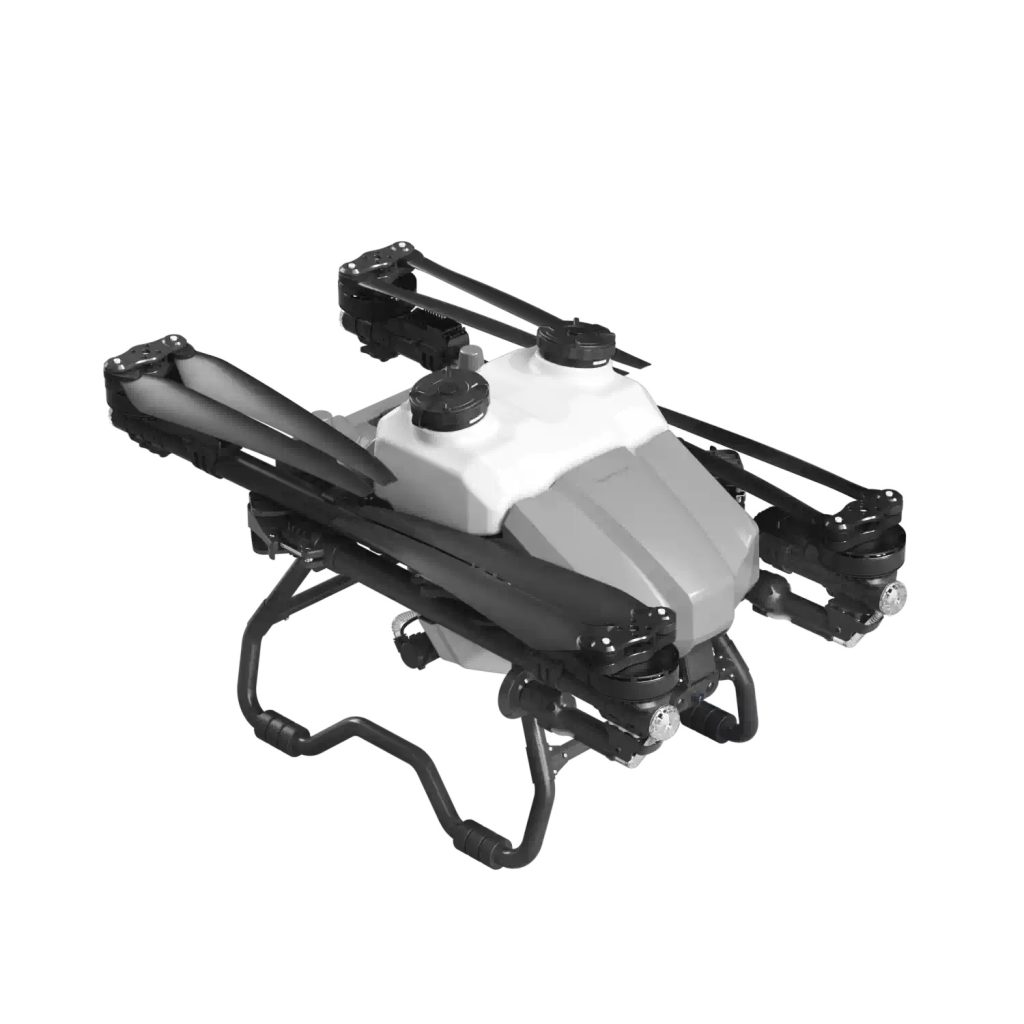
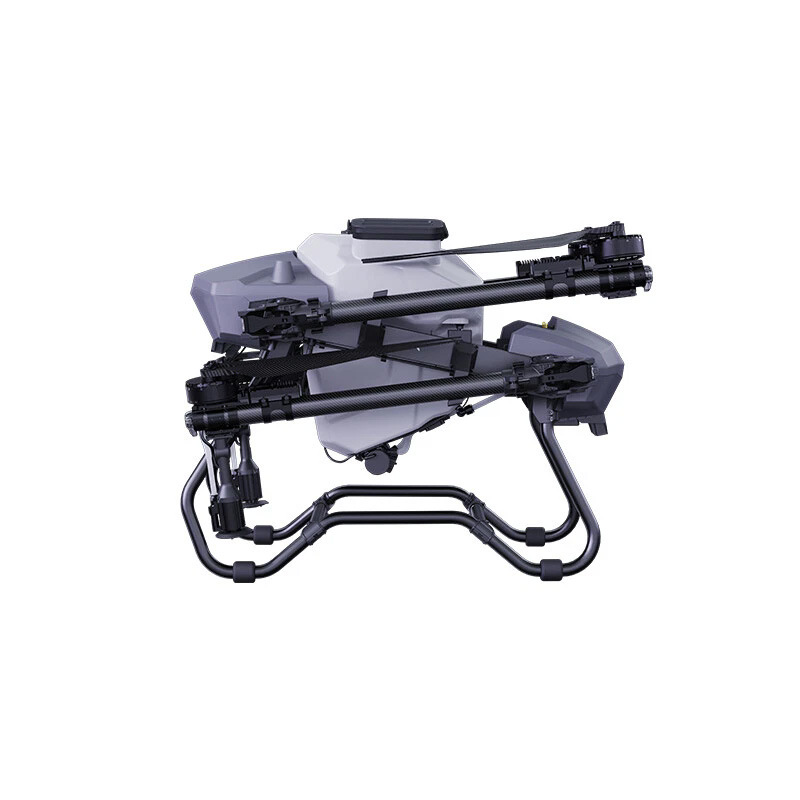
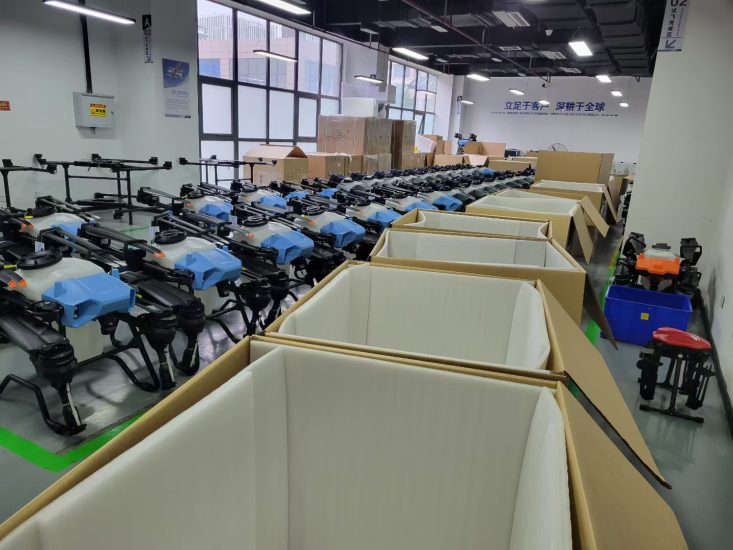
MSOEN specializes in agricultural drone solutions designed for real-world farming environments like Vietnam.
Key Advantages:
- Optimized for rice field spraying
- Efficient 10L–30L tank options
- Strong spray penetration for dense crops
- Stable flight in humid conditions
- User-friendly control system
- OEM/ODM services for local distributors
For Vietnamese importers, dealers, and agricultural cooperatives, MSOEN offers reliable and cost-effective drone solutions.
How to Choose the Right Drone for Rice Fields
When selecting a drone for rice farming in Vietnam, consider:
- Field size and layout
- Frequency of spraying
- Budget and return on investment
- Local support and spare parts availability
- Ease of use for operators
Choosing the right drone ensures better performance and long-term benefits.
Future of Smart Rice Farming in Vietnam
Vietnam is actively promoting smart agriculture and digital farming technologies. Agricultural drones are expected to become standard equipment in rice farming, especially in large cooperatives and commercial farms.
Conclusion
High-efficiency agricultural spraying drones are revolutionizing rice farming in Vietnam. They provide faster, safer, and more precise spraying solutions, helping farmers increase productivity and reduce costs.
If you are looking to enter the Vietnam agricultural drone market, MSOEN offers powerful and reliable solutions tailored for rice field applications.
FAQ (SEO优化)
Q1: Are spraying drones widely used in Vietnam rice fields?
Yes, especially in the Mekong Delta where large-scale rice farming is common.
Q2: How much area can a drone spray in one day?
Typically 20–80 hectares depending on the model and conditions.
Q3: Are drones suitable for small rice farms?
Yes, there are compact and affordable models designed for small farms.
Q4: Do drones work well in wet rice fields?
Yes, drones are ideal because they do not touch the ground.


No comments yet