



Location: Rolling farmlands of the Midwest (USA) / Andalusian Plains (Spain) — A composite diary reflecting a global transition.
Farm Size: 850 hectares (Mixed: Corn, Soybeans, and Olive Groves)
Timeline: March 2025 – September 2026
March 12, 2025: The Breaking Point
Today, I fired three workers. It wasn’t personal, but the math didn’t lie. We are in peak season, and my farmhands are burning out. My foreman, Marco, told me he couldn’t find anyone willing to carry a 20-liter backpack sprayer up and down these hills anymore. The kids these days don’t want the work, and the older guys are getting sick from the fumes.
We spent $45,000 last year on labor for pest control, and we still missed the window on the eastern field because we were short-staffed. The aphids destroyed 15% of our yield. I am done with manual labor. Today, I signed the deposit for my first two autonomous spraying drones. The sales rep promised me the future. I hope he’s right.
April 2, 2025: The Learning Curve is Real
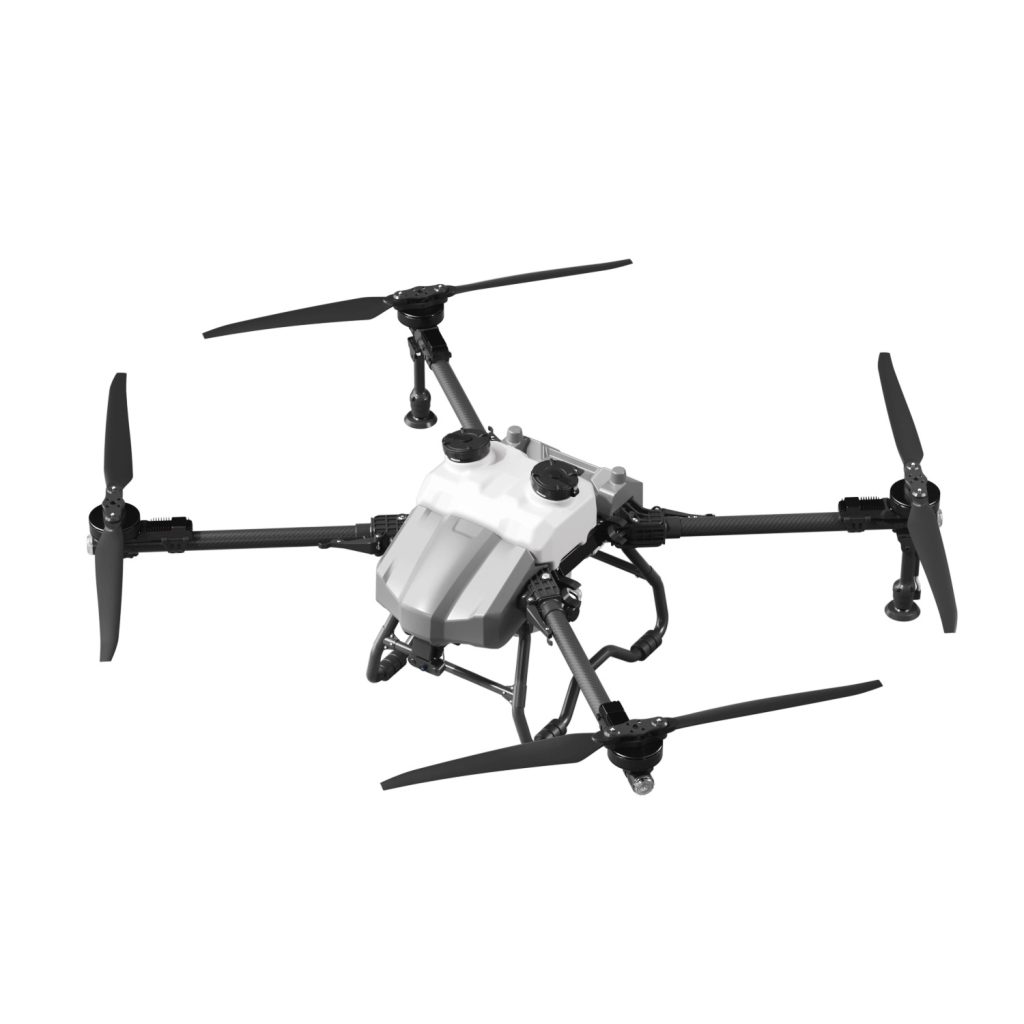
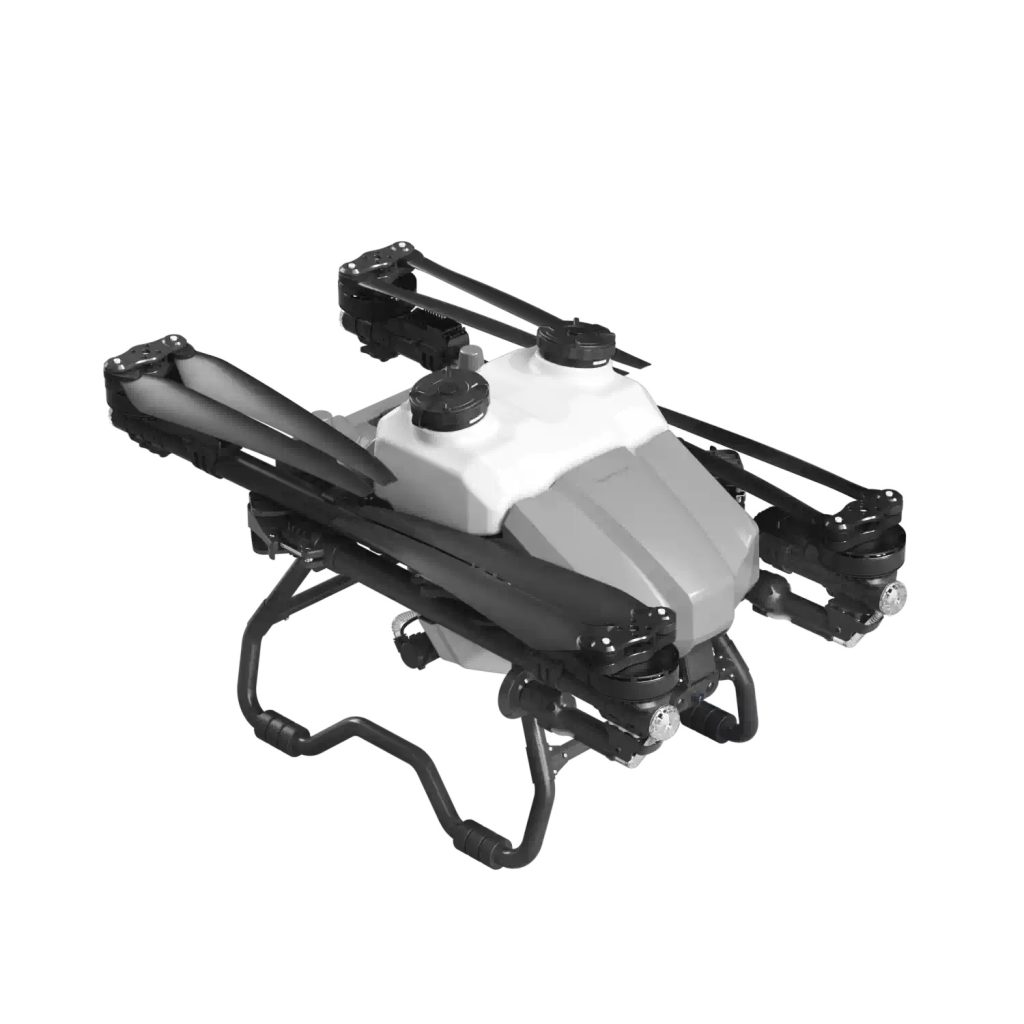
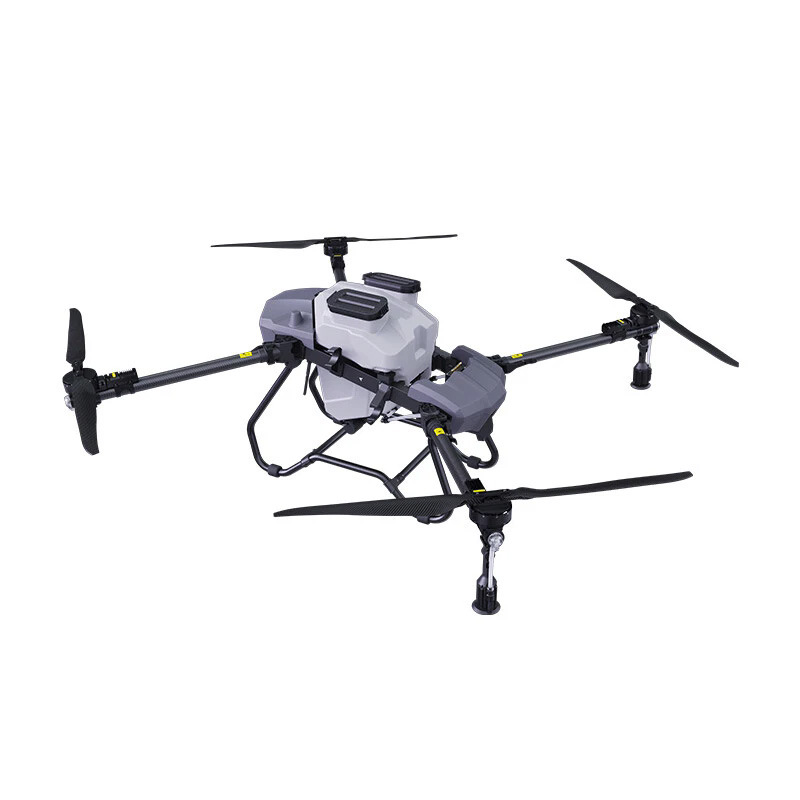
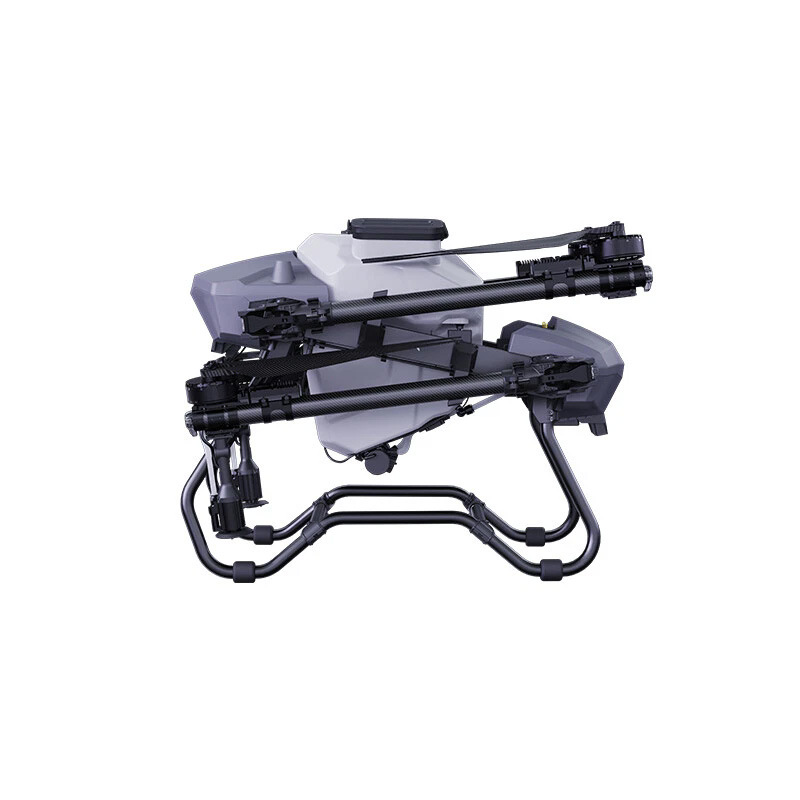
The drones arrived. They are massive, with 30L tanks and more sensors than my tractor. My pilot—a kid named Leo who plays flight simulator games—is thrilled. I am terrified.
We had our first crash today. Leo clipped a power line he swore wasn’t on the map. The rotor blades shattered. The repair cost $600 and took a week to ship. I’m starting to think this “autonomy” is just another word for “expensive toys.” But I looked at Marco, and he just shrugged. He reminded me that replacing a worker who fell into a ditch with a bad back also costs $600. I decided to give it another week.
May 20, 2025: The First Glimpse of Efficiency
Something clicked today. We were spraying the southern cornfields. With the manual sprayers, it took a crew of six, three days to cover 200 hectares. Today, Leo and I did it in one day.
The drone’s AI mapped the field overnight. This morning, we just hit “Go.” The machine flew 3 meters above the canopy, adjusting its speed automatically when it hit headwinds. I watched the telemetry on the tablet: 18 liters per hectare. My manual guys usually used 25. We finished the tank, and the drone returned to the mobile charging station. No sweat, no complaints, no lunch breaks. I think I’m starting to understand the ROI.
July 4, 2025: The Data Revelation
I used to think drones were just flying sprayers. I was wrong. Today, the drone sent me an alert: “Stress Detected in Sector 7B.” I walked out to the field, and honestly, the plants looked fine to me. But the drone’s multispectral camera saw what my eyes couldn’t—early signs of fungal infection under the leaves.
We deployed the drone specifically to that sector with a targeted fungicide. Last year, that same infection would have wiped out the whole block. Instead, we stopped it in its tracks. This isn’t just crop protection; it’s predictive agriculture. I’ve stopped thinking about the $25,000 price tag. Now I’m thinking about the $250,000 in yield I just saved.
September 15, 2025: The Economics of Silence
Harvest is here. The numbers are in.
-
Labor Costs: Down 70%. We only kept two guys to manage the charging stations.
-
Chemical Usage: Down 35%. The drone’s atomization is so fine that we use less liquid to cover more surface area.
-
Yield: Up 12% compared to last year.
The drones don’t get tired. They don’t complain about the heat. They don’t spill chemicals on their boots. The silence of the fields—no more roaring engines or coughing workers—is actually peaceful.
March 10, 2026: A Year Later
It’s spring again. I’m sitting in my office, drinking coffee, watching the drones fly autonomously outside my window. I haven’t touched a manual sprayer in six months.
The transition wasn’t easy. There were crashes, software updates that failed, and moments of sheer panic. But looking at the bank statement, the drones paid for themselves in 11 months.
Marco walked in today. He said the younger workers are actually interested in the farm now. They want to learn how to fly the drones, not carry the tanks. We are no longer just farmers; we are data managers and drone pilots. The future isn’t coming; it’s already here, hovering 3 meters above my wheat field.
Key Takeaways for Fellow Farmers:
-
Don’t Fear the Tech: You don’t need to be a genius. If a gamer like Leo can fly it, you can too.
-
Insure Your Drones: Crashes happen. Insurance is cheaper than replacement parts.
-
Focus on the Peripherals: The drone is only 50% of the cost. Invest in a good generator and a rapid charging hub. That’s where the real efficiency lies.
-
Trust the Data: The drone sees things you can’t. Listen to it.
THE END







No comments yet