


As precision agriculture continues to expand globally, agricultural drones have become essential tools for improving efficiency and crop management. Many farmers, agricultural service providers, and distributors choose to import agricultural drones from China due to competitive pricing, advanced technology, and flexible manufacturing capabilities. This practical guide explains the full process of importing agricultural drones from China, from planning and selection to delivery and operation.
Understanding Why Importing from China Makes Sense
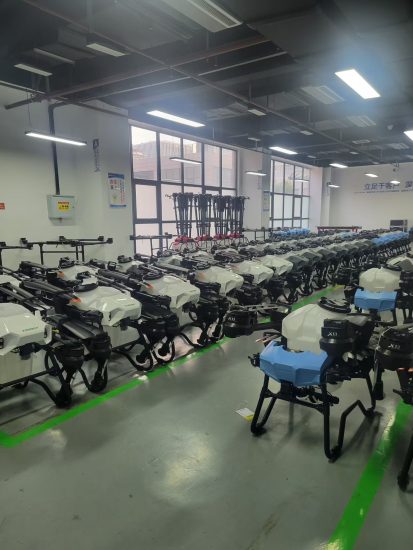
China has become a major global source of agricultural drones thanks to its strong manufacturing base and integrated supply chains. Importing directly allows buyers to:
- Access advanced drone technology
- Reduce procurement costs
- Choose from a wide range of configurations
- Request product customization
- Scale purchases as demand grows
For many overseas buyers, importing is a strategic step toward modernizing agricultural operations.
Step 1: Define Your Operational Requirements
Before starting the import process, buyers should clearly identify their needs, including:
- Crop type and farming environment
- Required spraying or spreading capacity
- Daily operating time and coverage area
- Level of automation required
- Operator experience and training needs
Clear requirements help avoid over- or under-specifying the drone.
Step 2: Select the Right Agricultural Drone Configuration
Agricultural drones come in different designs and capacities. When selecting a model, buyers should evaluate:
- Payload capacity and tank size
- Flight endurance and battery performance
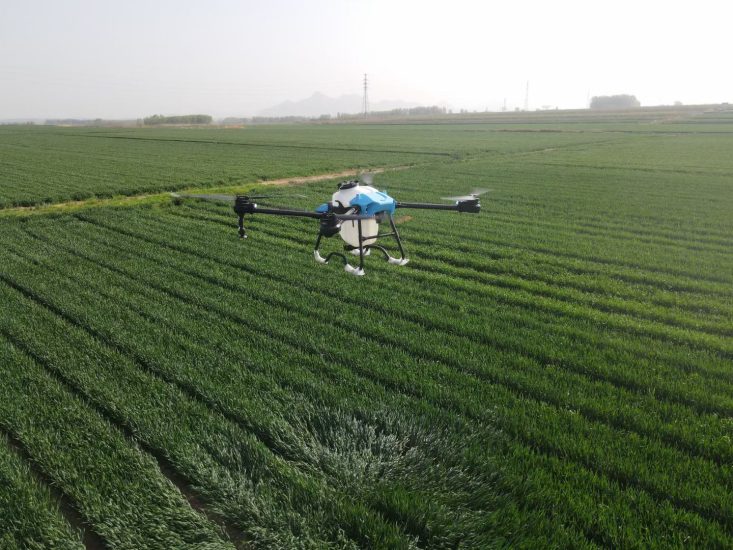
- Spraying or spreading system accuracy
- Structural strength and weather resistance
Choosing the right configuration ensures stable performance under real farm conditions.
Step 3: Understand Customization Options
One advantage of importing agricultural drones from China is customization flexibility. Buyers can request:
- Custom software interfaces
- Language localization
- Branding and labeling
- Packaging customization
- Market-specific hardware adjustments
Customization helps align the product with local user preferences and regulatory requirements.
Step 4: Confirm Quality Control and Testing
Quality assurance is critical when importing technical equipment. Agricultural drones typically undergo:
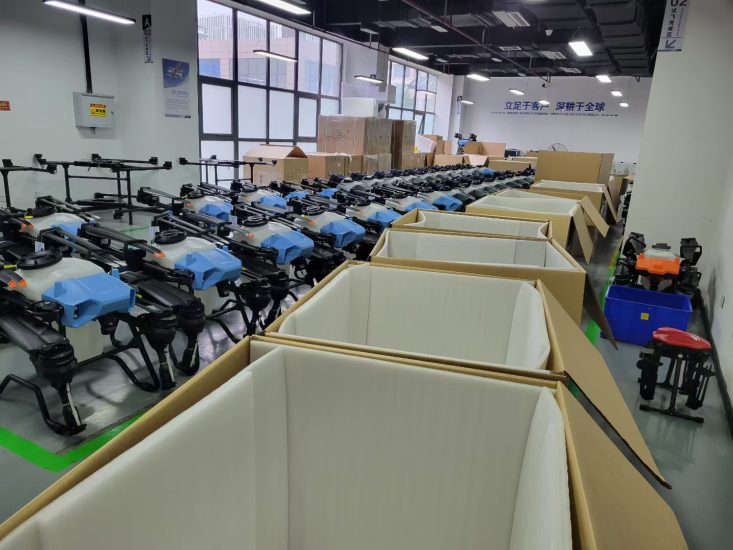
- Component inspection
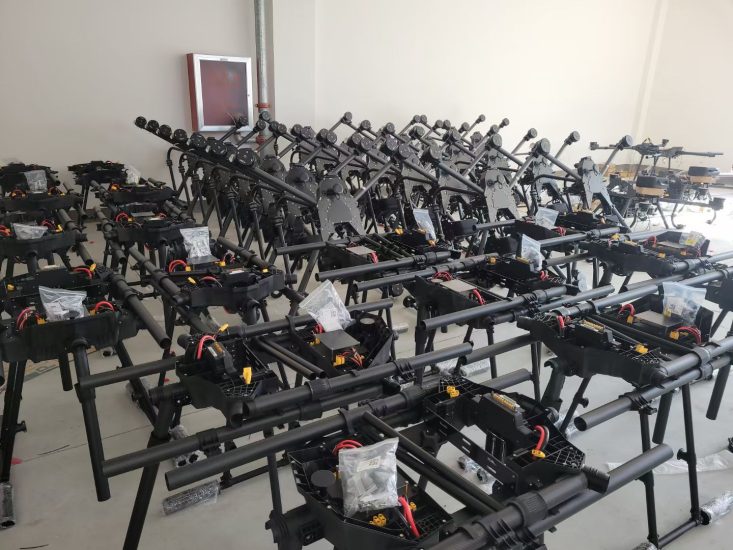
- Assembly accuracy checks
- Flight stability testing
- Payload and spraying performance verification
- Final inspection before shipment
Requesting testing details helps ensure consistent quality.
Step 5: Prepare for Export Logistics
Importing agricultural drones involves international logistics planning. Key considerations include:
- Choosing sea or air freight
- Export packaging standards
- Shipping timelines and cost control
- Handling of batteries and hazardous materials
Proper logistics planning reduces transit risks and delays.
Step 6: Import Documentation and Customs Clearance
Buyers should prepare required documentation, which may include:
- Commercial invoice and packing list
- Product specifications
- User manuals and safety instructions
Working with experienced freight partners can help ensure smooth customs clearance.
Step 7: Installation, Training, and Deployment
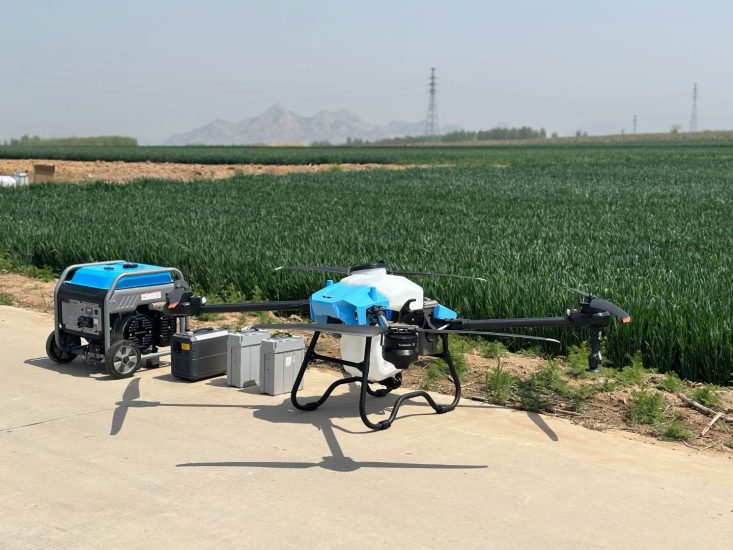
After arrival, drones should be inspected and tested before use. Successful deployment includes:
- Basic assembly and calibration
- Operator training
- Trial flights and system checks
- Establishing maintenance routines
Proper preparation ensures safe and efficient operation.
Step 8: After-Sales Support and Maintenance Planning
Long-term performance depends on reliable support. Agricultural drone suppliers typically offer:
- Remote technical assistance
- Maintenance guidance
- Software updates
- Spare parts availability
Planning maintenance schedules helps extend service life and reduce downtime.
Cost Planning and Return on Investment
Importing agricultural drones can significantly improve farm efficiency. Buyers should evaluate:
- Initial purchase and shipping costs
- Operating and maintenance expenses
- Productivity improvements
- Labor cost savings
A clear ROI analysis supports long-term decision-making.
Common Challenges and How to Avoid Them
Potential challenges include regulatory compliance, operator training, and logistics delays. These can be minimized through early planning, clear communication, and realistic scheduling.
Conclusion
Importing agricultural drones from China is a practical and effective way to access advanced farming technology at a competitive cost. By following a structured import process and focusing on quality, logistics, and support, buyers can successfully integrate agricultural drones into daily farm operations.
From China to your farm, agricultural drones offer a powerful tool for modern, efficient, and sustainable agriculture.


No comments yet